Sparkling Wines to Consider for the Holidays

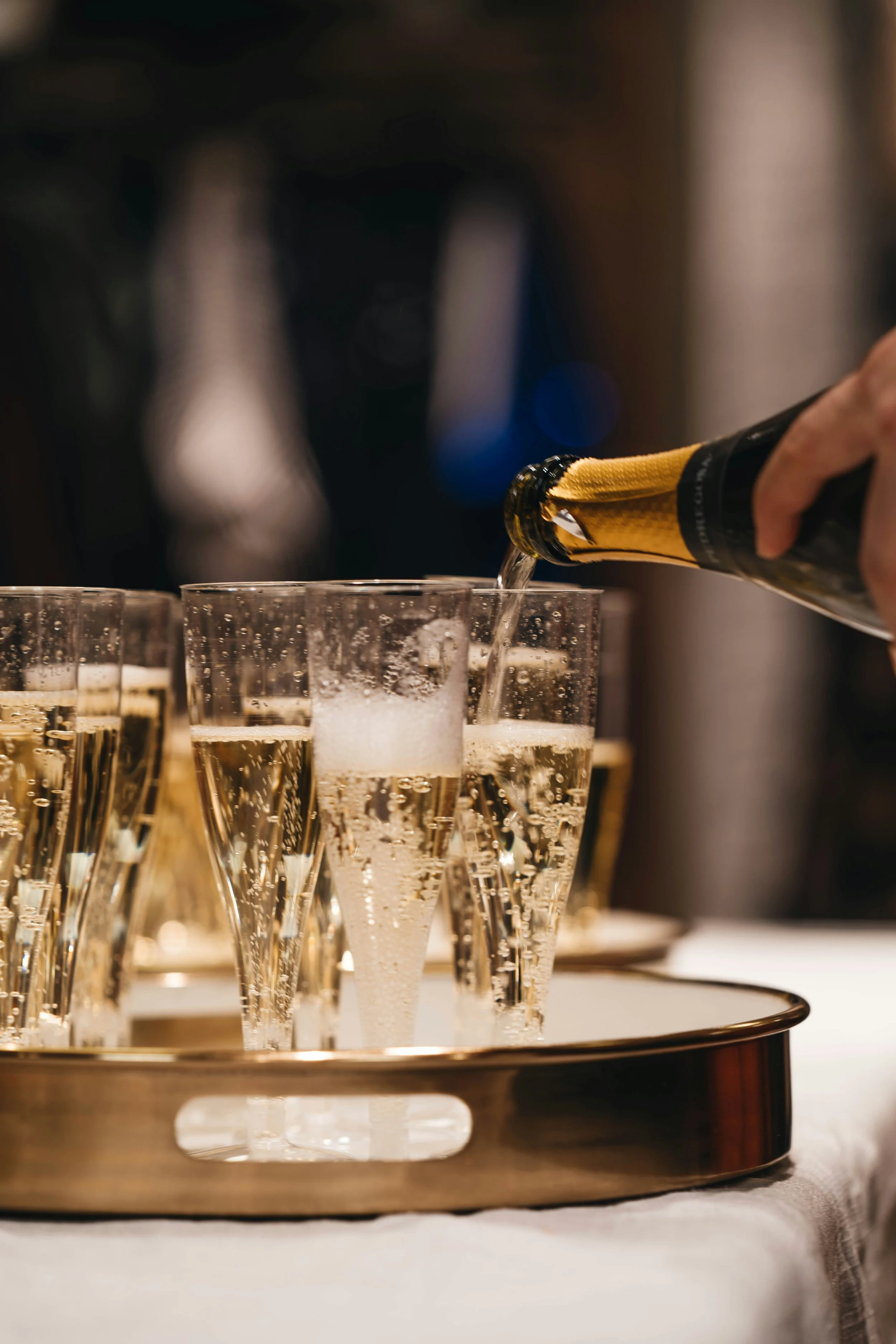
Sparkling wines really do shine during the holidays—both literally and figuratively. Here’s a few tips on the various types of sparkling wines to enjoying them to the fullest.

Champagne

Champagne is a sparkling wine that is produced in the relatively small region of Champagne in France. An entry level bottle of Champagne is going to start in the $50 range.

Some Champagne facts:

  • Champagne is typically produced from three grapes — Pinot Noir, Chardonnay and Pinot Meunier

  • To be called Champagne, it must be produced in the Champagne region of France. Otherwise, it must be called Sparkling Wine

  • Champagne is produced using a process called the méthode champenoise where the bubbles are formed in the bottle during a second fermentation.

U.S. Sparkling Wine

In the U.S., there are a tremendous number of makers of sparkling wine. Most will produce a wine that can taste very much like the French Champagne. And, you can also find rosé sparkling wines.  An entry level bottle of sparkling wine in the U.S. can be as little as $10. Read more

Prosecco and Asti

In Italy, Prosecco is their signature sparkling wine. Produced in the Veneto region just north of Venice, this sparkling wine usually produces bigger bubbles. Bottles of Prosecco can be purchased in the $10- $15 range. Read more

Cava

The sparkling wine of Spain is Cava that is produced in the Catalonia region of Spain where Barcelona is located.  Nice bottles of Cava can be purchased for around $15. Read more

Styles of Champagne and Sparkling Wine

Brut Nature - This style is bone dry meaning it has little or no sugar content (0–3 g/L sugar).

Extra Brut - This style is also very dry but, it can have up to twice the sugar level of Brut Nature (0–6 g/L sugar). This little bit of sweetness creates a wonderful balance with Champagne’s naturally high acidity.

Brut - This is the most common style. While considered “Dry” this style can have twice the sugar of Extra Brut (0–12 g/L sugar).

Extra Dry - This is the one that always confuses people. This style is sweeter which actually makes it also taste a bit fruity (12–17 g/L sugar).

Dry - The confusing continues. This style is getting up there in sweetness (17–32 g/L sugar).

Demi-Sec - Now you’re talking Sweet (32–50 g/L sugar). This style works well with desserts or cheeses.

Doux - This one, while very rare to find, is really sweet (50+ g/L sugar).

A few serving tips

  • Chill properly: About 40–45°F (4–7°C) is ideal

  • Use proper glassware: Tulip or white wine glasses preserve aroma better than narrow flutes

  • Open gently: Twist the bottle, not the cork, for a quiet, elegant release

No matter which type or style you choose, give sparkling wines a try this holiday season. Cheers!
Reader Asks: Does Non Alcoholic Wine Spoil Faster?

Photo by Lily Combs on Unsplash

An EverWonderWine reader recently had a bad experience with a non-alcoholic wine. It thickened and smelled bad just a few days after opening. The question asked was “What makes a non-alcoholic wine go bad quicker than regular wine?

There are several factors that could have contributed to the non-alcoholic wine spoiling rapidly.

Here are some of the factors:

  • Alcohol acts as a natural preservative. Regular wine usually has 12–15% alcohol by volume (ABV), which helps prevent spoilage by inhibiting bacterial growth.

  • Non-alcoholic wine has little to no alcohol (often less than 0.5% ABV), so it lacks that natural protection, making it more vulnerable to spoilage.

  • Without any alcohol, oxidation and microbial growth occur more rapidly after opening a bottle.

  • Without alcohol to inhibit growth, bacteria or wild yeasts can thrive, especially in a warm environment.

  • These microbes can metabolize the residual sugar and other compounds in the wine, producing by-products that change the texture, making the wine thicker or syrupy.

While alcoholic wine (especially red wine) can often last 3–7 days once opened (depending on storage), non-alcoholic wine typically lasts 2–3 days in the fridge after opening when also using a wine-pump stopper to reduce oxygen exposure.

So, once you’ve opened that bottle of non-alcoholic wine, your best bet is to finish it off! After all, it’s non-alcoholic! Cheers!

Reader Asks "Was I Supposed to Consume it Earlier?"

I recently received a message from a EverWonderWine reader regarding a bottle of white dessert wine that said “Just opened a 2011 bottle. Wine is dark red brown and tastes like molasses with a hint of vinegar. Bleh! What happened? I loved it at the tasting. Was I supposed to consume it earlier?

So first, the simple answer is “Yes,” the 2011 white dessert wine should have been consumed earlier. No white wine should look dark red-brown, taste like molasses and have a hint of vinegar.

But, the fact that the wine went bad is not necessarily because of the age. A 2011 bottle of wine, if properly sealed and stored could easily have lasted 14 years. The color may darken over time but it won’t become like molasses with hints of vinegar.

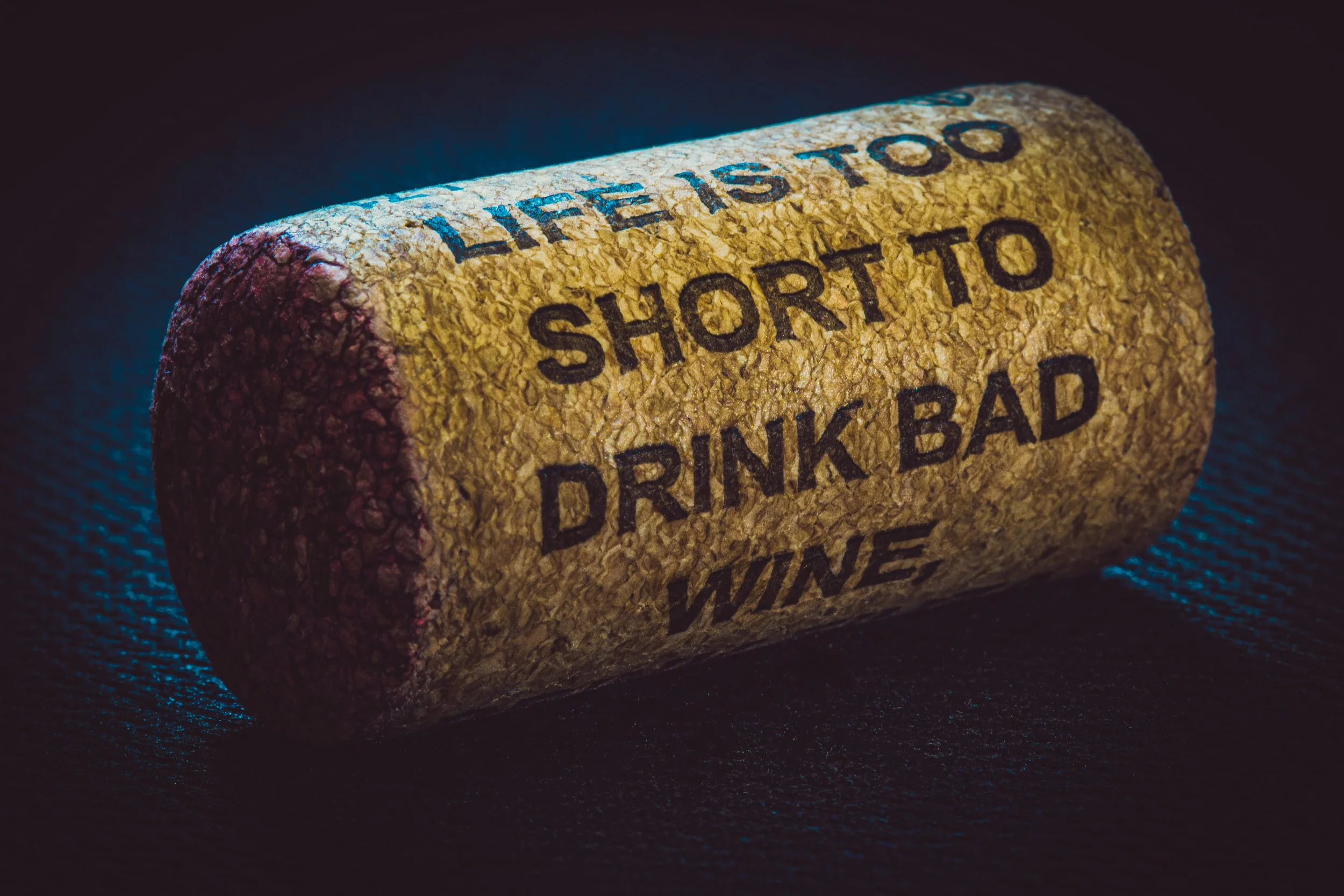
To me, it sounds like the bottle probably was not well sealed and/or it wasn’t stored properly. When a wine gets exposure to oxygen, through an improper seal (e.g., a leaky cork), it will oxidize. Just as a pealed banana or apple turns brown with time, so too will a white wine. The other likely culprit could be improper storage temperature and/or exposure to direct sunlight. Wines should always be stored in a cool and dark place if they are going to be held for any period of time. Room temperature is too warm for wine. Storage temperatures should be “cellar” temperatures which range from 46° - 60° F for white wines to 50° - 65° F for red wines. And, ensure that your wines are kept out of direct sun light, preferably in a dark closet, basement or wine refrigerator.

So, store your bottles on their side (keeps the cork from drying out), in a cool and darkened place and you are more likely to enjoy an aged wine. Cheers!

Wine -- Too Warm? Too Cold? Or Just Right

Photo by Kevin Kelly on Unsplash

I recently ordered a glass of red wine at a nice restaurant. It came in a large wine glass and was a generous pour. But, upon taking my first sip it was obvious that it was much too warm.

The temperature at which a wine is served matters.  And here's why.  The 'proper' serving temperature will ensure that you get the best experience from your wine.  Serve it too cold or too warm and you can loose a lot of the wine's character.

This is partly due to your nose and how a wine's aroma works along with its taste. And, aroma is greatly affected by the wine's temperature.  A cold wine will have less of an aroma because fewer of the volatile compounds will be released from the wine. Conversely, a warmer wine will easily release these compounds and give you an opportunity to experience the wine's full aroma.

Then there's the way a wine tastes.  Serving a white wine too cold will mute its fruit flavors. White wines taste best when they are served cool because of their acidity and negligible tannin. The fruit flavors are zippy and bright and a bit of a chill will enhance this.  But full bodied white wines that have been aged in oak (e.g., Chardonnay) are best served not quite so cool to allow you experience the flavors that oak imparts.

Serving a red wine too cold will emphasize its acidity, bitterness and tannin. But serving a red wine too warm can make it seem heavy, lifeless and emphasize the alcohol, yielding a burning sensation in your throat.

So, here are some general guidelines for the 'proper' serving temperatures of wines:

  • Sparkling Wine: 42° - 50° F

  • Light Whites: 46° - 54° F

  • Full Bodied Whites: 54° - 60° F

  • Rosé: 45° - 55° F

  • Light Reds: 50° - 54° F

  • Medium Reds: 57° - 63° F

  • Full Bodied Reds: 59° - 65° F

Here are a couple quick rules-of-thumb on chilling wine.  Sparkling wine can be stored and served directly from a kitchen refrigerator. With white wine, place it in your kitchen refrigerator 30-60 minutes before serving. Or, if it's been stored in a kitchen refrigerator, remove it 30 minutes before serving.  For red wines, put them in a kitchen refrigerator for 30 minutes before serving. This way, your white wines will be cool but not too cold and your reds will be slightly cooled and not too warm. Cheers!

Tips for Keeping Wine Cool While Decanting

Image by FreePik

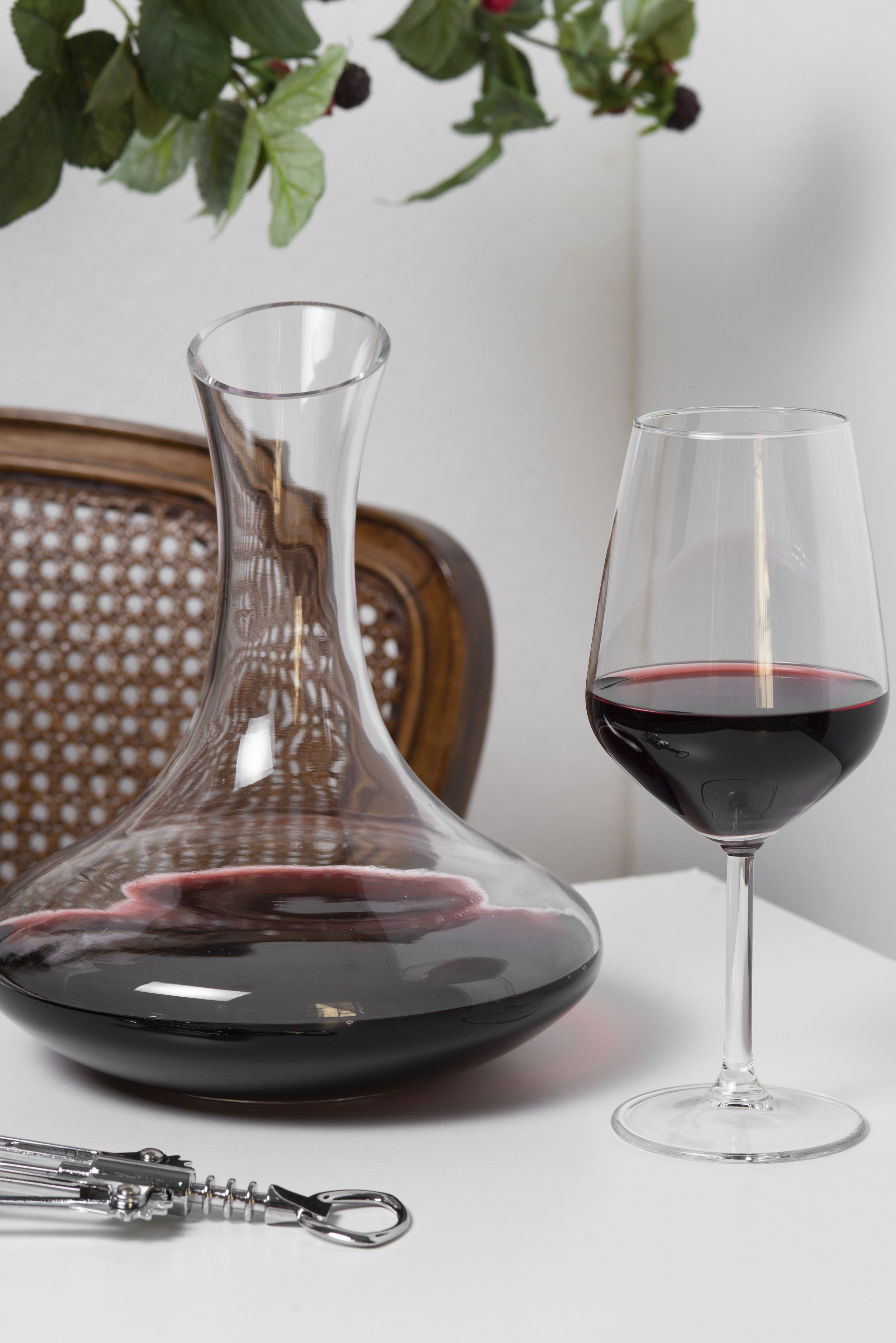
Decanting a wine, especially in the summer, can present a problem. Typical decanting times are 30 minutes to an hour our more. So, if you’ve been keeping your wine at a cellar temperature of 52-57°F for a red, or slightly chilled to 45℉ and 55℉ for a white, it going to warm up to room temperature during decanting.

Here are a few tips for keep a wine cool during and after decanting:

  • If you’ve got plenty of time and can plan in advance, go ahead and decant your wine at room temperature and then return it to the original bottle and place it back in the wine refrigerator for an hour or so to return it to the desired temperature

  • Your decanter should have a wide base to allow for maximum surface area contact of the wine with air, so place a chilled towel or a bag of frozen peas or corn over the base of the decanter to keep the wine chilled. For longer decanting times you may need to change out the towel or add another bag of frozen veggies

  • If your decanter can fit inside a refrigerator, just beware that it’s possible the wine can take on some ugly refrigerator smells, so check first or ensure you’ve got a fresh box of baking soda in the frige to soak up those nasty smells

  • If you have one of those freeze sleeves that can fit around a bottle of wine, see if it will simply fit around the neck of your decanter to help keep the decanting wine chilled

So, if decanting your wine, remember that all wines taste best if served at the proper temperature. Therefore, decant when necessary but ensure you serve your wine at its best temperature. Cheers!