
Reader Asks "Was I Supposed to Consume it Earlier?"

I recently received a message from a EverWonderWine reader regarding a bottle of white dessert wine that said “Just opened a 2011 bottle. Wine is dark red brown and tastes like molasses with a hint of vinegar. Bleh! What happened? I loved it at the tasting. Was I supposed to consume it earlier?

So first, the simple answer is “Yes,” the 2011 white dessert wine should have been consumed earlier. No white wine should look dark red-brown, taste like molasses and have a hint of vinegar.

But, the fact that the wine went bad is not necessarily because of the age. A 2011 bottle of wine, if properly sealed and stored could easily have lasted 14 years. The color may darken over time but it won’t become like molasses with hints of vinegar.

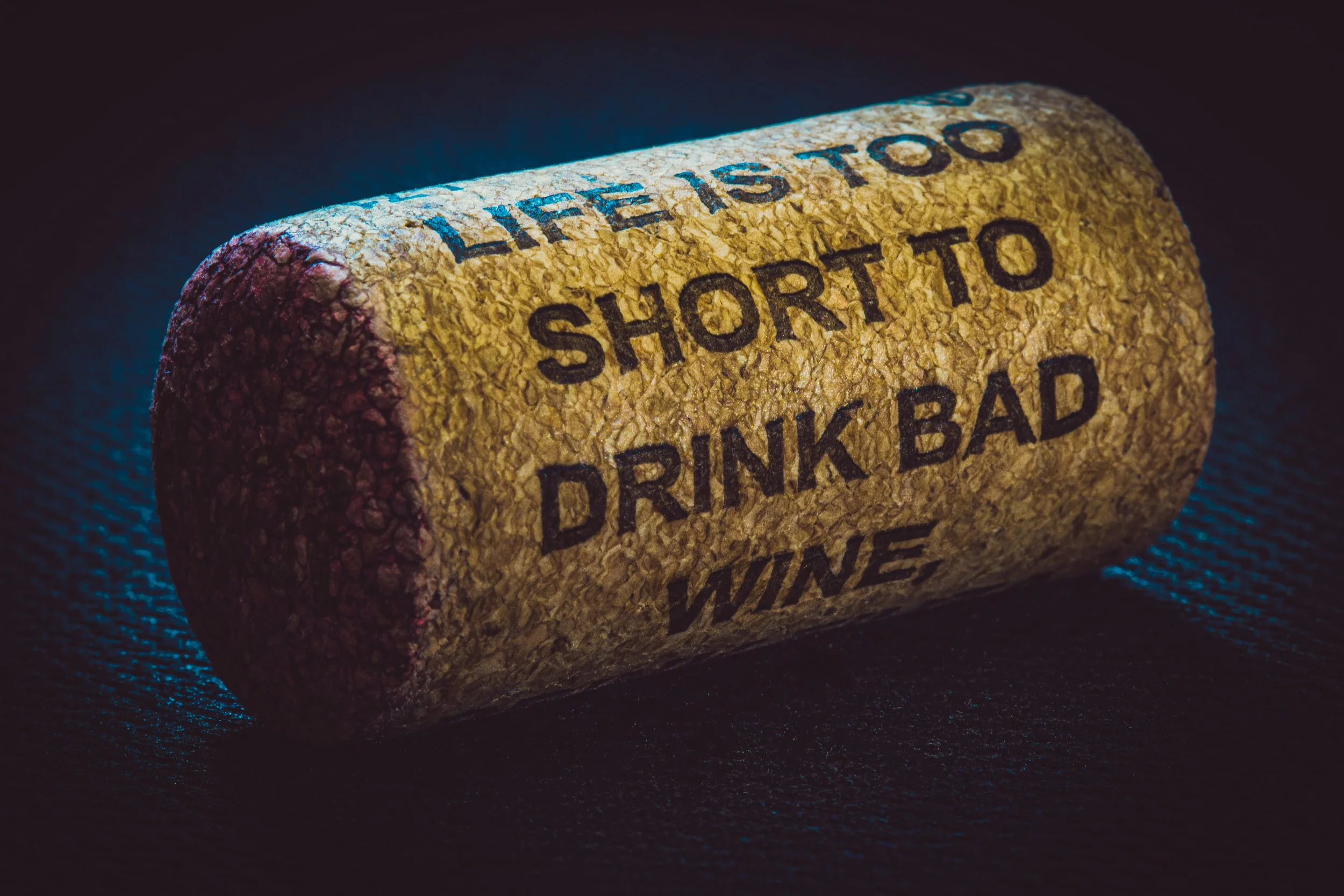
To me, it sounds like the bottle probably was not well sealed and/or it wasn’t stored properly. When a wine gets exposure to oxygen, through an improper seal (e.g., a leaky cork), it will oxidize. Just as a pealed banana or apple turns brown with time, so too will a white wine. The other likely culprit could be improper storage temperature and/or exposure to direct sunlight. Wines should always be stored in a cool and dark place if they are going to be held for any period of time. Room temperature is too warm for wine. Storage temperatures should be “cellar” temperatures which range from 46° - 60° F for white wines to 50° - 65° F for red wines. And, ensure that your wines are kept out of direct sun light, preferably in a dark closet, basement or wine refrigerator.

So, store your bottles on their side (keeps the cork from drying out), in a cool and darkened place and you are more likely to enjoy an aged wine. Cheers!

Wine Storage with a Freezer and a Microwave?

EWW Browser Icon.png

I was catching up on some reading recently when I came upon an article from James Laube in Wine Spectator. He’s been a wine writer for Wine Spectator since 1980, is very well respected and one of my favorites. But his piece titled “Ice Age” had me scratching my head. I had to check the date on the edition — Was it an April Fool’s Edition? No, it was actually the edition from October 31, 2018.

Having been a wine writer for so many years, Laube stated that the most common question he gets is “How do you preserve an open bottle of wine?” I expected to hear a bunch of the most common ways — in the frig, in a cool dark place, sealed with a stopper that allows the air to be pumped out, etc. But, that’s not what this wine legend recommended. Instead, he recommends the use of a freezer and a microwave!

Now, a freezer and microwave are couple of the last places I’d ever expect an opened bottle to end up. But, he’s used this process for decades when he wants to preserve a nice bottle for a few days or longer. He acknowledges “that freezing wine sounds preposterous to many wine lovers” but he says it works quite well.

He recommends placing the cork back in the bottle of wine and sticking it in the freezer. Then, when you’re ready to drink the wine again, simply pop the frozen bottle of wine in the microwave for 15 to 20 seconds. That he says “…renders a wine that looks like a Slurpee, ice shavings and all.” You can then put it through second short cycle in the microwave “and then it’s ready.

Really? I’m not sure I’d do this with a cheap bottle of wine. But Laube is drinking, freezing and microwaving the good stuff! He claims “But one you try it — and discover for yourself that the wine is fine after thawing — you’ll be hooked.

So, maybe I’ll give this a try. That is, if I ever end up with a nice bottle of wine that I haven’t emptied! Cheers!

Is Your Wine Too Hot, Too Cold or Just Right?

It is said that most American's drink their white wines too cold and their red wines too warm. And I've certainly observed this myself.  Wine flavors can be amazing, but serving a wine too cold or too warm can significantly affect a wine's flavors. While the serving temperature that is just right for you is a matter of individual taste, there are some common rules of thumb.

When it comes to light white wines, sparkling wines and rosé, the common thought is that they should be served in the range of 40 to 50 degrees Fahrenheit (F). A more full-bodied white wine, such as Chardonnay, should be served in the 50 to 60 F range.  And as you can see, these temperatures are well above the typical refrigerator temperature of 34 F.  When a wine is served too cold, the flavors are not allowed to fully come out. So you end up with flat, bland or weak tasting white wines.

A friend of mine recently commented that he had never really liked Chardonnay. He was more of a red wine drinker.  But during a winery visit he had been served a Chardonnay and really liked it.  Not just because it was a nice Chardonnay, but because it was being served well above the refrigerator temperature that he was used to. So at the proper temperature he got to truly experience all the flavors of Chardonnay for the first time.  It was a real eye opener for him.

For red wines, the lighter and fruitier ones can be served in the range of 50 to 60 F with full-bodied reds being in the 60 to 65 F range.  These temperatures are well below 'room temperature.'  Serving a red wine too warm can make it more harsh, exaggerate the tannin and enhance the mouth-feel of the alcohol causing a burning sensation.

If you do have a white wine in the refrigerator, pull it out and let it sit for 30 minutes. And, if you have a bottle of red that's at room temperature, put it in the refrigerator for 30 minutes.  Or better yet, invest in a wine refrigerator that will ensure your wines are stored and served at just the right temperature. Cheers!


Behind the Cork™ Wine of the Week - Stags' Leap Merlot ($20)

Looking for an attainable, affordable wine?  You've come to the right place. Each week I feature just such a wine that may be great for taking to a party, enjoying with a dinner or just sipping on Wine Wednesday. 

This week's wine is Stags' Leap Merlot. This medium-bodied wine from Napa Valley is an excellent wine at $20. Nice big flavor of berry fruit with soft tannin and a smooth finish. You can't go wrong with a wine from Stags' Leap.