
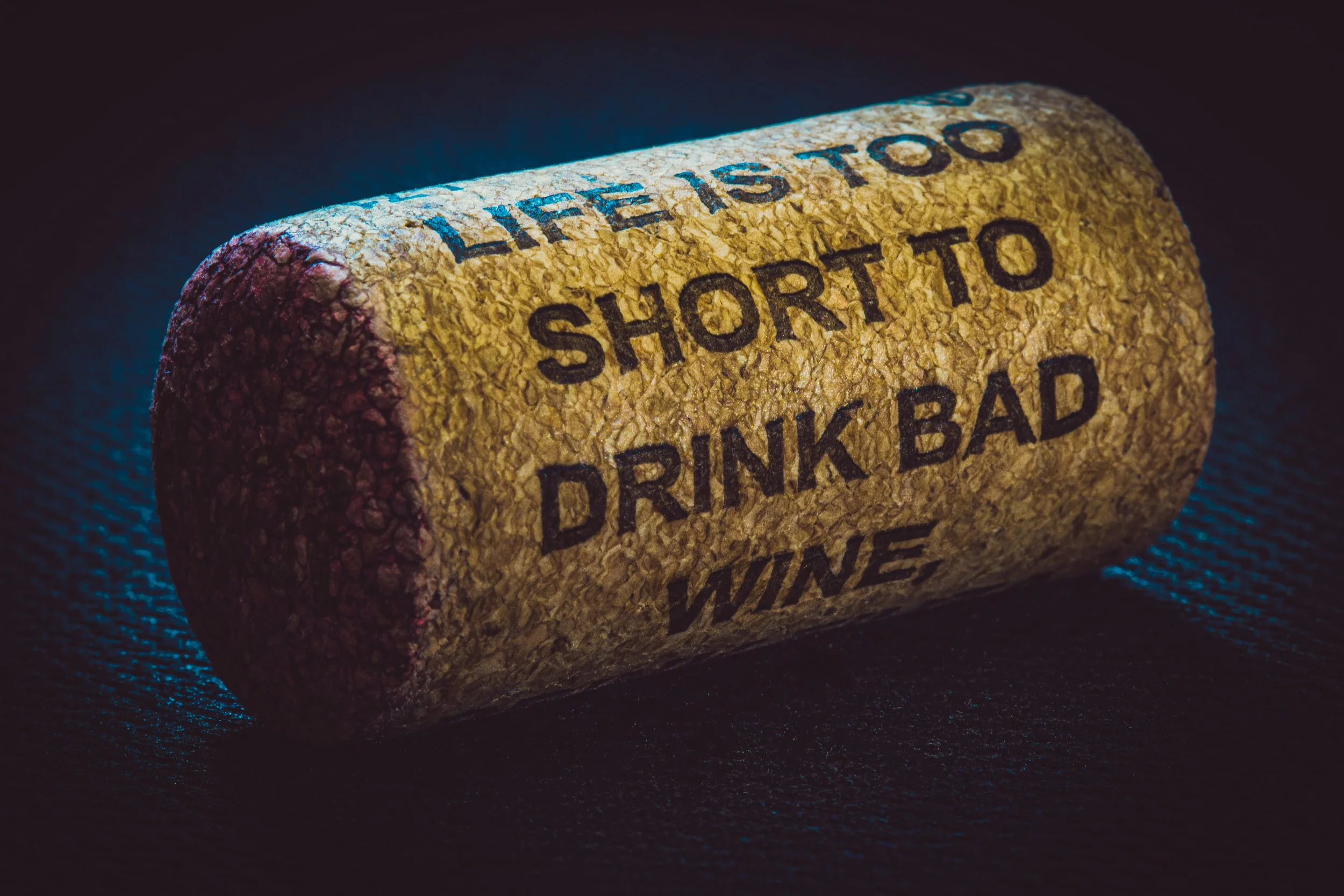
Reader Asks "Was I Supposed to Consume it Earlier?"

I recently received a message from a EverWonderWine reader regarding a bottle of white dessert wine that said “Just opened a 2011 bottle. Wine is dark red brown and tastes like molasses with a hint of vinegar. Bleh! What happened? I loved it at the tasting. Was I supposed to consume it earlier?

So first, the simple answer is “Yes,” the 2011 white dessert wine should have been consumed earlier. No white wine should look dark red-brown, taste like molasses and have a hint of vinegar.

But, the fact that the wine went bad is not necessarily because of the age. A 2011 bottle of wine, if properly sealed and stored could easily have lasted 14 years. The color may darken over time but it won’t become like molasses with hints of vinegar.

To me, it sounds like the bottle probably was not well sealed and/or it wasn’t stored properly. When a wine gets exposure to oxygen, through an improper seal (e.g., a leaky cork), it will oxidize. Just as a pealed banana or apple turns brown with time, so too will a white wine. The other likely culprit could be improper storage temperature and/or exposure to direct sunlight. Wines should always be stored in a cool and dark place if they are going to be held for any period of time. Room temperature is too warm for wine. Storage temperatures should be “cellar” temperatures which range from 46° - 60° F for white wines to 50° - 65° F for red wines. And, ensure that your wines are kept out of direct sun light, preferably in a dark closet, basement or wine refrigerator.

So, store your bottles on their side (keeps the cork from drying out), in a cool and darkened place and you are more likely to enjoy an aged wine. Cheers!
How to Tell if Your Wine is Oxidized


I recently opened a bottle of rosé on a warm evening, looking forward to a cool, crisp and refreshing glass of wine.

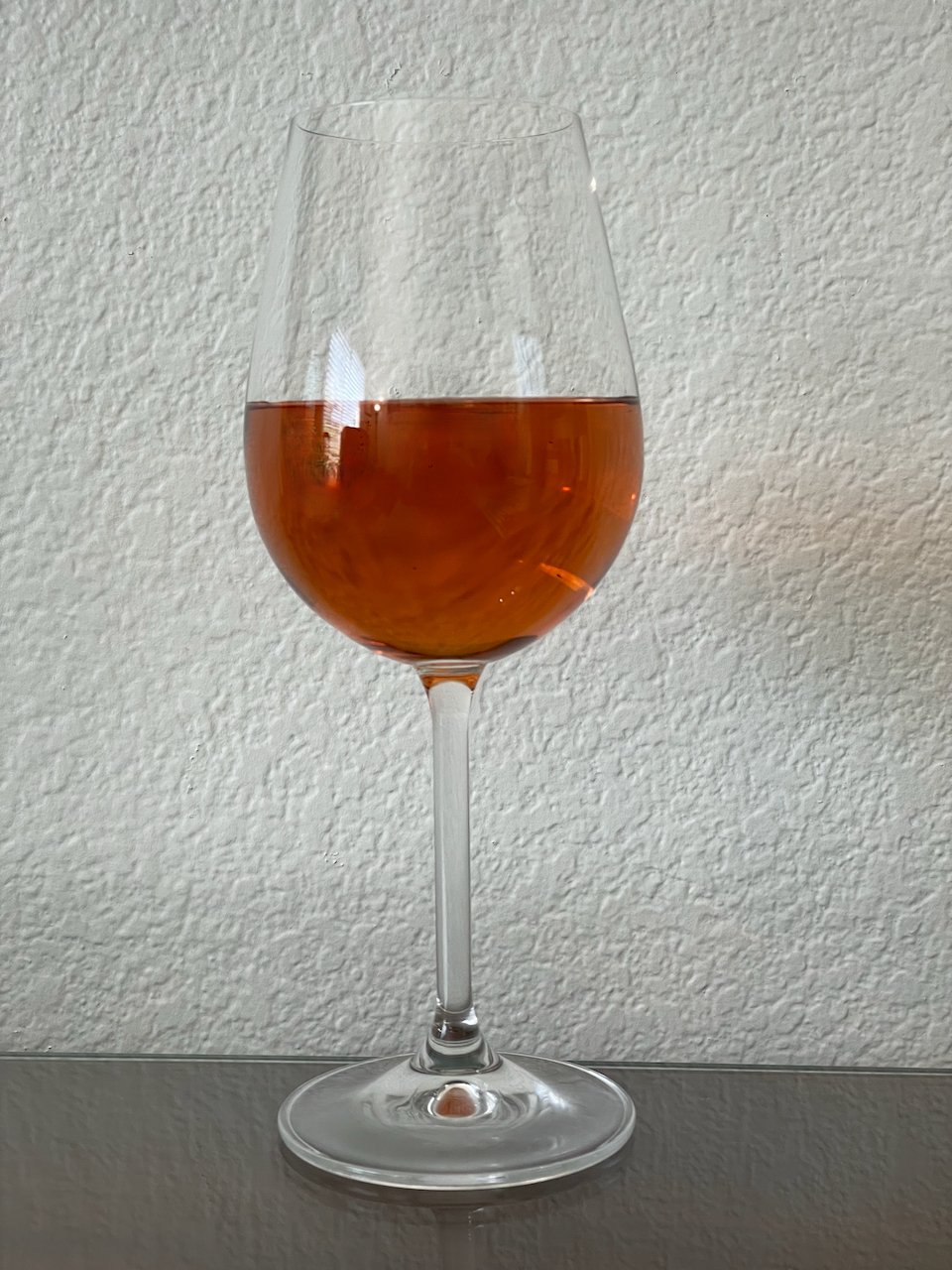
When I poured myself a glass, I quickly noted that instead of the beautiful pink color that I was expecting, I got an brownish-orange glass of wine.

That was my first clue.

I then lifted the glass and got a whiff of a nutty aroma. One more like a sherry or a port.

That was my second clue.

I went ahead a took a sip. Instead of bright fruit flavors of strawberry and citrus, it was indeed nutty in flavor.

I’d gotten my final clue.

This wine had gone bad. The color, aroma and taste were dead giveaways of an oxidized wine.

Much like an apple or a banana will turn brown if exposed to air, so too will a wine. In this case, the brownish-pink combination resulted in orange.

Is an oxidized wine drinkable? Well, yes. It won’t hurt you or make you sick. And, if you are a sherry lover, you’ll probably like an oxidized wine. But you won’t get to enjoy the bright, crisp fresh fruit flavors that a rosé, a white wine or even a red wine, should have.

Oxidation is just one of several wine faults that can occur in a ‘sealed’ wine. But, once you’ve experienced an oxidized wine you’ll know exactly what clues to look for in the future.

Cheers!

Ever Wonder? What is Corked Wine?

In the wine world, there is such a thing as “Corked” wine. And, no, it doesn’t mean that the cork has been removed from a bottle of wine. Pulling the cork is usually a good thing. But, a “Corked” wine is actually a bad thing.

You may have had “Corked” wine and not even noticed. But, usually it’s quite apparent. That is, if you know what you’re looking for.

“Corked” wine refers to a wine that has been contaminated with ‘cork taint.’ This can happen if the wine is bottled with an infected cork. This infection occurs when natural cork fungi come in contact with certain chlorides found in bleaches and other cleaning products. This combination forms Trichloroanisole (TCA) which is what is responsible for ‘cork taint.’

This cork ‘infection’ can have two very different effects on a wine. The one that is easiest to detect is an odor that’s been compared to the smell of wet cardboard, wet newspaper, a damp basement or even a wet dog! The other less detectable effect is that the wine will seem to lack aromas and have little or no taste. This seems to be from the fact that TCA has a way interfering with your sense of smell.

So, if you pull the cork on a wine and get a musty aroma, or if you are very familiar with a wine, and this bottle just doesn’t seem anything like it should, you’re likely dealing with a “Corked” wine. Now, there’s actually no harm in consuming a “Corked” wine. But, the musty aroma or the complete lack of aroma may strongly affect your enjoyment of the wine. The literature suggests that as much as 3% of wines that are sealed with a cork will be “Corked.” So, always remember to practice the 5 S’s of wine, with one of those being ‘Smell.’ And, here’s to drinking un-tainted wine! Cheers!

The Various Ways that Wines Can Go Bad

Last time we looked at how a wine can turn brown and take on a nutty sherry-like flavor. That’s oxidation which is just one of several ways in which a wine can go bad.

There are several other common wine flaws. So, let’s take a quick look at each.

TCA — This is a powerful chemical that even in tiny amounts can cause musty aromas and flavors in wines. TCA (2,4,6-trichloroanisole) most frequently comes from natural corks and gets into wine in the bottle. It can also come from barrels, pallets, and cardboard boxes. Although TCA taint will not harm you, it can ruin a wine. When TCA levels get high in a wine bottle it can make the wine smell moldy or musty, like cardboard, damp cement or wet newspapers.

Sulfur — Sulfur has the unmistakable scent of rotten eggs. Sulfur (not to be confused with sulfites) is commonly used in winemaking, in small amounts. But, again, when the levels become higher through over use it causes hydrogen sulfide to form resulting in stinky wine.

Vinegar Taint — It’s a common phrase used when wine goes bad — “It’s turned to vinegar.” Well, what actually happens is that Acetic acid builds up in wine when there’s too much exposure to oxygen during winemaking and is usually caused by acetobacter which is indeed used in the vinegar-making process. You’ll immediately notice the sharp vinegar smell that’s also been described as being like nail polish remover.

Brett — This is another common fault that’s attributed to yeast spoilage. “Brett” is short for Brettanomyces. And, again, your nose will immediately let you know of this spoilage that’s been described as smelling like a barnyard, a stable, a cow pie or a sweaty horse blanket. For those city folks who haven’t had the barnyard experience, Brett has also been described as oddly metallic or like the aroma of a Band-Aid.

The above wine faults are attributable to problems that are introduced at the winery. The next two are handling faults that happen anywhere between the winery and your wine glass.

Heat Damage — A sealed bottle of wine can be damaged or destroyed by getting too hot. In wine country, wineries warn you not to leave your purchases in the car and welcome you bringing wine that you’ve purchased elsewhere into their tasting room to keep it cool. But, heat damage can occur during shipping, on a store’s shelf, during a delivery that sits on your hot front porch, or simply after you purchase a bottle. Never leave bottles of wine out at room temperature for a prolonged period. A home refrigerator (typically in the low 30s F is too cold but better than nothing. In round numbers, white wines should be stored in the 40 to 50 degrees F range while reds should be stored in the 50 to 60 F range.

Light Damage — This is another problem that can just as easily happen in the store as in your home. When wine is exposed to prolong sun light, or simply just near a window, it can rapidly go bad. Here again you can get strong odors (wet wool) that will immediately let you know the wine has gone bad.

So, let your eyes and nose help you detect wine faults. And, ensure you properly handle and store your wine bottles once they are in your possession. Cheers!

Ever Wonder How to Tell if a Wine has Gone Bad?

Imagine ordering a glass of a light, crisp fruity Sauvignon Blanc expecting the glass to look like the one on the left side of the photo. But, instead you are served a golden-brown glass of wine like the one on the right. You will have been given your first clue. Then you lift your glass to take a sip but even before you do you get a whiff of a nutty aroma. That’s your second clue. But, you go ahead and take a sip and it tastes more like a sherry than a Sauvignon Blanc. You’ve gotten your final clue.

This wine has gone bad. The color, aroma and taste are dead giveaways of an oxidized wine.

Much like an apple or a banana will turn brown if exposed to air, so too will a wine.

Is an oxidized wine drinkable? Well, yes. It won’t hurt you or make you sick. And, if you are a sherry lover, you’ll probably like an oxidized wine. But you won’t get to enjoy the bright, crisp fresh fruit flavors that a Sauvignon Blanc, or most any white wine, should have.

Oxidation is just one of several wine faults that can occur in a ‘sealed’ bottle of wine. And, it can happen to both white and red wines. So, next time we’ll get into the various ways that wines can go bad and how to detect them. Until then, here’s to drinking good wine! Cheers!