
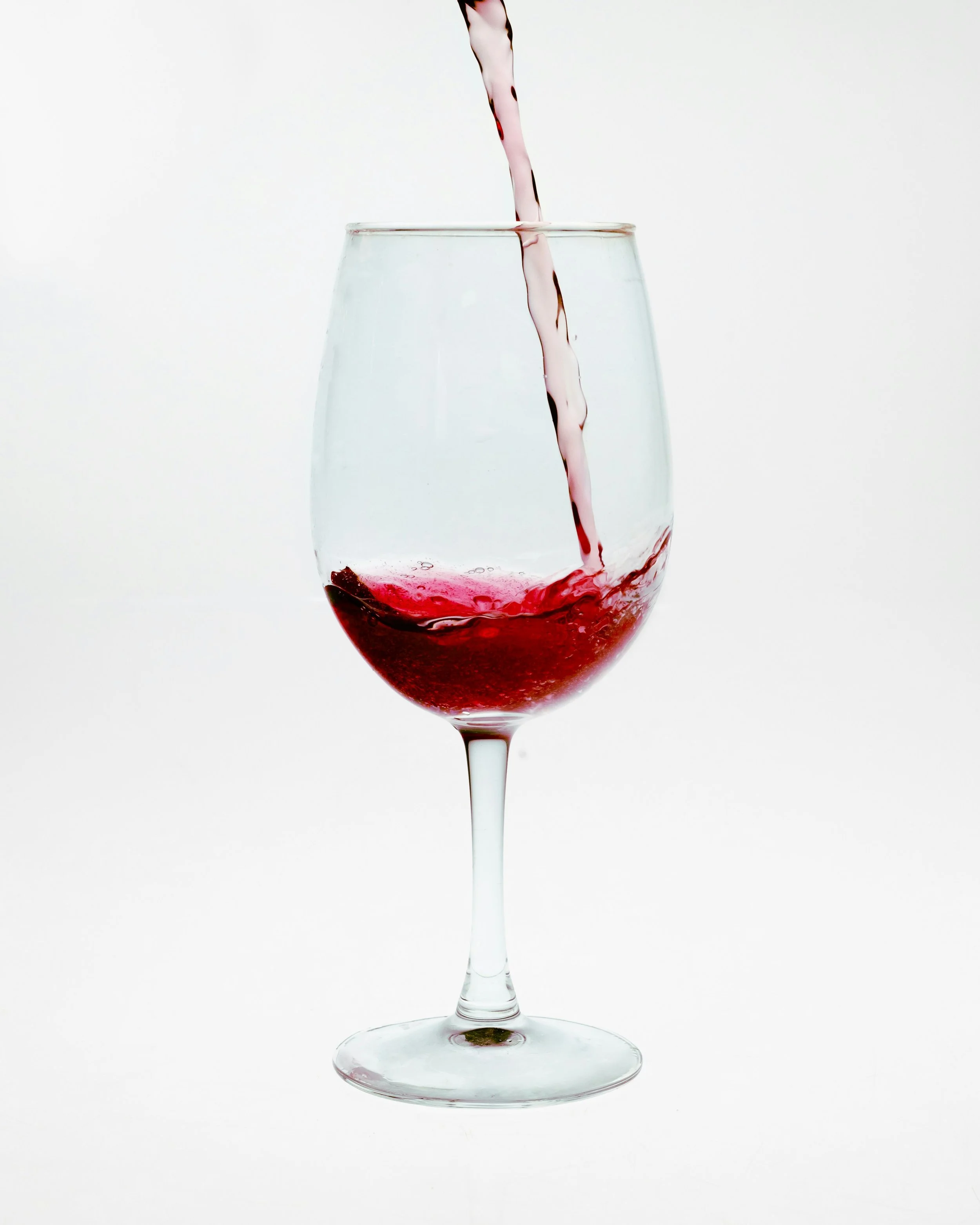
Reader Asks: Does Non Alcoholic Wine Spoil Faster?

Photo by Lily Combs on Unsplash

An EverWonderWine reader recently had a bad experience with a non-alcoholic wine. It thickened and smelled bad just a few days after opening. The question asked was “What makes a non-alcoholic wine go bad quicker than regular wine?

There are several factors that could have contributed to the non-alcoholic wine spoiling rapidly.

Here are some of the factors:

  • Alcohol acts as a natural preservative. Regular wine usually has 12–15% alcohol by volume (ABV), which helps prevent spoilage by inhibiting bacterial growth.

  • Non-alcoholic wine has little to no alcohol (often less than 0.5% ABV), so it lacks that natural protection, making it more vulnerable to spoilage.

  • Without any alcohol, oxidation and microbial growth occur more rapidly after opening a bottle.

  • Without alcohol to inhibit growth, bacteria or wild yeasts can thrive, especially in a warm environment.

  • These microbes can metabolize the residual sugar and other compounds in the wine, producing by-products that change the texture, making the wine thicker or syrupy.

While alcoholic wine (especially red wine) can often last 3–7 days once opened (depending on storage), non-alcoholic wine typically lasts 2–3 days in the fridge after opening when also using a wine-pump stopper to reduce oxygen exposure.

So, once you’ve opened that bottle of non-alcoholic wine, your best bet is to finish it off! After all, it’s non-alcoholic! Cheers!
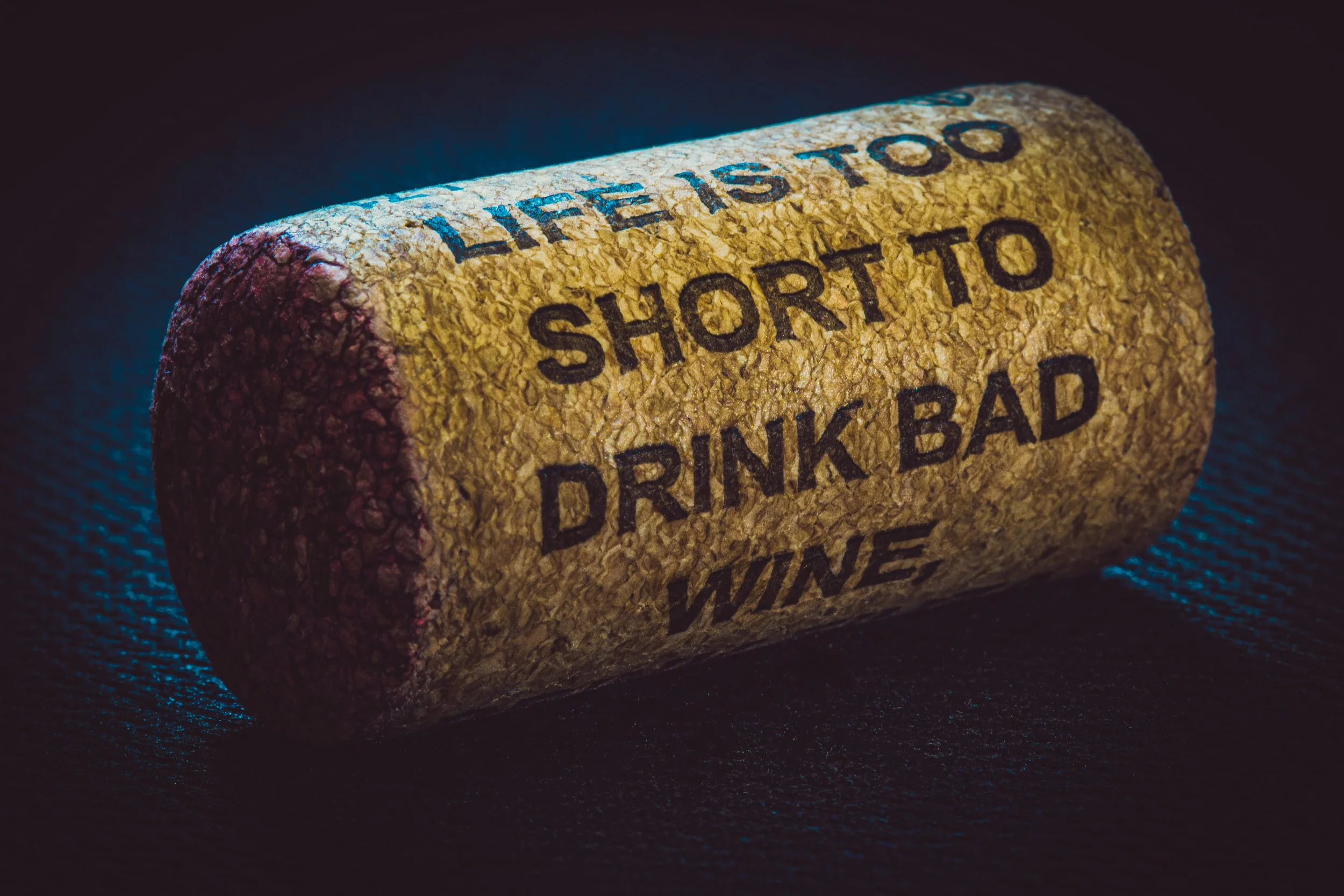
Reader Asks "Was I Supposed to Consume it Earlier?"

I recently received a message from a EverWonderWine reader regarding a bottle of white dessert wine that said “Just opened a 2011 bottle. Wine is dark red brown and tastes like molasses with a hint of vinegar. Bleh! What happened? I loved it at the tasting. Was I supposed to consume it earlier?

So first, the simple answer is “Yes,” the 2011 white dessert wine should have been consumed earlier. No white wine should look dark red-brown, taste like molasses and have a hint of vinegar.

But, the fact that the wine went bad is not necessarily because of the age. A 2011 bottle of wine, if properly sealed and stored could easily have lasted 14 years. The color may darken over time but it won’t become like molasses with hints of vinegar.

To me, it sounds like the bottle probably was not well sealed and/or it wasn’t stored properly. When a wine gets exposure to oxygen, through an improper seal (e.g., a leaky cork), it will oxidize. Just as a pealed banana or apple turns brown with time, so too will a white wine. The other likely culprit could be improper storage temperature and/or exposure to direct sunlight. Wines should always be stored in a cool and dark place if they are going to be held for any period of time. Room temperature is too warm for wine. Storage temperatures should be “cellar” temperatures which range from 46° - 60° F for white wines to 50° - 65° F for red wines. And, ensure that your wines are kept out of direct sun light, preferably in a dark closet, basement or wine refrigerator.

So, store your bottles on their side (keeps the cork from drying out), in a cool and darkened place and you are more likely to enjoy an aged wine. Cheers!

Proper Wine Storage -- It's Starts at the Store!

A lot of people are concerned with ensuring that they store their wine properly. And, that’s important. But to ensure you are getting a wine that’s at its best, you also need to take into consideration the store where you’re buying your wine.

Sure, there are potential storage issues between the winery and the store. Like the method of shipment and the time of year (e.g., getting too hot). But, how your local wine shop or store handles your wine is very important because it may sit on the shelf for a longer period of time.

While visiting the eastern U.S. last winter, I took a short snowy walk to a place where I’ve purchased wine before. While it was below freezing outside, the store was nice and warm. But, that caused me to pause. As I took off my layers to be comfortable while shopping, it struck me that it was probably in the high 70s F in the store, if not 80 degrees. While that’s a comfortable temperature for shoppers on a cold winter day, that’s not anywhere near an ideal temperature for a wine.

Maybe you’ve noticed that most grocery stores are kept quite cool. That’s intentional to help keep their merchandise as fresh as possible. And that’s especially true for wine. While most guidance for wine storage is in the 50s F, even a “cool” temperature in a store will be in the high 60s. While that’s fine for short amount of time, finding an older bottle of a nice wine that been sitting at nearly 80 degrees F for who knows how long, could be an issue.

So, just keep in mind that while you may have the ideal wine storage system at home, you also must ensure that the wine you’re putting into it has not been damaged while in the store.

Oh! And also consider where the wine is placed within the store. I’ve seen too many wine shelves in direct sunlight. That’s not good either!

Cheers!

The Factors that Make a Wine More Capable of Bottle Aging

We've now worked our way through how a wine gets its flavor - from the grape, the skins, seeds and stems, fermentation, barrel aging and last time we touched on bottle aging. There we learned that most wines are not meant for long-term bottle aging. But, what does make a bottle of wine age worthy?

It may seem obvious, but the color and the type of grape are very important. Red wines are best at bottle aging because of their natural tannin from the grape skin, seeds and stem as well as from barrel aging. This is most common in Cabernet Sauvignon, Merlot and Syrah.  White wines generally don't age well and should be consumed young.

The vintage, or the year the grapes were grown, can significantly affect a wine's ability to age well. The balance of tannin and acid in a particular year may lend the resulting wine to better aging prospects.

Where the wine is from can also affect its ability to age. There are key regions, such as Bordeaux France and Napa California that produce very age-worthy grapes.

And finally, storage conditions are also key. Wines must be stored in cool conditions (~58 degrees F) and away from light.  Even a great wine will quickly be damaged by heat and light.

Next time, we'll take a look at specific regions and wines for their age worthiness. You may be surprised by some of the guidelines. Until then, Cheers!


Are Older Wines Better?

It's commonly believed that older wine is better. And that can be true. But often, it's not.

If you've read some of my past blogs, you know that one of my favorite lines is that a wine cellar is not a wine hospital -- it doesn't make a bad wine better.

Today, most wine is meant to be enjoyed right away. When it's bottled, it's ready for consumption. Ageing doesn't make it better.

What you will find is that older wines do indeed change. On the positive side, tannins in red wines will mellow making the wine feel smoother in your mouth. But, on the down side, the big fruit flavors and aromas also fade. You'll begin to get different smells and tastes in older wines that you may not expect from a young wine. Especially if the wine is oxidized, you'll detect a distinct nutty flavor. Also, as red wines age, the red color changes from deep red to a much paler red and can even begin to take on orange colors.

A good rule of thumb is that most wines will begin to fade to the down side in as few as five years and after 10 years they'll generally have lost most of their character, if not out-right spoiled. And, remember, this aging must be done properly in a cool, dark place.

So, older wines can be better. But, you don't need to age wines to be able to drink great wines.

Next time we'll look at old wines and their appeal. Cheers!