Behind the Cork™ - Alta Vista Brut Rose

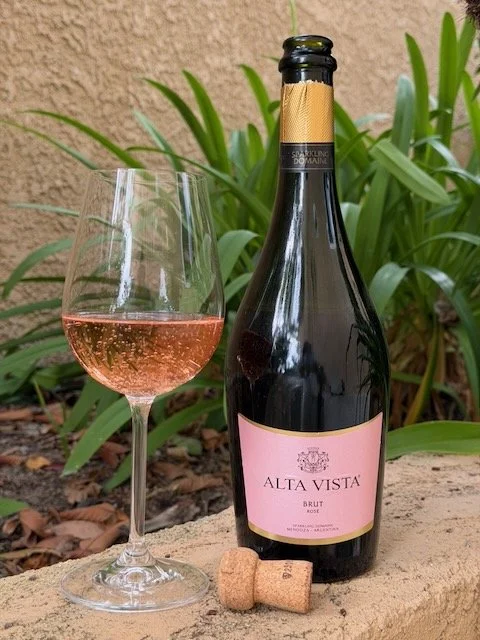
Alta Vista Brut Rosé ($18.99)

Alta Vista was founded by Count Patrick d’Aulan, heir of more than 250 years of winemaking tradition. With an enterprising spirit, he arrived in Argentina in the 1990s looking for the best regions of Los Andes.

The winery is located in Chacras de Coria, Mendoza. Having been built in 1890, it is a local heritage site of Mendoza.

Count Patrick d’Aulan and his family, former owners of Piper Heidsieck, one of the oldest Champagne Houses, developed the project and started the restoration.

This Alta Vista Brut Rosé is produced from Malbec (50%) & Pinot Noir (50%) that was sourced from the Albaneve estate vineyard. Using the Charmat method, the second fermentation took place in a pressurized tank.

This Brut Rosé is pale salmon in color with aromas of cherry, strawberry and floral notes. On the palate, this light-bodied wine has citrus notes, bright refreshing acidity and medium bubbles. While being on the sweeter end of the “Brut” range, the citrus and acidity combine to create agrapefruit-like finish with a combination of tartness and sweetness. [ABV: 12.8, TA: 7.6 g/L, pH:3.0, RS: 11 g/L]

This Alta Vista Brut Rosé is light and refreshing - a great sparkling wine that combines Alta Vista's French heritage with Argentina's unique terroir. That makes it a perfect fit as this week's Behind the Cork™ Wine of the Week. Cheers!


Disclosure of Wine Sample Submission: I received this sample at no cost for review. The opinions expressed are entirely my own.

Media Sample Provided by Alta Vista Wines via Kobrand Wine and Spirits
Sparkling Wines to Consider for the Holidays

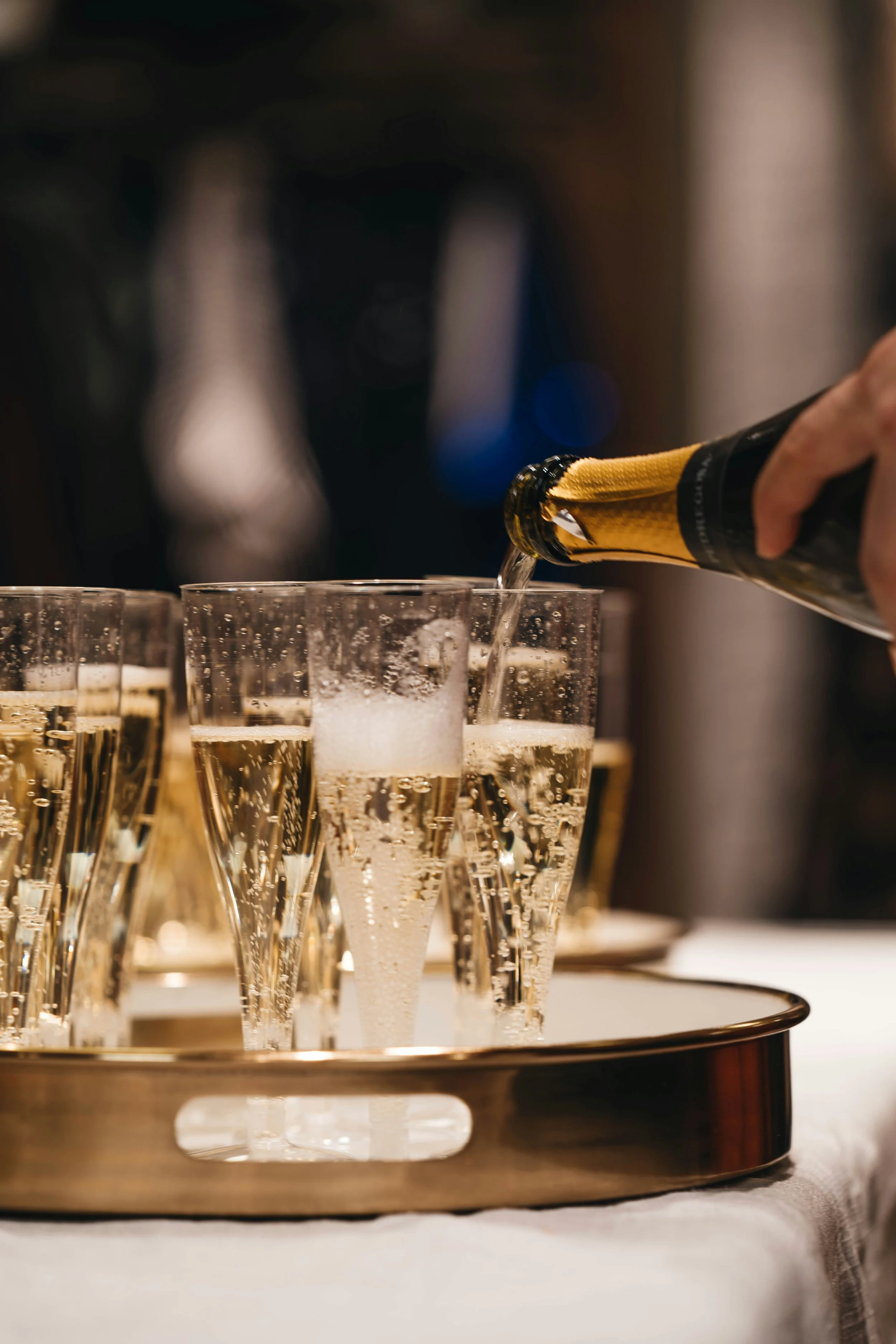
Sparkling wines really do shine during the holidays—both literally and figuratively. Here’s a few tips on the various types of sparkling wines to enjoying them to the fullest.

Champagne

Champagne is a sparkling wine that is produced in the relatively small region of Champagne in France. An entry level bottle of Champagne is going to start in the $50 range.

Some Champagne facts:

  • Champagne is typically produced from three grapes — Pinot Noir, Chardonnay and Pinot Meunier

  • To be called Champagne, it must be produced in the Champagne region of France. Otherwise, it must be called Sparkling Wine

  • Champagne is produced using a process called the méthode champenoise where the bubbles are formed in the bottle during a second fermentation.

U.S. Sparkling Wine

In the U.S., there are a tremendous number of makers of sparkling wine. Most will produce a wine that can taste very much like the French Champagne. And, you can also find rosé sparkling wines.  An entry level bottle of sparkling wine in the U.S. can be as little as $10. Read more

Prosecco and Asti

In Italy, Prosecco is their signature sparkling wine. Produced in the Veneto region just north of Venice, this sparkling wine usually produces bigger bubbles. Bottles of Prosecco can be purchased in the $10- $15 range. Read more

Cava

The sparkling wine of Spain is Cava that is produced in the Catalonia region of Spain where Barcelona is located.  Nice bottles of Cava can be purchased for around $15. Read more

Styles of Champagne and Sparkling Wine

Brut Nature - This style is bone dry meaning it has little or no sugar content (0–3 g/L sugar).

Extra Brut - This style is also very dry but, it can have up to twice the sugar level of Brut Nature (0–6 g/L sugar). This little bit of sweetness creates a wonderful balance with Champagne’s naturally high acidity.

Brut - This is the most common style. While considered “Dry” this style can have twice the sugar of Extra Brut (0–12 g/L sugar).

Extra Dry - This is the one that always confuses people. This style is sweeter which actually makes it also taste a bit fruity (12–17 g/L sugar).

Dry - The confusing continues. This style is getting up there in sweetness (17–32 g/L sugar).

Demi-Sec - Now you’re talking Sweet (32–50 g/L sugar). This style works well with desserts or cheeses.

Doux - This one, while very rare to find, is really sweet (50+ g/L sugar).

A few serving tips

  • Chill properly: About 40–45°F (4–7°C) is ideal

  • Use proper glassware: Tulip or white wine glasses preserve aroma better than narrow flutes

  • Open gently: Twist the bottle, not the cork, for a quiet, elegant release

No matter which type or style you choose, give sparkling wines a try this holiday season. Cheers!

Behind the Cork™ - Albert Bichot Crémant de Bourgogne Sparkling Wines

In 1831, Bernard Bichot founded a wine trading business in his name in Monthélie, France. His son, Hippolyte, succeeded him and bought the first grape vines in Volnay, France. His son, Albert Bichot, the first to bear the name, gave the family business new momentum in the late 19th century and settled in the centre of Beaune (the center of Burgundy wine production ) once and for all in 1912. The Albert Bichot winery indeed has deep roots in France.

The notation on the label of these two sparkling wines of “Crémant de Bourgogne” indicates the appellation for sparkling white and rosé wines of Burgundy in France.

Sparkling wines labeled “Crémant de Bourgogne” must be produced from a minimum of 30% of any combination of Chardonnay, Pinot Blanc, Pinot Gris and/or Pinot Noir with no more than 30% Gamay included in any wine, and made in the methode traditionelle.

Albert Bichot Brut Rosé ($31)

This Brut Rosé is produced from Pinot Noir (80%), Chardonnay and Gamay (less than 10%) that are vinified separately and aged for 9 months. It is then stored on lees for 12 months with a dosage of 10 gm/L.

This Brut Rosé is medium salmon in color with delicate aromas of red fruit and citrus. It is very delicate on the palate with light strawberry and candied-cherry flavors, balanced acidity and a light finish.

Albert Bichot Brut Réserve ($31)

This Brut Réserve is produced from Chardonnay, Pinot Noir, Gamay and Aligote. Each varietal is vinified separately and aged for 9 months. It is then stored on lees for at least 12 months with a dosage of 7-8 gm/L. This sparkling Brut is pale copper in color with aromas of peach and citrus. On the palate it has delicate fresh fruit flavors, balanced acidity and a light finish.

These two Brut sparkling wines from Albert Bichot are perfect for celebrating the holidays, or any time! They are a great fit as this week’s Behind the Cork Wines of the Week. Cheers!


Disclosure of Wine Sample Submission: I received these samples at no cost for review. The opinions expressed are entirely my own.

Media Samples Provided by Albert Bichot Winery via IT Public Relations

Behind the Cork™ - Vilarnau Brut Reserva & Brut Reserva Rosé Cava

IMG_1944.jpeg

Vilarnau Brut Reserva & Brut Reserva Rosé Cava ($14.99 each)

Cava is the sparkling wine of Spain and perfect for the holidays!

The Vilarnau Brut Reserva is made from the three base wines used to make Cava - Macabeo, Xarel-lo and Parellada. These wines are always made separately. The first fermentation takes place over 30 days followed by the blending. It then undergoes its second fermentation in the bottle.

The vilarnau Brut Reserva Rosé is made from Garnacha and Pinot Noir. These are also fermented separately, blended and undergo a second fermentation in the bottle.

Both of these delicious Cavas should be well chilled and go with most any foods. Cheers!


Disclosure of Wine Sample Submission: I received this wine at no cost for review. The opinions expressed are entirely my own.

Sample Provided by Rebekah Polster, Donna White Communications