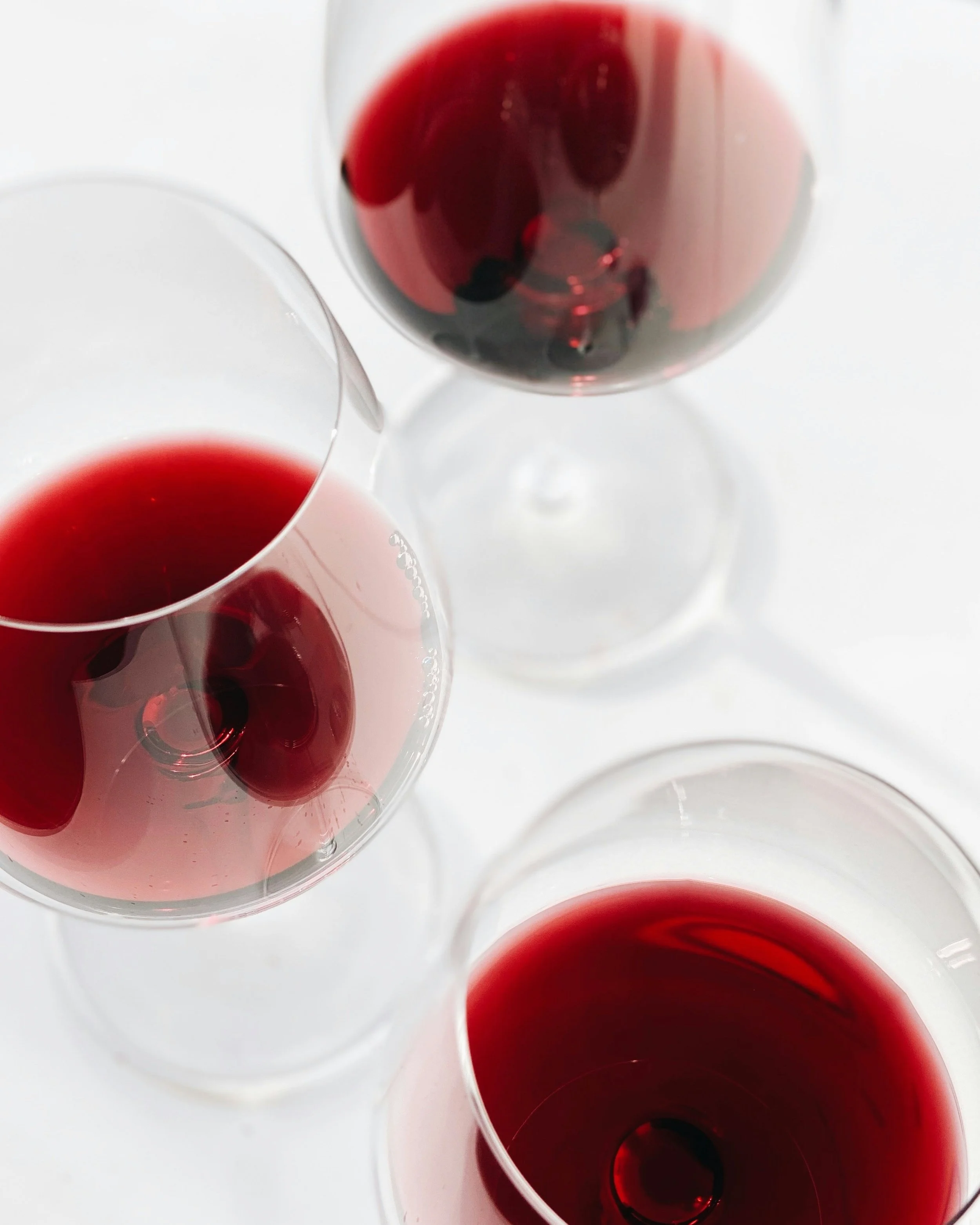
A Beginner's Guide to Wine Flavors -- Red Wines

Last time we looked at the common flavors of white wines.

So, now, here are descriptions of what common red wines tend to taste like. These are the broad, recognizable flavor profiles you can expect:

Red Wines

Cabernet Sauvignon

Bold, full-bodied, and structured. Flavors include blackcurrant, blackberry, cedar, and baking spices, often with bold tannins.

Merlot

Softer and smoother than Cabernet Sauvignon. Flavors include plum, cherry, chocolate, and sometimes vanilla from the oak aging.

Pinot Noir

This wine is light-bodied and elegant. It includes notes of cherry, cranberry, strawberry, raspberry, and sometimes subtle earthy notes like mushrooms or forest floor.

Syrah / Shiraz

Rich and spicy. Syrah tends to show blackberry, black pepper, violet, and sometimes smoky notes. Shiraz (Australia) leans riper and jammy.

Tempranillo

Spain’s flagship grape is a mix of cherry, plum, herbs, and sometimes tobacco or leather, especially in aged versions.

Malbec

Juicy and smooth. Typically dark berry flavors, with hints of cocoa, plum, and black cherry.

Sangiovese

This is the grape in used to make Chianti. It’s bright with flavors of red cherry, tomato, herbs, and a lively acidity.

Grenache (Garnacha)

Light, juicy, and fruity. Flavors include strawberry, raspberry, white pepper, sometimes with a hint of cinnamon.

Zinfandel (Primitivo)

Bold and spicy. Lots of blackberry, plum, jammy fruit, and signature black pepper notes.

Cabernet Franc

A bit lighter than Cabernet Sauvignon, with red fruit, herbs, bell pepper, and soft, gentle tannins.
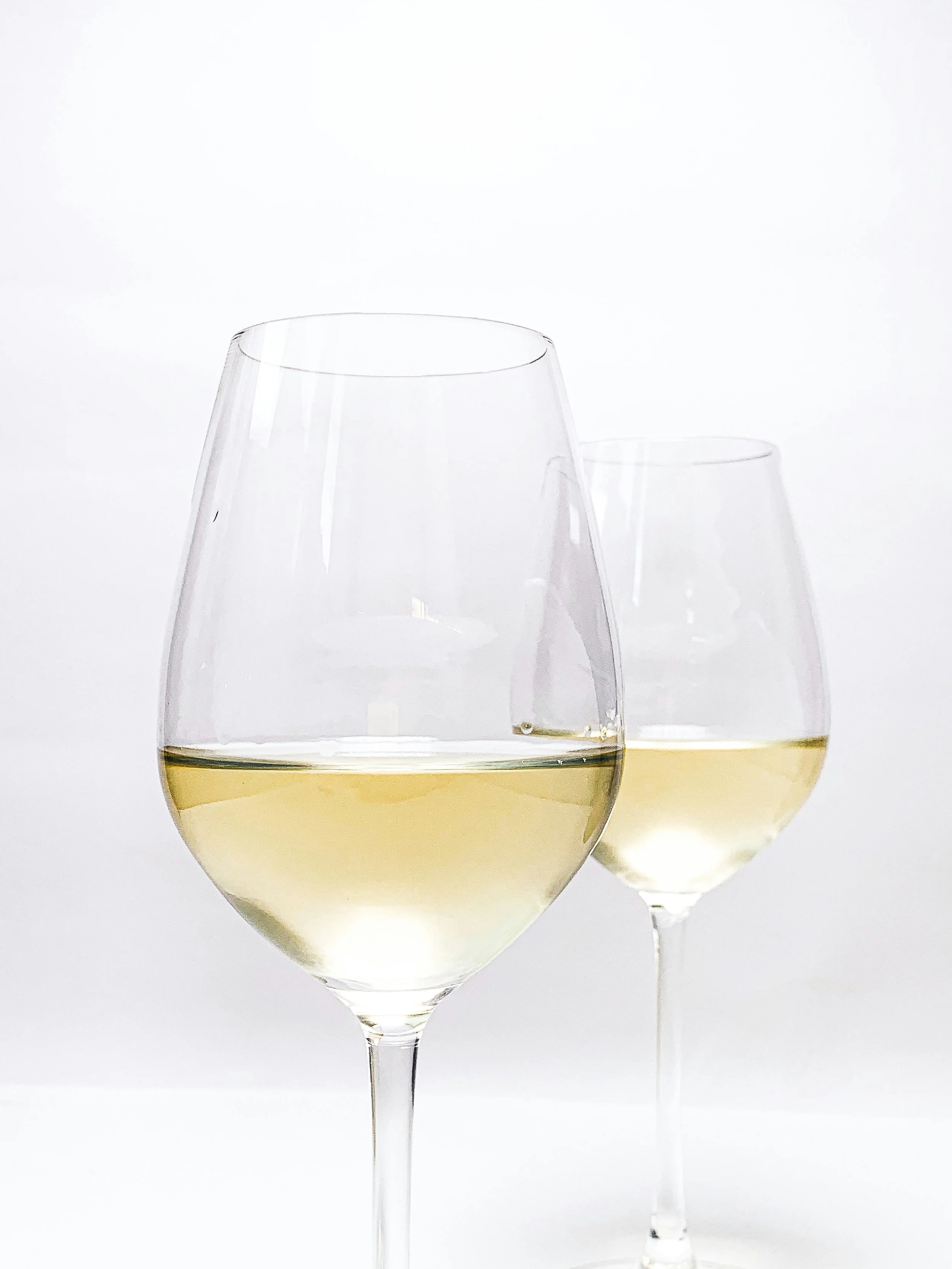
A Beginner's Guide to Wine Flavors -- White Wines

One of the most common questions I get it is “Tell me what some good wines are?” While that’s a simple question, it’s also quite difficult to answer because not only is everyone’s palate different, but your palate for wines will evolve as you explore them.

So, here are descriptions of what common white wines tend to taste like. These are the broad, recognizable flavor profiles you may expect as you taste them:

White Wines

Chardonnay

The Chardonnay grape has been described as being a bit “Chameleon-like.” Unoaked Chardonnay tastes like apple, pear, citrus while oaked styles have vanilla, butter, toast, and a richer, smoother mouth-feel.

Sauvignon Blanc

These wines are typically crisp, zesty, and refreshing due to their higher acidity. Flavors include lime, green apple, passionfruit, and often herbaceous or grassy notes.

Pinot Grigio / Pinot Gris (Same grape; different names)

These wines are light and clean with flavors of pear, apple, lemon, and a refreshing, straightforward finish.

Riesling

Riesling wines are very aromatic and expressive. Flavors include peach, apricot, lime, and sometimes floral or mineral notes. Riesling can be dry (no residual sugar) or sweet.

Moscato / Muscat (Same grape; different names)

These wines tend to be sweet, aromatic, and low in alcohol. Flavors include peach, orange blossom, honeysuckle, and a grapey-flavor that’s hard to miss.

Chenin Blanc

This wine can taste like apple, pear, quince, or honey and apricot in sweeter styles. It’s usually bright and lively due to its higher acidity.

Gewürztraminer (Guh-VERTS-tra-mee-ner)

This wine is highly aromatic. Think lychee, rose petal, ginger, along with a touch of sweetness. Very floral and exotic.

So, there’s a quick look at white wines. Remember, these are the broad, recognizable flavor profiles you are likely to find. But, as you continue through your wine journey, you’ll also be able to pick out many more.

Next time we’ll take a look at red wines. Until then, cheers!

Wine Words: What is Complexity?

I was recently enjoying a good glass of red wine and commented that it had good complexity. I was then asked “What is complexity in a wine?

While there is no standard definition and it can be subjective, here’s a brief description and some key characteristics of a “complex” wine:

Complex wines typically have multiple layers of flavors, aromas, and textures that evolve as you taste it. They aren’t just one-dimensional or simple. They may start with rich fruity notes, but as you sip, a complex wine can also show earthy, spicy, or floral notes. A complex wine can continue changing and offering new things, often making it more interesting the longer you sip it.

Key Characteristics of a “Complex” wine:

  • Big or full flavors, aromas and mouth-feel textures

  • Various flavors and sensations; multi-layered

  • Combinations of flavors including fruit, spices, flower notes, earthiness or herbs

  • Rich flavors

  • Good balance of alcohol, acidity, tannin and residual sugar - nothing sticks out

  • A long finish of flavor

  • Often exhibit the quality and craftsmanship of the winemaker’s ability to ferment and age a wine

  • The grapes are from specific well-regarded wine regions (e.g., Bordeaux, Napa)

So to sum it up, “complexity” can mean different things to different people, but complex wines typically exhibit multiple flavors as well as flavor diversity. Cheers!

How Do You Like Your Chardonnay - Bright and Crisp or Soft and Buttery? Part 2

Last time we looked at Chardonnay which is one of the most widely planted varieties. Although it is probably best known as the white grape of Burgundy and a major grape of Champagne. Chardonnay is a versatile grape, and its style can vary widely depending on where it’s grown and how it’s made.

Basically, Chardonnay produces wines of a light golden hue, with notes of citrus, green apple, with floral aromas. On the palate, Chardonnay has moderate acidity and moderate alcohol with a medium body. But beyond that, it’s said that Chardonnay is a bit of a chameleon — it reflects its winemaking process more than almost any other grape.

So, now let’s take a look at the soft and buttery style of Chardonnay.

The soft and buttery Chardonnay wines are the result of specific winemaking techniques that give the wine a rich, smooth texture and a creamier mouthfeel.

Here are some key factors that contribute to this style of Chardonnay:

1. Malolactic Conversion

  • This is the main reason for the buttery taste. In Malolactic Conversion, the harsh malic acid (the tart, green apple-like acid) is converted into softer lactic acid (found in milk and dairy products), which creates a smoother, creamier texture.

2. Oak Aging

  • Many Chardonnays are aged in oak barrels, which impart flavors like vanilla, toast, and butter. Oak aging also helps soften the wine’s structure, adding complexity and a smooth, creamy mouthfeel. When a Chardonnay undergoes both Malolactic Conversion and oak aging, it typically enhances those butter-like characteristics.

3. Lees Contact

  • “Lees” refers to the dead yeast cells left over after fermentation. Some Chardonnays are aged on the lees (sur lie), which can contribute to a fuller, creamier texture and develop subtle nutty or bread-like flavors. This can also increase the perception of softness in the wine.