It's Not the Grape that Makes the Wine - It's How the Grape is Transformed

There are lots of wines being produced. Just look at the wine aisle at your local grocery story or wine shop. And then, look at how many different Chardonnay wines are offered. And how many Cabernet Sauvignons there are. And so on.

But, these wines are all different. Some Chardonnay’s are subtly different and others are hugely different. Same goes for the Cabernet Sauvignons. So, why are the Chardonnay’s different and why are the Cabernet Sauvignon’s different. It’s not always the grape, but instead how the wine maker uses the grape.

Here are just some of the factors that wine makers use that affect the final taste of the wine:

  • Whether the grapes were removed from the stems for fermentation or fermented as whole clusters

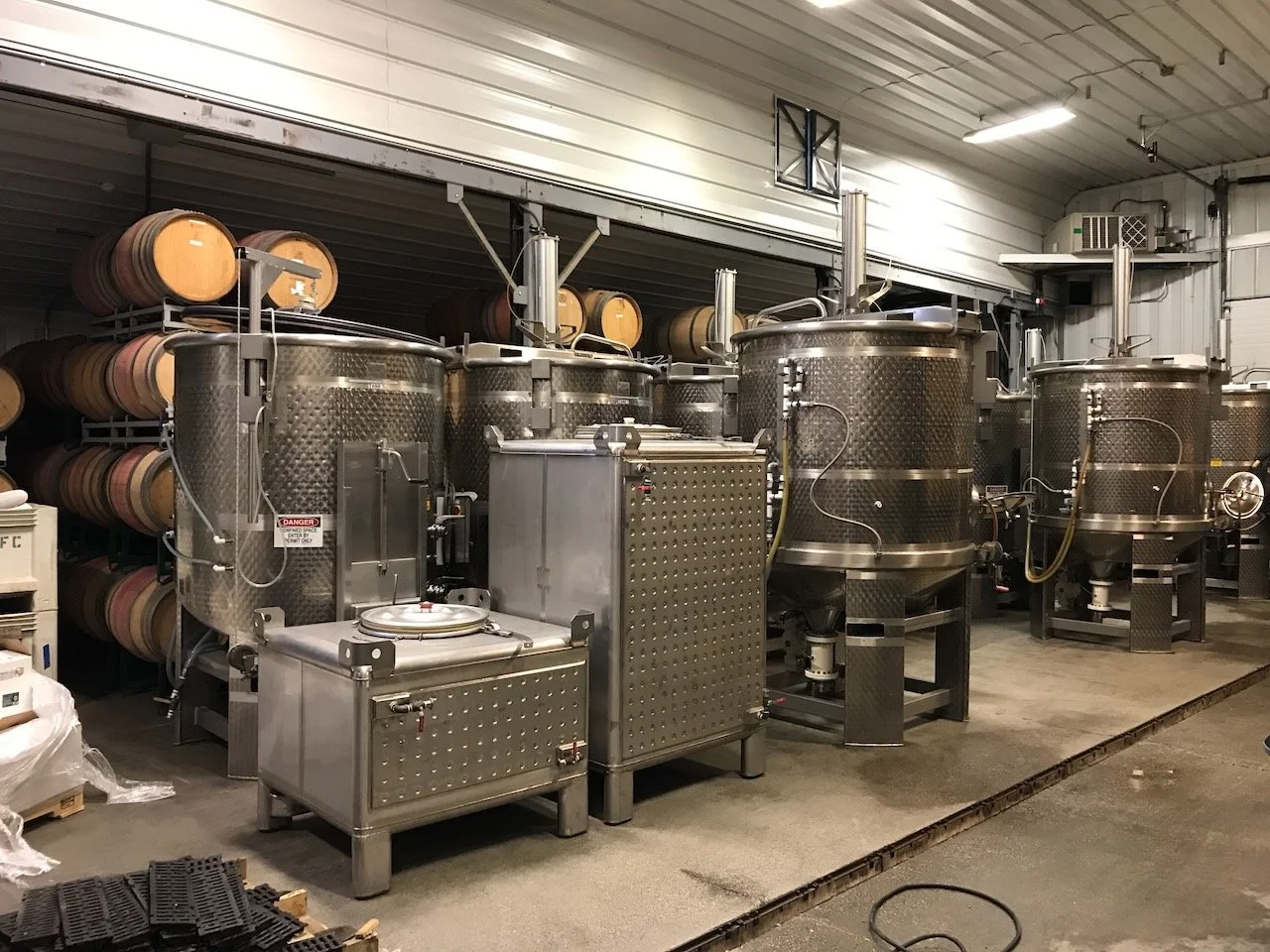
  • The fermentation vessel used - stainless steel tanks or oak barrels

  • The length of time the grapes soak (aka macerate) in their own juice

  • The length of the fermentation process and the temperature of fermentation

  • Whether the fermented wine undergoes Malolactic Conversion or not

  • How long the wine stays in contact with the dead yeast cells (aka resting on lees)

  • How long the wine is aged

  • The vessel used for aging (stainless steel versus oak)

  • The type of oak used in aging (French oak, American oak, Hungarian oak)

  • The filtering or ‘fining’ process used

  • The amount of time the wine spends in the bottle before being shipped for sale

Again, this is just an abbreviated list of variables in the wine making process. But it certainly illustrates the reasons that no two makers of a varietal wine end up with the same result. Cheers!

The Art of Wine Making: Having a Trained Nose and Palate to Evaluate the Wine

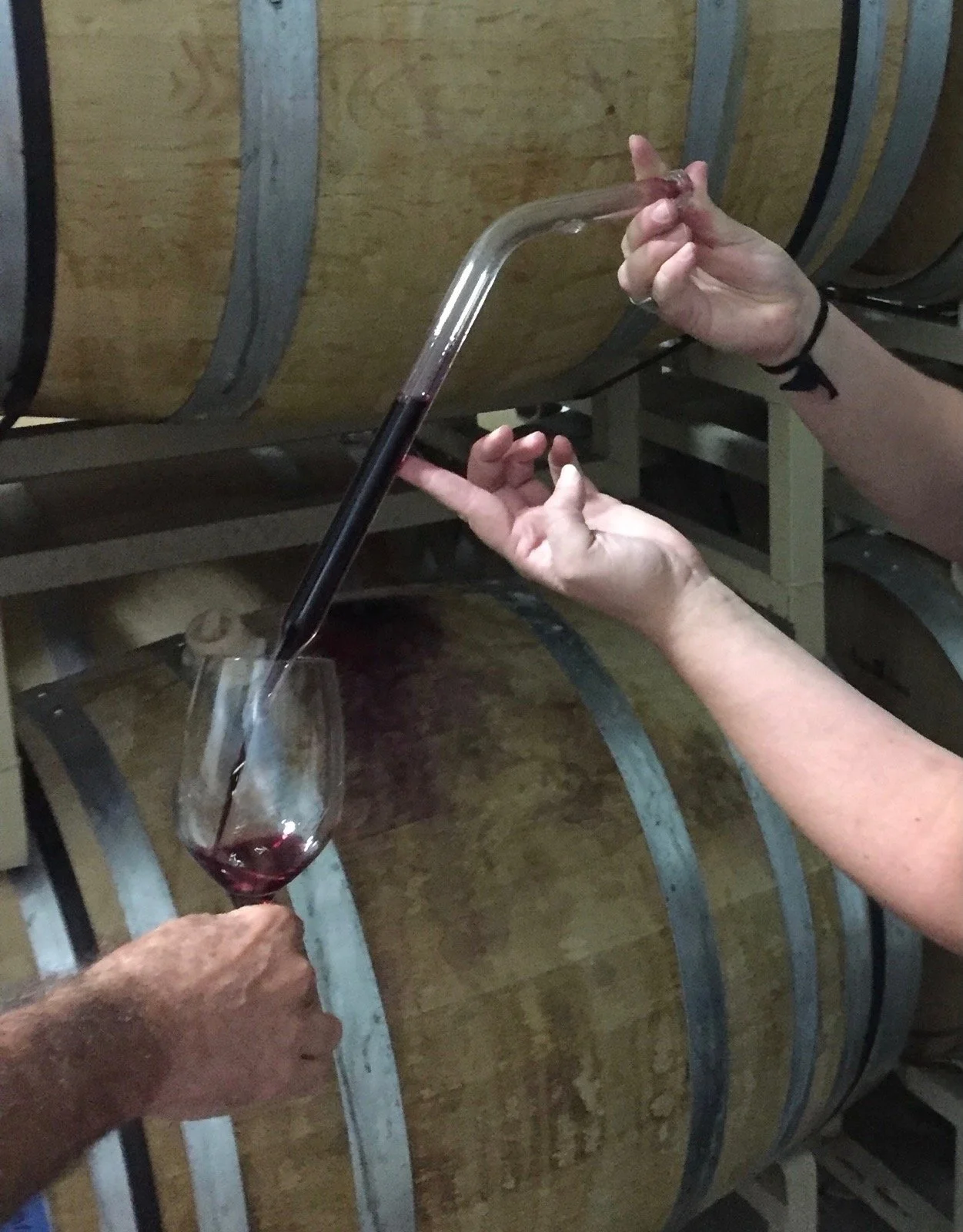
A wine maker using a Wine Thief to remove wine from a barrel for tasting

Winemakers rely heavily on their senses of smell and taste to evaluate the evolution of their wine from the grapes in the vineyard to the final product that goes in the bottle. While part of this process is science, a significant part is an art that wine makers develop over years of training and experience.

This training and experience are used throughout the wine making process. While there is science (i.e., chemistry) involved, the wine makers use their senses throughout the process:

  • In the vineyard, they can measure the grape’s sugar and acid levels, but a trained wine maker will also inspect the grapes, break them open, taste the juice, taste the seeds and evaluate the tannin

  • During fermentation, a wine maker will be constantly tasting the wine as the grape’s natural sugars convert to alcohol

  • Once the fermentation is complete, the wine maker is again smelling and tasting the wine as it ages

  • If the wine is being aged in oak, the wine maker will be evaluating how the flavors of the oak are integrating with the wine

  • Following aging, many wine makers will blend their wines in order to achieve the final aromas and tastes desired

  • Just prior to bottling, the wine maker will ensure the wine is properly filtered (or not) and ensure that the bottles and bottling process are clean and ready to go

I have always loved the words of a wine maker that I met early in my wine adventures who said that “Making wine is easy. Making good wine is hard.” It is the artistic side of wine makers that make the difference between an ordinary bottle of wine and an outstanding bottle of wine. Cheers!

The Art of Wine Making: Determining How Long to Age the Wine

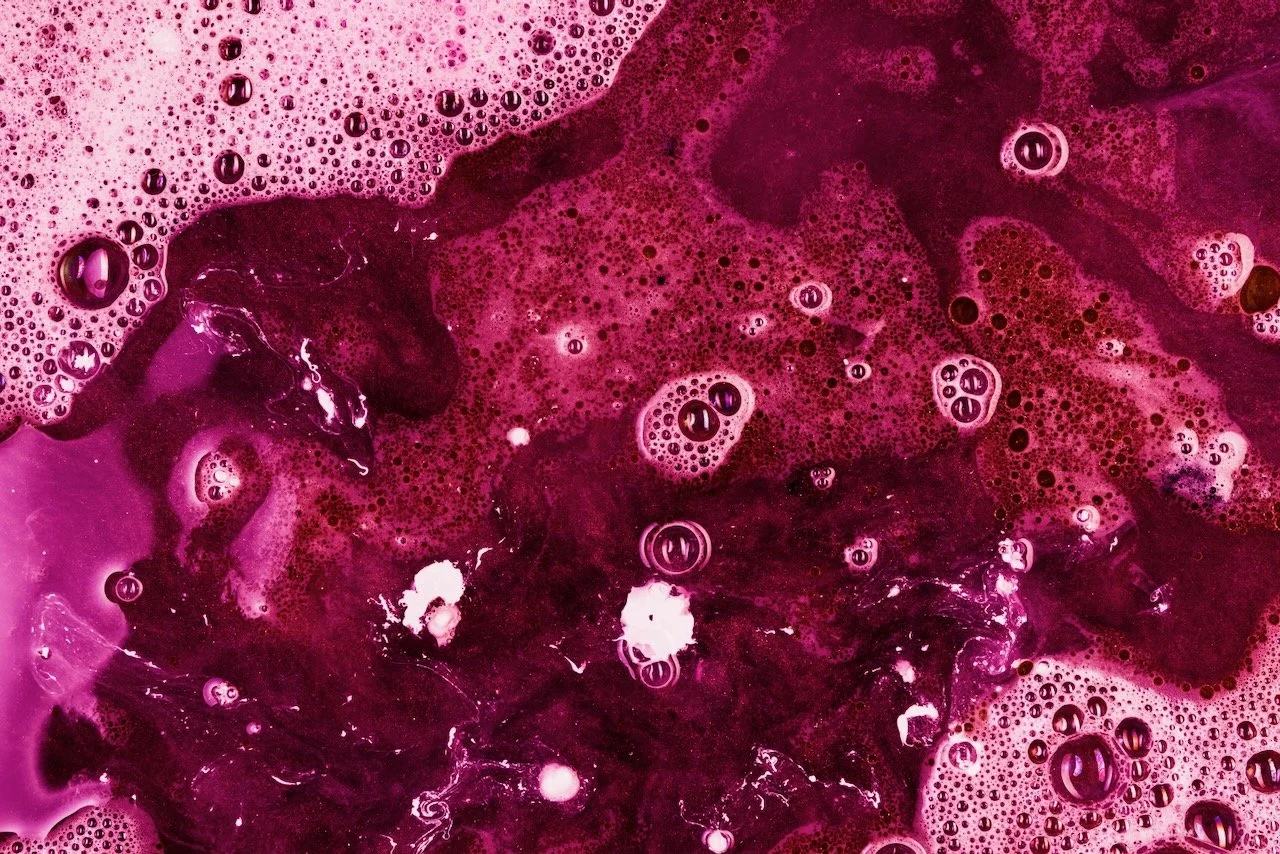
Photo by Liv Kao on Unsplash

Aging of a wine before bottling is a balance between the wine’s inherent qualities and the winemaker's goals.

The decision often involves experimentation, understanding the vineyard, and following the wine’s natural development over time.

Here are some of the considerations that a wine maker may use when deciding how long to age a wine before they bottle it for sale:

  • Grape Variety - Red grapes have more structure and tannin that allow for greater aging

  • Acidity - Higher acidity wines are better suited for aging

  • Alcohol Content - Higher alcohol wines generally age better

  • Tannin - Tannin levels allow a wine to age better and the levels will reduce with aging

  • Sugar - Higher residual sugar (RS) level allow a wine to age better

  • Phenolic Compounds - Wines with a higher concentration of phenolics can age better

  • Oak Barrels - New barrels impart significant flavor while used barrels impart little flavor

  • Vintage Characteristics - Different vintages can age better than others

But, probably the most important factor used in making the wine-aging decision is the wine maker’s intended style. Wine aging is a balance of science and art, and the winemaker's vision for the final product plays a significant role in determining how long a wine will be aged before it’s released for consumption.

Some winemakers strive for wines with complexity and depth, which often requires extended aging. With time, a red wine will develop secondary and tertiary flavors—things like earthiness, leather, tobacco, and dried fruits—along with more rounded, integrated flavors.

But, if a winemaker is aiming for a fresher, fruitier style of red wine they may not age the wine as long, instead focusing on preserving the bright, youthful flavors of the grape. These wines are often released young to emphasize their freshness and fruit-forward style.

The bottom line is that wine makers balance many factors in determining the optimal aging time for each wine. They use their experience and talent to influence how a wine will develop over time. Ultimately, the goal is to allow the wine to reach a point where the components are in harmony and meets or exceeds the expectations of the wine maker. Truly an art! Cheers!