

Picpoul 🥂
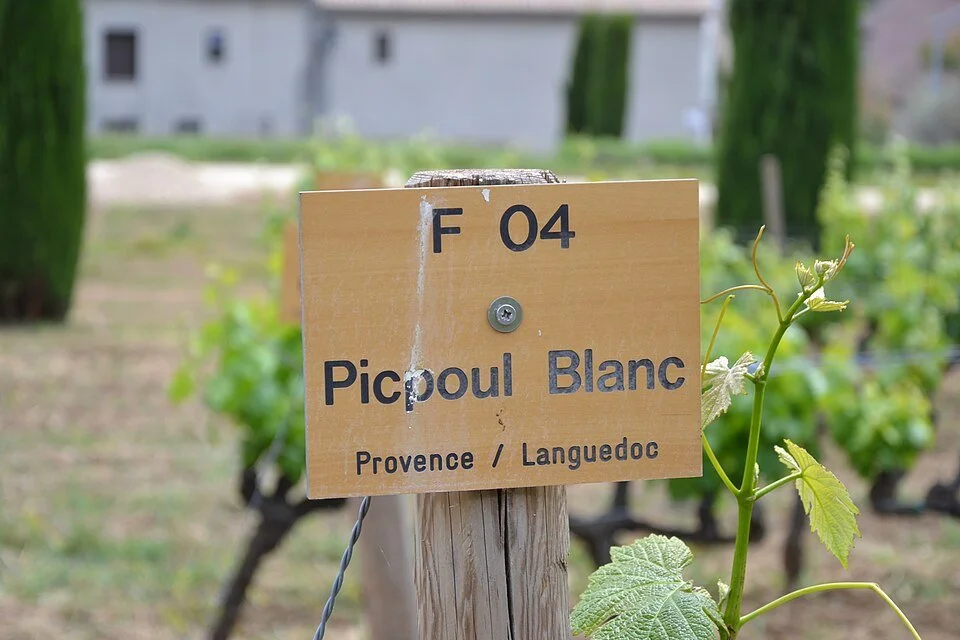
Photo by Marianne Casamance on Wikimedia Commons
The ancient Picpoul wine grape originates in France's Languedoc region, with records dating back to the 1300s.
Its name translates to "lip-stinger" in the traditional Occitan language, referencing the grape's exceptionally sharp, high natural acidity.
Today, its home remains the coastal Picpoul de Pinet appellation in France. Winemakers also use it as a minor blending component in Châteauneuf-du-Pape, while New World producers grow small amounts in Paso Robles, California, Texas, and Australia's McLaren Vale.
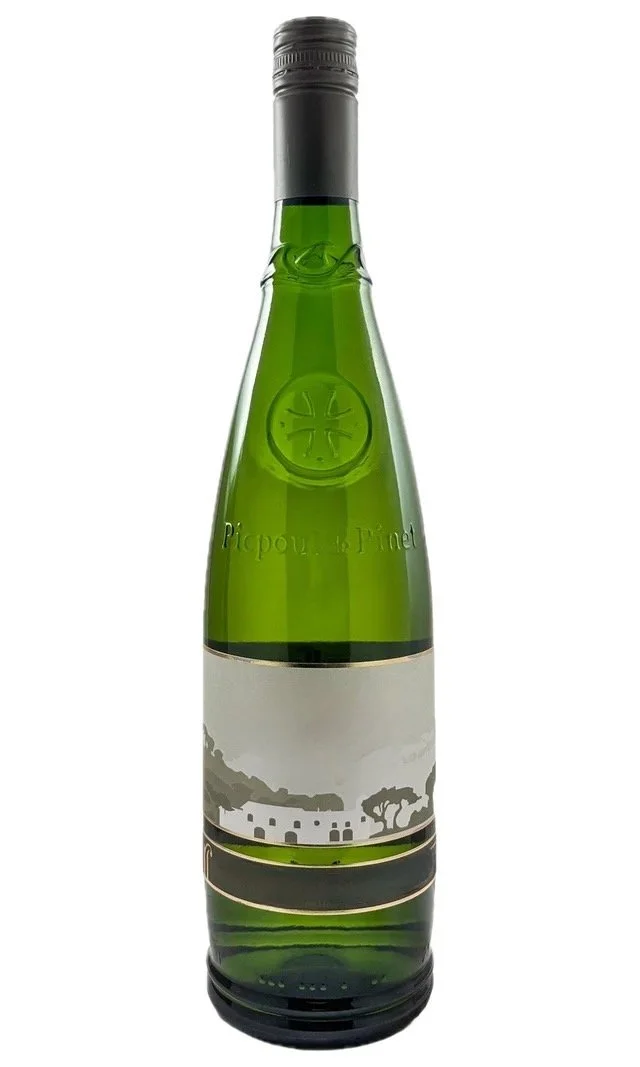
Picpoul “Neptune” Bottle
Authentic French bottles are easily recognized by the proprietary green "Neptune" bottle, which features a raised wave pattern near the neck. This maritime design mirrors its reputation as the ultimate "oyster wine," perfectly cutting through raw shellfish.
In the glass, this bone-dry, light-bodied white wine delivers an intensely clean profile. The nose offers crisp aromas of green apple, citrus peel, and sea spray. On the palate, it bursts with tart lime, grapefruit, and a distinct, salty minerality.
To preserve this mouthwatering crispness, serve Picpoul ice-cold between 40°F and 45°F (4°C to 7°C). Drink the wine young, ideally within one to two years of harvest. It lacks the structure for cellaring, and aging causes its vibrant acidity to fade.