
How to Tell if Your Wine is Oxidized


I recently opened a bottle of rosé on a warm evening, looking forward to a cool, crisp and refreshing glass of wine.

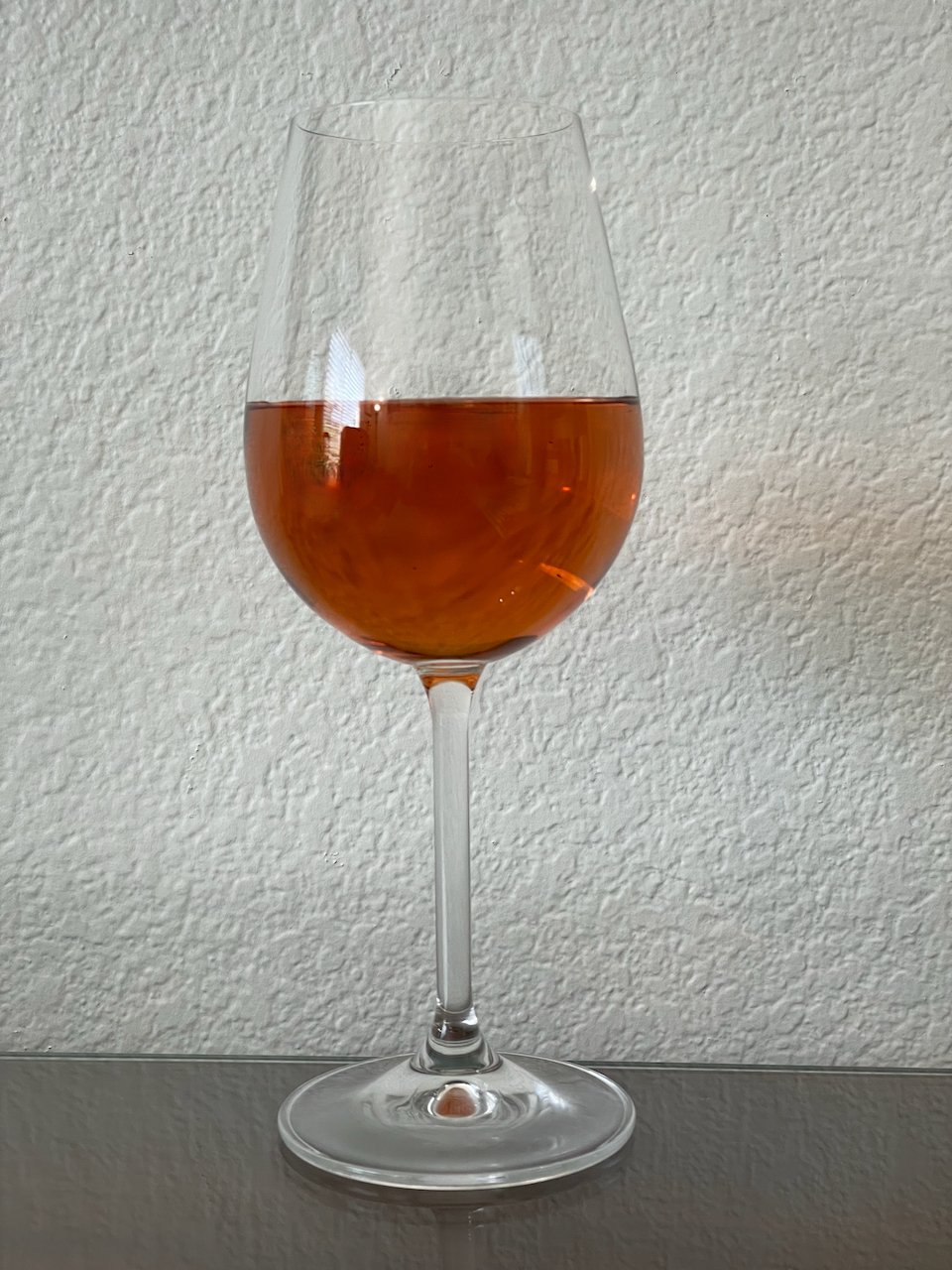
When I poured myself a glass, I quickly noted that instead of the beautiful pink color that I was expecting, I got an brownish-orange glass of wine.

That was my first clue.

I then lifted the glass and got a whiff of a nutty aroma. One more like a sherry or a port.

That was my second clue.

I went ahead a took a sip. Instead of bright fruit flavors of strawberry and citrus, it was indeed nutty in flavor.

I’d gotten my final clue.

This wine had gone bad. The color, aroma and taste were dead giveaways of an oxidized wine.

Much like an apple or a banana will turn brown if exposed to air, so too will a wine. In this case, the brownish-pink combination resulted in orange.

Is an oxidized wine drinkable? Well, yes. It won’t hurt you or make you sick. And, if you are a sherry lover, you’ll probably like an oxidized wine. But you won’t get to enjoy the bright, crisp fresh fruit flavors that a rosé, a white wine or even a red wine, should have.

Oxidation is just one of several wine faults that can occur in a ‘sealed’ wine. But, once you’ve experienced an oxidized wine you’ll know exactly what clues to look for in the future.

Cheers!

Ever Wonder? What is Corked Wine?

In the wine world, there is such a thing as “Corked” wine. And, no, it doesn’t mean that the cork has been removed from a bottle of wine. Pulling the cork is usually a good thing. But, a “Corked” wine is actually a bad thing.

You may have had “Corked” wine and not even noticed. But, usually it’s quite apparent. That is, if you know what you’re looking for.

“Corked” wine refers to a wine that has been contaminated with ‘cork taint.’ This can happen if the wine is bottled with an infected cork. This infection occurs when natural cork fungi come in contact with certain chlorides found in bleaches and other cleaning products. This combination forms Trichloroanisole (TCA) which is what is responsible for ‘cork taint.’

This cork ‘infection’ can have two very different effects on a wine. The one that is easiest to detect is an odor that’s been compared to the smell of wet cardboard, wet newspaper, a damp basement or even a wet dog! The other less detectable effect is that the wine will seem to lack aromas and have little or no taste. This seems to be from the fact that TCA has a way interfering with your sense of smell.

So, if you pull the cork on a wine and get a musty aroma, or if you are very familiar with a wine, and this bottle just doesn’t seem anything like it should, you’re likely dealing with a “Corked” wine. Now, there’s actually no harm in consuming a “Corked” wine. But, the musty aroma or the complete lack of aroma may strongly affect your enjoyment of the wine. The literature suggests that as much as 3% of wines that are sealed with a cork will be “Corked.” So, always remember to practice the 5 S’s of wine, with one of those being ‘Smell.’ And, here’s to drinking un-tainted wine! Cheers!

Ever Wonder? Can Wine Turn to Vinegar?

It’s a common phrase used when wine goes bad — “It’s turned to vinegar.” But, has the wine magically transformed itself from something that’s enjoyable to drink to something that can be mixed with olive oil and poured over a salad?

The answer is technically yes, it can. But not really. Vinegar can be made from wine - Red wine vinegar is one example of this. Red wine vinegar does start with red wine, but a vinegar “mother” is added to the wine to create vinegar. This “mother” is a gelatinous disc that looks like jiggly raw liver. It's composed of cellulose and acetic acid bacteria that turns alcohol into acetic acid with help from oxygen and time. A good wine vinegar will age for 10-15 years.

So, what happens when a bottle of wine “turns to vinegar?” Without getting into all the technical details, the wine has simply gotten 'infected' with bacteria. This bacteria occurs naturally in the air and on fruit. This leads to acetic acid building up in the wine in combination with too much exposure to oxygen. When this happens, you’ll immediately notice that your wine will take on a sharp vinegar smell that’s also been described as being like nail polish remover.

While wine vinegar is a real thing, your bottle of wine doesn’t actually turn to vinegar that you’d want to consume. So, if you do open a bottle of wine that smells like vinegar, send it back, return it or, dump it down the drain. And, the best way to keep a bottle of wine from going bad before you open it is to ensure it is well sealed (no leakage through the cork), kept cool and out of direct sunlight. Once opened, a bottle of wine should be stored properly by removing air from the bottle with a vacuum-sealed stopper, stored in a cool place and consumed within a couple of days. Cheers!