
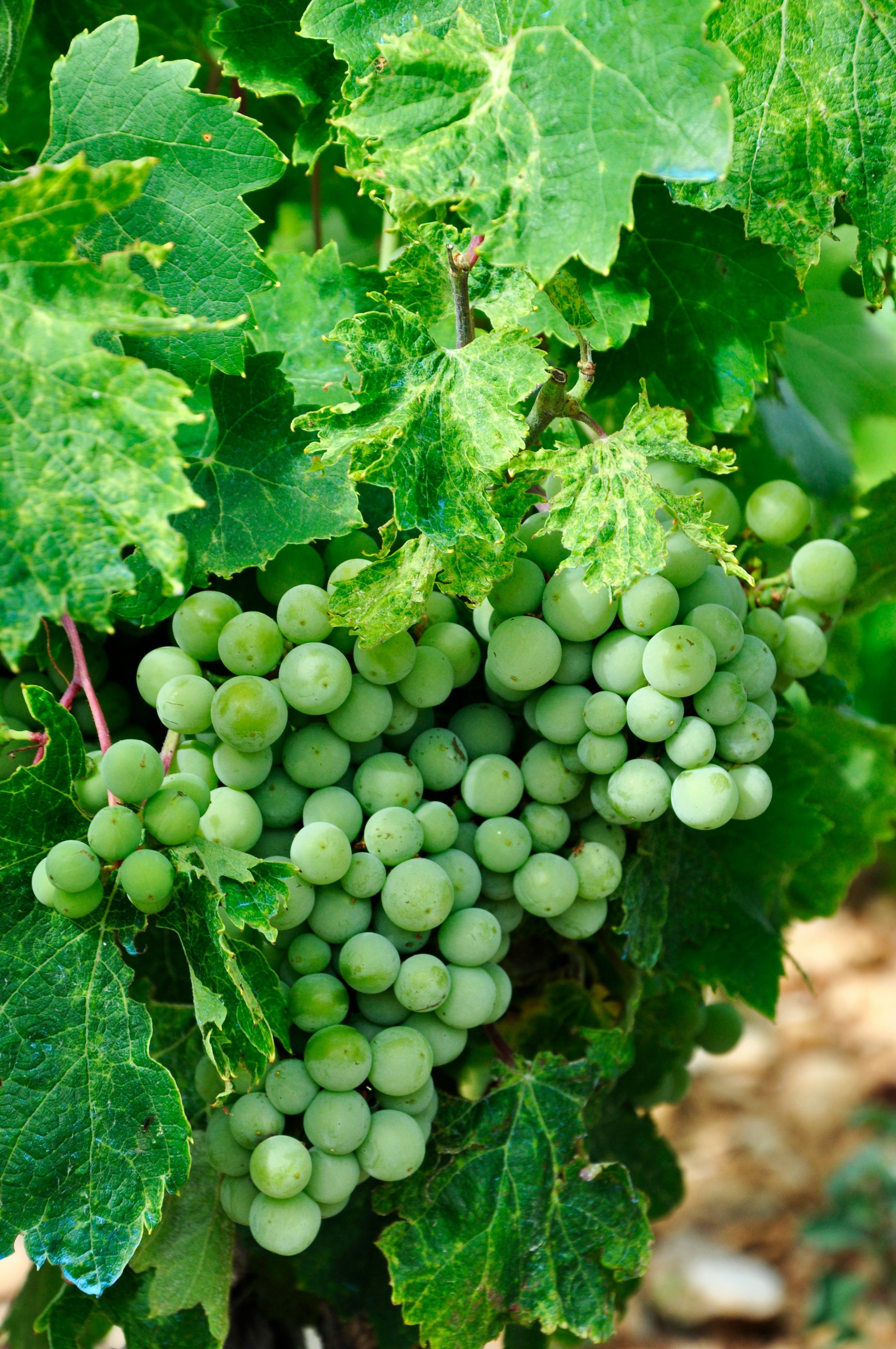
Ever Wonder About Organic Grapes or Organic Wines?

Photo by Alex Block on Unsplash

When it comes to wines, there are two major categories of organics: ‘Wines made with Organic Grapes’ and ‘Organic Wine.’

Here’s a quick overview of each.

Wines Made with Organic Grapes

Wines made from organically grown grapes are much more common. This means there were no synthetic pesticides or herbicides used in the vineyard. Yeast and any other agricultural ingredients used in winemaking aren’t required to be organic, but have to be produced without excluded methods (like genetic engineering). Organic grape production prohibits the use of genetically modified organisms. This means that organic grapevines are not genetically engineered or modified in any way.

So, wines made from organic grapes are produced with a focus on environmental sustainability, soil health, and biodiversity, while avoiding synthetic chemicals and genetically modified organisms. This is not only better for the environment but also contributes to the production of wines that reflect the unique characteristics of their winery’s terroir.

Organic Wines

For a wine to be labeled as ‘Organic’ it must only use organically grown grapes and avoid synthetic additives. Both the growing of the grapes and the winemaking process must be certified. This includes making sure the grapes are grown without synthetic fertilizers. Other agricultural ingredients that go into the wine, such as yeast, also have to be certified organic. And then, any non-agricultural ingredients must be specifically allowed and can’t exceed 5% of the total product.

In addition to organic farming practices, many organic vineyards also adhere to broader sustainable agriculture principles. This may include practices such as water conservation, energy efficiency, biodiversity preservation, and waste reduction.

Finally, while the winemaking process naturally yields some sulfur dioxide (sulfites), the winemaker cannot add sulfites to an organic wine. (Note: Sulfites are commonly added to wines to stop the fermentation process and/or as a preservative in the bottle).

Although this is a brief overview, please note that the specific regulations and certification standards for organic wines can vary depending on the country or region. Cheers!

Behind the Cork™ - Organic Wines of Veramonte

In anticipation of Earth Day 2023 on April 22nd, here’s a great trio of organic, vegan wines to celebrate with!

The wines from Veramonte are from the Casablanca Valley in Chile. Veramonte follows organic practices in all their vineyards to ensure the best conditions for the development of the vine thus achieving vineyards that are sustainable. Through cultivating healthy, living soils and maintaining a natural balance in their vineyards and winemaking process, Veramonte obtains quality grapes that express the full potential of the terroir, leading to wines with character and authenticity.

2020 Veramonte Pinot Noir ($13.99)

Produced from 100% Organic Pinot Noir, 15% of the grapes underwent whole cluster maceration and fermentation with natural yeasts. It then spent 8 months aging in oak. It is pale ruby in color with red fruit aromas of raspberry and cherry. One the palate it has juicy fruit flavors of cherry and cranberry and finishes light. (13.5% ABV, 1.3 g/L RS, 5.8 g/L acidity)

2022 Veramonte Chardonnay ($13.99)

Produced from 100% Organic Chardonnay, the grapes are whole cluster pressed and sit for 24 hours before being racked off. Part of the wine is barrel fermented in neutral oak with wild yeasts while the rest is fermented in stainless steel tanks to retain its bright flavors. Then, 30% of the wine undergoes malolactic conversion. Finally, 15% of the wine is aged in neutral oak for 8 months. It is medium gold in color with citrus and apple aromas. On the palate it is bright and refreshing. (14% ABV, 3.33 g/L RS, 7.35 g/L acidity)

2022 Veramonte Sauvignon Blanc ($13.99)

This wine is composed of 100% Organic Sauvignon Blanc grapes that are fermented in stainless steel tanks. It is medium gold in color with subtle citrus aromas. On the palate it has bright citrus flavors of grapefruit and lime with a refreshing finish. (13.5% ABV, 0.78 g/L RS, 7.73 g/L acidity)

Each of these sustainably-made wines is organic and vegan which make them not only a perfect fit for Earth Day 2023 but also most any day that you’re looking for an affordable wine that pairs well with a variety of foods. Cheers!


Disclosure of Wine Sample Submission: I received these samples at no cost for review. The opinions expressed are entirely my own.

Sample Provided by Veramonte Wines, González Byass (via Donna White Communications)

Behind the Cork™ - Veramonte Organic Wines from Chile

Veramonte Organic Wines

Earth Day is Friday April 22nd and here’s a great way to celebrate. Veramonte takes seriously how they produce their 100% organic wine.

Veramonte employs organic farming practices, which are essential for helping the planet and the people. Their wines are naturally free of pesticides, herbicides and synthetic fertilizer. Veramonte is committed to doing what it can to create delicious wine while ensuring optimal conditions for growth and sustainability over time.

Veramonte organic wines are from the Casablanca Valley which is part of the Aconcagua Viticultural region in Chile - a region known for its cool climate due to the coastal influence.


2021 Veramonte Organic Sauvignon Blanc ($13.99)

This wine is produced from 100% Sauvignon Blanc grapes. The grapes go straight from the vineyard to the press where the juice is held for 24 hours. It is then racked and fermented in stainless steel tanks to retain the vibrant, fresh crisp flavor. It has bright aromas of lime and tangerine along with subtle floral notes. Its bright acidity leads to a long and refreshing finish.

2020 Veramonte Organic Chardonnay ($13.99)

This wine is produced from 100% Chardonnay grapes that are whole-cluster pressed to obtain the structure provided by the stems. The juice sits for 24 hours before being racked off. Part of the wine is barrel fermented in neutral oak with wild yeast and the rest is fermented in stainless steel tanks. Thirty percent of the wine undergoes spontaneous malolactic fermentation, enhancing the Chardonnay’s softness and creaminess without losing the freshness. It has aromas of pear, quince and lemon along with notes of toasted oak. It is bright and smooth with a long finish.

2020 Veramonte Organic Carménère ($13.99)

Made from 100% Carménère, these grapes are destemmed and cold macerated for five days in stainless steel tanks before being fermented with native yeast. Following fermentation, the wine is macerated with its skins for another ten days to intensity the flavors. It is then aged for eight months in neutral oak barrels. There are flavors of blackberry and plum with hints of pepper that result in a nice light finish.

Veramonte organic wines are a nice accompaniment for spring and summer foods. With these very affordable prices and availability, the Veramonte wines are a great fit as this week’s Behind the Cork™ Wines of the Week. Cheers to Earth Day on Friday April 22nd!


Disclosure of Wine Sample Submission: I received these samples at no cost for review. The opinions expressed are entirely my own.

Samples Provided by Gonzalez Byass (via Donna White Communications)

Behind the Cork™ - Veramonte Organic Wines

IMG_3324.jpeg

2019 Organic Sauvignon Blanc ($11.99)

2018 Organic Pinot Noir ($12.99)

These organic wines from Veramonte are produced in the Casablanca Valley of Chile. Both are from organically farmed vineyards and delivers the maximum expression of their living soils.

The Veramonte organic Sauvignon Blanc is 100% Sauvignon Blanc that gets picked at night and goes straight to the press. After sitting on lees for 24 hours, it is fermented in stainless steel tanks to preserve its freshness and flavors.

The Sauvignon Blanc is pale yellow in color with bright citrus, pineapple, pear and herbs on the nose. On the palate it’s got mellow flavors, including grapefruit, moderate acidity and finishes really easy.

The Veramonte organic Pinot Noir is produced from 100% Pinot Noir. After being harvested at night, 15% of the grapes undergo whole-cluster maceration and fermentation that helps build its structure. It is then fermented in small open-top tanks with native yeast. Finally, it’s aged for eight months in French oak.

This Chilean Pinot Noir is pale ruby in color with hints of red fruit on the nose. On the palate it’s got that classic cherry and cranberry flavor of a Pinot with very light tannin and low acidity.

Both of these Veramonte organic wines from Chile are affordable and flavorful, the perfect match to be a Behind the Cork™ wine of the week. Look for these - they’re a great value! Cheers!

Imported by Gonzalez Byass USA


Disclosure of Wine Sample Submission: I received these samples at no cost for review. The opinions expressed are entirely my own.

Samples Provided by Rebekah Polster, Donna White Communications