Behind the Cork™ - Carneros Creek Reserve Chardonnay

2023 Carneros Creek Reserve Chardonnay ($29.95)

Carneros Creek Winery (now a brand under Carneros Wine Company) was originally founded by Francis Mahoney in 1972. While the physical winery was sold to Michael Mondavi in 2006, the Mahoney family has retained the brand names.

This Carneros Creek Chardonnay was aged six months in 25% new French oak and 5% Acacia wood. Acacia’s influence is primarily textural and aromatic. It is said to allow the primary fruit flavors to remain the "star." But another "unusual" side effect of Acacia is that it can impart a vivid golden-yellow tint to the wine, making the Chardonnay look slightly more concentrated.

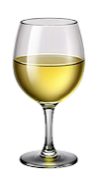
This Chardonnay is indeed a bright golden color and has aromas of tropical fruits and pear, with subtle floral notes. On the palate, this medium-bodied wine has tropical fruit flavors including nectarine, citrus and green apple. It did not undergo Malolactic Conversion in order to retain the naturally high acidity. It finishes crisp and bright. [ABV: 13.5%, pH:3.5, TA: 5.2 g/L]

Carneros Creek Reserve Chardonnay is a refreshing wine that’s widely available and reasonable price. A great fit as this week’s Behind the Cork™ Wine of the Week. Cheers!


The opinions expressed are entirely my own.
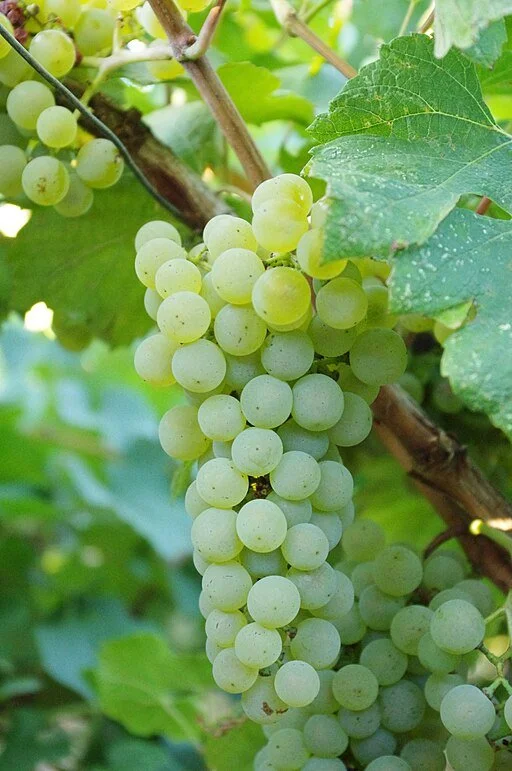
A Tour of Wine Grapes: Chardonnay

Chardonnay

Chardonnay is one of the most widely planted varieties. Although it is probably best known as the white grape of Burgundy it’s also a major grape in the production of Champagne.

Chardonnay is a versatile grape, and its style can vary widely depending on where it’s grown and how it’s made.

Basically, Chardonnay grapes produce wines of a light golden hue, with notes of citrus, green apple, with floral aromas. On the palate, Chardonnay has moderate acidity and moderate alcohol with a medium body.

But it’s said that Chardonnay is a bit of a chameleon — it reflects its winemaking process more than almost any other grape.

Crisp and Bright - This style is based on Chardonnay’s natural high acidity with flavors of green apple, lemon, lime and pineapple. It is fermented and aged in stainless steel tanks so as to leave these flavors unaltered. They are minimally aged and consumed young so as to feature the bright acidity, crisp citrus and tropical fruit flavors as well as its minerality.

Soft and Buttery - These wines are the result of specific winemaking techniques that give the wine a rich, smooth texture and a creamier mouthfeel. One of the key factors that contribute to this style of Chardonnay is Malolactic Conversion where the harsh malic acid (the tart, green apple-like acid) is converted into softer lactic acid (found in milk and dairy products), which creates a smoother, creamier texture. Another key factor is oak aging which imparts flavors like vanilla, toast, and butter. Oak aging also helps soften the wine’s structure, adding complexity and a smooth, creamy mouthfeel. Another wine-making factor is aging Chardonnay on-lees (the dead yeast cells left over after fermentation). Aging on the lees (sur lie), can contribute to a fuller, creamier texture and develop subtle nutty or bread-like flavors. This can also increase the perception of softness in the wine.

Chardonnay can easily age 5-10 years under proper storage conditions.

Serve un-oaked Chardonnay in a U-shaped white wine glass with a smaller bowl. Oaked Chardonnay benefits from being served in a larger bowl wine glass to capture the aromas.

Both types of Chardonnay can be served at 45 -55 °F. Generally an un-oaked Chardonnay is served colder than an oak Chardonnay.

Chardonnay does not require decanting.

How Do You Like Your Chardonnay - Bright and Crisp or Soft and Buttery? Part 2

Last time we looked at Chardonnay which is one of the most widely planted varieties. Although it is probably best known as the white grape of Burgundy and a major grape of Champagne. Chardonnay is a versatile grape, and its style can vary widely depending on where it’s grown and how it’s made.

Basically, Chardonnay produces wines of a light golden hue, with notes of citrus, green apple, with floral aromas. On the palate, Chardonnay has moderate acidity and moderate alcohol with a medium body. But beyond that, it’s said that Chardonnay is a bit of a chameleon — it reflects its winemaking process more than almost any other grape.

So, now let’s take a look at the soft and buttery style of Chardonnay.

The soft and buttery Chardonnay wines are the result of specific winemaking techniques that give the wine a rich, smooth texture and a creamier mouthfeel.

Here are some key factors that contribute to this style of Chardonnay:

1. Malolactic Conversion

  • This is the main reason for the buttery taste. In Malolactic Conversion, the harsh malic acid (the tart, green apple-like acid) is converted into softer lactic acid (found in milk and dairy products), which creates a smoother, creamier texture.

2. Oak Aging

  • Many Chardonnays are aged in oak barrels, which impart flavors like vanilla, toast, and butter. Oak aging also helps soften the wine’s structure, adding complexity and a smooth, creamy mouthfeel. When a Chardonnay undergoes both Malolactic Conversion and oak aging, it typically enhances those butter-like characteristics.

3. Lees Contact

  • “Lees” refers to the dead yeast cells left over after fermentation. Some Chardonnays are aged on the lees (sur lie), which can contribute to a fuller, creamier texture and develop subtle nutty or bread-like flavors. This can also increase the perception of softness in the wine.

How Do You Like Your Chardonnay - Bright and Crisp or Soft and Buttery? Part 1

Chardonnay is one of the most widely planted varieties. Although it is probably best known as the white grape of Burgundy and a major grape of Champagne. Chardonnay is a versatile grape, and its style can vary widely depending on where it’s grown and how it’s made.

Basically, Chardonnay produces wines of a light golden hue, with notes of citrus, green apple, with floral aromas. On the palate, Chardonnay has moderate acidity and moderate alcohol with a medium body. But beyond that, it’s said that Chardonnay is a bit of a chameleon — it reflects its winemaking process more than almost any other grape.

So, let’s start by exploring the first style of Chardonnay: Crisp and Bright.

This style is based on Chardonnay’s natural high acidity with flavors of green apple, lemon, lime and pineapple. It is fermented and aged in stainless steel tanks so as to leave these flavors unaltered. They are minimally aged and consumed young so as to feature the bright acidity, crisp citrus and tropical fruit flavors as well as its minerality.

This style of Chardonnay can most notably come from France (Chablis), New Zealand, Oregon and California. It’s probably the style to start with if you are unsure about Chardonnay. It’s going to be light, refreshing and mouthwatering. And, if you are already a fan of Sauvignon Blanc or Pinot Grigio, you’ll likely also enjoy a bright and crisp, un-oaked Chardonnay.

Next time we’ll take a look at the Soft and Buttery style of Chardonnay. Cheers!

Behind the Cork™ - Virginia Wine Governor's Cup Winner: Michael Shaps Chardonnay

2022 Michael Shaps Wild Meadow Chardonnay ($28)

Nestled in the woods just south of Charlottesville, Michael Shaps Winery blends Old World tradition with Virginia terroir. Founded in 2007 by acclaimed winemaker Michael Shaps, the winery is known for producing small-batch, age-worthy wines.

Produced in the Burgundian style, this 100% Chardonnay is whole-cluster pressed and fermented in oak barrels (50% new) with ambient (wild) yeast. This resulted in a prolonged fermentation and full malolactic conversion. It was then followed by 15 months of aging on primary lees.

This Michael Shaps Wild Meadow Chardonnay is medium gold in color with a very delicate aroma of pear. On the palate, this Chardonnay is fresh and bright. Its rather high acidity of 6.15 g/L is somewhat offset by the oak aging, having undergone full Malolactic conversion and the reported 0% residual sugar. These factors yield a Burgundy-like Chardonnay, that is fresh and bright. [ABV: 13%, TA: 6.15 g/L, pH: 3.2, RS: 0%]

This is yet another winner and, at this price, a perfect fit as the Behind the Cork™ Wine of the Week. Cheers!


Disclosure of Wine Sample Submission: I received this sample at no cost for review.

Media Sample Provided by Michael Shaps Winery, Virginia Wine and Donna White Communications