
Wine Flavors from Aging

Wine_Barrels.jpg

We've been exploring where wine gets it flavor from starting with the star of show, the juice of the grapes, then learning how the grape skins, seeds and stems can affect the finished flavor and we also looked at how the fermentation process can affect flavor. So, now it's on to the aging process and how it can affect a wine's flavor.

Let's start with the aging process before the wine goes into the bottle (aging in the bottle is an entirely separate subject for another time). 

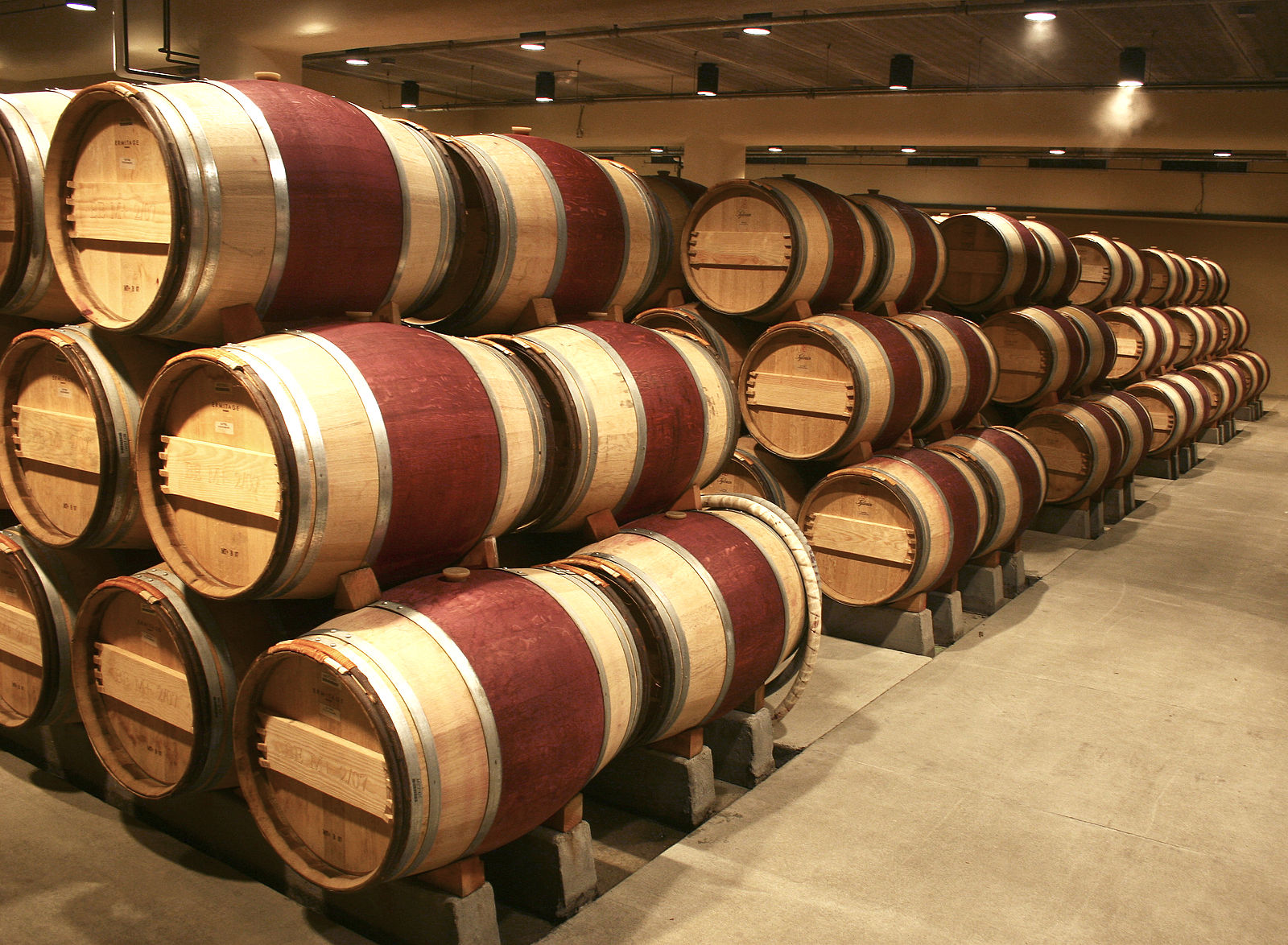
At the winery, once the wine is fermented, it is typically aged in stainless tanks or oak barrels. With respect to stainless tanks, they don't add anything to the final flavor of wine. So, that was easy. But, oak barrels are an entirely different story.  Barrels can affect a wine's flavor in a couple different ways.

First, barrels can impart wood-like flavors. But, wine makers really don't want to make wine that tastes like trees or tree sap. So, one of the things they do is to 'toast' the inside of the barrel (i.e., subject it to an open flame to provide a char to the wood). And, this is done to varying degrees. A barrel that is lightly toasted will add subtle hints of flavor. A medium toasted barrel will start to add vanilla or caramel flavors to the wine and heavily toasted barrels will impart stronger flavors of smoke, coffee and chocolate. 

Now, these flavors are well suited to some red wines but typically not for white wines. So, most red wines spend some time aging in oak barrels while white wines typically don't.  The exceptions are generally Chardonnays that will, with oak aging, take on those butterscotch, vanilla and toast flavors. Fumé Blanc is another oak-aged white wine. It's simply Sauvignon Blanc that's been oaked aged.

And, finally, an oak barrel can actually become 'neutral' with time and impart no flavor. This typically occurs after a new oak barrel has been used three or four times.  It's still a good vessel for aging, but just doesn't affect its flavor.

The other way that oak barrels affect a wine's flavor comes from their naturally porous nature. But, I'll leave that for next time. Until then, Cheers!


Malolactic "Fermentation" of Wine - Not

SlashCircle_Fermentation.jpg

The flavors in wine come from three things - the grapes, fermentation and aging. We've explored the flavors from the juice of the grape, the flavors from the grape skins, seeds and stems and we've seen that the yeast can affect flavors during fermentation. But, there's another process that affects a wine's flavor and it's often called Malolactic Fermentation.

But, getting right to the point, this is not a fermentation. It's actually a process in which one type of acid in the wine is converted to another type of acid. So, it is more correctly a Malolactic Conversion, not a fermentation.

In this conversion process, a tart acid that naturally forms in wine, malic acid, is converted to lactic acid. While the tart malic acid can yield flavor sensations much like a tart green apple, the lactic acid is much softer and creates a richer mouthfeel that is often called buttery and can make a wine seem velvety smooth.

Most red wines undergo malolactic conversion while only some white wines, notably Chardonnay, undergo malolactic conversion. This process is most often performed shortly after the end of primary fermentation and just prior to the aging process.

And, speaking of the aging process, we'll explore the flavors that are imparted to wines as they age in next week's blog. Until then, Cheers!

Wine Flavors from Fermentation - Part 2

So far, we've learned that wine gets it flavor from three things - the grapes, fermentation and aging. Last time we looked at the fermentation process and how the yeast can affect flavor. But before we move on to flavors associated with aging, let's take a step back to the first item that affects a wine's flavor - the grapes.

While the juice of the grape plays a leading role in the flavors of a wine, the other parts of a grape also can play a supporting role. Items such as the stems from the bunch of grapes, the grape skins and the seeds.

These grape solids are all potential modifiers of the finished wine's flavor. These grape solids contain tannins, proteins and other microscopic solids that can benefit the final product. But, other solids such as leaves, sticks from the grape vine and dirt are undesirable solids that are always removed (For reference, these undesirable items are often referred to as MOG: Materials Other than Grapes.)

With respect to the stems that the grapes were grown on, winemakers can decide if they want to de-stem the grapes before the wine making process begins.  White wines are usually made from de-stemmed grapes. But, a red wine’s tannin is increased by leaving some or all of the stems in the juice.

Grape skins also contain flavor compounds. And, just like brewing a cup of tea, the longer you leave the grape skins in contact with the juice, the bolder the flavors can become. The depth of color of a wine also comes from the length of time the wine is left in contact with the skins.  For example, if you remove the skins immediately, no color is imparted to the wine.  The best example of this is Champagne, a sparkling white wine, that is produced from Chardonnay grapes (a white wine grape), and Pinot Noir grapes and Pinot Meunier grapes that are both red wine grapes. Another example is rosé wines that are made from red wine grapes that see very little skin contact time after pressing resulting in the light pink color.

The grape seeds will also play a role in the wine's flavor as it ferments because they too contain tannin that adds structure and makes wines better able to be aged.

So, it's not just the juice from the grape that affect the flavor of the wine. These other solids play a very important role.

Next time we'll take a look at the final process that affects a wine's flavor, the aging process.

Until then, Cheers!


Wine Flavors From Fermentation

Wine's flavors come from the grapes, the fermentation process, and through aging. Last time we looked at the grapes that are the primary player in a wine's flavor. So, let's now explore how the fermentation process adds flavors to wine.

The only other ingredient in wine making, other than the grapes, is the yeast.  And, yes, yeast adds flavor. Just think of freshly baked bread.  Not that yeast makes wine taste like bread, but it certainly can impart flavor. Wine can be made from the natural yeast that forms on the skin of the grape, appearing as a white haze, as shown in the photo.  Or, winemakers can choose to use one of many strains of yeast that are produced in the laboratory in order to achieve the end result they are looking for.

The fermentation vessel also plays a role in a wine's flavor. Fermentation that is done in stainless steel tanks impart no flavor and allows the fruit flavors of the grapes to shine through. But, when fermentation is done in oak vessels the wine can take on woody flavors as well as flavors of spices, vanilla, and smokiness, as well as tannin that gives wine its mouth-drying, astringent, sensation.

Once fermentation is complete and the yeast has given its life for the production of alcohol, the yeast can either be immediately removed or the dead yeast (called lees) can be left in the fermentation vessel for some additional time to add yet additional flavor. This often adds a bit of bread-like aroma to the wine and makes for a richer mouth-feel of the final wine. Battonnage, or the stirring of the lees in the wine, can also enhance these flavors.

The fermentation process can also result in wines that are a bit sweet. Typically, the yeast will consume all the grape's natural sugar, turning it all to alcohol. But, if the fermentation is halted before all the natural sugar is consumed by the yeast, the wine will retain 'residual sugar' and be a bit sweet.

Oh, and by the way, the grapes, not just grape juice, can also play a role during fermentation. But, we'll leave that for next time. Until then, Cheers!


Wine Flavors - The Grapes

Last time, we started the exploration of wine flavors. And, basically, a wine's flavor comes from the grapes, the fermentation process and its aging. So, let's jump right in and start with the star of the show, the grapes.

You might think "Well, of course a wine's flavor comes from the grapes." And, yes, the grapes are extremely important in the wine making process and form the basis for how the wine will taste. But, within a grape variety, there can also be tremendous variations associated with factors such as where the grapes are grown and when they are harvested.

Location is very important. Factors such as day and night time temperatures, sunlight, the amount of rainfall and soil type all play into a wine's terroir. Grapes grown in cooler climates such as in Bordeaux, will tend to have their red fruit flavors enhanced (e.g., cherry and red currant) and be a bit lighter in body while warmer climate Cabernet Sauvignon grapes grown in California's Napa Valley produce bigger fruit flavors (e.g., blackberry, black currant and black cherry).

Harvest time also plays a huge role in a wine's flavor.  Winemakers are constantly checking the sugar levels of the grapes in the vineyard (Brix) as they ripen. As the sugar levels increase in the grapes, the acid levels that produce tartness will decrease. So, winemakers chose the Brix-to-acid ratio that will produce the flavor of wine they are looking for.

Where the grapes are grown and when they are harvested plays a huge role in the flavors of all wines. But, once these flavors are established, the fermentation process and aging will also contribute to a wine's final flavor. We'll look into these factors in the next couple of blogs. Until then, Cheers!