
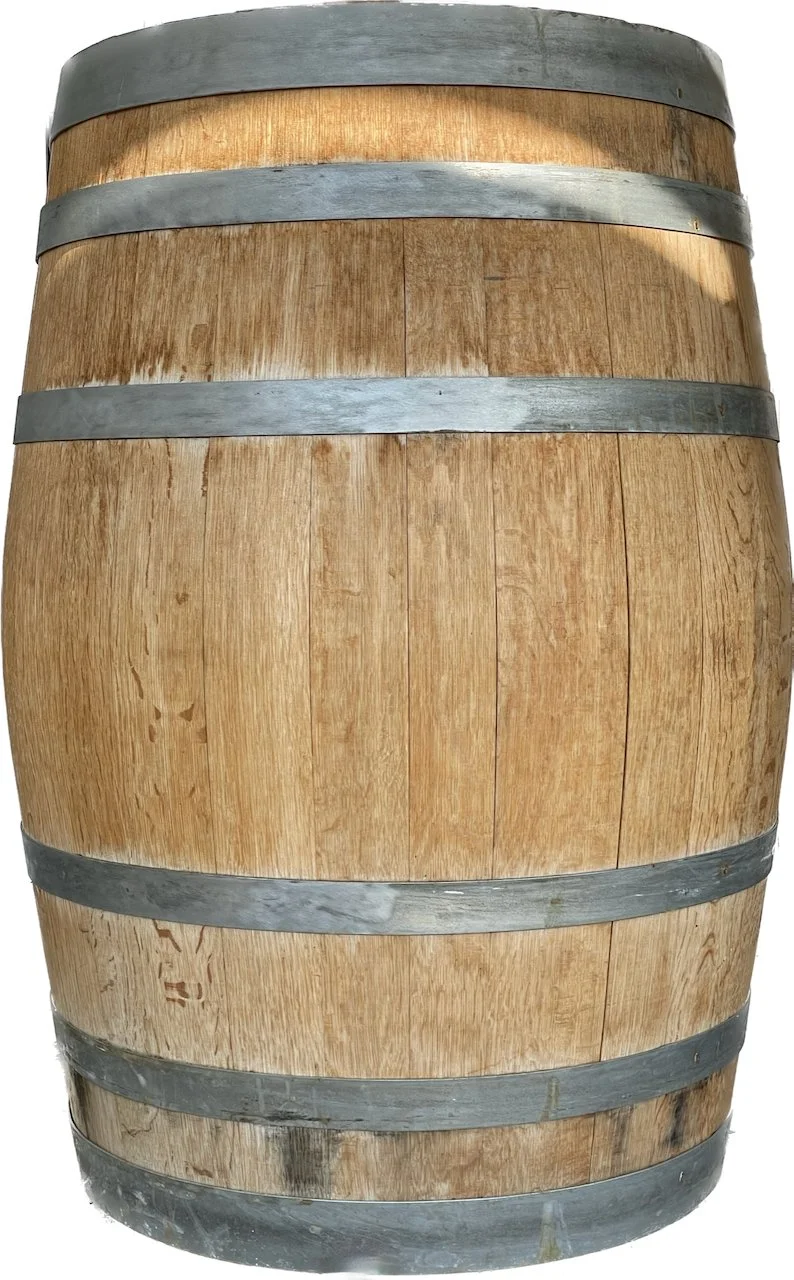
The Art of Wine Making: Choice of Oak Barrels for Wine Aging

Wine may be fermented and aged in a variety of materials including stainless steel, oak and ceramic vessels, including concrete. The use of oak barrels is very common and its use dates back to the early days of Roman wine making.

While stainless steel imparts no additional flavor to a wine, and ceramics and concrete can add hints of minerality, oak barrels can have influences that range from subtle to intense.

When wine is aged in oak barrels, it develops flavors from the wood. Most commonly, oak barrels result in vanilla flavor that works well with many white and red wines.

If a wine is aged in 100% new oak, it will likely be very bold, rich, spicy and, of course, oaky. But, wines pull these flavors out of barrels relatively quickly. After the first year of use, a barrel loses much of its flavoring ability and, after three vintages, the wine has extracted most all of the oak's flavors, thus it is considered neutral oak.

Wines may still be fermented or aged in neutral barrels. Such aging tends to soften wines, particularly tannic wines, without adding the extra flavors. Neutral oak is typically used to maintain the fruit qualities in a wine while still getting some of the other benefits of aging in oak.

Much of the flavor imparted by the oak occurs naturally from the raw wood. But winemakers learned long ago that by "toasting" the inside of an oak barrel, they can enhance these flavors.

After a barrel is built, its inside can be exposed to fire to "toast" it. This is done either over an open flame or using a hand-held torch. The fire 'caramelizes' the wood's natural sugars and brings out complex compounds. From this, the wine will ultimately take on flavors that are toasty, charred, spicy and sweet depending on the amount of time the wood is toasted.

A lightly toasted barrel spends about 25 minutes exposed to flame while a heavily toasted barrel may get up to one hour of flame exposure. Essentially, the heavier the toast, the stronger and more varied are the imparted flavors.
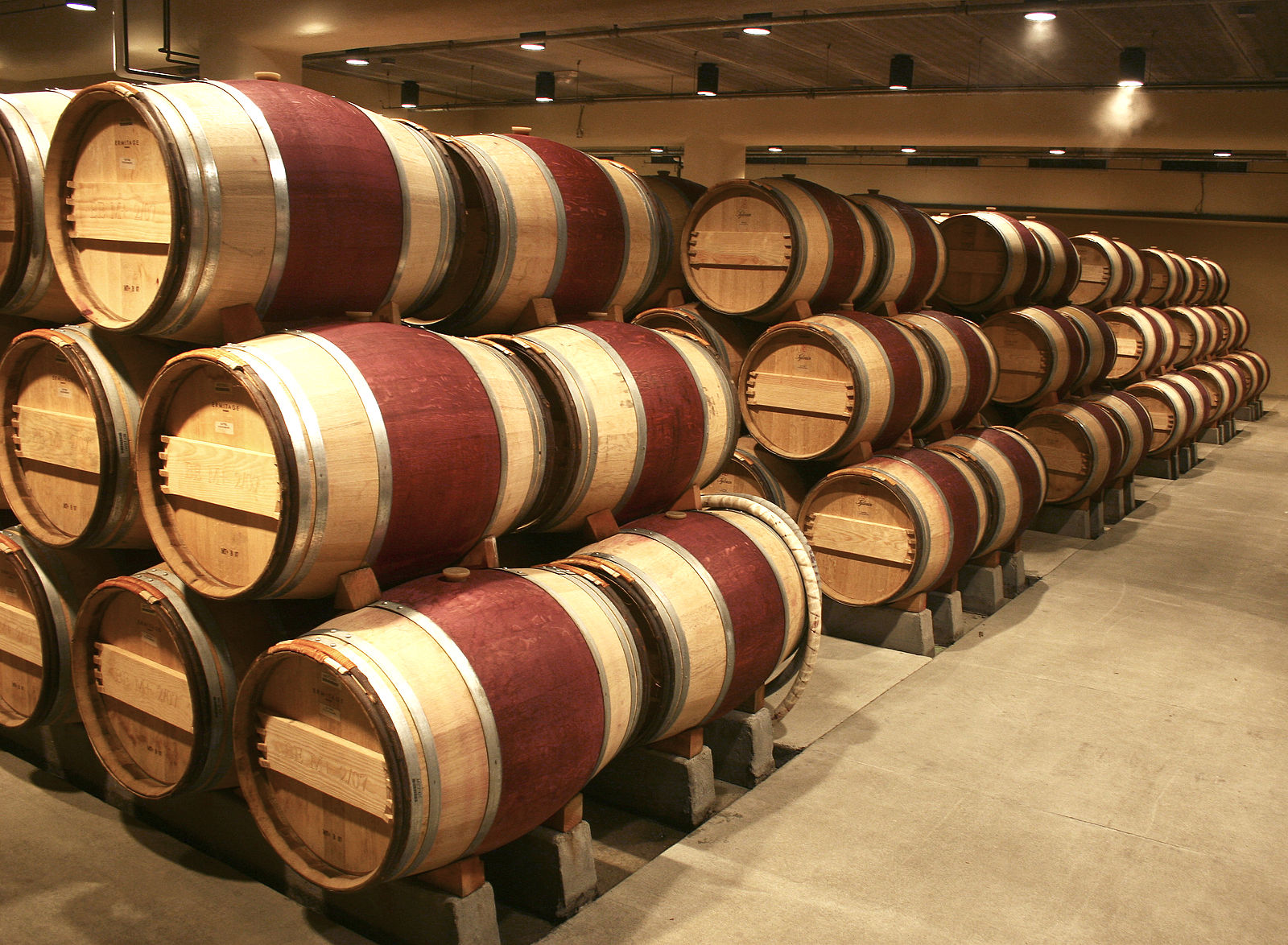
Wine Flavors from Aging

Wine_Barrels.jpg

We've been exploring where wine gets it flavor from starting with the star of show, the juice of the grapes, then learning how the grape skins, seeds and stems can affect the finished flavor and we also looked at how the fermentation process can affect flavor. So, now it's on to the aging process and how it can affect a wine's flavor.

Let's start with the aging process before the wine goes into the bottle (aging in the bottle is an entirely separate subject for another time). 

At the winery, once the wine is fermented, it is typically aged in stainless tanks or oak barrels. With respect to stainless tanks, they don't add anything to the final flavor of wine. So, that was easy. But, oak barrels are an entirely different story.  Barrels can affect a wine's flavor in a couple different ways.

First, barrels can impart wood-like flavors. But, wine makers really don't want to make wine that tastes like trees or tree sap. So, one of the things they do is to 'toast' the inside of the barrel (i.e., subject it to an open flame to provide a char to the wood). And, this is done to varying degrees. A barrel that is lightly toasted will add subtle hints of flavor. A medium toasted barrel will start to add vanilla or caramel flavors to the wine and heavily toasted barrels will impart stronger flavors of smoke, coffee and chocolate. 

Now, these flavors are well suited to some red wines but typically not for white wines. So, most red wines spend some time aging in oak barrels while white wines typically don't.  The exceptions are generally Chardonnays that will, with oak aging, take on those butterscotch, vanilla and toast flavors. Fumé Blanc is another oak-aged white wine. It's simply Sauvignon Blanc that's been oaked aged.

And, finally, an oak barrel can actually become 'neutral' with time and impart no flavor. This typically occurs after a new oak barrel has been used three or four times.  It's still a good vessel for aging, but just doesn't affect its flavor.

The other way that oak barrels affect a wine's flavor comes from their naturally porous nature. But, I'll leave that for next time. Until then, Cheers!


Toasted Oak Barrels and Their Effect on Wine Flavor

Last time we looked at the differences between new oak versus neutral oak wine barrels. New oak imparts lots of flavors to wine. But after about three vintages, the oak no longer imparts flavor so it is called neutral oak.

Much of the flavor imparted by the oak occurs naturally from the raw wood. But winemakers learned long ago that by "toasting" the inside of an oak barrel, they can enhance these flavors.

After a barrel is built, its inside can be exposed to fire to "toast" it. This is done either over an open flame or using a hand-held torch. The fire 'caramelizes' the wood's natural sugars and brings out complex compounds. From this, the wine will ultimately take on flavors that are toasty, charred, spicy and sweet depending on the amount of time the wood is toasted.

A lightly toasted barrel spends about 25 minutes exposed to flame while a heavily toasted barrel may get up to one hour of flame exposure.

Essentially, the heavier the toast, the stronger and more varied are the imparted flavors:

Light Toasting - Vanilla, coconut, caramel, clove and cinnamon

Medium Toasting - Vanilla, honey, caramel, toast, coffee, cocoa

Heavy Toasting - Vanilla, espresso, smoke, crème brûlée, butterscotch, toffee, molasses

Oak interacts with wine differently depending of the different grape varieties. Oak may impart hints of chocolate to a Merlot, and vanilla or coconut to a Zinfandel. White wines aged in oak (think Chardonnay) typically develop flavors of vanilla, baked apple, caramel, honey, toasted marshmallow, or buttered toast.

A winemaker will decide on what degree of toasting is appropriate for their wine’s style. Our 'job' is to enjoy all the wonderful flavors that oak, and toasted oak, add to our wine. Cheers!