
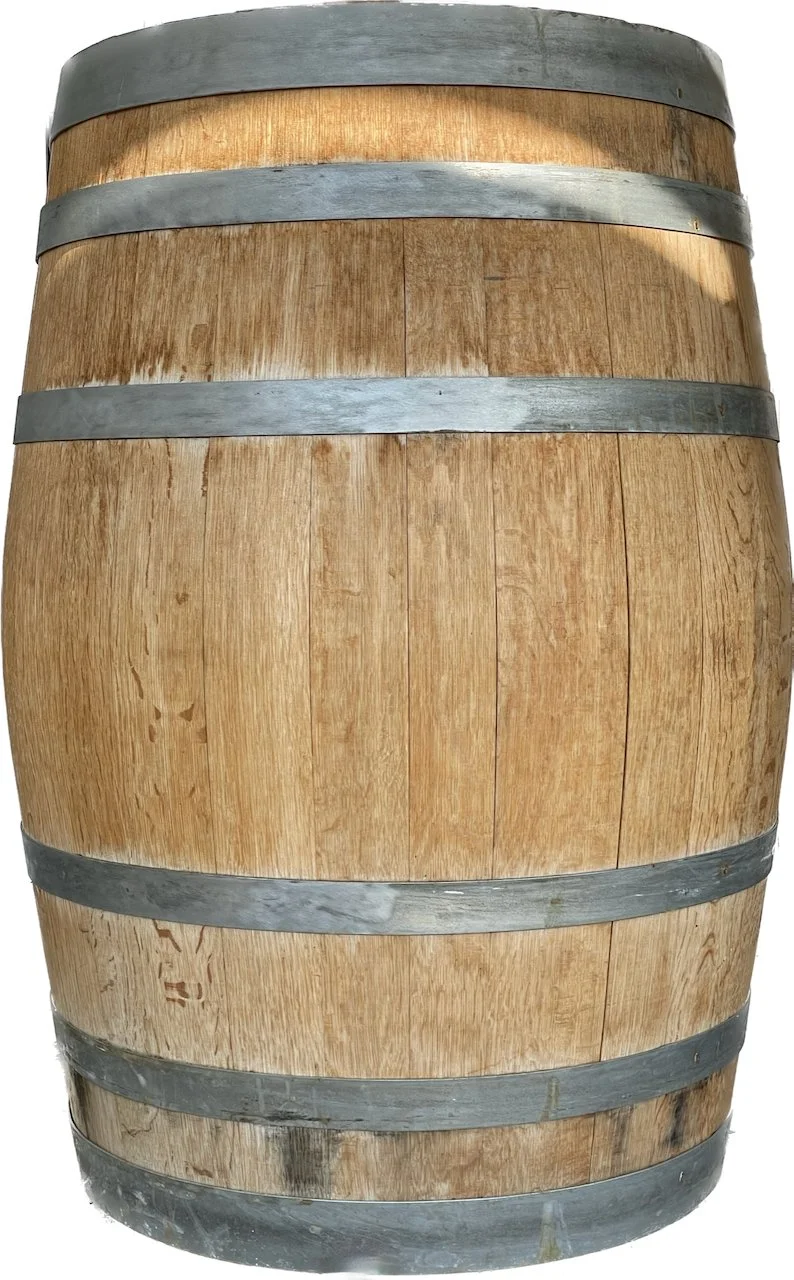
The Art of Wine Making: Choice of Oak Barrels for Wine Aging

Wine may be fermented and aged in a variety of materials including stainless steel, oak and ceramic vessels, including concrete. The use of oak barrels is very common and its use dates back to the early days of Roman wine making.

While stainless steel imparts no additional flavor to a wine, and ceramics and concrete can add hints of minerality, oak barrels can have influences that range from subtle to intense.

When wine is aged in oak barrels, it develops flavors from the wood. Most commonly, oak barrels result in vanilla flavor that works well with many white and red wines.

If a wine is aged in 100% new oak, it will likely be very bold, rich, spicy and, of course, oaky. But, wines pull these flavors out of barrels relatively quickly. After the first year of use, a barrel loses much of its flavoring ability and, after three vintages, the wine has extracted most all of the oak's flavors, thus it is considered neutral oak.

Wines may still be fermented or aged in neutral barrels. Such aging tends to soften wines, particularly tannic wines, without adding the extra flavors. Neutral oak is typically used to maintain the fruit qualities in a wine while still getting some of the other benefits of aging in oak.

Much of the flavor imparted by the oak occurs naturally from the raw wood. But winemakers learned long ago that by "toasting" the inside of an oak barrel, they can enhance these flavors.

After a barrel is built, its inside can be exposed to fire to "toast" it. This is done either over an open flame or using a hand-held torch. The fire 'caramelizes' the wood's natural sugars and brings out complex compounds. From this, the wine will ultimately take on flavors that are toasty, charred, spicy and sweet depending on the amount of time the wood is toasted.

A lightly toasted barrel spends about 25 minutes exposed to flame while a heavily toasted barrel may get up to one hour of flame exposure. Essentially, the heavier the toast, the stronger and more varied are the imparted flavors.
The Art of Wine Making: Choosing the Right Vessel for Wine Fermentation

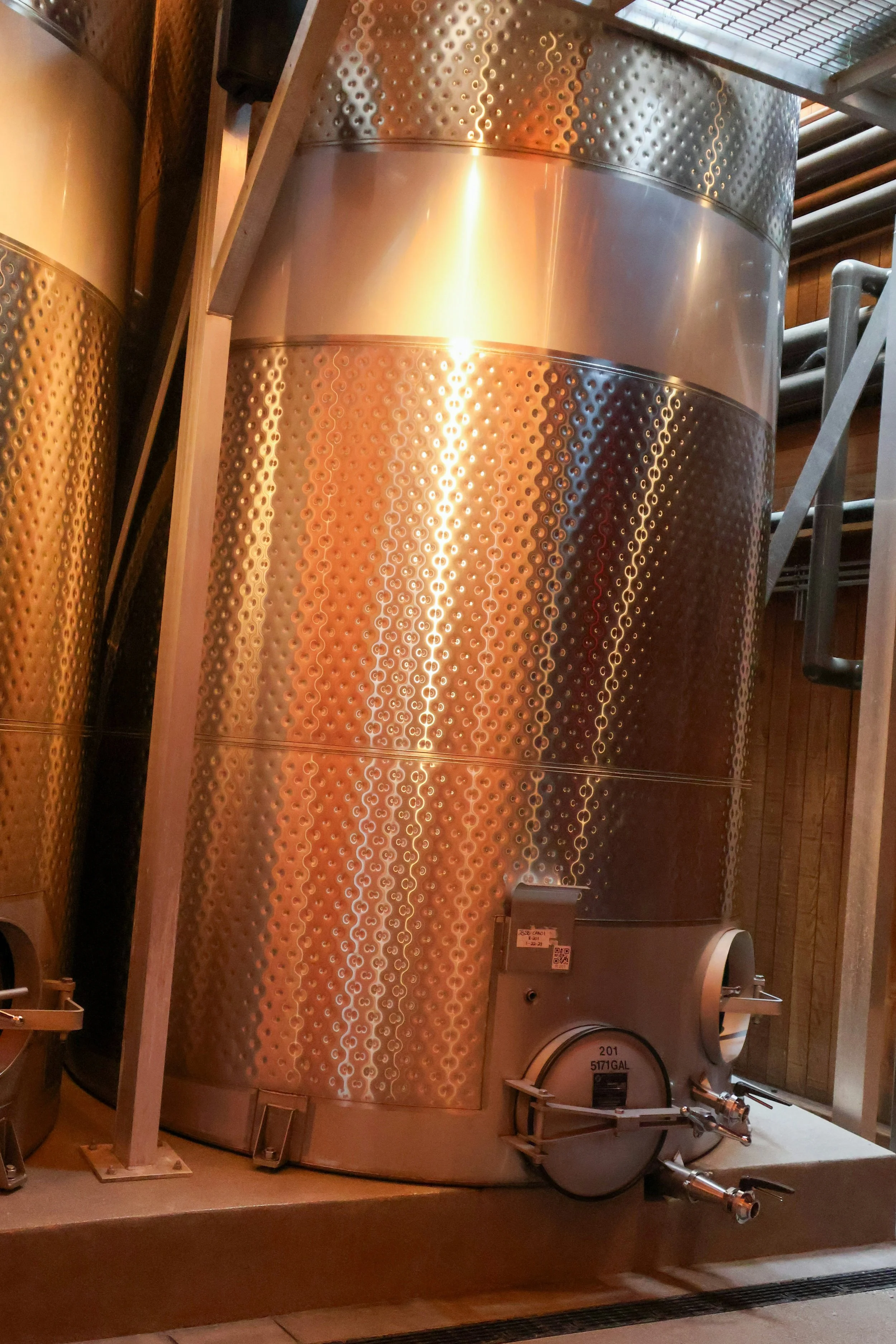
A large stainless steel tank used for fermentation

Photo by Meg von Haartman on Unsplash

Another aspect of the art of wine making involves choosing the type of vessel used for fermentation. Fermentation vessels are available in several materials with each one allowing the wine maker to influence their wine's flavor, texture, and overall style.

Here's an quick overview of the main types for fermentation vessels and their pros and cons:

1. Stainless Steel Tanks

Stainless steel tanks are widely used in winemaking

  • Pros:

    • They are made of an inert material — it doesn't impart any flavor to the wine

    • These tanks are easy to clean and sanitize

    • It allows wine makers to conduct fermentation at highly controlled temperatures

  • Cons:

    • While being a “pro,” the fact that it does not impart flavor can also be a negative

    • Doesn’t allow for oxygen to interact with the fermenting wine, resulting in wines that can be sharper with harsher tannin

    • Very costly

  • Uses: Crisp whites like Sauvignon Blanc, rosés, and some lighter-bodied reds

2. Oak Barrels or Vats

Used for traditional or premium red wines and some white wines

  • Pros:

    • New oak can add significant flavors (vanilla, spice, toast)

    • The porous nature of oak allows “micro-oxygenation” that can soften tannin softening and add to a wine’s complexity

  • Cons:

    • Harder to clean

    • Oak barrels are expensive, especially new barrels

  • Used for: Chardonnay and Fumé Blanc as well as for most red wines

3. Concrete Tanks or “Eggs”

Often used for artisan and natural winemaking

  • Pros:

    • Provides good temperature control during fermentation

    • Allows for micro-oxygenation without imparting significant flavor

    • Egg-shaped vessels promote convection currents — helps keep the lees in suspension

    • Can enhance a wine’s texture and minerality

  • Used for: Both reds and whites

4. Clay Amphorae (or Terracotta Jars)

This type of vessel has been used in wine making for thousands of years

  • Pros:

    • Allows for light oxygen exchange

    • Can retain the grape’s flavors and/or impart subtle earthy characteristics

  • Cons:

    • These vessels are fragile and porous (some are lined with beeswax)

  • Used for: Natural wines, often whites and light reds

So, the choice of fermentation vessel is indeed a factor in a wine maker’s artistic expression of their final product. Cheers!

Think Wine is Just Grape Juice and Yeast. Think Again!

What is more natural than a glass of wine?

Grow some grape vines, wait for them to produce grapes, harvest the grape bunches, de-stem them (sometimes), crush them to produce juice, leave the crushed grapes in contact with the juice to create color (in the case of red wines and rosé) and then rely on natural yeasts or added yeast to convert the natural sugars in the grape juice to alcohol and, voilà, - you have wine! It’s just that simple, right?

Well, wine isn’t always that simple. While some wines are indeed produced with these simple steps and ingredients, there are some other ingredients that can be used in the winemaking process. And, the only two ingredients that are required to appear on a wine label are the alcohol content and if it contains sulfites.

Here’s a few of the other ingredients that may be used in wine making or remain in a wine:

  • Added Yeast Nutrients and Enzymes

    • Yeast nutrients are used to speed up the process of fermentation.

  • Potassium Sorbate and Potassium Metabisultite

    • Both of these ingredients are used to guard against bacteria and protect the yeast from spoiling, and are commonly used together during the fermentation process to help the yeast ferment efficiently while improving the overall flavor.

  • Acid, Sugar, and Tannin Additions

    • Adding acid will decrease the pH and increase the total acidity of the wine to ensure it is in overall balance

    • Adding sugar before or during fermentation can help boost the alcohol content. The process is called ‘chaptalization’ and also assists the yeast during the fermentation process.

    • Powdered tannins may be added early in the process to help add balance

  • Acid Reducers

    • Calcium carbonate is used to reduce the acidity of the finished wine, and is sometimes added if the grapes have had trouble ripening. It’s usually added before or at the start of fermentation, so it doesn’t impact on the aroma of the wine.

    • Potassium Bicarbonate is also used to help lower the acidity

  • Oak and Oak Chips, Powders, and Granules

    • Winemakers rely on oak barrels to flavor wine with notes of vanilla or subtle spices,

    • If the wine doesn’t come into direct contact with wood (i.e., stainless steel tanks), some producers will add oak chips, powders or staves to add oak flavors.

  • Stabilizers and Anti-Sediment Additions

    • Potassium bitartrate is used as a seeding agent to promote tartrate precipitation during cold stabilization

    • Urease is added to reduce the level of urea in wines, when this is excessive, in order to avoid the formation of ethyl carbamate during aging.  The enzyme transforms urea into ammonia and carbon dioxide.

  • Fining Agents

    • Fining agents are used for clarifying wine. These agents, such as bentonite (powdered clay), isinglass (fish bladder), casein (milk protein), gelatin or egg whites, combine with sediment particles and cause them to settle to the bottom of the vessel, where they can be easily removed before the wine is bottled.

  • Grape Concentrate

    • Grape juice concentrate is sometimes included to boost the color of red wine and add a bit of sugar to smooth out the mouthfeel.

  • Coloring Agents or Color Stabilizers

    • Coloring agents may be used to deepen the color of red wines, or to add ‘blush’ to whites

    • Stabilizers ensure the wine’s color does not change during fermentation and aging

  • Dimethyl Di-carbonate, Ammonium Phosphate and Di-ammonium Phosphates

    • Dimethyl di-carbonate is used to stabilize wine by preventing microbial spoilage

    • Di-ammonium Phosphate is used to speed up the fermentation process

  • Sulfur Dioxide

    • Usually listed as ‘sulfites’. It’s used to preserve the grapes and prevent oxidation during the winemaking process.

  • Preservatives and Antibacterial Agents (e.g., potassium sorbate, dimethyl dicarbonate, sorbic acid, copper sulfate)

    • Preservative such as potassium sorbate or sorbic acid are used to 'stabilize' a wine and prevent a renewed fermentation by inhibiting the yeast cell from being able to multiply, grow and begin a new fermentation.

    • Dimethyl dicarbonate is used to stabilize the wine by preventing microbial spoilage

  • Alcohol

    • Adding alcohol, usually from another grape-derived spirit such as brandy, is called fortification. Since yeast naturally dies at 15% ABV, addition of extra alcohol will push the alcohol concentration of a wine over the 15% mark.

    • Alcohol is added to “Fortified” wines such as Port, Sherry, Madeira, Marsala and Vermouth

Ever Wonder About the Types of Oak Used in Wine Barrels?

Wine may be fermented and aged in a variety of materials including stainless steel, ceramic vessels, including concrete, and in oak barrels.

Oak barrels add additional quality, character and smoothness to wines and can impart many flavors into the wine. 

Barrels for wine-making are commonly made of French common oak (Quercus robur), white oak (Quercus petraea), and American white oak (Quercus alba)

Of the various species of oak, Quercus robur is said to provide a fuller body and larger tannin structures, giving less complexity and elegance than Quercus petraea. Forests in Hungary and France grow both species, including hybrids of the two. These two species are quite distinct from Quercus alba (American oak) in the flavors they impart.

Here’s a quick summary of the differences:

  • American Oak - Wine barrels made in the US are typically from White Oak that is grown in the east and mid-west. American oak is known for imparting sweeter flavors of vanilla, coconut, as well as dill and sweet spices.

  • Hungarian Oak - These barrels may be made from either the Quercus robur or Quercus petraea species. Quercus robur is said to provide a fuller body and larger tannin structures, giving less complexity and elegance than Quercus petraea. Hungarian oak barrels are known for imparting bolder, richer flavors of butterscotch, vanilla, clove, cinnamon, and toffee.

  • French Oak - French oak wine barrels are from the Quercus robur species but tend to have finer grains. The flavors imparted from French oak are said to be more subtle and include dark chocolate, roasted coffee beans and exotic, savory spices.

All of these imparted flavors can be dialed-up or down depending on the degree to which the barrels are ‘toasted.’ A winemaker will decide on what degree of toasting is appropriate for their wine’s style. Our 'job' as wine drinkers is simply to enjoy all the wonderful flavors that oak, and toasted oak, add to our wine. Cheers!

Your Oaked Wine May Have Never Been in an Oak Barrel!

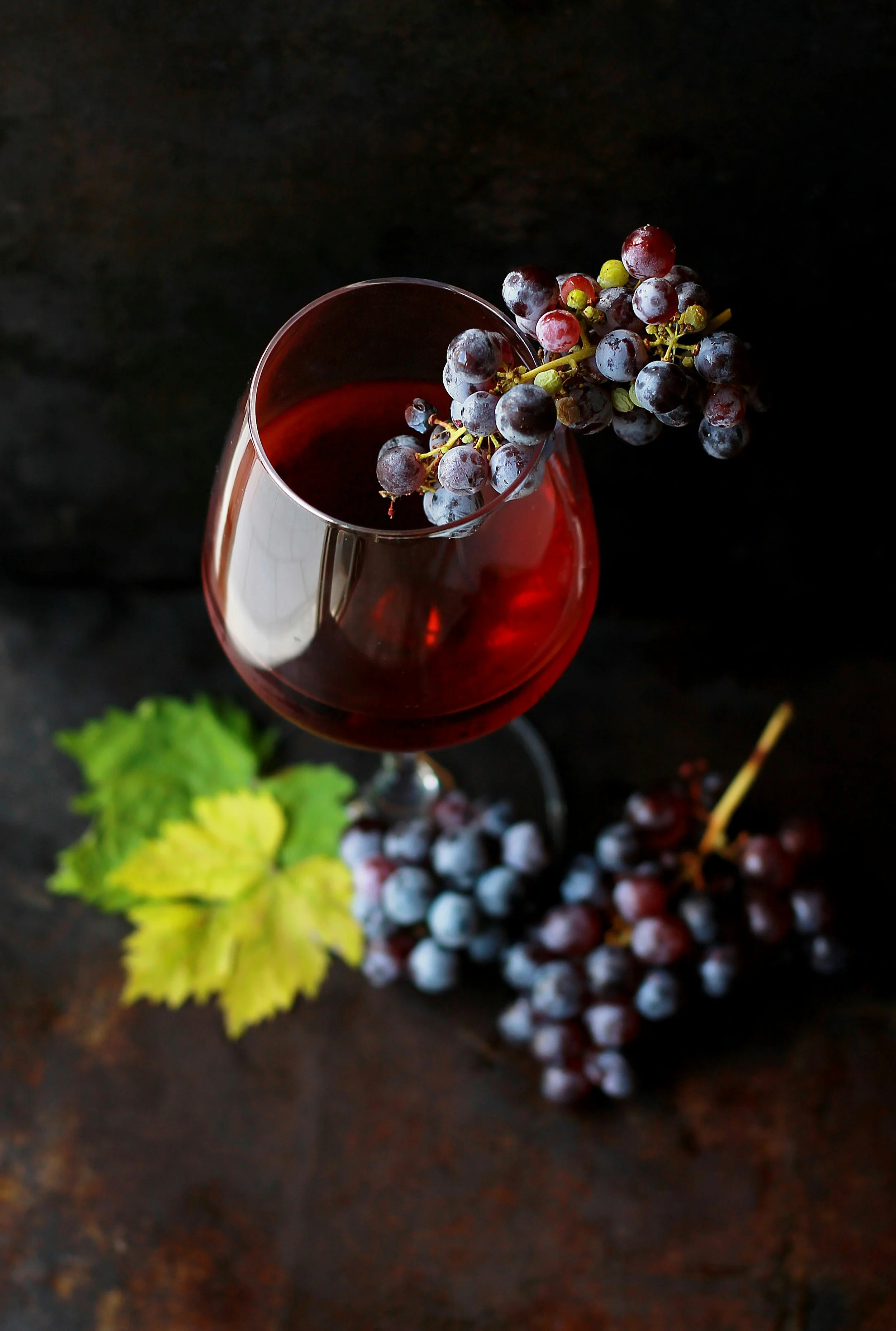
Image by FreePik

Oak is used extensively in winemaking during fermentation and aging. It can add flavor compounds including aromas of vanilla, clove, smoke and coconut.

Oak barrels also allow the slow ingress of oxygen a process which makes wine taste smoother and less astringent.

Oak barrels also provide a great environment for certain reactions to occur, specifically Malolactic Conversion.

While oak wine barrels are made of French, American and Hungarian oak, they are all expensive. And they only impart flavor to wines during their first two to three uses, after which they are considered ‘neutral.’

So, to get the oak flavors without all the cost, some wines are made with oak chips, oak cubes, oak staves and even oak powder. Using these oak barrel alternatives allows wine makers to use less expensive containers (e.g., Stainless Steel tanks) and still get the desired oak flavors. After the wine has had the necessary time in contact with the chips, cubes, staves or powder, they are physically removed or filtered out and consumers never know the difference.

This may seem ‘wrong’ to many wine purists, but it is allowing winemakers to produce oak flavors in their wines at considerably lower costs. And, studies have been done that show consumers can’t tell the difference. Wine labels don’t tell us the difference, but if oak alternatives are used, and you enjoy the wine, then I’d say the winemaker succeeded! Cheers!