Behind the Cork™ - Karas Red Blend

2017 Karas Red Wine ($18)
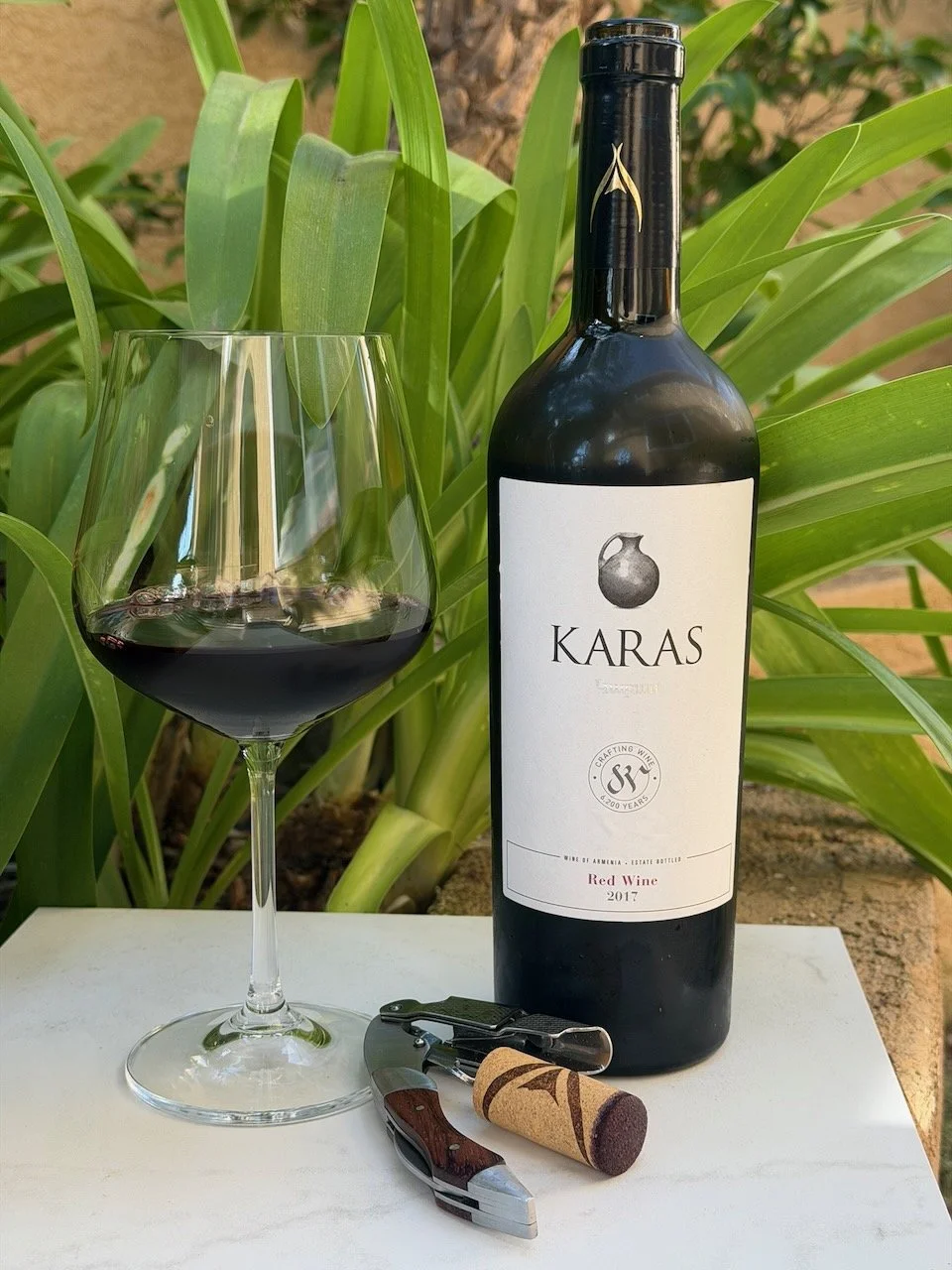
The 2017 Karas Red Wine is made by Karas Wines, located in the Armavir province of Armenia. The company grows its grapes in the Ararat Valley, a place where people have been making wine for over 6,200 years. The winery is named after "karas," which are traditional clay jars that locals used long ago to ferment their grapes. The vineyards are located high up in a dry area with very hot summers and freezing winters.

The winemaking process blends traditional hand-picking with modern cellar technology. Workers pick all the grapes by hand. Inside the winery, the juice is fermented in stainless steel tanks. The final 2017 red wine is a blend made from several different grape varieties: 35% Syrah, 35% Malbec, 20% Cabernet Franc and 10% Tannat. After the wine finishes fermenting, it is poured into oak barrels where it ages for one year before being bottled.

This wine is deep purple in color with aromas of black fruit. On the palate, this full-bodied wine has rich flavors of blackberry, raspberry and boysenberry. Its tannins are medium and its acidity is medium-high. It finishes a bit tannic (give it some extra time in a decanter) and jammy. This is my first wine from Armenia, but it won’t be my last. It’s a good one. And, this week’s Behind the Cork™ Wine of the Week. Cheers!


The opinions expressed are entirely my own.
A Tour of Wine Grapes: Silvaner

Silvaner 🥂

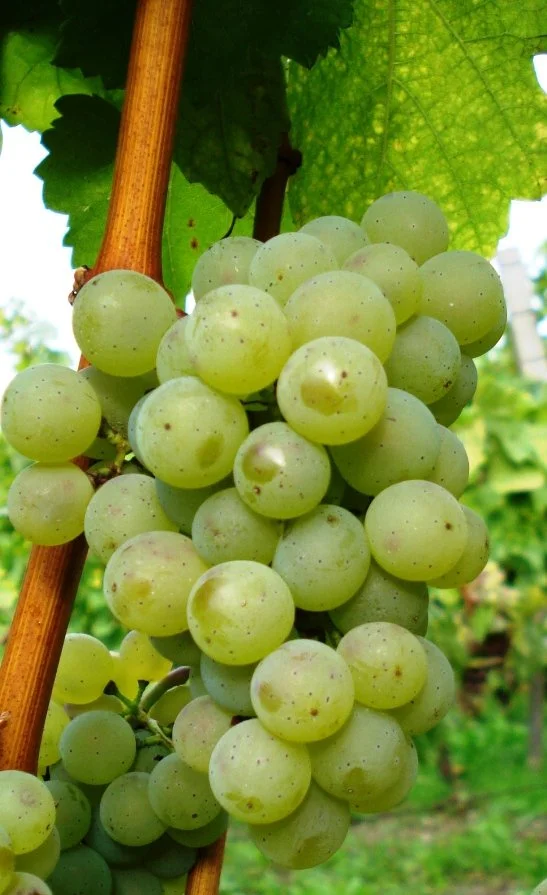
Photo by Agnes27 on Wikimedia Commons

Silvaner is an ancient white grape variety that originated in Austria. It is a natural cross between Traminer and Österreichisch-Weiß. From Austria, it spread to Germany, where it dates back to 1659 with plantings in Franconia. By the mid-twentieth century, it covered over thirty percent of Germany's total vineyard land, making it the country's most widely planted grape before declining in the 1970s. Today, Silvaner is primarily grown in Germany, particularly the Franconia and Rheinhessen regions, as well as in the Alsace region of France and the Valais canton of Switzerland. Cuttings of Silvaner were brought to the United States in 1858 and planted in California.

A notable detail about the grape is its traditional packaging in Franconia, where top-quality Silvaner is bottled in a distinct, flattened green flask known as a Bocksbeutel rather than a tall wine bottle.

Common aromas and flavors include green orchard fruits like pear and apple, citrus notes, and herbal notes such as fresh-cut grass, celery, and hay.

While everyday versions are made to be consumed young, premium wines can age for decades.

The wine should be served well-chilled between 46°F to 50°F. Serve in a medium-sized white wine glass with a slightly tapered bowl.


Behind the Cork™ - Amador Cellars Sangiovese

2015 Amador Cellars Sangiovese ($32)

The 2015 Amador Cellars Sangiovese is an estate-bottled California red wine produced by Amador Cellars, a family-owned winery located in Plymouth, California. And, if you haven’t noticed over the years, one of my favorite wineries. I picked this one up at the winery a few years ago and have been waiting for the right opportunity to open it.

Established in 2004 by the Long family, the estate operates a production facility and an underground-style barrel room in the Sierra Foothills. The fruit for this particular 2015 vintage was harvested from the winery's Ottimista Vineyards, located in the Shenandoah Valley AVA.

Fermentation uses isolated yeasts. Following the primary fermentation process, the wine is moved into oak barrels to undergo 18 months of aging.

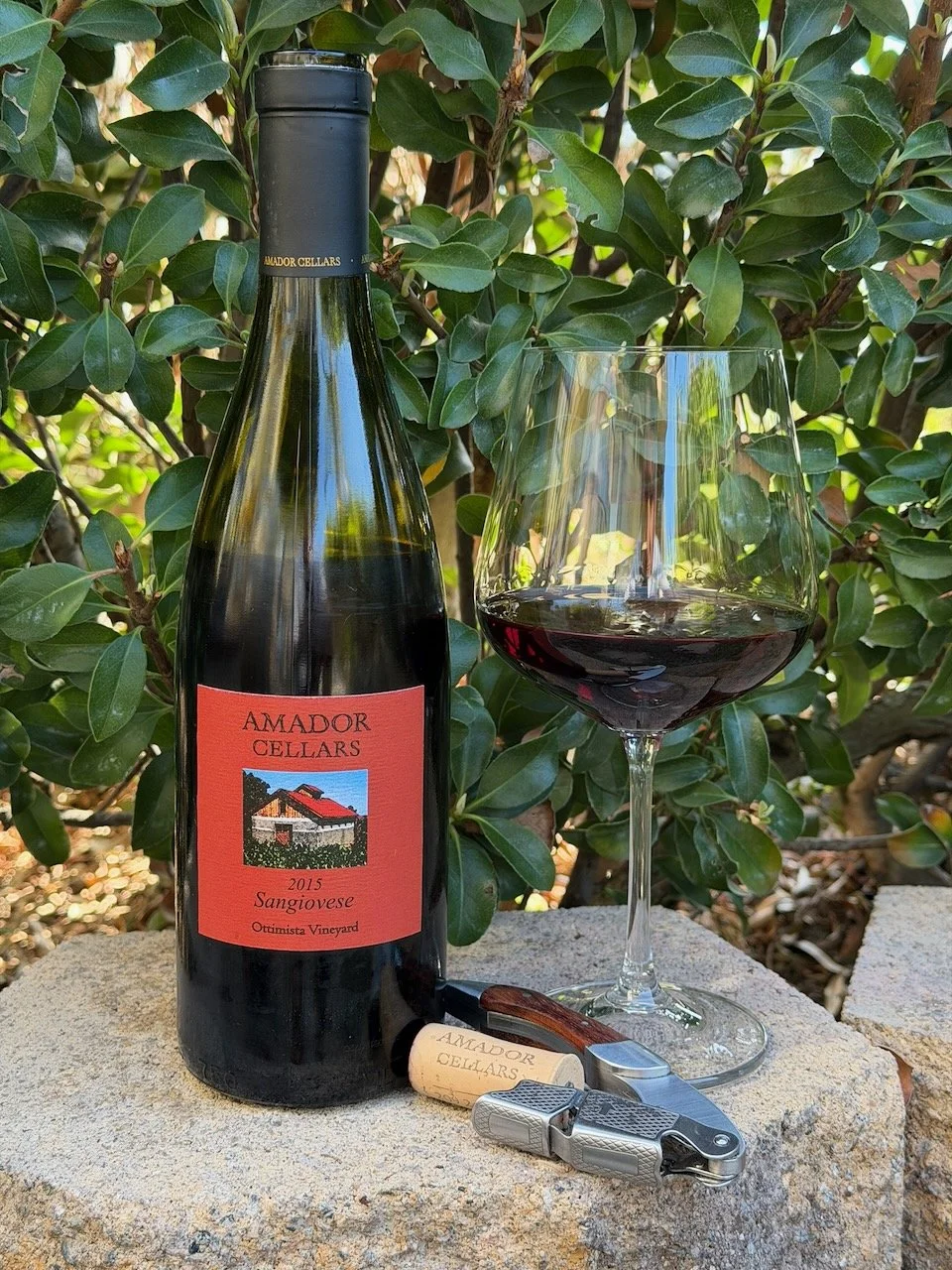
The 2015 Amador Cellars Sangiovese is a medium garnet color, showing its 11-year age. The wine has soft aromas of red fruits, herbs and notes from the oak aging. On the palate, this medium-bodied wine has great blackberry and plum flavors, soft tannin and medium acidity. It is well balanced with a soft mouth-feel and finishes super smooth. This one’s a real winner! And, this week’s BTC Wine of the Week. Cheers!


The opinions expressed are entirely my own.
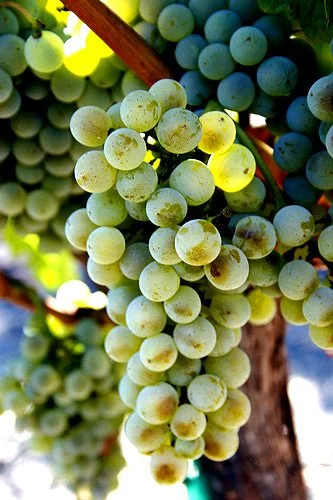
A Tour of Wine Grapes: Semillon

Sémillon 🥂

Photo by Alison Parks-Whitfield on Wikimedia Commons

Sémillon (seh-mee-yohn) is a yellow-skinned grape native to Bordeaux, France, where it has been grown for hundreds of years.

The name likely comes from the local pronunciation of Saint-Émilion (san-tay meel-yohn). By the 1800s, the grape traveled to South Africa and Australia, where it quickly became a major crop.

France remains the top producer. Australia’s Hunter Valley is another major region, famous for crisp, single-variety Semillon. You can also find this grape in Chile, South Africa, Argentina, Canada, and the United States, mostly in California and Washington.

Sémillon wine has aromas and flavors of lemon, lime, green apple, and pear. Sweeter versions, or those from warmer climates, taste like honey, apricot, peach, and mango. If aged in oak barrels, the wine takes on flavors of vanilla and toasted bread.

Sémillon is also used in creating sweet dessert wines through a helpful fungus called noble rot. This fungus dries the grapes on the vine, concentrating the natural sugars.

While typically consumed fresh, high-quality Sémillon can age in a bottle for 10 to 20 years or longer. As it sits, the fresh fruit flavors fade, and the wine develops deep flavors of toasted nuts, honey, and beeswax. The color also changes from a pale yellow to a rich gold.

Serve Sémillon at 45°F to 50°F (7°C to 10°C) in a standard white wine glass.

Behind the Cork™ - Craggy Range Sauvignon Blanc

2025 Craggy Range Sauvignon Blanc ($27.99)

Established in 1998 by the Peabody family, Craggy Range is a family-owned estate that revolutionized New Zealand wine by matching specific grapes to unique terroirs. While their main winery is located in Hawke's Bay, their Te Muna Road property in Martinborough has become a landmark site for crafting high-quality white wines.

This 2025 Craggy Range Sauvignon Blanc is indeed from the Te Muna Vineyard in Martinborough. The name Te Muna translates to "secret place" in the local Māori language.

This wine was made from 100% Sauvignon Blanc grapes that are grown on a stony lower terrace formed by an ancient riverbed. The grapes are partially picked by hand and most are removed from their stems before pressing. Fermentation mostly takes place in stainless steel tanks with a small portion being fermented in French and Austrian oak barrels. The wine then was left on-lees for three to five months before bottling.

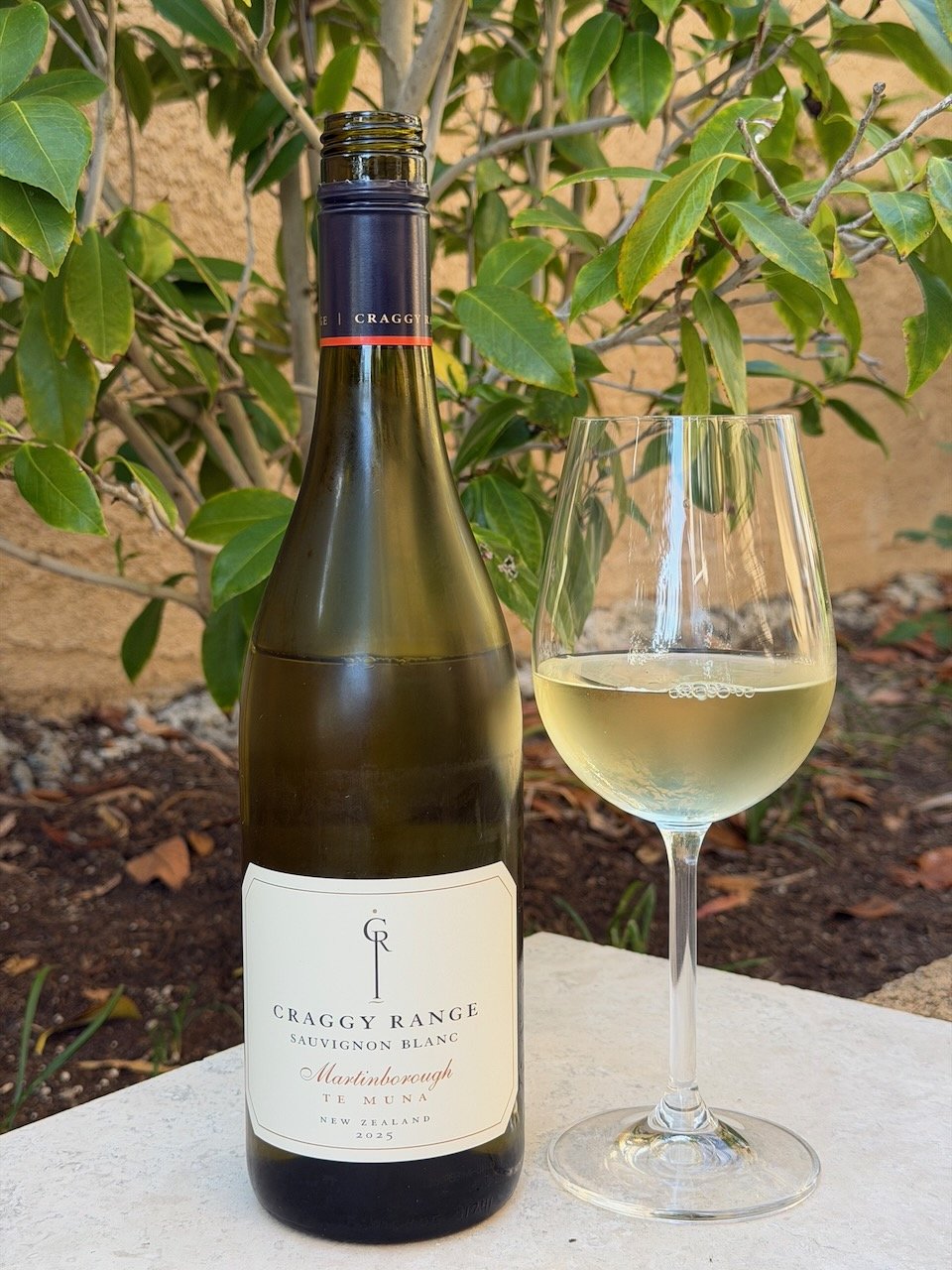
This 2025 Craggy Range Sauvignon Blanc is a medium straw color with bold tropical aromas as well as the scent of freshly cut grass. On the palate, this medium-bodied wine has highly refreshing acidity, with flavors of lime, grapefruit and green apple. It finishes bright and smooth.

This Craggy Range Sauvignon Blanc is just perfect for a warm evening - with a meal or just by the glass. That makes it a perfect fit as this week's Behind the Cork™ Wine of the Week. Cheers!


Disclosure of Wine Sample Submission: I received this sample at no cost for review. The opinions expressed are entirely my own.
Media Sample Provided by Craggy Range Winery via Kobrand Wine and Spirits