A Tour of Wine Grapes: Sauvignon Blanc (Part 2)

Sauvignon Blanc 🥂

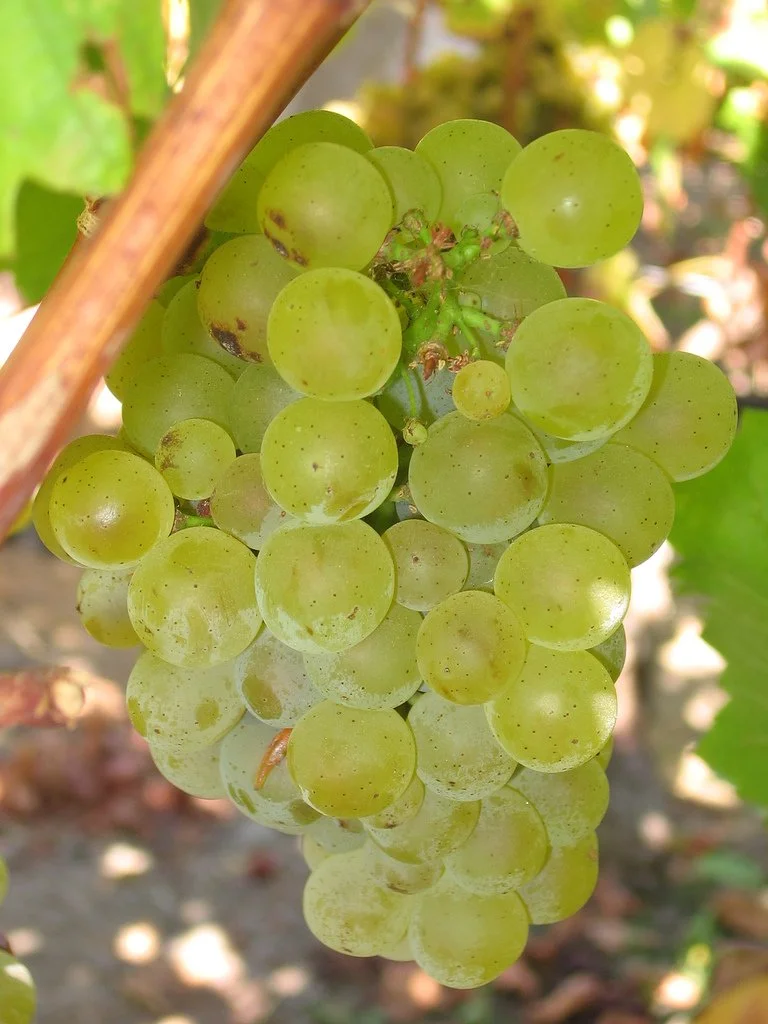
Photo: Geolina163 & 1971markus on Wikimedia Commons

Last time we looked at Sauvignon Blanc - its history, aromas and flavors. Now, let’s take a look at two different growing regions for Sauvignon Blanc: California and New Zealand.

Sauvignon Blanc is a white wine made from the same grape variety, but the wines produced in California and New Zealand are different because of their climates.

California Sauvignon Blanc generally comes from a warmer climate, which alters how the grapes ripen on the vine. The warm weather causes the grapes to develop higher sugar levels and lower natural sharpness, or acidity. As a result, the final wine usually features dominant flavors of ripe fruits like melon, peach, and citrus. The texture of the wine tends to be smoother and less sharp on the tongue.

In contrast, New Zealand Sauvignon Blanc is mostly grown in the Marlborough region, which has a much cooler ocean climate combined with high levels of sunlight. The cool nights keep the natural acidity levels high, giving the wine very sharp, crisp, and refreshing flavors. New Zealand versions have aromas and flavors of grapefruit, lime, passion fruit, fresh-cut grass, and green bell pepper.

In summary, when comparing the two side-by-side, the differences come down to acidity and flavor profiles. California versions are less tart, have a heavier or smoother texture, and lean toward sweeter fruit flavors. New Zealand versions are highly tart, feel lighter in the mouth, and lean toward green herbs and citrus flavors.
Behind the Cork™ - Bezel Sauvignon Blanc

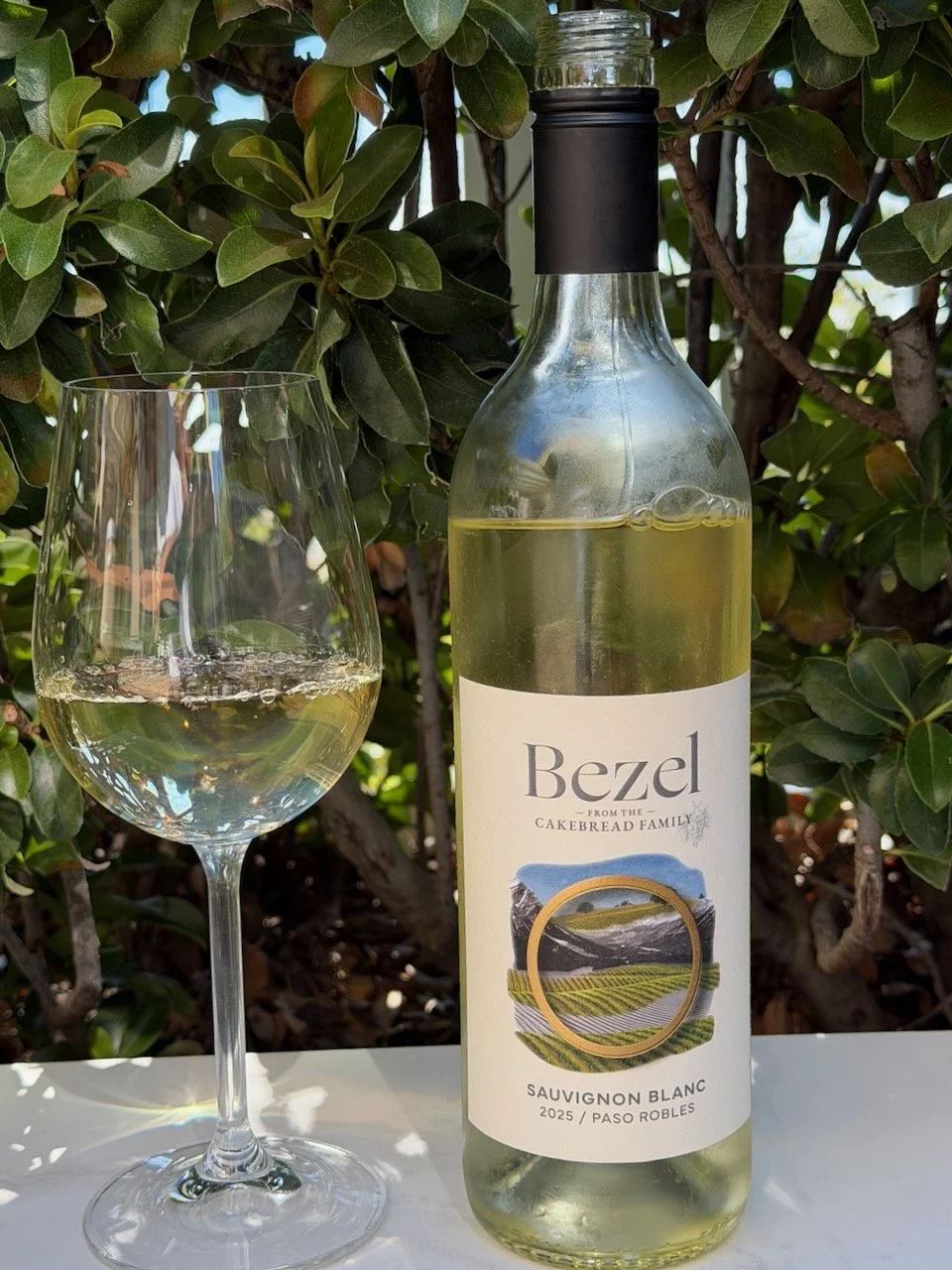
2025 Bezel Sauvignon Blanc ($25.99)

Bezel Wines is a fresh wine adventure from the well-known Cakebread Family of wines.

Since 1973, they’ve been making wine in Napa Valley at Cakebread Cellars in Rutherford, California. But with Bezel, they’re venturing out of Napa to discover the hidden treasures of California wine country on the Central Coast.

In this case, the Bezel Sauvignon Blanc was crafted in Paso Robles using 98% Sauvignon Blanc and 2% Chardonnay. All the wine making was done in stainless steel to retain the bright fruit flavors.

This Bezel Sauvignon Blanc is a pale straw color with aromas of citrus and tropical fruits. On the palate, this medium-light wine has bright flavors of citrus and grapefruit, and refreshing high acidity. It finishes very smooth and easy with just a hint of the citrus tartness. [ABV: 12.5%, pH: 3.25, TA: 6.7 g/l, Residual Sugar: 0.11 g/L]

This 2025 Bezel Sauvignon Blanc is a refreshing wine that will pair well with most foods. But, it’s also great all by itself! And, at this price, it’s a great fit as this week’s Behind the Cork™ Wine of the Week. Cheers!


Disclosure of Wine Sample Submission: I received this sample at no cost for review. The opinions expressed are entirely my own.

Media Sample Provided by Bezel via Kobrand Wine and Spirits

A Tour of Wine Grapes: Sauvignon Blanc (Part 1)

Sauvignon Blanc 🥂

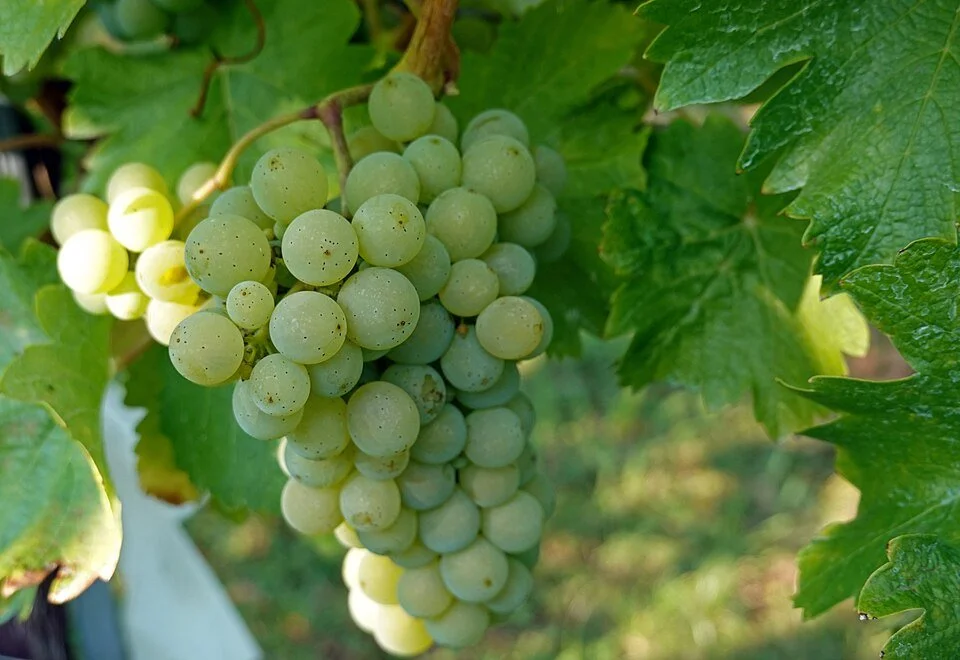
Photo by Nathan on Wikimedia Commons

The name originates from the French words sauvage ("wild") and vigne ("vine"). Native to western France, written records document its cultivation in the Loire Valley and Bordeaux by the 18th century.

It is a natural cross between Sauvignon Blanc and Cabernet Franc grapes.

Today, winemakers grow it throughout the world. France produces lean, high-acid styles, while New Zealand's Marlborough region focuses on highly aromatic, pungent styles. California produces both crisp styles and barrel-aged varieties, while Chile, South Africa, and South Australia also maintain significant commercial production.

Sauvignon Blanc wines have notes of green grass, lime, and green bell pepper. Warmer climates yield tropical fruit profiles like passion fruit and peach. On the palate, it is a dry wine with a light body and bright acidity.

Winemakers use two main methods: unoaked (fermented in stainless steel to preserve fruit and acidity) and oaked (aged in barrels to add a creamy texture and vanilla notes). In California, the oaked style is labeled Fumé Blanc.

Sauvignon Blanc should be consumed within one to three years of the vintage date. Serve it chilled between 45°F and 50°F (7°C to 10°C) in a white wine glass with a narrow bowl to direct aromas upward.

Behind the Cork™ - Caposaldo Chianti

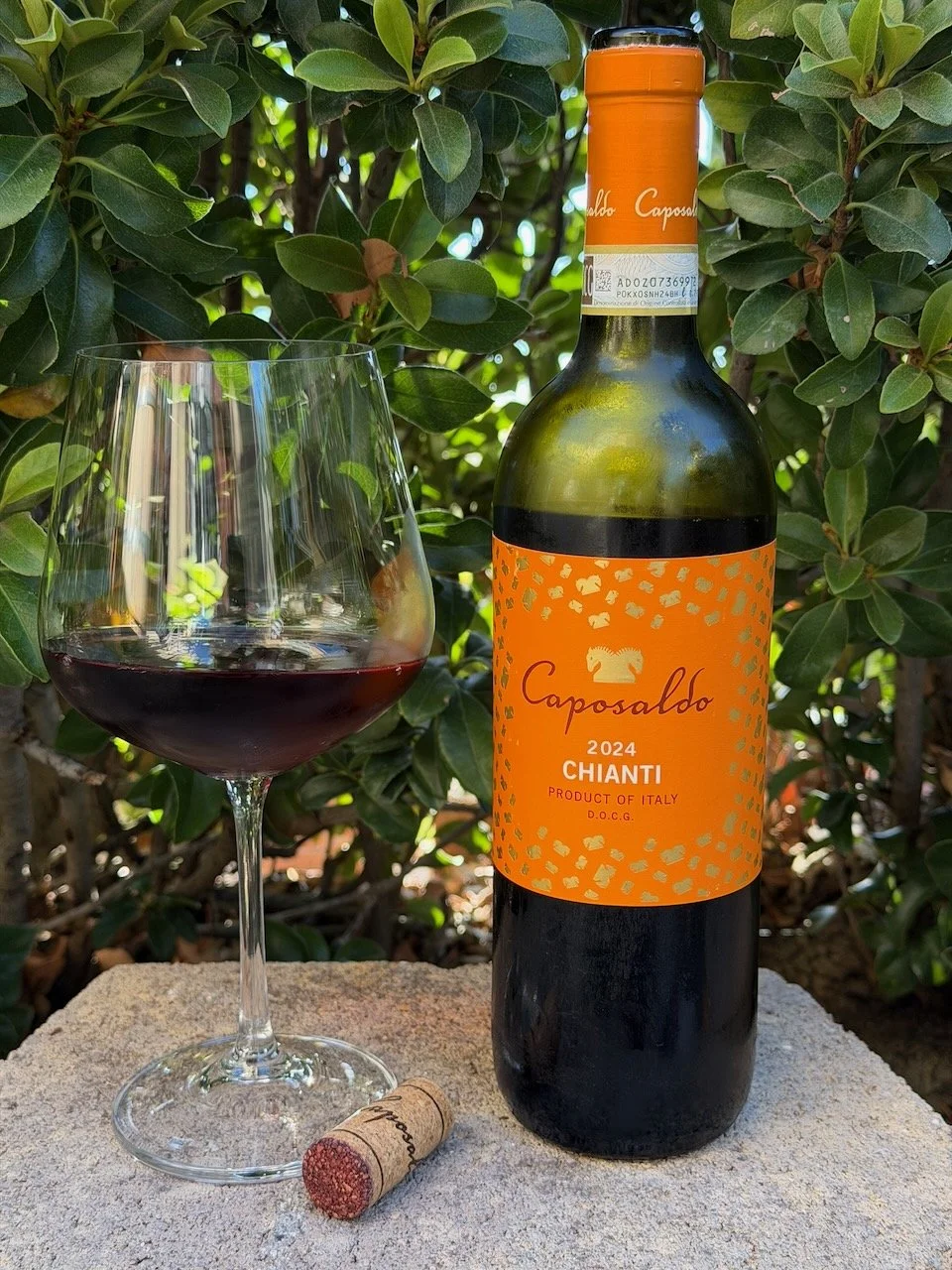
2024 Caposaldo Chianti ($12.99)

The name Caposaldo translates to “benchmark” in Italian—a bold claim that the wine backs up with a legendary backstory.

If you look closely at the label, you'll spot golden horse heads. These pay tribute to Caposaldo, a historic Roman racing horse favored by Emperor Nero. By conquering Rome’s Circus Maximus, the champion horse became the ultimate standard of excellence, a quality that Caposaldo wines aim to replicate in every bottle.

In the Chianti DOCG, every bottle must contain a minimum of 70% Sangiovese grapes. The website suggests that Caposaldo uses 75% Sangiovese, along with Merlot and Cabernet Sauvignon in this wine. These grapes are handpicked on the rolling hillside vineyards of Tuscany, Italy, specifically spanning across the hilly provinces of Arezzo and Siena.

The winery uses stainless steel tanks for fermentation. Then, 30 percent of the wine is separated to age for six months inside traditional oak vats before blending and bottling.

This 2024 Caposaldo Chianti is a medium-ruby color with delicate aromas of dark fruit. On the palate, this medium-full-bodied Chianti has rich flavors of black cherry, blackberry and plum. It has medium acidity and medium-high tannin. It finishes easy.

This 2024 Caposaldo Chianti is a great Italian wine that will pair well with most Italian dishes. But, it’s also great all by itself! And, at this price, it’s a great fit as this week’s Behind the Cork™ Wine of the Week. Cheers!


Disclosure of Wine Sample Submission: I received this sample at no cost for review. The opinions expressed are entirely my own.

Media Sample Provided by Caposaldo via Kobrand Wine and Spirits

A Tour of Wine Grapes: Sangiovese

Sangiovese 🍷

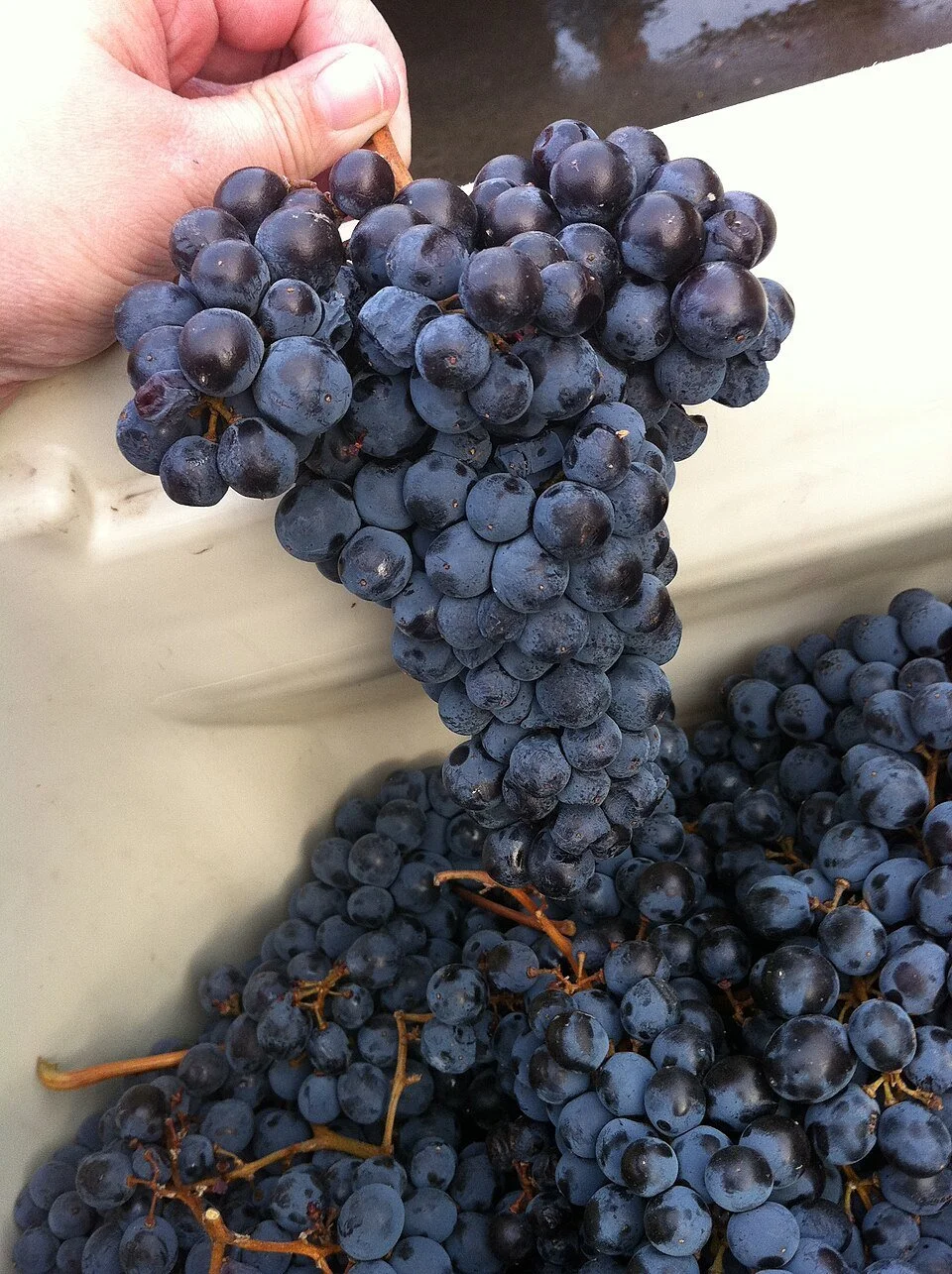
Photo by Agne27 on Wikimedia Commons

Sangiovese is the most widely planted red wine grape in Italy. The name comes from Latin words meaning "the blood of Jupiter," which shows that people have grown it since ancient Roman times.

Its main home is the Tuscany region of Italy, where winemakers use it to make famous wines like Chianti and Brunello di Montalcino. Today, farmers also grow this grape in other warm parts of the world, including California, Washington State, and South Australia.

Aromas include red cherry, strawberry, and dried herbs. On the palate, it has flavors of tart cherry, plum and blackberry. It is naturally high in acidity, which makes the wine taste crisp. It also has medium-high tannins.

The aging potential of the wine depends on how the winemaker made it. Simple, inexpensive bottles are meant to be consumed within 3 to 5 years of the harvest. High-quality bottles can age in a cellar for 10 to 20 years.

Serve Sangiovese at 60°F to 65°F (15°C to 18°C). Use a standard red wine glass with a slightly narrowed top.