Behind the Cork™ - Red Wines of Maremma Toscana

Red Wines of Maremma Toscana

These red wines from the Maremma Toscana sub-region of Italy’s Tuscany are considered “Super Tuscans” using non-native Italian grapes and/or blends.

Many fine examples of Super Tuscans come from the region of Maremma, on the Tyrrhenian Sea coast in the southwest of Tuscany.

Here are five wonderful examples:

2017 Cantina I Vini di Maremma Sangiovese ($12)

This wine is a blend of “no less than 40% of Sangiovese with other red grapes according the production protocol restrictions” of the region. It was fermented on the skins and aged in concrete tanks. It is medium garnet in color with aromas of black cherry and plum. On the palate it has deep, rich fruit flavors, medium acidity, medium-low tannin and a hint of caramel on the finish.

2016 I Cavallini Pause Merlot ($18)

This wine is produced from 100% Merlot that is hand harvested and undergoes spontaneous fermentation in small barrels with indigenous yeast for four to six weeks. It is then aged sur lie for 12 months in barrels with weekly battonage. It is medium garnet in color with an aroma of black cheery. On the palate it has distinct black cherry flavor with just a hint of tartness on the finish.

2016 Fattoria di Magliano Perenzo Syrah ($23)

This wine is 100% Syrah that is fermented in stainless steel vats for 20 to 25 days. It was aged 12-24 months in medium toasted oak barrels that have a minimum of 24 months seasoning. It is pale ruby in color with a delicate aroma of black fruit. On the palate it has good depth of character and complexity, medium tannin and a nice finish.

2013 Villa Pinciana Terraria ($24)

This wine is a blend of 45% Sangiovese, 45% Cabernet Sauvignon and 10% Petite Verdot. It was fermented in stainless steel tanks and aged for 15 months in small French oak barrels. It is deep garnet in color with aromas of black fruit and spice. On the palate it has flavors of cherry and raspberry, medium tannin and good acidity.

2015 Prelius Prile ($12)

This wine is produced from 40% Cabernet Sauvignon, 40% Sangiovese and 20% Merlot. It was barrel aged in French oak for 18 months. It is medium ruby in color with delicate aromas of black fruit and spices. On the palate it shows sweet red cherry and black fruit flavors, good depth of character, with moderate tannin and acidity.


Disclosure of Wine Sample Submission: I received these samples at no cost for review. The opinions expressed are entirely my own.
Samples Provided by Francesco Mazzei, President of the ‘Consortium for the protection of Maremma Toscana Wines’ (via ZEDCOMM)

Behind the Cork™ -- Sandy Giovese Vino Rosso

Sandy Giovese Vino Rosso ($32)

Amy Ezrin, the founder of Sandy Giovese wines, was training to be an opera singer and lived in Italy for eight years. During this time, she found that she was an OK singer but was really good at speaking Italian and tasting wine. So, she got into the wine business.

She jokes that her alter ego was Sandy Giovese, which is a play on the name of one of Italy’s greatest red grapes, Sangiovese.

This Sandy Giovese Vino Rosso might seem to just be a fun and whimsical box of wine. But, it’s actually a seriously good wine that also happens to be a tremendous value.

Sandy Giovese Vino Rosso is organically farmed and produced from 85% Sangiovese (the grape that is famous for Chianti wine) and 15% Trebbiano.

Vino Rosso is medium ruby in color with jammy aromas of red fruit and herbal notes. On the palate it has the classic Sangiovese flavor of red cherries. It’s medium bodied with medium acidity and finishes light and refreshing.

If you are still on the fence with respect to box wine, here’s your reason to hop off and pick one up! This one is 3 liters of really nice wine for the price of a couple of bottles. And, it’ll last for weeks (if you have enough restraint!). All this make the Sandy Giovese Vino Rosso a great fit as the Behind the Cork™ Wine of the Week.

And, look for Rosie Giovese Vino Rosato (Rosé) also in the 3 liter box! Cheers!


Disclosure of Wine Sample Submission: I received this sample at no cost for review. The opinions expressed are entirely my own.
Sample Provided by Sandy Giovese Wines (via Savona Communications)

Ever Wonder About Sangiovese Wine?

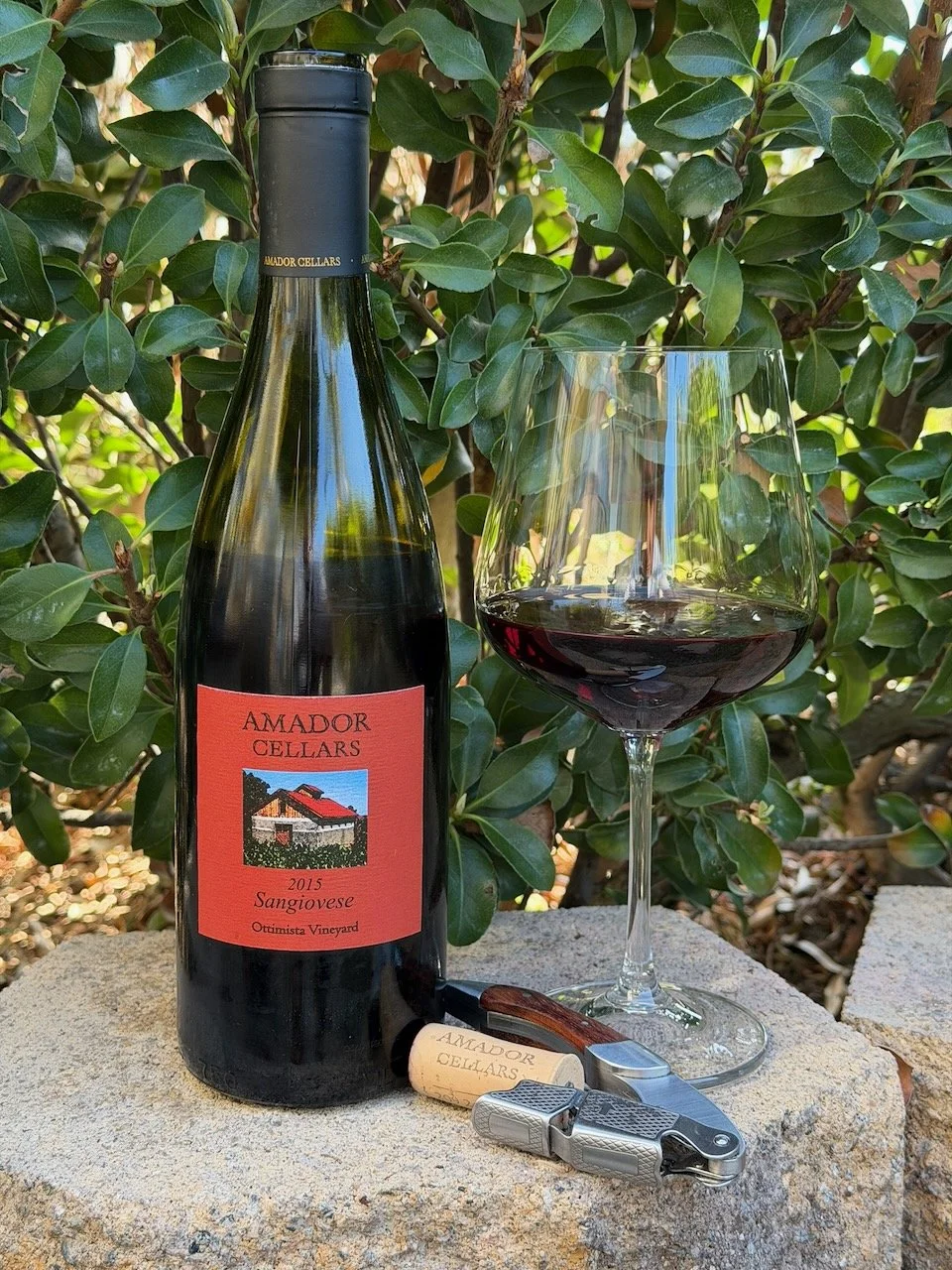
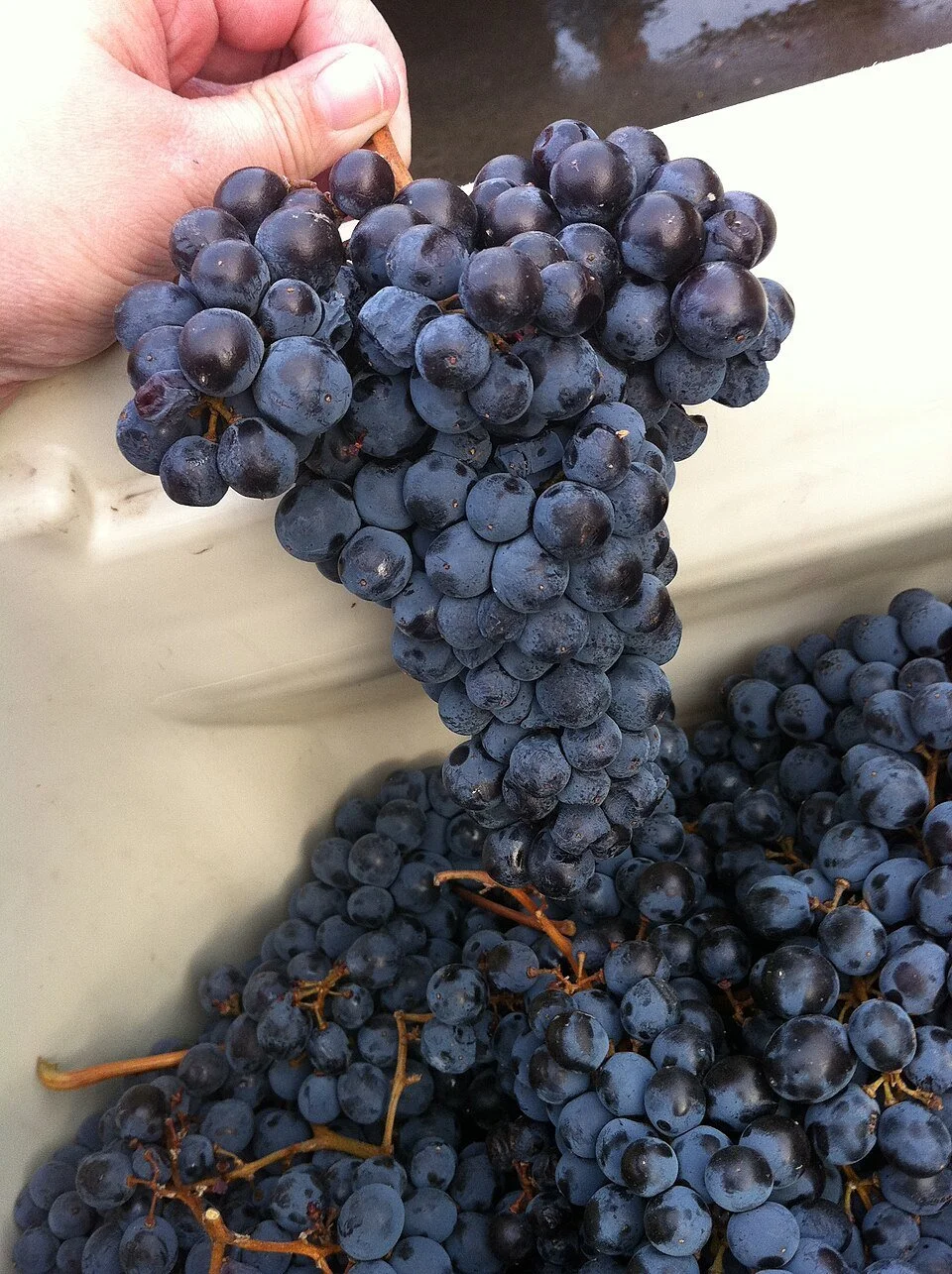
Sangiovese (san-jo-VEH-zay) is a famous grape from Italy. Some believe that this indigenous Italian grape dates back to the second century BC, where it was first known to be cultivated by the Etruscan winemakers of Tuscany.

Literally translated from Latin, Sangiovese means the “blood of Jove” in reference to the ancient Roman king of the gods, Jupiter. Sangiovese is Italy’s most planted grape and likely best known as the primary grape used to produce Chianti.

Chianti is region in Tuscany that specializes in Sangiovese. But, there are several other regional names for wines that are made from Sangiovese including Vino Nobile di Montepulciano, Rosso di Montepulciano, Sangiovese Grosso, and Brunello di Montalcino. The Tuscan region of Montalcino produces a very age-worthy Sangiovese that that improve over 10 to 20 years.

Sangiovese is more subtle than other red wine varieties landing about mid-way between a Cabernet Sauvignon and Pinot Noir. Wines produced from the Sangiovese grape are medium to full bodied, dry, and highly acidic, with fruity and savory flavors. Common flavors and aromas include Cherry, Plum and herbs. Additionally, oak aging can add licorice, leather, tobacco and smoke.

Sangiovese has seen renewed interest in the United States after the success of Super Tuscan wines (subject of our next blog) in the 1980s. Sangiovese producing areas include the California regions of Napa Valley and Sonoma County, as well as Washington state.

If you are just getting started with Sangiovese, pick up a bottle of Chianti or Chianti Reserva and enjoy! Cheers!

Looking for a Nice Chianti? Look for the Black Rooster!

Chianti is a great wine to enjoy with an Italian meal. Whether it is spaghetti and meatballs, sausages or pizza, a Chianti is a great pairing. And it's not hard to find a good one.

Chianti is a region within Tuscany in central Italy, between Florence and Siena. And it produces the best known of the Italian wines. While the wines have been around since the Middle Ages, the Chianti region was officially established in the 18th century (1716 to be exact). But it wasn't until 1967 that the Chianti Denominazione di Origine Controllata (DOC) was created. Then, in 1984, the region reached Italy's highest level of wines, the Denominazione di Origine Controllata e Garantita (DOCG). This is important because DOC wines are the most commonly found wines in Italy, while DOCG wines only cover a handful of Italian wines with the highest of quality.

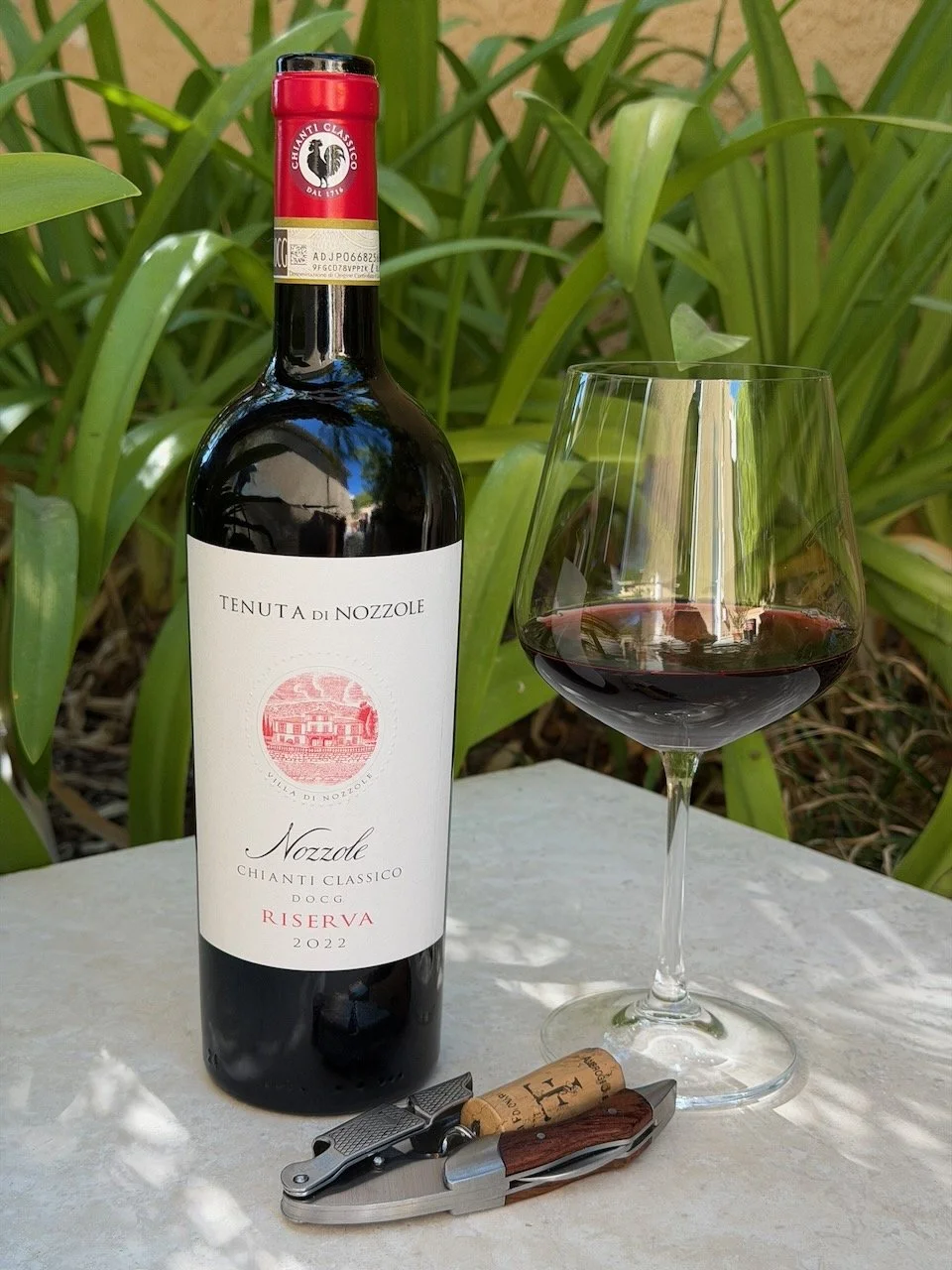
And in case you didn't know, Chianti is a region, not a grape.  The wines of Chianti are made from the Sangiovese grape. Local laws require Chianti to have at least 70% Sangiovese with the more prestigious Chianti Classico having at least 80% Sangiovese.

When shopping for Chianti, look for the black rooster (gallo nero in Italian) on the neck of the bottle.  The black rooster indicates it's Chianti Classico making it easy to distinguish from the more common Chianti.

Some may also think of Chianti as the wine in the straw basket.  While it was a distinguishing trait of Chianti in the past, most producers are now using the traditional styled wine bottle. So, if you're trying to create an Italian look for your meal, a bottle of Chianti with a straw basket base will certainly do. But if you're looking for a nicer bottle of Chianti, go with the rooster. Cheers!