

Tempranillo 🍷
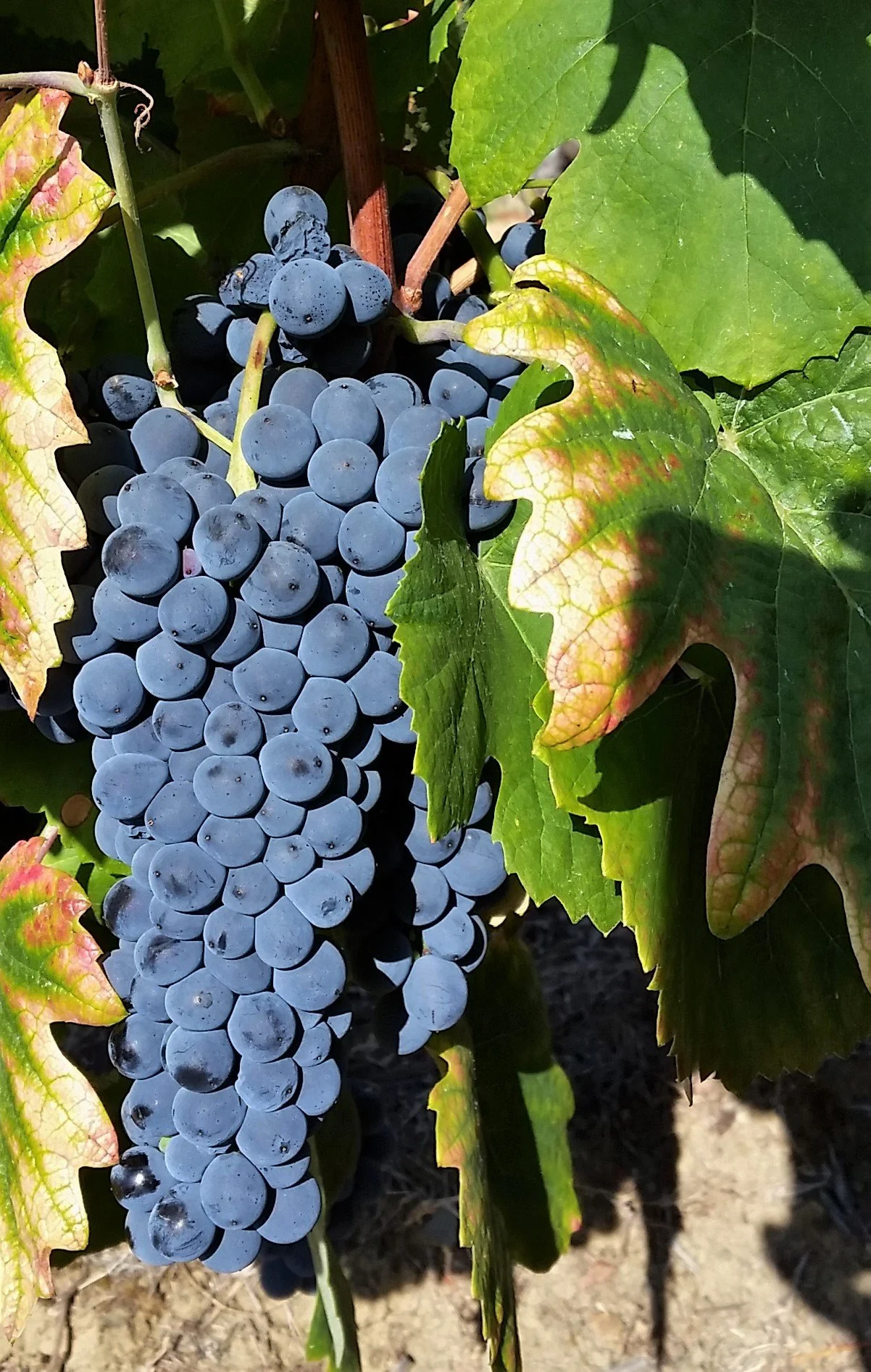
Photo by Holger Casselmann on Wikimedia Commons
Tempranillo is a red wine grape with a history that dates back over 2,000 years, likely introduced to Spain by the Phoenicians. The name comes from the Spanish word "temprano," meaning early, because this grape ripens weeks before most other Spanish red varieties.
Spain is its primary homeland, particularly in the Rioja and Ribera del Duero regions, where it is used in the country's most famous red wines. Beyond Spain, Tempranillo is grown in Portugal (where it is often called Tinta Roriz and used in Port wine production), as well as in California, Australia, and Argentina.
Tempranillo features a distinct range of aromas and tastes. Freshly made versions are fruit-driven, offering clear flavors of red cherry, plum, and tomato. When the wine is aged in oak barrels, it transforms and picks up savory notes of vanilla, tobacco, leather, and clove. It has a medium-to-full body with noticeable tannins—the element that dries out your mouth—and a moderate level of acidity that keeps the wine tasting fresh rather than heavy.
This grape is well-known for its excellent ability to age, and Spanish bottles are officially named based on how long they mature. Simple versions, labeled as Joven, receive little to no oak time and are meant to be consumed young. Wines labeled Crianza are aged for two years with six months in oak, balancing fresh fruit with light spice. High-quality Reserva wines age for three years with one year in oak, while top-tier Gran Reserva wines spend five years aging before release. Premium bottles have 10 to 30 years of potential aging with the bright fruit flavors softening into smoother, more velvety textures.
To get the most out of these flavors, the wine should be served slightly cool, at a temperature between 60°F and 65°F (15°C to 18°C). Serve in a large, standard red wine glass with a wide bowl.