

Sémillon 🥂
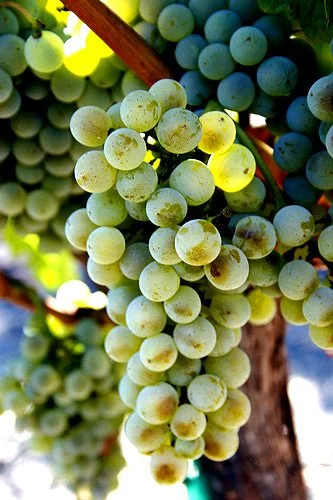
Photo by Alison Parks-Whitfield on Wikimedia Commons
Sémillon (seh-mee-yohn) is a yellow-skinned grape native to Bordeaux, France, where it has been grown for hundreds of years.
The name likely comes from the local pronunciation of Saint-Émilion (san-tay meel-yohn). By the 1800s, the grape traveled to South Africa and Australia, where it quickly became a major crop.
France remains the top producer. Australia’s Hunter Valley is another major region, famous for crisp, single-variety Semillon. You can also find this grape in Chile, South Africa, Argentina, Canada, and the United States, mostly in California and Washington.
Sémillon wine has aromas and flavors of lemon, lime, green apple, and pear. Sweeter versions, or those from warmer climates, taste like honey, apricot, peach, and mango. If aged in oak barrels, the wine takes on flavors of vanilla and toasted bread.
Sémillon is also used in creating sweet dessert wines through a helpful fungus called noble rot. This fungus dries the grapes on the vine, concentrating the natural sugars.
While typically consumed fresh, high-quality Sémillon can age in a bottle for 10 to 20 years or longer. As it sits, the fresh fruit flavors fade, and the wine develops deep flavors of toasted nuts, honey, and beeswax. The color also changes from a pale yellow to a rich gold.
Serve Sémillon at 45°F to 50°F (7°C to 10°C) in a standard white wine glass.