Behind the Cork™ - Tenuta di Nozzole Chianti Classico

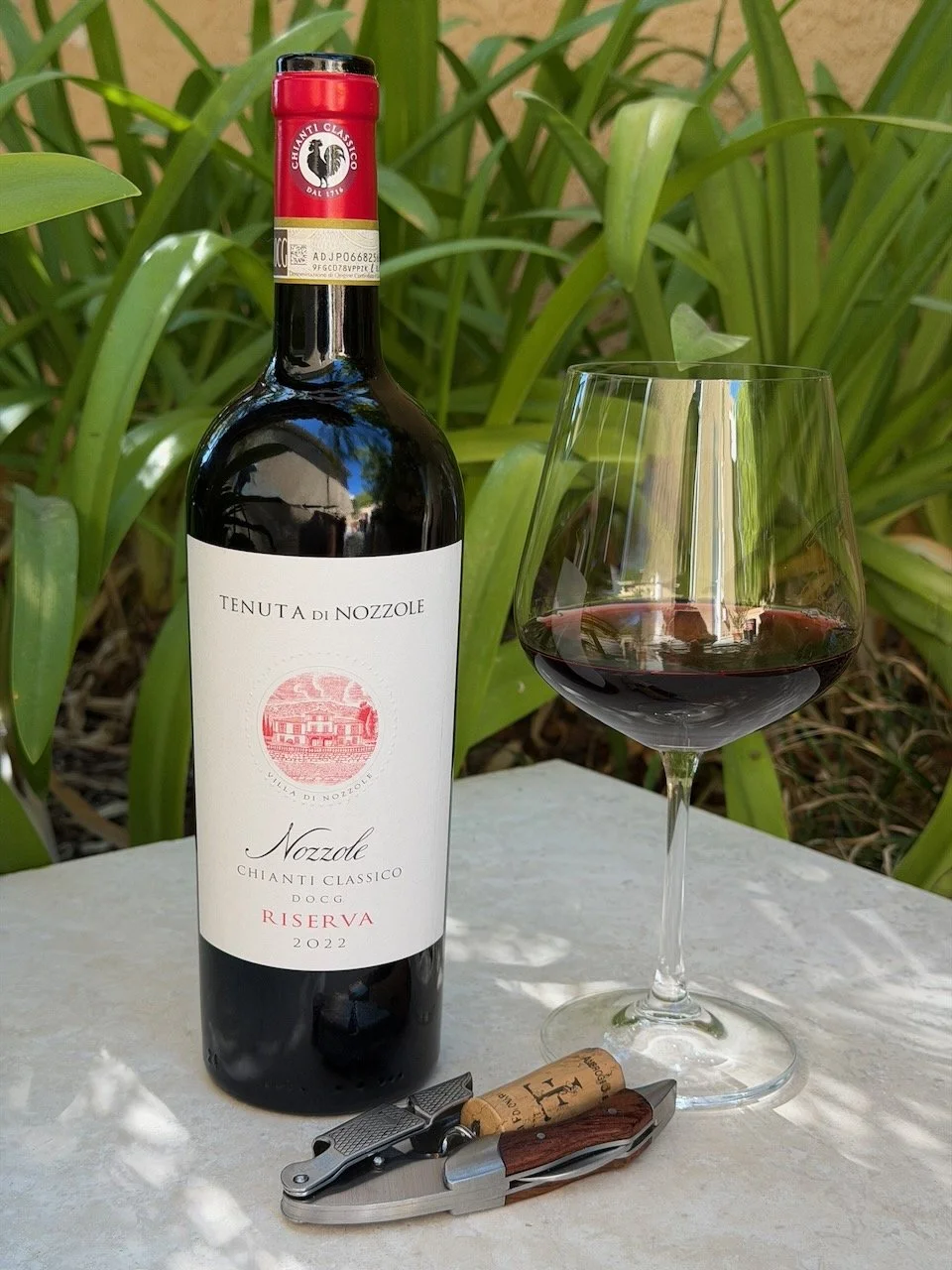
2022 Tenuta di Nozzole Chianti Classico ($28.99)
Tenuat di Nozzole is a Tuscan estate in Italy that dates back to the year 1300. Derived from nozze (meaning marriage or nuptials), the name originally designated a 14th-century meeting crossroads or land gifted for wedding celebrations. By 1300, it was frozen in time as the official name of this specific, rugged plot of land.

The modern era of the property began in 1971 when the multi-generational Folonari family purchased the estate. Nino Folonari bought Nozzole to transition away from mass production and instead toward high-end, estate-bottled winemaking.

Located in the heart of Greve in Chianti, the property has 220 acres dedicated specifically to specialized grape cultivation.

The 2022 Tenuta de Nozzole Chianti Classico Riserva is produced from 100% Sangiovese grapes. Fermentation took place in stainless steel vats for roughly 15 days. The wine was then aged for 10 to 12 months in French oak barrels, using 33% new oak. Finally, it spent a minimum of three months in the bottle before being released.

This Chianti Classico (the one with the black rooster on the neck band) is medium ruby in color with aromas of black fruit and herbs. On the palate, this medium-full bodied wine has the classic black cherry flavor with a bit of blackberry and plum. It has medium-high acidity and is very smooth. It finishes long and easy.

When looking for a great Chianti, always look for the black rooster on the neck band. That ensures that it is a wine from the Chianti Classico region of Italy. This is a great one and a perfect fit as the Behind the Cork™ Wine of the Week. Cheers!


Disclosure of Wine Sample Submission: I received this sample at no cost for review. The opinions expressed are entirely my own.

Media Sample Provided by Tenuta de Nozzole via Kobrand Wine and Spirits
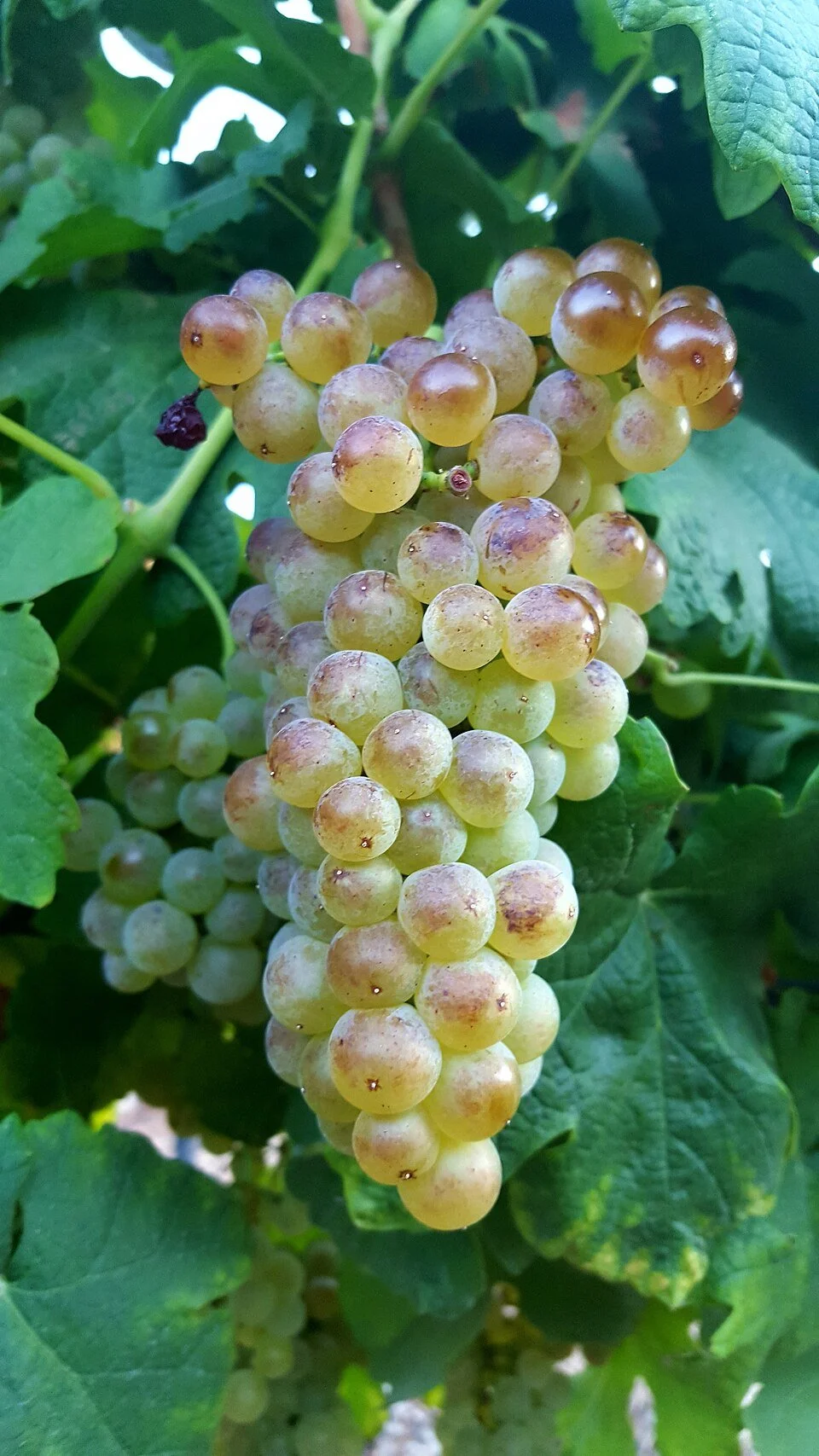
A Tour of Wine Grapes: Roussanne

Roussanne 🥂

Photo by Carlos the Great on Wikimedia Commons

Roussanne (rooh-sahn) is native to the Rhône Valley in Southern France. Experts first wrote about it in the late 1700s in the Hermitage region.

Today, it is still a major grape in famous French wines like Châteauneuf-du-Pape and Hermitage, where winemakers often blend it with Marsanne to balance its flavors.

Outside of France, Roussanne has found a popular second home in California, particularly along the Central Coast. Winemakers also grow smaller amounts of this grape in Washington State, Australia, and Tuscany, Italy.

The grape gets its name from "roussille," which is the French word for the reddish-gold or russet color the berries turn right before they are harvested.

Wines made from Roussanne are famous for their intense and unique smells. When you take a sip, you will often smell herbal tea, wildflowers, pears, and white peaches. As the wine ages, it starts to smell like nutty almond paste and warm honey. On the palate, Roussanne feels heavy and smooth, almost like oil or cream. It has flavors of green apple, lemon zest, honey, and baking spices, such as vanilla, if the wine is aged in oak barrels.

Roussanne is excellent for aging. You can enjoy it fresh within its first three years, or you can let it sit in a cellar for up to 15 years.

Serve Roussanne slightly chilled at 50°F to 55°F (10°C to 13°C) in a standard white wine glass with a slightly narrow opening, which helps trap the intense aromas.

Behind the Cork™ - Shades of Blue Riesling

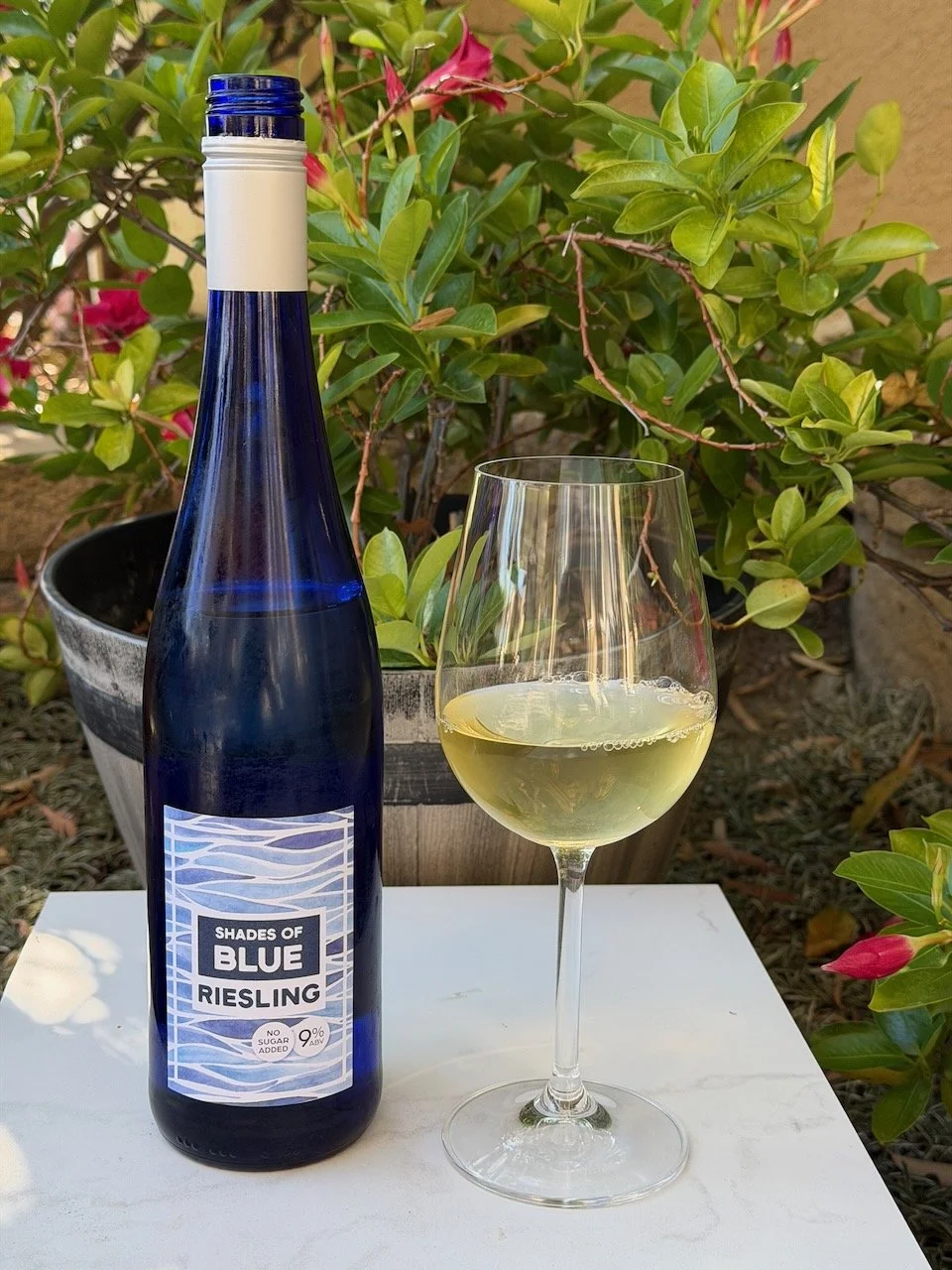
Shades of Blue Riesling ($11.99)

Shades of Blue Riesling is a white wine made by a family-owned winery in Germany. The grapes grow on steep river slopes where the soil is composed of slate and limestone.

Because the climate in this region is cool, the grapes stay on the vines longer and ripen slowly before harvest. This extended growing season allows the fruit to develop while maintaining its natural acidity level.

After harvest, the winemakers press the grapes and transfer the juice into temperature-controlled stainless steel tanks for fermentation. These metal tanks are neutral and do not add any external flavors to the wine, which keeps the natural characteristics of the fruit intact.

It should be noted that the fermentation process is stopped early to leave a portion of the natural grape sugars in the final product. This technique results in a wine with 9.5% alcohol content (relatively low) and a semi-dry style (i.e., some residual sugar).

Shades of Blue Riesling is a medium gold in color with aromas of green apple, citrus and honey. On the palate, this medium-light bodied wine hasd bright acidity that is off-set by the sweetness. Flavors include green apple and citrus. It finishes sweet and tart.

Shades of Blue Riesling is wonderfully refreshing and goes with well with white meats, seafood and cheese. Or, all by itself! It’s a really nice wine at a tremendous price. That makes it a great fit as this week’s Behind the Cork™ Wine of the Week. Cheers!


Disclosure of Wine Sample Submission: I received this sample at no cost for review. The opinions expressed are entirely my own.

Media Sample Provided by Shades Wines via Kobrand Wine and Spirits

A Tour of Wine Grapes: Riesling

Riesling 🥂

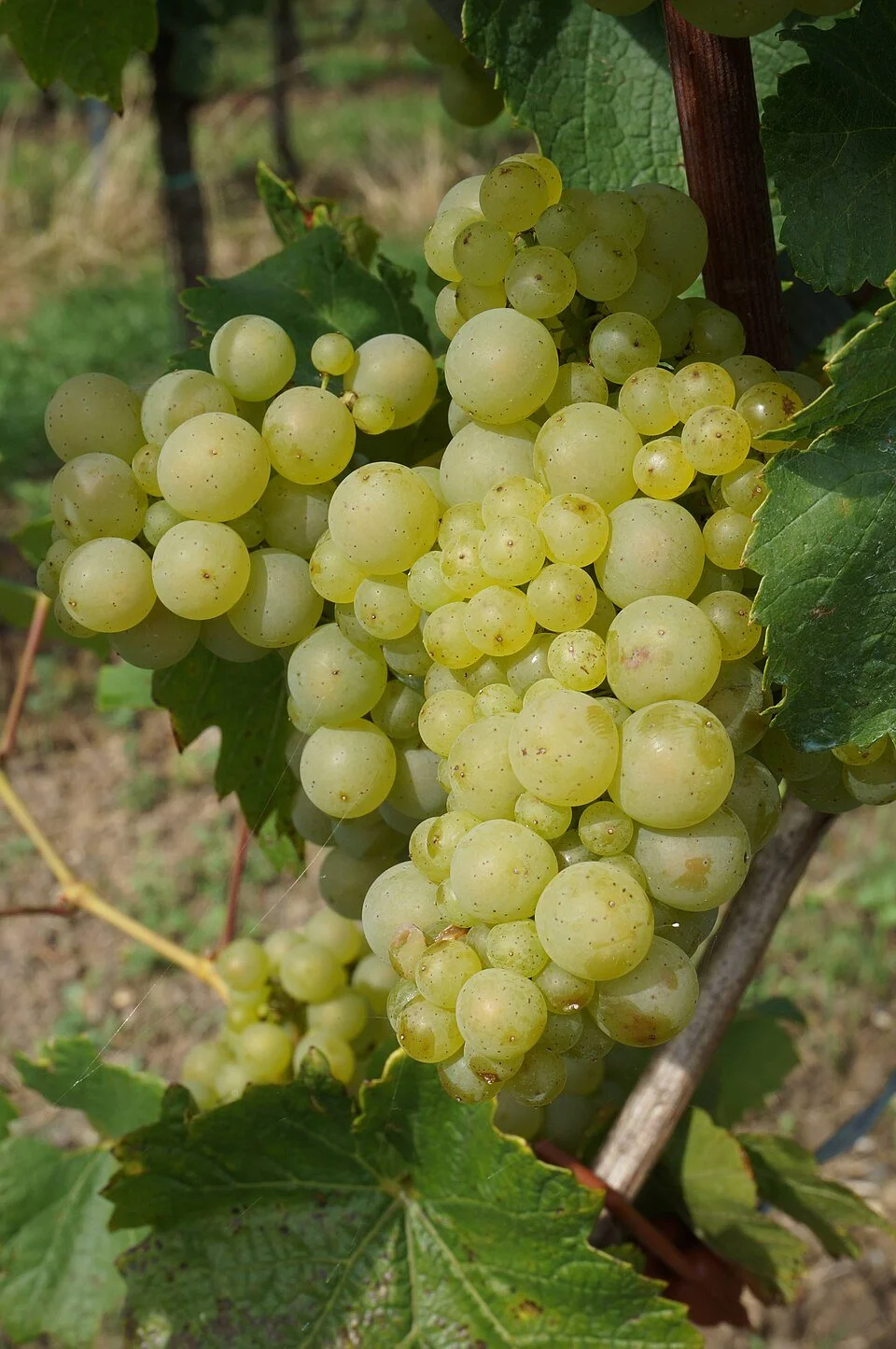
Photo by Kmtextor on Wikimedia Commons

Riesling (reese-ling) is a white wine grape that originated along the Rhine River in Germany, with records dating back to 1435. It was originally grown by monks and royalty.

Germany is still the most famous country for Riesling. However, it is also widely grown in Alsace (France), Austria, Australia, Washington State, and New York's Finger Lakes. Depending on where it is grown, the wine can taste completely different.

Unlike many other white wines like Chardonnay, Riesling is almost never aged in oak barrels. This keeps the wine tasting fresh and crisp.

When you smell a young Riesling, you may notice aromas of green apple, pear, peach, and white flowers. On the palate, you get bright flavors of lime, lemon, honey, and ginger. Riesling has very high natural acidity, which makes your mouth water immediately.

Riesling is made in a wide range of styles, from bone-dry with no sugar at all, to intensely sweet dessert wines. Dry Riesling (little to no residual sugar) is crisp, tart, and highly refreshing and referred to as “Trocken.” Off-dry (a.k.a. Medium-sweet) Riesling contains a moderate amount of residual sugar but does not taste sugary because of the grapes strong acidity and are referred to as “Halbtrocken.” Sweet Dessert Riesling is a rich, syrupy sweet wine meant for sipping after a meal. These are referred to as Trockenbeerenauslese (often abbreviated as TBA).

Riesling can be aged longer in a cellar than almost any other white wine. A dry Riesling can improve for 10 years, and sweet versions can last for decades. As it gets older, the fresh fruit flavors change into dried fruit and honey tastes, and the wine famously develops a distinct smell that resembles premium oil or kerosene.

To serve Riesling, use a standard white wine glass with a narrow top. Serve dry styles very cold, straight from the fridge at 45–49°F (7–9°C). Sweeter or older bottles should be just slightly warmer at 50–54°F (10–12°C).

Behind the Cork™ - The Seeker Riesling

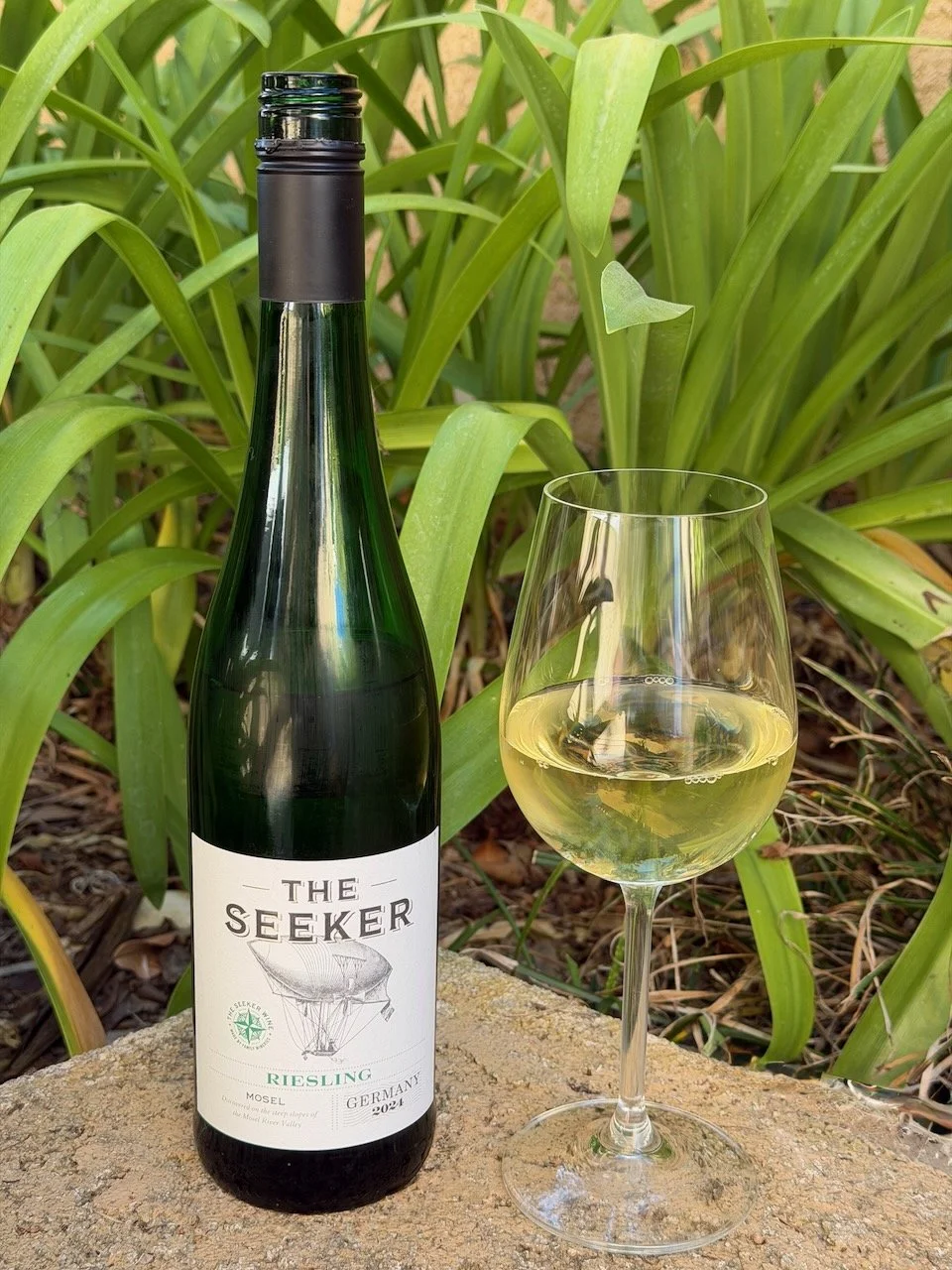
The Seeker Riesling ($14.99)

The Riesling grapes for this “The Seeker” wine were discovered by a husband and wife team in the famed Mosel Valley in Germany. This region features steep vineyard sites with fine, mineral-rich slate soil and perfect exposure to sun and wind.

The vineyards were 100% hand-harvested to ensure top-quality grape selection. Traditional wine-making methods were observed, with individual wine-pressing techniques passed down through generations. Vinification took place in stainless steel and oak casks over 4-6 weeks, followed by aging in tanks and oak casks for 3-8 months.

This 2024 The Seeker Riesling is pale gold in color with aromas that include citrus, green apple and floral notes. On the palate, this medium-light bodied wine is off-dry (some sweetness) with bright refreshing acidity and flavors of grapefruit and tropical fruits. It finishes with mouth-watering flavors that are great in warm weather or with spicy foods. [ABV: 11.69%, TA: 7.2 g/L, RS: 28 g/L]

The Seeker German Riesling is a real refresher that’s offered at a great price and widely available. That makes it a perfect fit as the Behind the Cork™ Wine of the Week. Cheers!


Disclosure of Wine Sample Submission: I received this sample at no cost for review. The opinions expressed are entirely my own.

Media Sample Provided by The Seeker Winery via Kobrand Wine and Spirits