Exploring Light Bodied Red Wines

Having just completed a series on light, medium and full bodied white wines, it's now time to transition to exploring red wines.

But first, just a quick review of the term 'body' as it relates to wine.  The four major components of a wine's body are formed by the alcohol level, the acidity, the tannin and the sweetness. While white wines have no tannin, red wines are going to have varying levels of tannin and this is really what sets them apart from white wines.

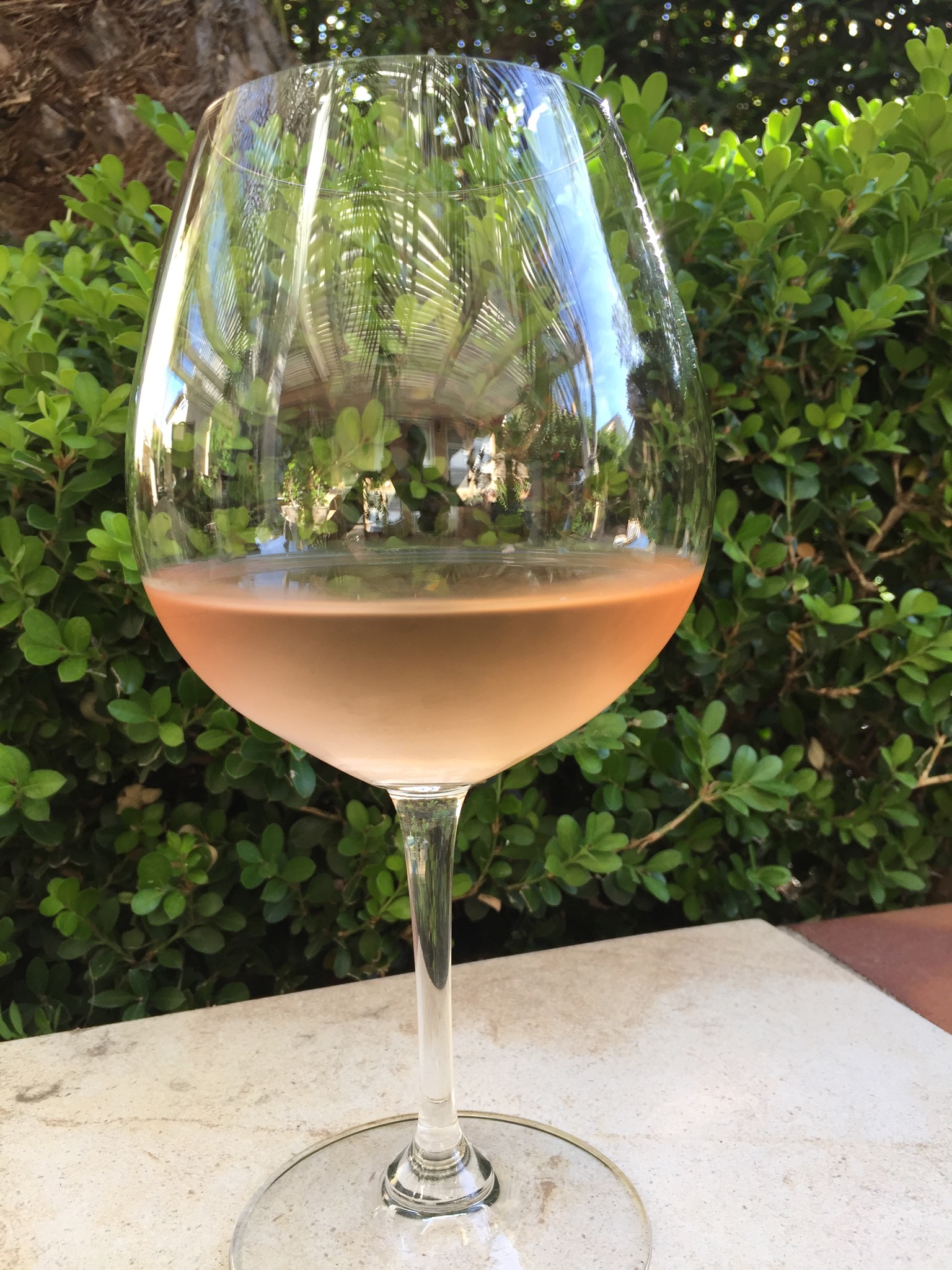
One might think that a rosé wine might be the perfect transition between white wine and red wines. After all, they are pink. And to some extent a rosé certainly does have a bit of both worlds. And that primarily comes from the fact that a rosé wine spends just a bit of time after it's pressed with the skins of the red grapes that they are produced from. That's what gives a rosé its pink color and just a very faint hint of tannin. But that's where the comparison ends. Rosé is going to have a lot more in common with white wine. It's going to have bright and crisp fruit flavors of strawberry and melon, mouth-watering acidity and be quite refreshing. 

The best place to start exploring red wines is with those that are light bodied. But in the past, light bodied red wines were often ignored. And some still are. Take Gamay for example. This grape makes a light, refreshing wine best known from the Beaujolais region of France.  Part of the reason that Gamay often gets ignored is the Beaujolais Nouveau that goes from vine to bottle in just a couple months. These wines are big in fruit and meant for celebrating the harvest, not for aging. This is not a wine for serious wine connoisseurs, collectors or critics. It's simply meant for celebration. So it is not taken too seriously by the wine elite.

But Gamay, of which more than 90% is grown in France, is also a serious grape for producing fine light red wine.  These wines can have flavors of raspberry, red currant, cherry, strawberry and boysenberry. A Gamay wine is very low in tannin and is generally made relatively low in alcohol by volume (ABV). Hence, the light bodied classification. Serve Gamay with a slight chill and you'll find it to be a bright fruit flavored wine with great perfumed aromas.

Next time we'll continue exploring light bodied red wines by getting into the wildly popular Pinot Noir. Until then, cheers!

Some More Thoughts on Medium and Full Bodied White Wines

Having just examined light bodied white wines and spent a bit of time on Chardonnay, it's time to look into some other white wines that are in the medium body and full body category. These are going to have bigger, fuller flavors than those of the light bodied whites, contain a bit more alcohol and may be aged in oak.

Here are some of the white wines that are considered medium bodied:

Gewürztraminer (go-veertz-tram-ee-ner) - This is a big fruit wine. It's also a very aromatic wine with the fragrance of roses petals, lychee and perfume. Flavors include pink grapefruit, tangerine, peach, mango, apricot and guava. This crisp and fresh flavored wine will typically have sweet undertones while still being dry (low residual sugar). These wines are most famously produced in the Alsace region of France where they can also take on a rich and silky texture with subtle salinity.

Grüner Veltliner (GREW-ner FELT-lee-ner) - Nearly three quarters of all Grüner Veltliner is produced in Austria. This too is a big fruit wine with moderately high acidity. You may find flavors of peach, pear and yellow apple in this wine. The light and zesty versions of this wine are most common and affordable, having crisp acidity and hints of melon and lime. The Austrian Reserve versions can be rich with fruity flavors such as apple, mango and honey along with hints of white pepper.

Sémillon (sem-ee-yawn) - Approximately half of the Sémillon in the world is produced in France with another 25% coming from Australia, and is gaining popularity in California. This is truly a medium bodied wine in all aspects of fruit, acidity and alcohol. Common flavors include lemon, peach, with a waxy mouthfeel and a bit of salinity. Bordeaux blends will include Sémillon along with Sauvignon Blanc. Sémillon is sometimes barrel aged in oak to give it additional richness and flavor.

Marsanne (mar-sohn) - This is a medium-low bodied wine with medium fruit, medium-low acidity but a medium-high alcohol level. Flavors may include Mandarin orange, apricot, and acacia with a slight waxy mouthfeel.

Viognier (vee-own-yay) - This is a big fruit wine with the fragrance of roses, and flavors of peach, mango, and tangerine. Without Malolactic fermentation this wine can also have flavors of lime along with fragrances of flowers and some flavors of mineralality when grown in cool climates. Warmer climate versions of this wine may have flavors of apricot, rose and vanilla. Malolactic fermentation will give this wine richer smoother flavors and reduced acidity.

As previously stated, an oaked Chardonnay is a classic example of either a medium or full bodied white wine, depending on the strength of flavor the oak imparts and if the wine maker takes the additional step of putting the wine through Malolactic Fermentation. And when it comes to full bodied white wines, this is one that everybody knows.

Chardonnay (shar-doe-NAY) - An oaked Chardonnay is a classic example of either a medium or full bodied white wine, depending on the strength of flavor the oak imparts and if the wine maker takes the additional step of putting the wine through Malolactic Fermentation. California Chardonnays of recent past were typically being put through Malolactic Fermentation and aged in new oak to make them a full bodied wine.  These were the Chardonnay's that were referred to as "buttery" due to their big and bold oak flavor and the creamy mouth feel from the conversion of the sharper malic acid (found in green apples) into softer, smoother, creamy lactic acid (found in milk). This process reduces the total acidity such that the wines become softer, rounder and more complex. This trend has largely been reversed such that today most California Chardonnays are either being made un-oaked (often noted on the label), or treated to a lighter dose of oak to allow the fruit flavors to shine through. You can still find a full bodied "buttery" Chardonnay, but they are in the minority.

So there you go with a run through of the various body styles of white wine. Next time we'll start exploring the body of red wines . Tannin is the big difference there. So, until next time, explore some medium and full bodied white wines. Serve them cool, not cold, and enjoy! Cheers!


Medium Bodied and Full Bodied White Wines

Light bodied white wines are a great place to start when learning about and tasting wines.  They are fresh and crisp with bright fruit flavors and high acidity.  So the next step up is into medium bodied and full bodied whites.

As I have been researching and putting together notes on white wines, I've found that it's been tough, as expected, to describe and define a wine's body.  That's because there are not strong lines between the categories of light, medium and full bodied wines.  But the characteristics of alcohol levels, tannin, residual sugar and acidity do give some basic guidance on a wine's body.

While white wine with less than 12.5% alcohol by volume (ABV) would be considered light bodied, medium bodied white wines are said to have 12.5% to 13.5% ABV and full bodied white are those with greater than 13.5% ABV. These are general guidelines, but at least this is one of the few characteristics that is actually shown on a wine's label (ABV percentage is legally required to be printed somewhere on a bottle of wine).

A wine's residual sugar (RS) is also a telling characteristic of its body, but it is directly related to a wine's alcohol level. The lower the alcohol level, the more residual sugar; the higher the alcohol level the lower the alcohol level. So you can expect a light bodied, lower alcohol, wine to have some residual sugar and to have a slightly sweet taste.  The medium and full bodied white wines will have higher alcohol, lower RS and little to no sweetness to them.

The acidity of medium and full bodied white wines is much lower than light body whites.  While the acidity in a light bodied white wine will give it a bright, crisp and mouth watering finish, medium and full bodied white wines will not. These will be richer and smoother.

And finally, there's the characteristic of tannin. This is something that isn't really a factor in white wines. Tannins come from the grapes skin, seeds and stems.  Most every white wine is pressed and the juice is immediately separated from the skins, seeds and stems. So tannin levels are next to zero.  So called "Orange" wines are made from white wine grapes and they to get contact time with the grape skins, seed and stems, giving them the characteristic light orange color (not the flavor of an orange). Tannins do play a huge roll in red wines and we'll say more about this when we address the medium and full bodied red wines in future postings.

In addition these four characteristics, one must consider that a wine's body is also influenced by the wine maker.  The grape variety isn't necessarily the key to determining the body of a wine. Take Chardonnay for example. A Chardonnay that is produced in stainless steel or concrete tanks is considered light bodied. But, if the wine maker chooses to age the Chardonnay in neutral oak it's going to be medium bodied. A Chardonnay that goes through the addition step of Malolactic Fermentation and is aged in new oak will be full bodied.  So, it isn't just the grape variety that determines a wine's body, it's also how it's made.

While Chardonnay is a great example of a medium or full bodied white wine, there are certainly others. And we'll get to them next time. Cheers!


Light Bodied White Wines Are a Great Place to Start

Last time we took a quick look at one of the characteristics of wine, its body.  A wine's body is simply based on how it feels in your mouth. And a wine's body is affected by its alcohol level, tannin, acidity and sweetness. And each plays a role. So let's explore light bodied wines a bit more. 

Light bodied wines are typically considered to be delicate with subtle flavors. Of the four previously mentioned characteristics of a wine, light bodied wines are lower in alcohol (generally below 12.5%), lower in tannin and sweetness, while being higher in acidity.

For this post, the light bodied wines being discussed are dry white wines.  There are red wines that are considered light bodied (e.g., Gamay and Pinot Noir) but that's relative to other reds, and will be the subject of a future posting.

Light white wines can have herbal, citrus, floral and aromatic tendencies.  The most commonly known light bodied white wine is Sauvignon Blanc (which is labeled as Sancerre, and Pouilly Fumè in France for the regions where it is grown). This is a wonderfully fresh, zippy and refreshing wine. When it is produced in cooler regions (e.g., New Zealand), it can take on aromas of herbs and vegetables such as tarragon, celery, freshly mowed grass and green peppers.  In warmer regions (e.g., California), Sauvignon Blanc transitions to the tropical and citrus fruit flavors such as green melon, grapefruit and lime. This is a wine that is widely popular and goes great with so many foods such as shellfish and soft cheeses.

Other light bodied whites that tend toward citrus and crisp fruit flavors include Pinot Grigio (Pinot Gris), French Chablis, Albariño, Grenache Blanc, Vinho Verde. Unoaked Chardonnays also tend to be crisp and fresh with green apple and citrus flavors.

Light bodied white wines such as Riesling, Chenin Blanc and Muscat Blanc tend to be very aeromatic with highly perfumed floral aromas of sweet fruit. Pinot Blanc, Verdicchio and Vermentino also typically have floral tendencies.

All of these light bodied white wines are able to retain their fruity characteristics by being fermented in stainless steel or concrete tanks versus oak barrels that can add additional flavors and aromas to a wine.

Light bodied white wines are a great place to start if you are just getting into tasting and learned about wines.  They are generally served cold and easy on the palette.  But don't get me wrong. Many of the wines in this category are highly praised, enjoyed by collectors and connoisseur alike and can demand high prices throughout the world. But, they are also some of the most approachable wines.  So try one of these. I think you'll like them. Cheers!


Rosé Has Changed!

If you know of Mateus, Lancers and White Zinfandel, you probably know that these rosé wines are sweet. That's how I stereotyped all rosé until a few years ago. I was in the Russian River Valley in search of great Pinot Noir (and it's not hard to find one there!).  I visited a winery that included a rosé of Pinot Noir on the tasting menu.  Often I'll just skip to tasting the wines I'm interested in. But it was novel to see a rosé on a reputable winery's tasting menu, and the server highly praised it. So I tried it.  It was a game-changer.

White Zinfandel was probably what ruined my image of rosé wines.  It became widely popular 10-15 years ago. At that time, it was more like strawberry soda pop (hence its popularity). Not that there is anything wrong with strawberry soda or that style of white Zinfandel, it just wasn't anything like the dry wines that I typically enjoyed.  But that tasting of the Pinot Noir rosé at the winery was completely different. It was dry (i.e., not sweet) and had delicate flavors and a wonderful finish. For a dry wine drinker, like me, it was an amazing rosé!

Today you can find a lot of very nicely produced, dry rosés. Once an afterthought of wine making, rosé has now become the focus of wine makers.

And rosés are being well made around the world. Provence France is a region where rosé has always been a focus and produces excellent ones. But great rosés are also being produced in Spain from the Garnacha and Tempranillo grapes.  And Italy makes great rosé from Sangiovese, Barbera and Nebbiolo. And, yes, there are a lot of outstanding rosés being produced in California, Oregon and Washington from a number of grapes.

Another great thing about rosé is that it is very affordable, typically half the price of other wines. So get out there and try a dry rosé. It's changed. And it will change your opinion of rosé! Cheers!