

Riesling 🥂
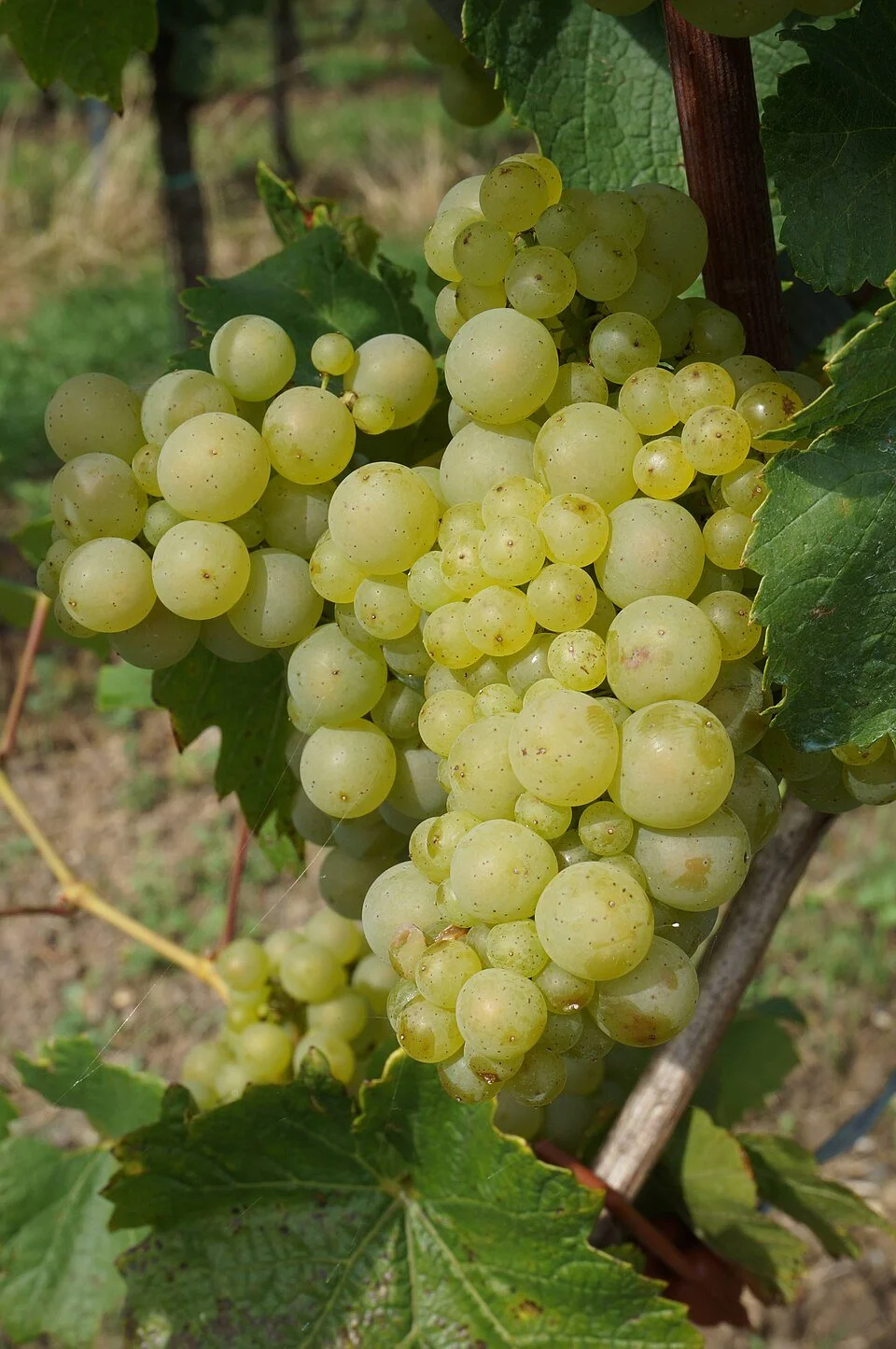
Photo by Kmtextor on Wikimedia Commons
Riesling (reese-ling) is a white wine grape that originated along the Rhine River in Germany, with records dating back to 1435. It was originally grown by monks and royalty.
Germany is still the most famous country for Riesling. However, it is also widely grown in Alsace (France), Austria, Australia, Washington State, and New York's Finger Lakes. Depending on where it is grown, the wine can taste completely different.
Unlike many other white wines like Chardonnay, Riesling is almost never aged in oak barrels. This keeps the wine tasting fresh and crisp.
When you smell a young Riesling, you may notice aromas of green apple, pear, peach, and white flowers. On the palate, you get bright flavors of lime, lemon, honey, and ginger. Riesling has very high natural acidity, which makes your mouth water immediately.
Riesling is made in a wide range of styles, from bone-dry with no sugar at all, to intensely sweet dessert wines. Dry Riesling (little to no residual sugar) is crisp, tart, and highly refreshing and referred to as “Trocken.” Off-dry (a.k.a. Medium-sweet) Riesling contains a moderate amount of residual sugar but does not taste sugary because of the grapes strong acidity and are referred to as “Halbtrocken.” Sweet Dessert Riesling is a rich, syrupy sweet wine meant for sipping after a meal. These are referred to as Trockenbeerenauslese (often abbreviated as TBA).
Riesling can be aged longer in a cellar than almost any other white wine. A dry Riesling can improve for 10 years, and sweet versions can last for decades. As it gets older, the fresh fruit flavors change into dried fruit and honey tastes, and the wine famously develops a distinct smell that resembles premium oil or kerosene.
To serve Riesling, use a standard white wine glass with a narrow top. Serve dry styles very cold, straight from the fridge at 45–49°F (7–9°C). Sweeter or older bottles should be just slightly warmer at 50–54°F (10–12°C).