

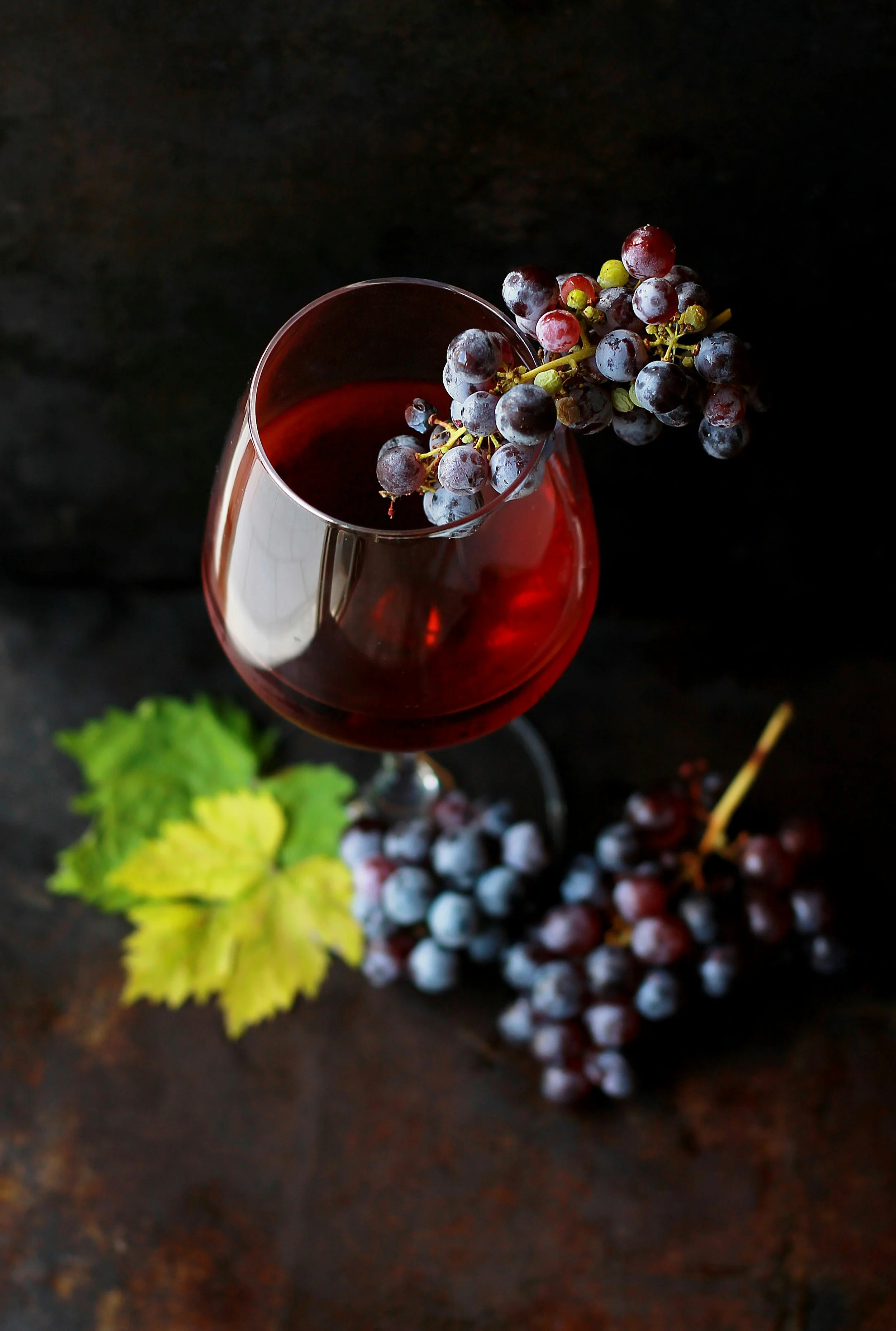
Photo by Roberta Sorge on Unsplash
What is more natural than a glass of wine?
Grow some grape vines, wait for them to produce grapes, harvest the grape bunches, de-stem them (sometimes), crush them to produce juice, leave the crushed grapes in contact with the juice to create color (in the case of red wines and rosé) and then rely on natural yeasts or added yeast to convert the natural sugars in the grape juice to alcohol and, voilà, - you have wine! It’s just that simple, right?
Well, wine isn’t always that simple. While some wines are indeed produced with these simple steps and ingredients, there are some other ingredients that can be used in the winemaking process. And, the only two ingredients that are required to appear on a wine label are the alcohol content and if it contains sulfites.
Here’s a few of the other ingredients that may be used in wine making or remain in a wine:
Added Yeast Nutrients and Enzymes
Yeast nutrients are used to speed up the process of fermentation.
Potassium Sorbate and Potassium Metabisultite
Both of these ingredients are used to guard against bacteria and protect the yeast from spoiling, and are commonly used together during the fermentation process to help the yeast ferment efficiently while improving the overall flavor.
Acid, Sugar, and Tannin Additions
Adding acid will decrease the pH and increase the total acidity of the wine to ensure it is in overall balance
Adding sugar before or during fermentation can help boost the alcohol content. The process is called ‘chaptalization’ and also assists the yeast during the fermentation process.
Powdered tannins may be added early in the process to help add balance
Acid Reducers
Calcium carbonate is used to reduce the acidity of the finished wine, and is sometimes added if the grapes have had trouble ripening. It’s usually added before or at the start of fermentation, so it doesn’t impact on the aroma of the wine.
Potassium Bicarbonate is also used to help lower the acidity
Oak and Oak Chips, Powders, and Granules
Winemakers rely on oak barrels to flavor wine with notes of vanilla or subtle spices,
If the wine doesn’t come into direct contact with wood (i.e., stainless steel tanks), some producers will add oak chips, powders or staves to add oak flavors.
Stabilizers and Anti-Sediment Additions
Potassium bitartrate is used as a seeding agent to promote tartrate precipitation during cold stabilization
Urease is added to reduce the level of urea in wines, when this is excessive, in order to avoid the formation of ethyl carbamate during aging. The enzyme transforms urea into ammonia and carbon dioxide.
Fining Agents
Fining agents are used for clarifying wine. These agents, such as bentonite (powdered clay), isinglass (fish bladder), casein (milk protein), gelatin or egg whites, combine with sediment particles and cause them to settle to the bottom of the vessel, where they can be easily removed before the wine is bottled.
Grape Concentrate
Grape juice concentrate is sometimes included to boost the color of red wine and add a bit of sugar to smooth out the mouthfeel.
Coloring Agents or Color Stabilizers
Coloring agents may be used to deepen the color of red wines, or to add ‘blush’ to whites
Stabilizers ensure the wine’s color does not change during fermentation and aging
Dimethyl Di-carbonate, Ammonium Phosphate and Di-ammonium Phosphates
Dimethyl di-carbonate is used to stabilize wine by preventing microbial spoilage
Di-ammonium Phosphate is used to speed up the fermentation process
Sulfur Dioxide
Usually listed as ‘sulfites’. It’s used to preserve the grapes and prevent oxidation during the winemaking process.
Preservatives and Antibacterial Agents (e.g., potassium sorbate, dimethyl dicarbonate, sorbic acid, copper sulfate)
Preservative such as potassium sorbate or sorbic acid are used to 'stabilize' a wine and prevent a renewed fermentation by inhibiting the yeast cell from being able to multiply, grow and begin a new fermentation.
Dimethyl dicarbonate is used to stabilize the wine by preventing microbial spoilage
Alcohol
Adding alcohol, usually from another grape-derived spirit such as brandy, is called fortification. Since yeast naturally dies at 15% ABV, addition of extra alcohol will push the alcohol concentration of a wine over the 15% mark.
Alcohol is added to “Fortified” wines such as Port, Sherry, Madeira, Marsala and Vermouth
