
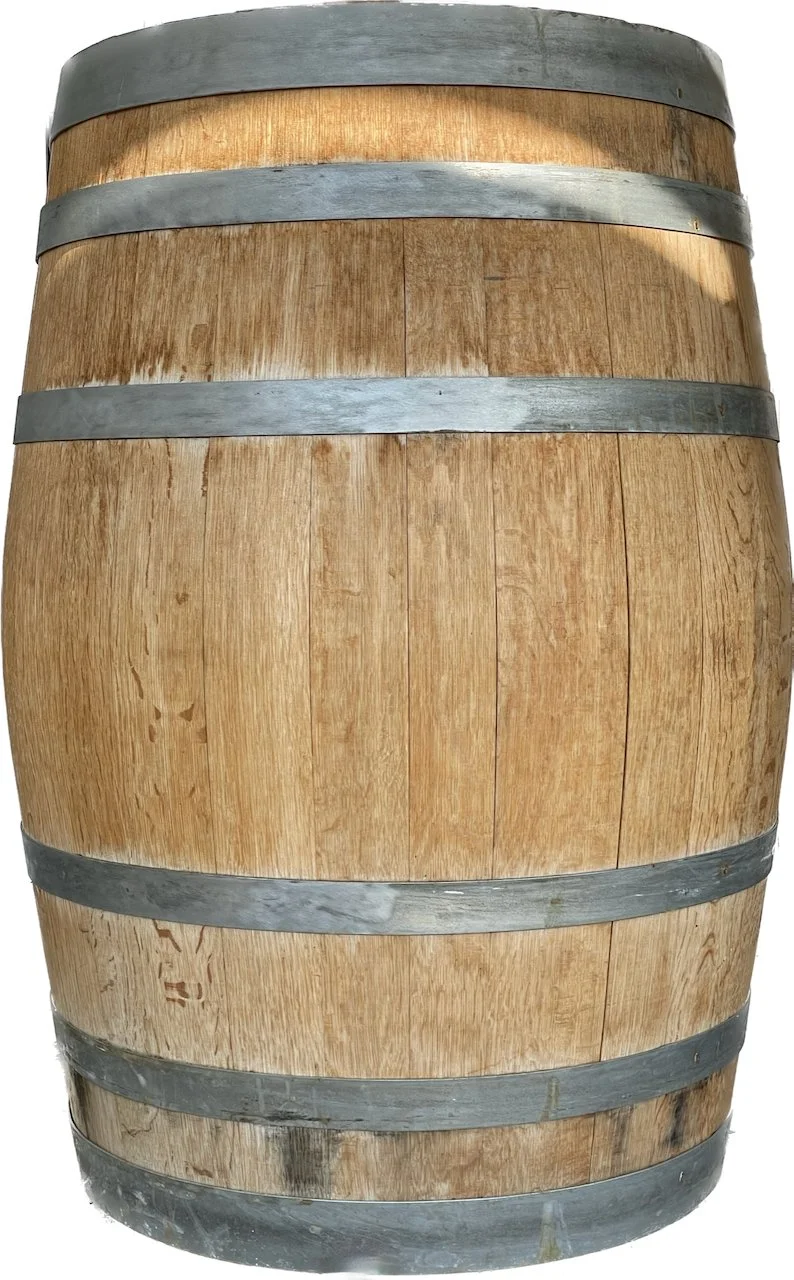
The Art of Wine Making: Choice of Oak Barrels for Wine Aging

Wine may be fermented and aged in a variety of materials including stainless steel, oak and ceramic vessels, including concrete. The use of oak barrels is very common and its use dates back to the early days of Roman wine making.

While stainless steel imparts no additional flavor to a wine, and ceramics and concrete can add hints of minerality, oak barrels can have influences that range from subtle to intense.

When wine is aged in oak barrels, it develops flavors from the wood. Most commonly, oak barrels result in vanilla flavor that works well with many white and red wines.

If a wine is aged in 100% new oak, it will likely be very bold, rich, spicy and, of course, oaky. But, wines pull these flavors out of barrels relatively quickly. After the first year of use, a barrel loses much of its flavoring ability and, after three vintages, the wine has extracted most all of the oak's flavors, thus it is considered neutral oak.

Wines may still be fermented or aged in neutral barrels. Such aging tends to soften wines, particularly tannic wines, without adding the extra flavors. Neutral oak is typically used to maintain the fruit qualities in a wine while still getting some of the other benefits of aging in oak.

Much of the flavor imparted by the oak occurs naturally from the raw wood. But winemakers learned long ago that by "toasting" the inside of an oak barrel, they can enhance these flavors.

After a barrel is built, its inside can be exposed to fire to "toast" it. This is done either over an open flame or using a hand-held torch. The fire 'caramelizes' the wood's natural sugars and brings out complex compounds. From this, the wine will ultimately take on flavors that are toasty, charred, spicy and sweet depending on the amount of time the wood is toasted.

A lightly toasted barrel spends about 25 minutes exposed to flame while a heavily toasted barrel may get up to one hour of flame exposure. Essentially, the heavier the toast, the stronger and more varied are the imparted flavors.

The Art of Wine Making: Knowing When to Top Off Oak Wine Barrels

Another aspect of the art of wine making is knowing when to top off oak wine barrels during the winemaking process. Winemakers need to routinely do this during barrel aging.

Here's why…

1. Evaporation Through the Barrel

  • While the oak staves in the barrel do expand when saturated with the wine, these barrels are not completely airtight. So, they actually allow a small amount of oxygen to enter the barrel and interact with the wine.

  • Conversely, oak barrels also allow evaporation of the wine through the wood over time, especially in dry or warm conditions.

  • This evaporation creates air gaps, called “headspace” inside the barrel.

  • The amount of wine that evaporates from the barrel is often referred to as the "Angel’s Share" because it was imagined that angels must be taking their share of the wine from the heavens above.

2. Risk of Oxidation

  • The headspace is filled with air (that includes oxygen), and too much oxygen exposure can lead to oxidation, which can dull the wine’s flavors and aromas and, in the extreme, spoil the wine and give it a nutty-like flavor (much like Port wine flavor)

3. Knowing When to “Topping Off” the Barrels

  • The “art” of knowing when to top off a wine barrel is a mix of routine checks, sensory observation, and understanding the wine’s environment. Experienced winemakers can even predict when barrels need topping based on subtle cues like how the barrels plug (known as a bung plug) fits or the cellar conditions.

  • Topping off simply means refilling the barrel to its full capacity with the same wine (typically from a reserve tank or another barrel).

  • This minimizes the oxygen in the headspace and helps preserve wine quality.

4. Frequency of Topping Off

  • Winemakers typically top off barrels every few weeks to every couple of months, depending on cellar conditions (humidity, temperature), barrel size, and wine style.

So in short, topping off an oak wine barrel is a key part of maintaining the wine’s freshness during barrel aging. Yet another part of the art of wine making. Cheers!

Your Oaked Wine May Have Never Been in an Oak Barrel!

Image by FreePik

Oak is used extensively in winemaking during fermentation and aging. It can add flavor compounds including aromas of vanilla, clove, smoke and coconut.

Oak barrels also allow the slow ingress of oxygen a process which makes wine taste smoother and less astringent.

Oak barrels also provide a great environment for certain reactions to occur, specifically Malolactic Conversion.

While oak wine barrels are made of French, American and Hungarian oak, they are all expensive. And they only impart flavor to wines during their first two to three uses, after which they are considered ‘neutral.’

So, to get the oak flavors without all the cost, some wines are made with oak chips, oak cubes, oak staves and even oak powder. Using these oak barrel alternatives allows wine makers to use less expensive containers (e.g., Stainless Steel tanks) and still get the desired oak flavors. After the wine has had the necessary time in contact with the chips, cubes, staves or powder, they are physically removed or filtered out and consumers never know the difference.

This may seem ‘wrong’ to many wine purists, but it is allowing winemakers to produce oak flavors in their wines at considerably lower costs. And, studies have been done that show consumers can’t tell the difference. Wine labels don’t tell us the difference, but if oak alternatives are used, and you enjoy the wine, then I’d say the winemaker succeeded! Cheers!

Ever Wonder How Oak Affects the Flavor of Wine?

Oak has been used for thousands of years as a wine vessel. Going back to Roman times, it was an inexpensive and durable container for transporting wines over land and by sea. And, today, oak remains and important wine vessel.

Oak barrels are sometimes used during a wine’s fermentation process and regularly during the wine’s aging process. Both of these uses of oak imparts flavors to the final product.

The two most dominate types of oak used in winemaking come from France and the United States. Each adds its own unique flavors. French oak is known for adding nutty and smoky flavors. American oak’s dominate flavors are vanilla and coconut.

The flavors from oak are also enhanced by the “toasting” process in which the open-ended barrel is placed over a flame such that the interior of the barrel is heated to the point of either a light roasting of the wood or a complete charring of the wood. Winemakers order their oak barrels to be either light, medium or heavy “toast” in order to get just the right flavors for their wines.

Another factor affecting the flavors from an oak barrel is its age. When a barrel is new, it will impart more and stronger flavors into a wine. But, an older barrel that has been used two or three times may be referred to as “neutral” but will still add texture to a wine while preserving the fruit flavors, and yield more subtle flavors. Use of a combination of both new and older “neutral” barrels is also very common when a wine maker wants to ‘dial in’ a specific set of flavors.

And, while oak’s use in the making of red wine is common, its use in the making of white wine is less common. The most notable use of oak in the making of white wine is in the production of Chardonnay, especially California Chardonnay. A heavily oaked Chardonnay will take on buttery flavors, like popcorn and toffee. In fact, the connection between oak and Chardonnay is such that oak flavors are often used as a way of blindly identifying the grape itself.

Oak barrels also affect flavors in wine due to the fact that it is porous to oxygen. Oak allows oxygen to very slowly enter the barrel which, over time, results in making a wine taste smoother and less astringent.

Finally, winemakers must decide whether to ferment and/or age their wines in oak. Fermentation and aging in oak barrels yields greater integration of flavors than by doing fermentation in steel tanks and then aging the wine in oak barrels.

So, there’s a little bit about oak and how it flavors your wines. Cheers!

Ever Wonder -- Can Oak Flavor in Wine Come from Powder, Chips and Staves?

Oak has been used as an aging vessel for wines for centuries. Wines get added flavors and complexity from being aged in oak barrels, especially new oak.

But oak barrels are expensive. And they only impart flavor to wines during their first two to three uses.

So, to get the oak flavors without all the cost, some wines are made with oak chips, oak staves and even oak powder.

Using these oak barrel alternatives allows wine makers to use less expensive containers (e.g., Stainless Steel tanks) and still get the desired oak flavors.

After the wine has the necessary time in contact with the chips, staves or powder, they are physically removed or filtered out and consumers never know the difference.

This may seem ‘wrong’ to many wine purists, but it is allowing winemakers to produce oak flavors in their wines at considerably lower costs. And, studies have been done that show consumers can’t tell the difference.

But, since wine labels don’t tell us the difference, I wonder if we’d change our opinions of wines that are produced with these oak alternatives instead of the traditional oak barrels?