A Tour of Wine Grapes: Riesling

Riesling 🥂

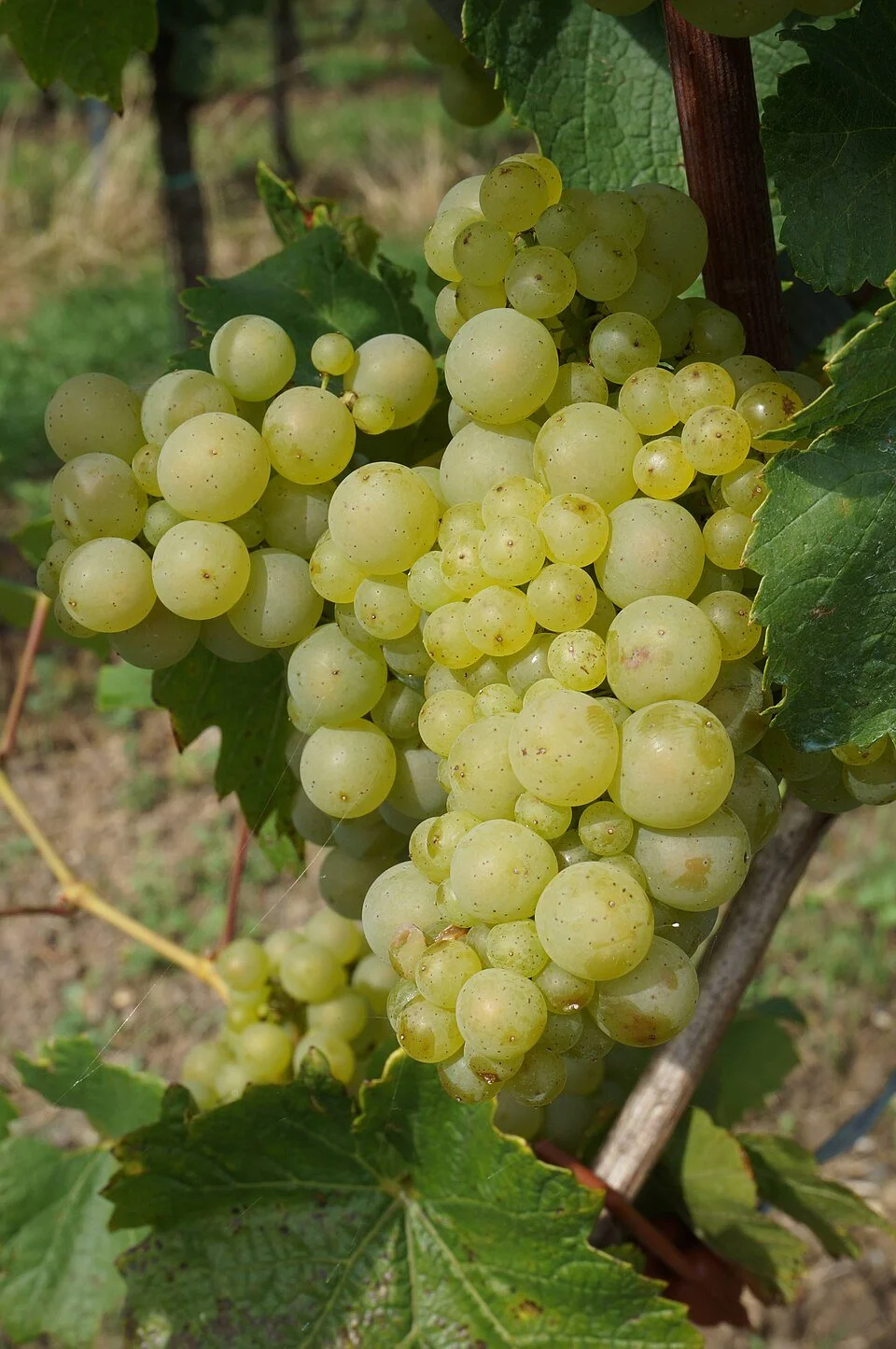
Photo by Kmtextor on Wikimedia Commons

Riesling (reese-ling) is a white wine grape that originated along the Rhine River in Germany, with records dating back to 1435. It was originally grown by monks and royalty.

Germany is still the most famous country for Riesling. However, it is also widely grown in Alsace (France), Austria, Australia, Washington State, and New York's Finger Lakes. Depending on where it is grown, the wine can taste completely different.

Unlike many other white wines like Chardonnay, Riesling is almost never aged in oak barrels. This keeps the wine tasting fresh and crisp.

When you smell a young Riesling, you may notice aromas of green apple, pear, peach, and white flowers. On the palate, you get bright flavors of lime, lemon, honey, and ginger. Riesling has very high natural acidity, which makes your mouth water immediately.

Riesling is made in a wide range of styles, from bone-dry with no sugar at all, to intensely sweet dessert wines. Dry Riesling (little to no residual sugar) is crisp, tart, and highly refreshing and referred to as “Trocken.” Off-dry (a.k.a. Medium-sweet) Riesling contains a moderate amount of residual sugar but does not taste sugary because of the grapes strong acidity and are referred to as “Halbtrocken.” Sweet Dessert Riesling is a rich, syrupy sweet wine meant for sipping after a meal. These are referred to as Trockenbeerenauslese (often abbreviated as TBA).

Riesling can be aged longer in a cellar than almost any other white wine. A dry Riesling can improve for 10 years, and sweet versions can last for decades. As it gets older, the fresh fruit flavors change into dried fruit and honey tastes, and the wine famously develops a distinct smell that resembles premium oil or kerosene.

To serve Riesling, use a standard white wine glass with a narrow top. Serve dry styles very cold, straight from the fridge at 45–49°F (7–9°C). Sweeter or older bottles should be just slightly warmer at 50–54°F (10–12°C).
Behind the Cork™ - The Seeker Riesling

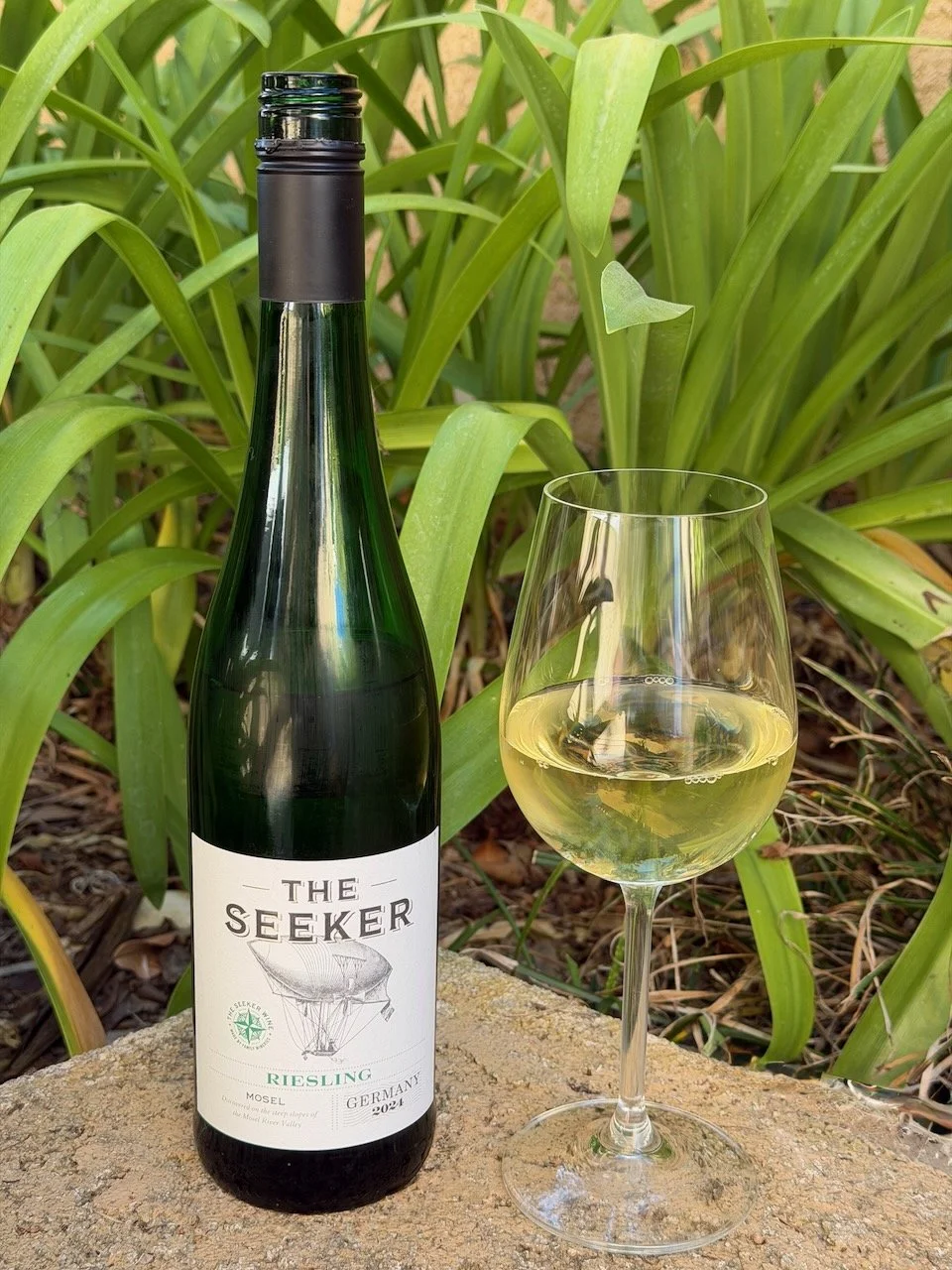
The Seeker Riesling ($14.99)

The Riesling grapes for this “The Seeker” wine were discovered by a husband and wife team in the famed Mosel Valley in Germany. This region features steep vineyard sites with fine, mineral-rich slate soil and perfect exposure to sun and wind.

The vineyards were 100% hand-harvested to ensure top-quality grape selection. Traditional wine-making methods were observed, with individual wine-pressing techniques passed down through generations. Vinification took place in stainless steel and oak casks over 4-6 weeks, followed by aging in tanks and oak casks for 3-8 months.

This 2024 The Seeker Riesling is pale gold in color with aromas that include citrus, green apple and floral notes. On the palate, this medium-light bodied wine is off-dry (some sweetness) with bright refreshing acidity and flavors of grapefruit and tropical fruits. It finishes with mouth-watering flavors that are great in warm weather or with spicy foods. [ABV: 11.69%, TA: 7.2 g/L, RS: 28 g/L]

The Seeker German Riesling is a real refresher that’s offered at a great price and widely available. That makes it a perfect fit as the Behind the Cork™ Wine of the Week. Cheers!


Disclosure of Wine Sample Submission: I received this sample at no cost for review. The opinions expressed are entirely my own.

Media Sample Provided by The Seeker Winery via Kobrand Wine and Spirits

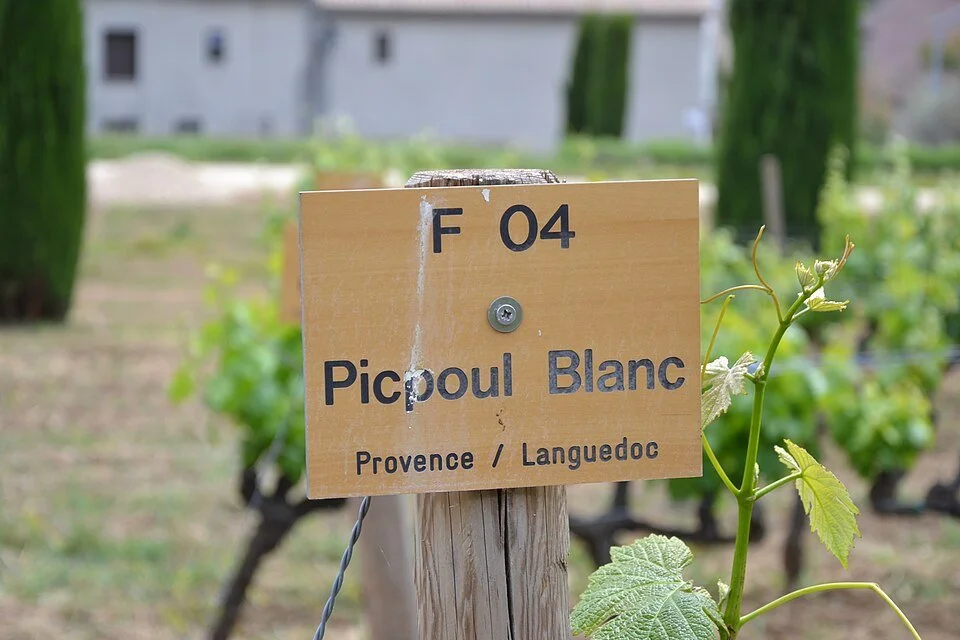
A Tour of Wine Grapes: Picpoul

Picpoul 🥂

Photo by Marianne Casamance on Wikimedia Commons

The ancient Picpoul wine grape originates in France's Languedoc region, with records dating back to the 1300s.

Its name translates to "lip-stinger" in the traditional Occitan language, referencing the grape's exceptionally sharp, high natural acidity.

Today, its home remains the coastal Picpoul de Pinet appellation in France. Winemakers also use it as a minor blending component in Châteauneuf-du-Pape, while New World producers grow small amounts in Paso Robles, California, Texas, and Australia's McLaren Vale.

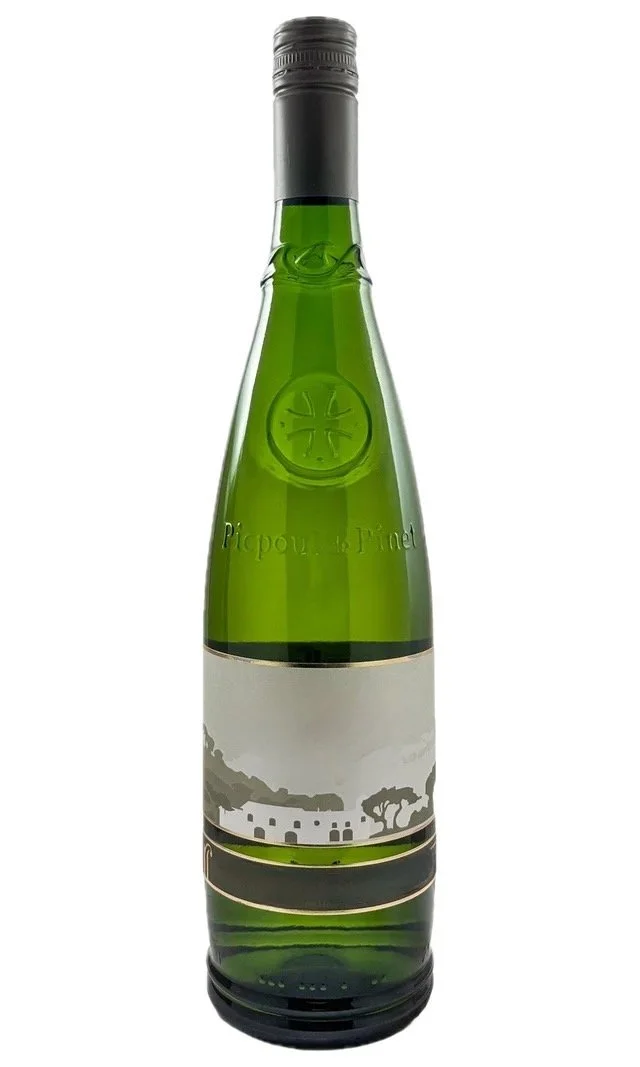
Picpoul “Neptune” Bottle

Authentic French bottles are easily recognized by the proprietary green "Neptune" bottle, which features a raised wave pattern near the neck. This maritime design mirrors its reputation as the ultimate "oyster wine," perfectly cutting through raw shellfish.

In the glass, this bone-dry, light-bodied white wine delivers an intensely clean profile. The nose offers crisp aromas of green apple, citrus peel, and sea spray. On the palate, it bursts with tart lime, grapefruit, and a distinct, salty minerality.

To preserve this mouthwatering crispness, serve Picpoul ice-cold between 40°F and 45°F (4°C to 7°C). Drink the wine young, ideally within one to two years of harvest. It lacks the structure for cellaring, and aging causes its vibrant acidity to fade.

Behind the Cork™ - Ridge Three Valleys Red Blend

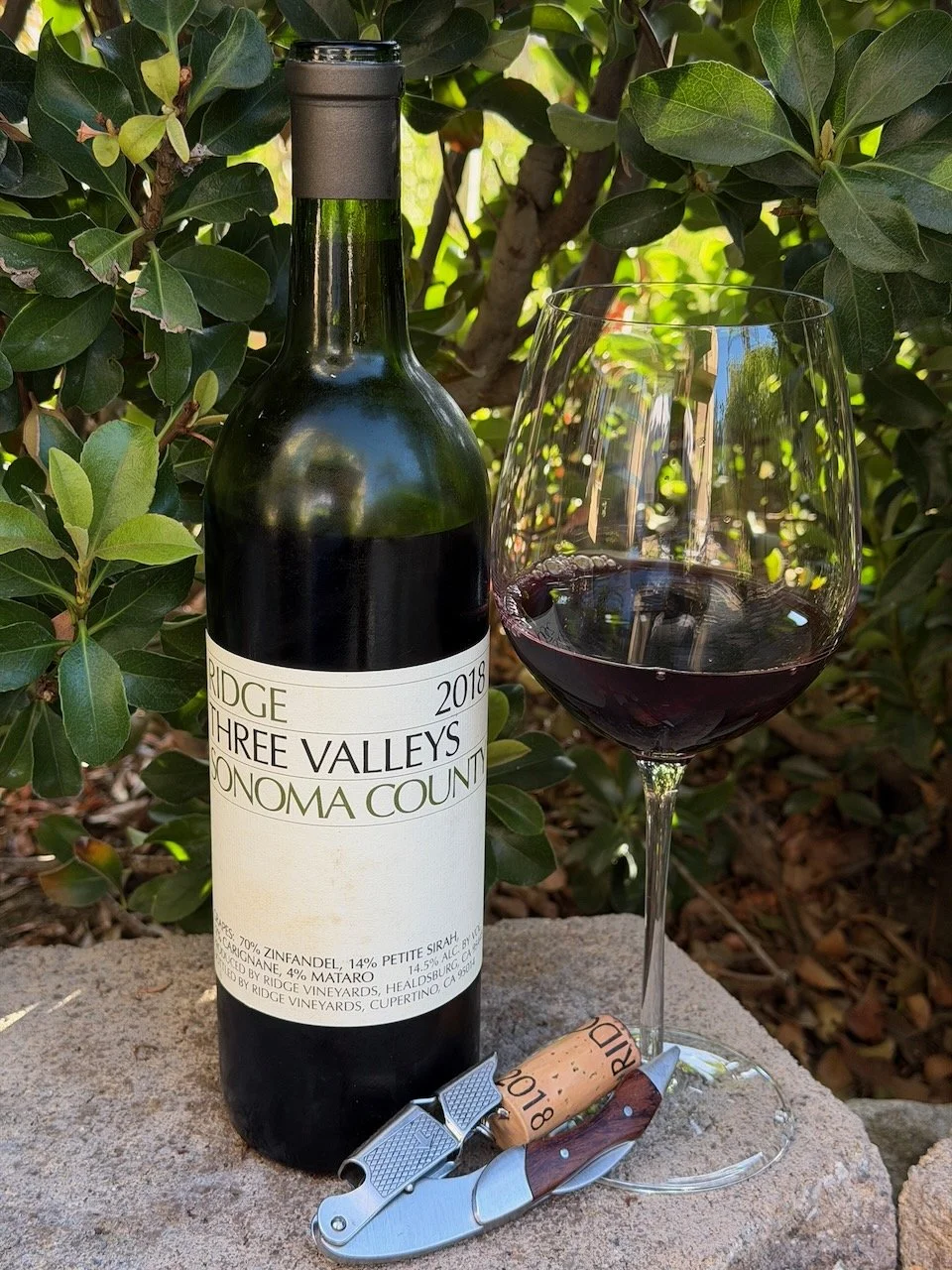
2018 Ridge Three Valleys Sonoma County ($30)

Ridge Vineyards was founded in 1959 when four Stanford Research Institute engineers—David Bennion, Charles Rosen, Hewitt Crane, and Howard Zeidler—purchased a mountainside property on the Monte Bello Ridge in the Santa Cruz Mountains. 

While winemaking on the site dated back to 1885, the partners produced their first small vintage of "Estate" Cabernet in 1959 and officially re-bonded the winery for the 1962 vintage.

Ridge Three Valleys red blend is produced from 70% Zinfandel, 14% Petite Sirah, 12% Carignane and 4% Mataro (a.k.a. Mourvedre).

The “Three Valleys” name comes from the fact that the grapes came from vineyards in Alexander Valley, Dry Creek Valley and Sonoma Valley.

Each lot of grapes was fermented for nine days on their skins followed by aging for 10 months in oak.

This 2018 Ridge Three Valleys red blend is medium ruby in color with aromas of dark fruit and dried herbs. On the palate, this medium-full bodied wine has rich black and red fruit flavors including black berry, black plum, raspberry and a hint of strawberry and red cherry. Although a 2018, it still had good tannin and medium acidity. It was a bit jammy with soft, smooth sweet-fruit flavor (not sweet, but invoking sweet fruit flavors).

Ridge is a dependably great winery and this 2018 Ridge Three Valleys red blend lives up to the Ridge reputation. A wonderful fit as this week’s Behind the Cork™ Wine of the Week. Cheers!


The opinions expressed are entirely my own.

A Tour of Wine Grapes: Pinotage

Pinotage 🍷

Photo by Wolfgang Lendl on Wikimedia Commons

Pinotage is a relatively young grape variety with a fascinating backstory.

It was created in 1925 in South Africa by Professor Abraham Izak Perold, the first professor of viticulture at Stellenbosch University. Perold wanted to combine the elegance of Pinot Noir with the hardiness and productivity of Cinsault that is known in South Africa as Hermitage. The grape gets its name from a blend of its parents: Pinot (Noir) + hermitage = Pinotage.

While Pinotage has been experimented with in small amounts in countries like the United States (California), New Zealand, Canada, and Brazil, it remains overwhelmingly tied to South Africa.

Pinotage typically has bold aromas of ripe blackberries, black cherries, and dark plums. Unique earthy and rustic undertones of leather, tar, and cured meat frequently define its signature profile.

On the palate, juicy flavors of fresh red raspberry and blackberry blend seamlessly with warm baking spices. A subtle hint of sweet tobacco and subtle oak spice often lingers on the smooth, structured finish.

Many entry-level Pinotages are meant to be enjoyed immediately, but higher-end Pinotages, often aged in oak barrels, have great aging potential. Well-crafted bottles can easily improve and evolve in the cellar for 5 to 10+ years.

Decant these wines for 60 minutes before serving.

Server Pinotage in a large-bowled red wine glass (such as a standard Bordeaux or Burgundy glass) at 60 to 64 F.