Behind the Cork™ - Craggy Range Pinot Noir

2025 Craggy Range Pinot Noir ($32.99)
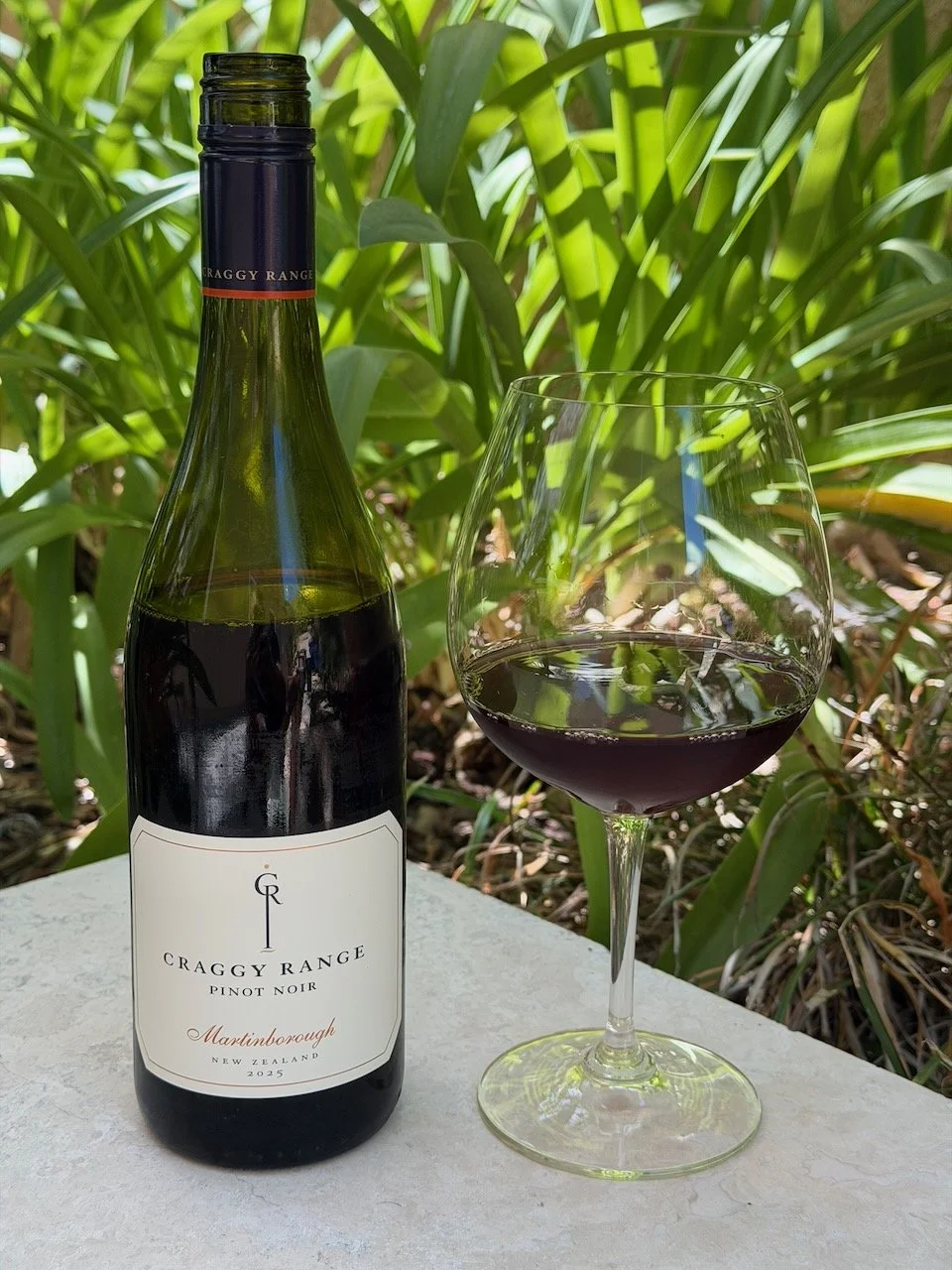
Established in 1998, Craggy Range is a family-owned estate that revolutionized New Zealand wine by matching specific grapes to unique terroirs.

This 2025 Craggy Range Pinot Noir is made from over ten distinct clones that were hand-harvested. The grapes were then destemmed (85%) prior to fermentation in a combination of open top stainless steel tanks and French oak using indigenous yeasts. The many different Pinot Noir clones are vinified separately and then blended. The wine ages 7 months in French oak barriques, 15% new, before being fined, coarse filtered and bottled in late 2025.

This Craggy Range Pinot Noir is pale ruby in color with delicate aromas of dark cherry, raspberry and cranberry, with a subtle note of dried herbs. On the palate, this medium-bodied wine has flavors of black and red cherry and strawberry. It has soft tannins that result in a smooth and easy mouth-feel. It finishes with touches of sweet jam.

The 2025 Craggy Range Pinot Noir rivals many of the best Pinot Noirs from California and Oregon. If you are a Pinot lover, I think that you’ll really enjoy this one. It’s affordable and attainable, making it a perfect fit as this week’s Behind the Cork™ Wine of the Week. Cheers!


Disclosure of Wine Sample Submission: I received this sample at no cost for review. The opinions expressed are entirely my own.

Media Sample Provided by Craggy Range Winery via Kobrand Wine and Spirits
A Tour of Wine Grapes: Pinot Noir Part 2

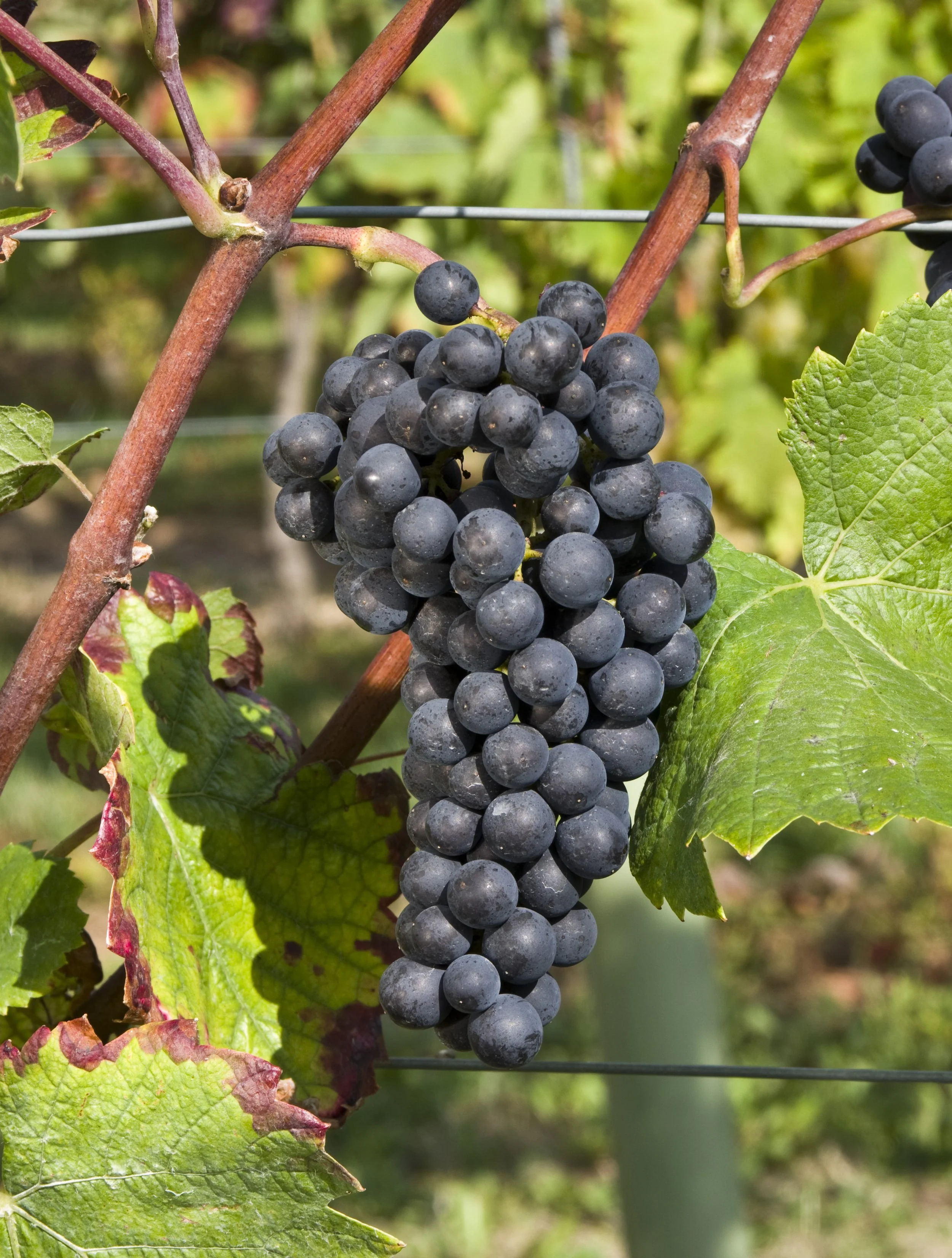
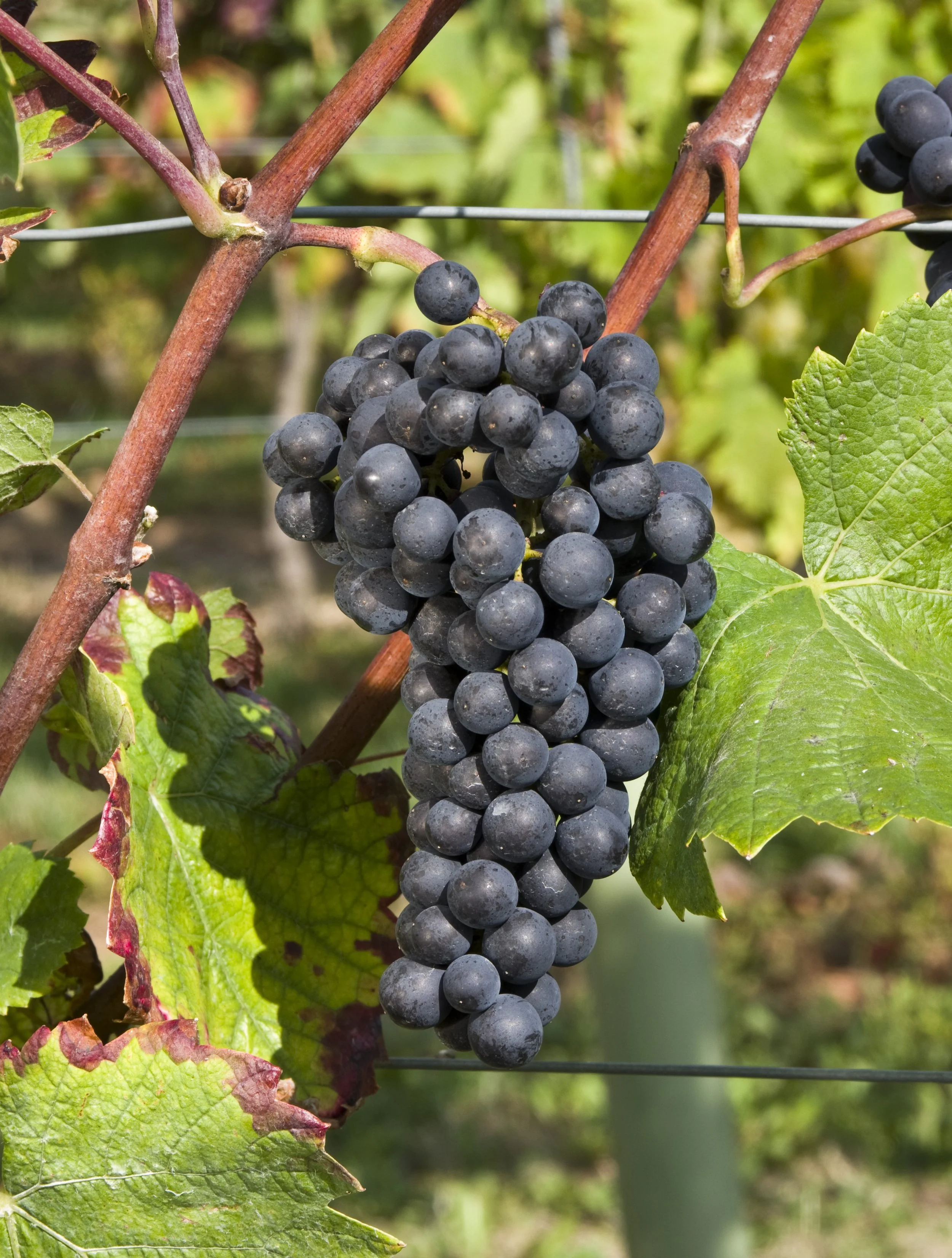
Pinot Noir 🍷

Photo by Ursula Brühl, Julius Kühn-Institut (JKI) on Wikimedia Commons

Last time we looked at the Pinot Noir grape and the various countries where it is grown. Now, let’s look at two specific countries — the U.S. and New Zealand.

🇺🇸 The United States: Coastal Coolers

In the U.S., Pinot Noir thrives primarily in California and Oregon, relying on marine fog and ocean breezes to cool the delicate vines.

  • Russian River Valley (Sonoma County): A natural funnel for Pacific fog, this legendary region produces luxurious, universally loved wines. They are famously lush, silky, and fruit-forward—bursting with ripe red cherry, plum, and signature undertones of warm baking spices like cola and nutmeg.

  • The San Luis Obispo & Paso Robles Corridor: This area highlights a dramatic contrast on California’s Central Coast. The Edna Valley AVA is a cool-climate paradise where an east-west valley funnels freezing ocean air to create an extended growing season. It yields remarkably balanced, mineral-driven Pinot Noirs with vibrant acidity. Just a short drive inland sits the significantly warmer Paso Robles AVA—famous for bold Cabs—where Pinot Noir is rare, robust, and riper. Central Coast wine projects, like Cakebread’s Bezel, masterfully bridge this gap by basing operations in Paso Robles while sourcing their vibrant Pinot Noir grapes from the frigid vineyards of Edna Valley.

  • Willamette Valley (Oregon): Accounting for over 70% of Oregon's production, this cool, maritime region draws frequent comparisons to Burgundy. Its Pinot Noirs are celebrated for elegance and complexity, striking a beautiful balance between tart red fruits (cranberry, currant) and savory, earthy notes of forest floor and truffle.

🇳🇿 New Zealand: Southern Hemisphere Spark

New Zealand masterfully bridges the gap between old-world elegance and new-world fruit intensity. Intense southern sunshine paired with dramatic day-to-night temperature swings produces vibrant, medium-bodied wines known for exceptional purity and crisp acidity.

  • Marlborough: The nation’s largest producer delivers bright, linear expressions bursting with tart raspberry, fresh cherry, and a clean herbal lift.

  • Martinborough: A boutique wine region at the southern tip of New Zealand's North Island, famous for producing world-class, savory, and structurally complex Pinot Noir.

  • Hawke's Bay: Located on the North Island, this historic region is typically warmer and famous for bold blends, but its cooler coastal and elevated river valley sites yield fantastic Pinot Noir. These wines are exceptionally approachable, delivering ripe red berry profiles, floral aromas, and significantly softer, subtler tannins.

  • Central Otago: The world’s southernmost wine region features a rugged, continental climate that yields robust, powerfully structured wines rich with dark berry fruits, silky tannins, and distinct notes of wild thyme.

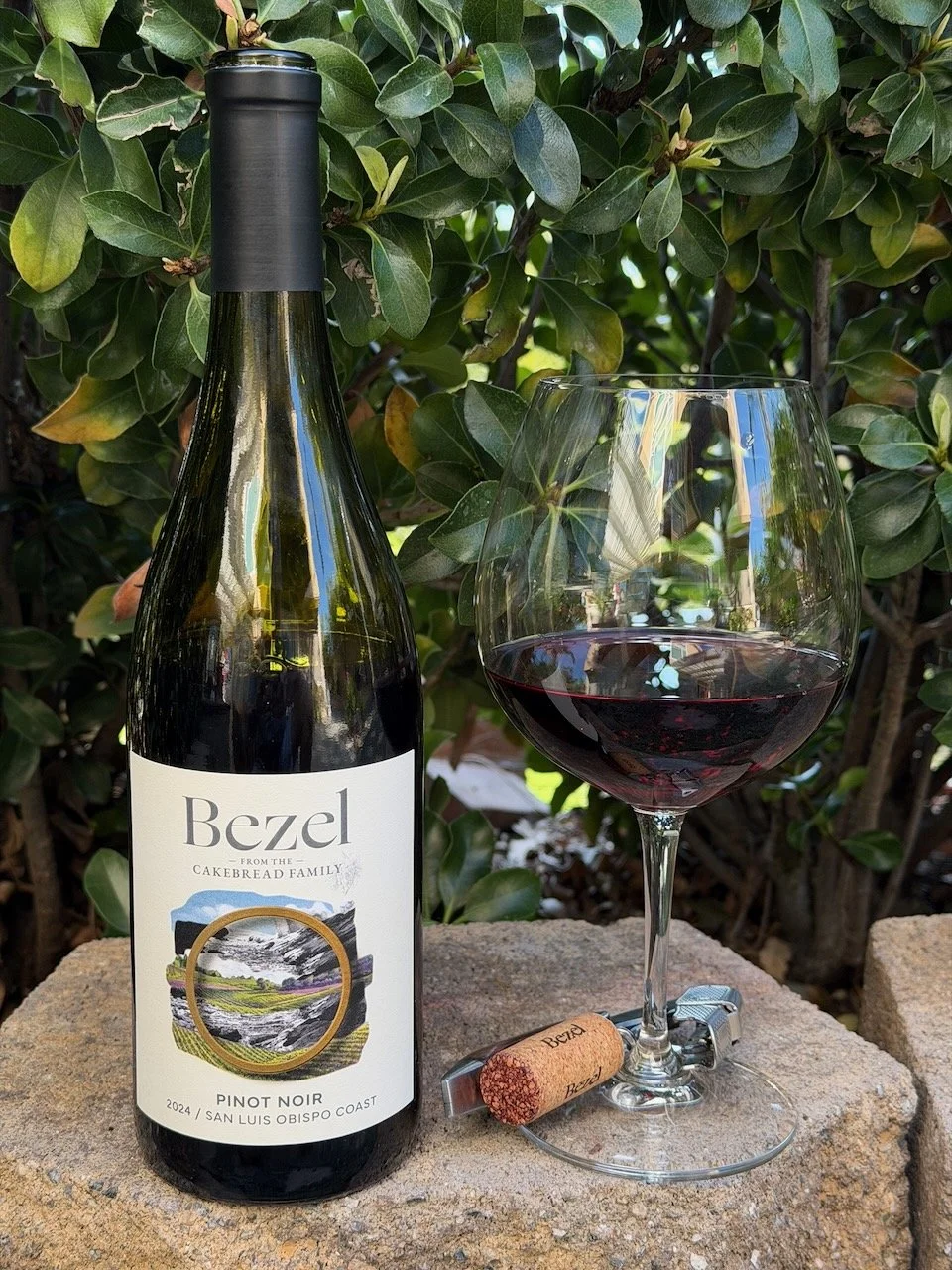
Behind the Cork™ - Bezel Pinot Noir

Bezel Pinot Noir ($29.99)

This Pinot Noir is part of the “A Tour of Wine Grapes” series.

Bezel Wines is a fresh wine adventure from the well-known Cakebread Family of wines.

Since 1973, they’ve been making wine in Napa Valley at Cakebread Cellars in Rutherford, California. But with Bezel, they’re venturing out of Napa to discover the hidden treasures of California wine country on the Central Coast.

In this case, the Bezel Pinot Noir was crafted in Paso Robles using Pinot Noir grapes from the Edna Valley, a cool-climate region renowned for its outstanding, elegant Pinot Noir. It spent 8 months aging in French oak.

This Bezel Pinot Noir has a medium ruby hue, with aromas of cherry and raspberry, along with some floral hints. On the palate, this medium-bodied wine offers flavors of black cherry and plum, complemented by bright acidity and medium-high tannin. It concludes with a light touch of sweetness.

Bezel Pinot Noir is part of the wonderful Cakebread family of wines. It’s delicious, reasonably priced, and widely available. It’s a fantastic choice for the Behind the Cork™ Wine of the Week. Cheers!


Disclosure of Wine Sample Submission: I received this sample at no cost for review. The opinions expressed are entirely my own.

Media Sample Provided by Bezel Winery via Kobrand Wine and Spirits
A Tour of Wine Grapes: Pinot Noir Part 1

Pinot Noir 🍷

Photo by Ursula Brühl, Julius Kühn-Institut (JKI) on Wikimedia Commons

Pinot Noir is one of the world’s oldest cultivated grapes. Historically, it has its beginning with the Romans more than 2000 years ago and was then cultivated by Monks in medieval Burgundy, France.

Pinot Noir translates to black, or dark, pinecone because the small grape clusters resemble pinecones on the vine.

In France today, the wine makers of Burgundy are required to use Pinot Noir exclusively. And, in the Champagne region of France, Pinot Noir is one of the primary grapes used in making Champagne.

Pinot Noir is also grown in the U.S., New Zealand, Australia, Italy (where it is called Pinot Nero), Germany, Chile and South Africa.

Pinot Noir is famous for its delicate flavors rather than its power.

Young wines often display aromas of fresh cherry, raspberry, strawberry, and cranberry.

On the palate, Pinot Noir is typically light- to medium-bodied with light tannins, bright acidity, and moderate alcohol. Common flavor notes include red cherry, wild strawberry, raspberry, and cranberry.

Everyday Pinot Noir is generally best consumed within three to five years of release, while premium bottlings may age well for 10 to 20 years or even longer.

For the best tasting experience, serve Pinot Noir slightly cooler than room temperature, ideally between 55–60°F (13–16°C). A large Burgundy-style wine glass with a wide bowl is ideal because it allows the wine's delicate aromas to collect.

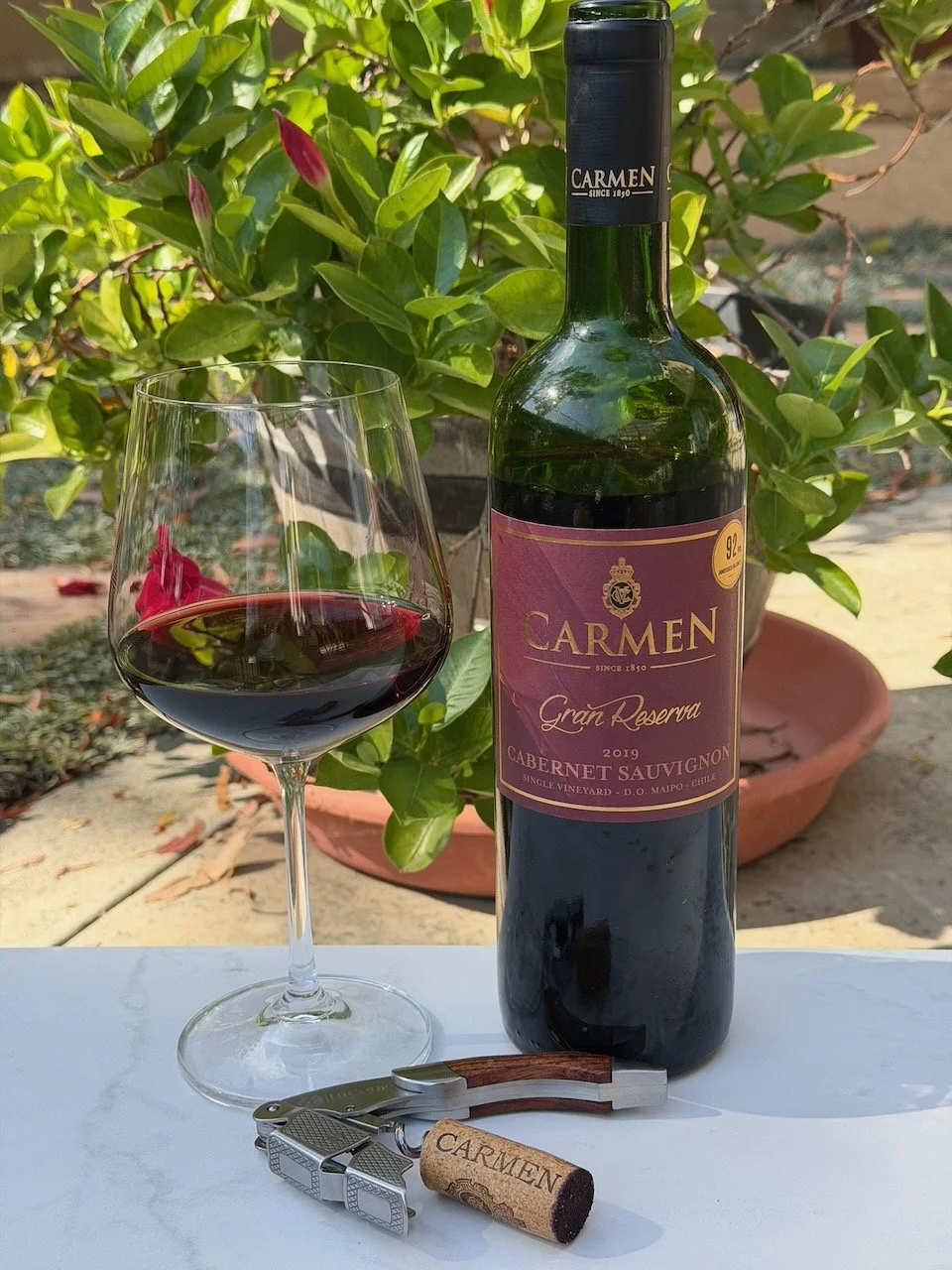
Behind the Cork™ - Carmen Gran Reserva Cabernet Sauvignon

2019 Carmen Gran Reserva Cabernet Sauvignon ($14.99)

Viña Carmen was founded by Christian Lanz in 1850 and named in honor of his wife. The winery, located in Chile, now has more than 160 years of history having been the first and now oldest winery. In 1987, Viña Carmen became part of Grupo Claro. In 1994, the wine grape Carmenere was re-discovered in one of the Carmen vineyards in the Alto Maipo Valley. The Carmenere grape was long thought to be extinct after having been infected with phylloxera in the mid-19th century. But, this find returned Carmenere to the world.

Carmen wines come from Maipo Valley, Apalta Valley, Leyda Valley, Casablanca Valley and the Colchagua Valley.

This Cabernet Sauvignon is from a single vineyard in Alto Maipo Valley containing 20 year-old vines. It was produced from 100% Cabernet Sauvignon that underwent a cold soak for 10 days before fermentation to draw out color and aromatics. Fermentation occurred in stainless steel tanks, to retain the fruit flavors, for 14 to 22 days. The wine underwent malolactic conversion, to soften the sharp acids, before being aged for 12 month (making it a “Gran Reserva”) in French oak barrels.

Carmen Gran Reserva Cabernet Sauvignon is deep purple in color with aromas of red fruit, plum and black currant. On the palate, this full-bodied wine has bold flavors of dark fruit, good acidity, big “dusty” tannins (i.e., fine, dry, and powdery) and finishes with a bit of tartness.

This 2019 Carmen Gran Reserva Cabernet Sauvignon is a really nice wine from the Maipo Valley in Chile. And, it is very affordable. That’s a fit as this week’s Behind the Cork™ Wine of the Week. Cheers!


The opinions expressed are entirely my own.