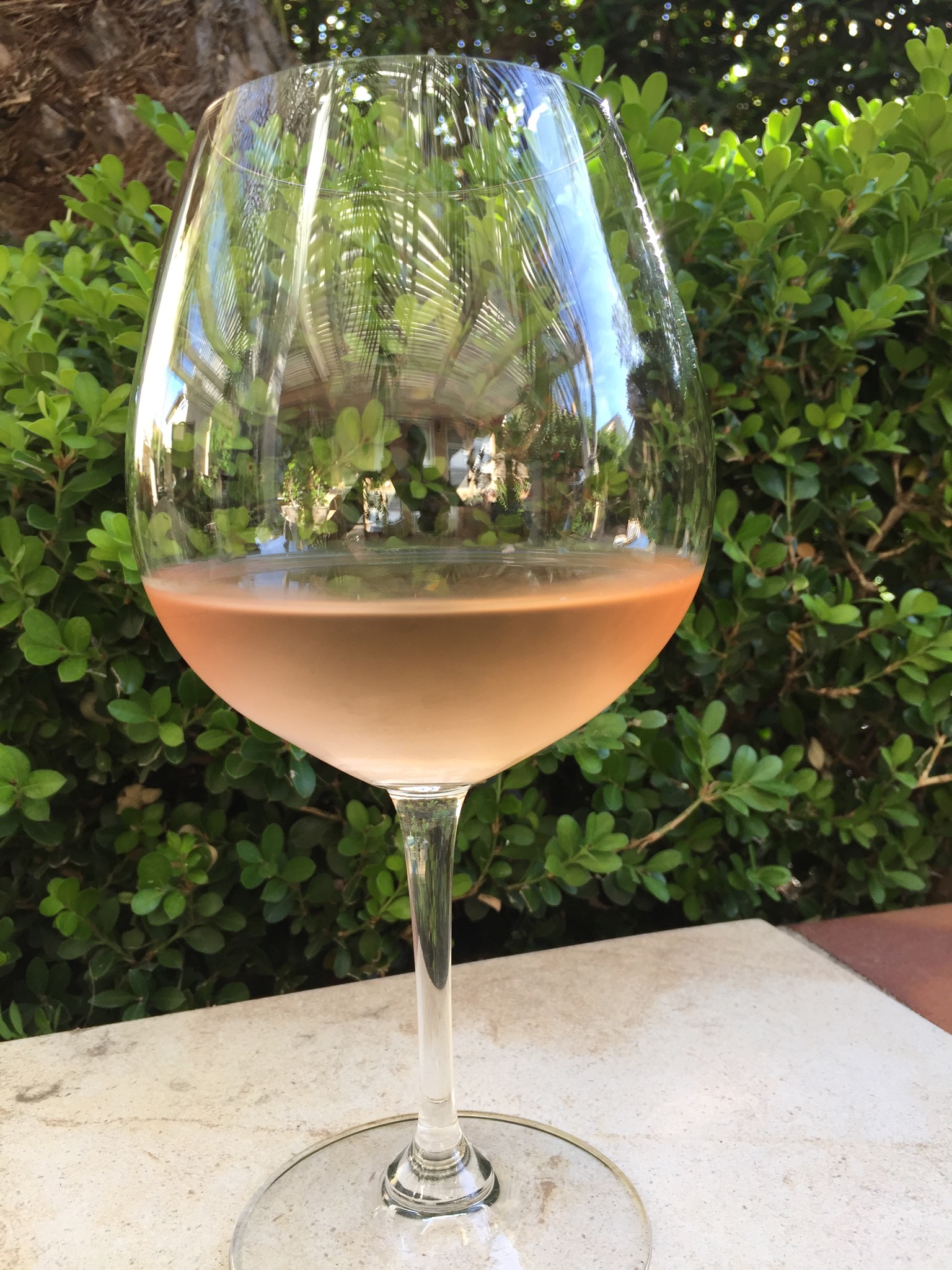
Light Bodied White Wines Are a Great Place to Start

Last time we took a quick look at one of the characteristics of wine, its body.  A wine's body is simply based on how it feels in your mouth. And a wine's body is affected by its alcohol level, tannin, acidity and sweetness. And each plays a role. So let's explore light bodied wines a bit more. 

Light bodied wines are typically considered to be delicate with subtle flavors. Of the four previously mentioned characteristics of a wine, light bodied wines are lower in alcohol (generally below 12.5%), lower in tannin and sweetness, while being higher in acidity.

For this post, the light bodied wines being discussed are dry white wines.  There are red wines that are considered light bodied (e.g., Gamay and Pinot Noir) but that's relative to other reds, and will be the subject of a future posting.

Light white wines can have herbal, citrus, floral and aromatic tendencies.  The most commonly known light bodied white wine is Sauvignon Blanc (which is labeled as Sancerre, and Pouilly Fumè in France for the regions where it is grown). This is a wonderfully fresh, zippy and refreshing wine. When it is produced in cooler regions (e.g., New Zealand), it can take on aromas of herbs and vegetables such as tarragon, celery, freshly mowed grass and green peppers.  In warmer regions (e.g., California), Sauvignon Blanc transitions to the tropical and citrus fruit flavors such as green melon, grapefruit and lime. This is a wine that is widely popular and goes great with so many foods such as shellfish and soft cheeses.

Other light bodied whites that tend toward citrus and crisp fruit flavors include Pinot Grigio (Pinot Gris), French Chablis, Albariño, Grenache Blanc, Vinho Verde. Unoaked Chardonnays also tend to be crisp and fresh with green apple and citrus flavors.

Light bodied white wines such as Riesling, Chenin Blanc and Muscat Blanc tend to be very aeromatic with highly perfumed floral aromas of sweet fruit. Pinot Blanc, Verdicchio and Vermentino also typically have floral tendencies.

All of these light bodied white wines are able to retain their fruity characteristics by being fermented in stainless steel or concrete tanks versus oak barrels that can add additional flavors and aromas to a wine.

Light bodied white wines are a great place to start if you are just getting into tasting and learned about wines.  They are generally served cold and easy on the palette.  But don't get me wrong. Many of the wines in this category are highly praised, enjoyed by collectors and connoisseur alike and can demand high prices throughout the world. But, they are also some of the most approachable wines.  So try one of these. I think you'll like them. Cheers!


What's a Good Wine to Buy?

It's a question that constantly comes up. "What's a good wine to buy?"  Or there are the related questions of "What wine should I drink?" or "What wine do you recommend?"  These are all great questions that are well intended whether from someone who knows little about wine or someone with significant experience with wines. And while my fundamental philosophy is that you should drink what you like, there are some guidelines when trying to identify wines that you may like.

One of the many keys to understanding wines and to determining what you might like is the characteristic of 'body.'  In general, wines get categorized into three groups: Light bodied, medium bodied and full bodied. While these categories may seem obvious to some, the subject of a wine's body is a bit difficult to explain. It takes time and wine tasting experience to gain a full appreciation. But let's give it a quick try.

The body of a wine is based on multiple things, but mostly how it feels in your mouth. Full bodied wines are typically described as big, bold and powerful, having more tannin and dark fruit flavors. On the other end of the spectrum, light bodied wines are usually considered delicate, with subtle flavors, and bright acidity.

The alcohol content of a wine also strongly influences a wines body. In general, a wine with an alcohol content below 12.5% is considered a light bodied wine. If the alcohol content is 12.5% to 13.5% it is considered medium bodied. And any wine with alcohol greater than 13.5% is considered full bodied (remember that by law a wine label must list it's percent alcohol, though it's usually in fine print). 

So next time we'll get into exploring more about light, medium and full bodied wines. Once you get an understanding and appreciation for these categories, it starts to help answer those questions regarding which wines to drink. And once we narrow things down to the best category for your palette, we'll then begin exploring specific wines in those categories and others with similar characteristics. Until then, Cheers!

Behind the Cork™ Wine of the Week

Wild Horse Central Coast Pinot Noir ($15)

Looking for an attainable, affordable wine?  You've come to the right place. Each week I feature just such a wine on the Behind the Cork Wine of the Week page of EverWonderWine.com

This week's wine is a real nice Pinot Noir from the Central Coast of California. Wild Horse delivers with Pinot's great flavors of dried cherry and some earthiness. One of the great things about Pinot Noir is that it goes well with so many meals including salmon, poultry and grilled vegetables.

Rosé Has Changed!

If you know of Mateus, Lancers and White Zinfandel, you probably know that these rosé wines are sweet. That's how I stereotyped all rosé until a few years ago. I was in the Russian River Valley in search of great Pinot Noir (and it's not hard to find one there!).  I visited a winery that included a rosé of Pinot Noir on the tasting menu.  Often I'll just skip to tasting the wines I'm interested in. But it was novel to see a rosé on a reputable winery's tasting menu, and the server highly praised it. So I tried it.  It was a game-changer.

White Zinfandel was probably what ruined my image of rosé wines.  It became widely popular 10-15 years ago. At that time, it was more like strawberry soda pop (hence its popularity). Not that there is anything wrong with strawberry soda or that style of white Zinfandel, it just wasn't anything like the dry wines that I typically enjoyed.  But that tasting of the Pinot Noir rosé at the winery was completely different. It was dry (i.e., not sweet) and had delicate flavors and a wonderful finish. For a dry wine drinker, like me, it was an amazing rosé!

Today you can find a lot of very nicely produced, dry rosés. Once an afterthought of wine making, rosé has now become the focus of wine makers.

And rosés are being well made around the world. Provence France is a region where rosé has always been a focus and produces excellent ones. But great rosés are also being produced in Spain from the Garnacha and Tempranillo grapes.  And Italy makes great rosé from Sangiovese, Barbera and Nebbiolo. And, yes, there are a lot of outstanding rosés being produced in California, Oregon and Washington from a number of grapes.

Another great thing about rosé is that it is very affordable, typically half the price of other wines. So get out there and try a dry rosé. It's changed. And it will change your opinion of rosé! Cheers!