A Tour of Wine Grapes: Sangiovese

Sangiovese 🍷

Photo by Agne27 on Wikimedia Commons

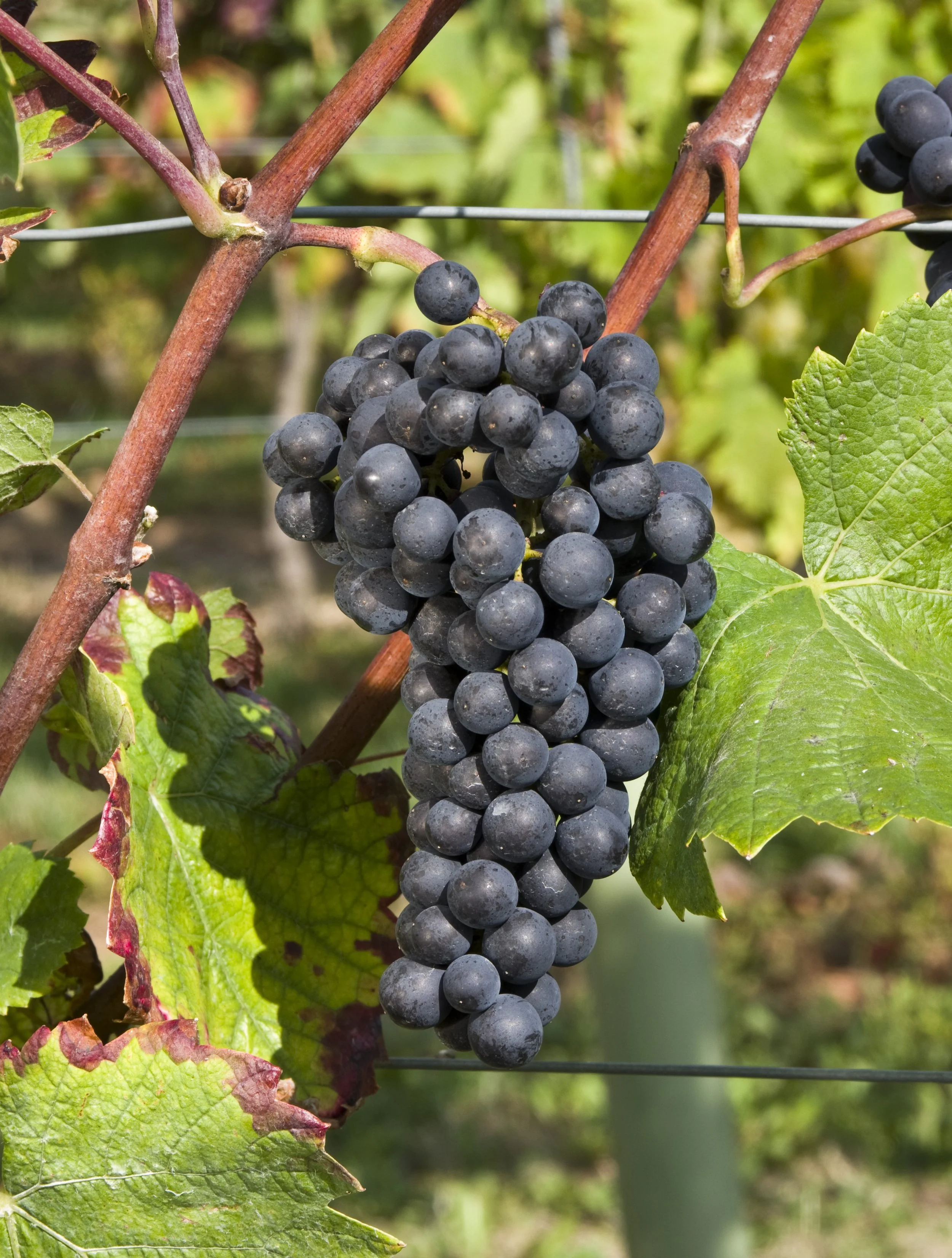
Sangiovese is the most widely planted red wine grape in Italy. The name comes from Latin words meaning "the blood of Jupiter," which shows that people have grown it since ancient Roman times.

Its main home is the Tuscany region of Italy, where winemakers use it to make famous wines like Chianti and Brunello di Montalcino. Today, farmers also grow this grape in other warm parts of the world, including California, Washington State, and South Australia.

Aromas include red cherry, strawberry, and dried herbs. On the palate, it has flavors of tart cherry, plum and blackberry. It is naturally high in acidity, which makes the wine taste crisp. It also has medium-high tannins.

The aging potential of the wine depends on how the winemaker made it. Simple, inexpensive bottles are meant to be consumed within 3 to 5 years of the harvest. High-quality bottles can age in a cellar for 10 to 20 years.

Serve Sangiovese at 60°F to 65°F (15°C to 18°C). Use a standard red wine glass with a slightly narrowed top.
A Tour of Wine Grapes: Picpoul

Picpoul 🥂

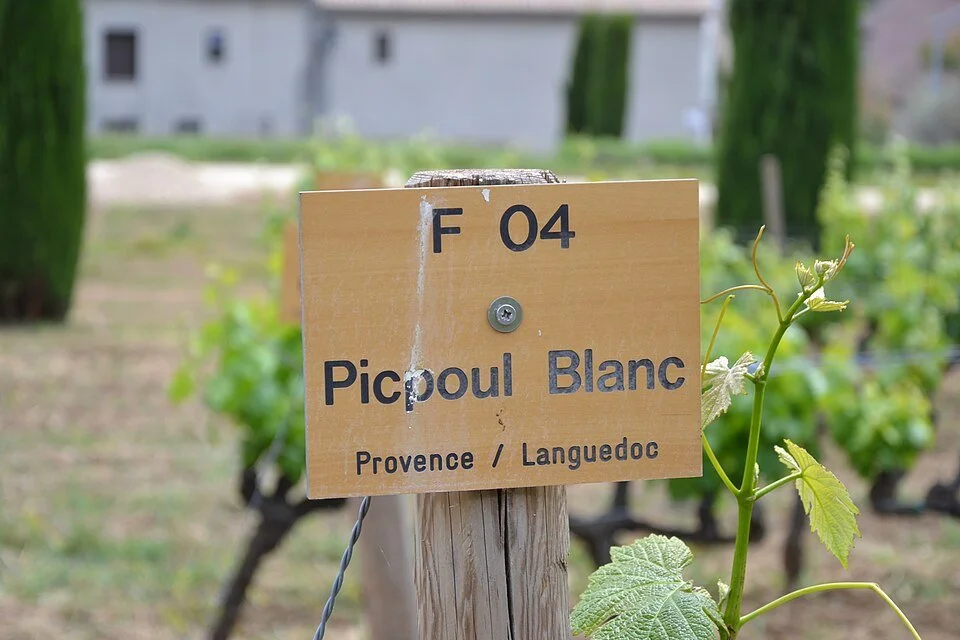
Photo by Marianne Casamance on Wikimedia Commons

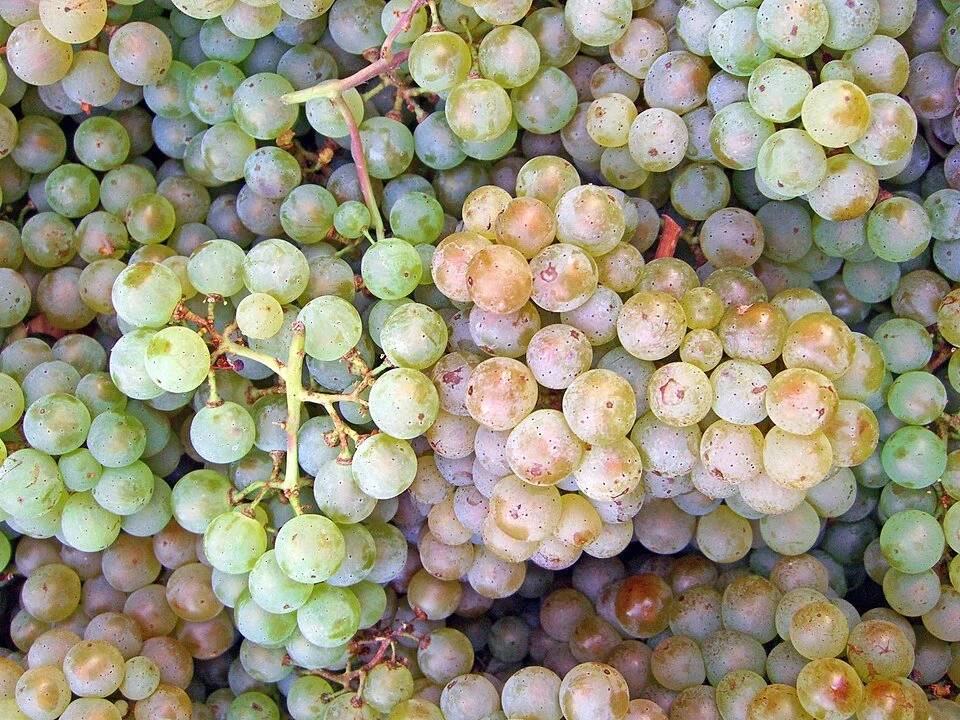
The ancient Picpoul wine grape originates in France's Languedoc region, with records dating back to the 1300s.

Its name translates to "lip-stinger" in the traditional Occitan language, referencing the grape's exceptionally sharp, high natural acidity.

Today, its home remains the coastal Picpoul de Pinet appellation in France. Winemakers also use it as a minor blending component in Châteauneuf-du-Pape, while New World producers grow small amounts in Paso Robles, California, Texas, and Australia's McLaren Vale.

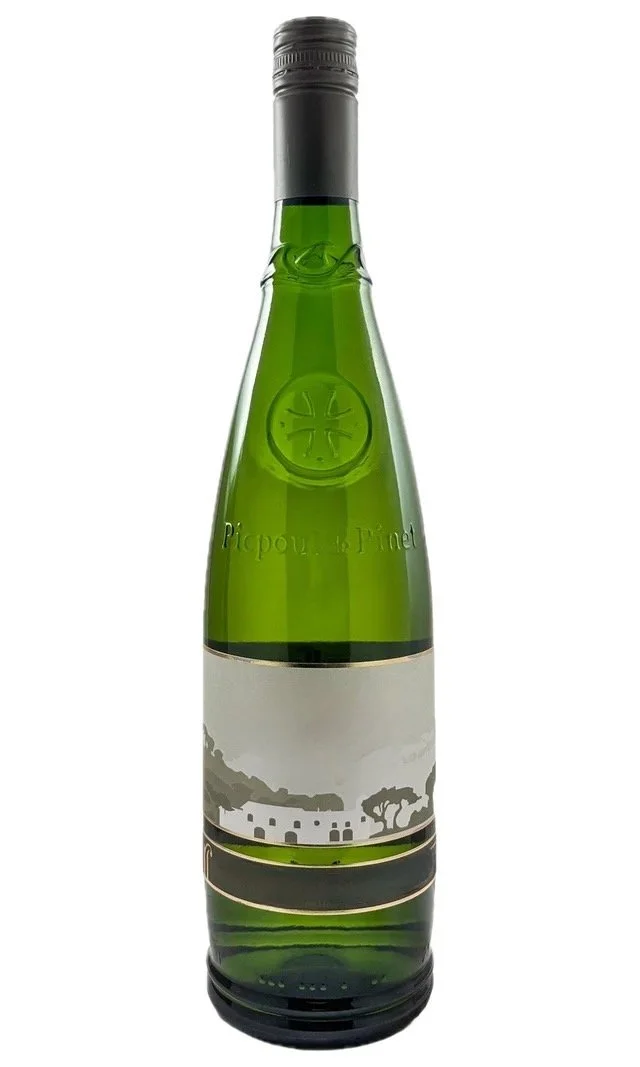
Picpoul “Neptune” Bottle

Authentic French bottles are easily recognized by the proprietary green "Neptune" bottle, which features a raised wave pattern near the neck. This maritime design mirrors its reputation as the ultimate "oyster wine," perfectly cutting through raw shellfish.

In the glass, this bone-dry, light-bodied white wine delivers an intensely clean profile. The nose offers crisp aromas of green apple, citrus peel, and sea spray. On the palate, it bursts with tart lime, grapefruit, and a distinct, salty minerality.

To preserve this mouthwatering crispness, serve Picpoul ice-cold between 40°F and 45°F (4°C to 7°C). Drink the wine young, ideally within one to two years of harvest. It lacks the structure for cellaring, and aging causes its vibrant acidity to fade.

A Tour of Wine Grapes: Pinot Noir Part 2

Pinot Noir 🍷

Photo by Ursula Brühl, Julius Kühn-Institut (JKI) on Wikimedia Commons

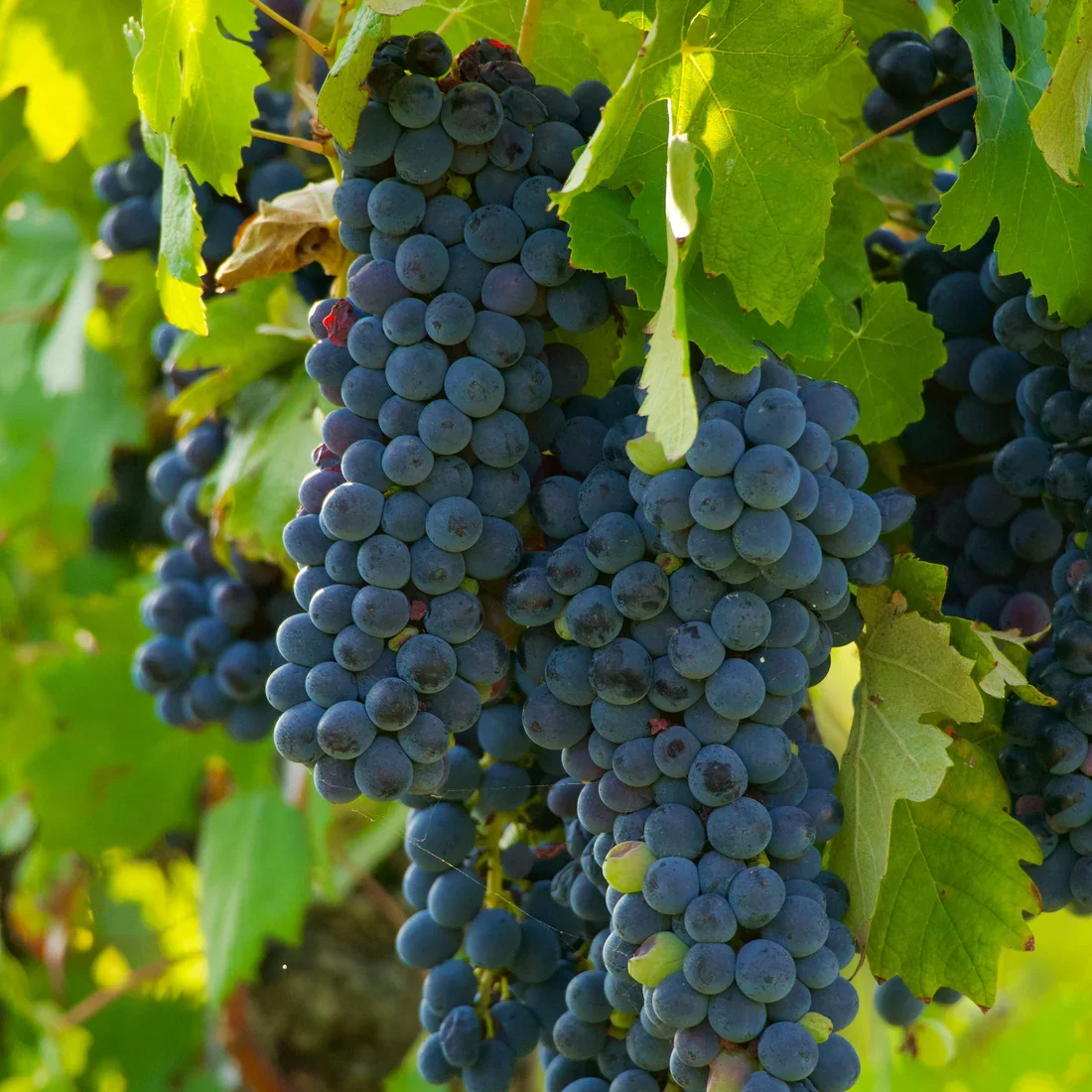
Last time we looked at the Pinot Noir grape and the various countries where it is grown. Now, let’s look at two specific countries — the U.S. and New Zealand.

🇺🇸 The United States: Coastal Coolers

In the U.S., Pinot Noir thrives primarily in California and Oregon, relying on marine fog and ocean breezes to cool the delicate vines.

  • Russian River Valley (Sonoma County): A natural funnel for Pacific fog, this legendary region produces luxurious, universally loved wines. They are famously lush, silky, and fruit-forward—bursting with ripe red cherry, plum, and signature undertones of warm baking spices like cola and nutmeg.

  • The San Luis Obispo & Paso Robles Corridor: This area highlights a dramatic contrast on California’s Central Coast. The Edna Valley AVA is a cool-climate paradise where an east-west valley funnels freezing ocean air to create an extended growing season. It yields remarkably balanced, mineral-driven Pinot Noirs with vibrant acidity. Just a short drive inland sits the significantly warmer Paso Robles AVA—famous for bold Cabs—where Pinot Noir is rare, robust, and riper. Central Coast wine projects, like Cakebread’s Bezel, masterfully bridge this gap by basing operations in Paso Robles while sourcing their vibrant Pinot Noir grapes from the frigid vineyards of Edna Valley.

  • Willamette Valley (Oregon): Accounting for over 70% of Oregon's production, this cool, maritime region draws frequent comparisons to Burgundy. Its Pinot Noirs are celebrated for elegance and complexity, striking a beautiful balance between tart red fruits (cranberry, currant) and savory, earthy notes of forest floor and truffle.

🇳🇿 New Zealand: Southern Hemisphere Spark

New Zealand masterfully bridges the gap between old-world elegance and new-world fruit intensity. Intense southern sunshine paired with dramatic day-to-night temperature swings produces vibrant, medium-bodied wines known for exceptional purity and crisp acidity.

  • Marlborough: The nation’s largest producer delivers bright, linear expressions bursting with tart raspberry, fresh cherry, and a clean herbal lift.

  • Martinborough: A boutique wine region at the southern tip of New Zealand's North Island, famous for producing world-class, savory, and structurally complex Pinot Noir.

  • Hawke's Bay: Located on the North Island, this historic region is typically warmer and famous for bold blends, but its cooler coastal and elevated river valley sites yield fantastic Pinot Noir. These wines are exceptionally approachable, delivering ripe red berry profiles, floral aromas, and significantly softer, subtler tannins.

  • Central Otago: The world’s southernmost wine region features a rugged, continental climate that yields robust, powerfully structured wines rich with dark berry fruits, silky tannins, and distinct notes of wild thyme.

A Tour of Wine Grapes: Pinot Blanc


Pinot Blanc 🥂

Pinot Blanc (pee-noh blahnk) originated centuries ago in Burgundy, France. It is not a separate grape species, but a natural, white-skinned color mutation of the red Pinot Noir grape. In fact, it shares the exact same genetic DNA fingerprint as Pinot Noir and Pinot Gris.

It wasn't until 1895 that grape experts officially identified Pinot Blanc as its own distinct variety. Eventually, Burgundy phased it out in favor of Chardonnay.

Today, Pinot Blanc thrives in cool-climate vineyards across Europe and the New World, changing its name and personality depending on where it is grown. For example, in France, it serves as the base for Crémant d'Alsace which is France's most popular non-Champagne sparkling wine. In Germany, it is known locally as Weissburgunder. And, in Italy, it’s called Pinot Bianco.

The Pinot Blanc grape produces medium to full-bodied white wines with aromas of green apple, lemon zest, pear with floral notes. On the palate, these wines are described as zesty and refreshing with flavors of citrus and stone fruits, with moderate to high acidity.

Serve Pinot Blanc well-chilled between 45–50°F in a standard white wine glass

A Tour of Wine Grapes: Petite Sirah

Petite Sirah 🍷

Petite Sirah (peh-teet-sear-ah) was created by French botanist Dr. François Durif in the mid-1860s in an attempt to develop a vine resistant to mildew. The grape is also known as Durif in honor of its originator.

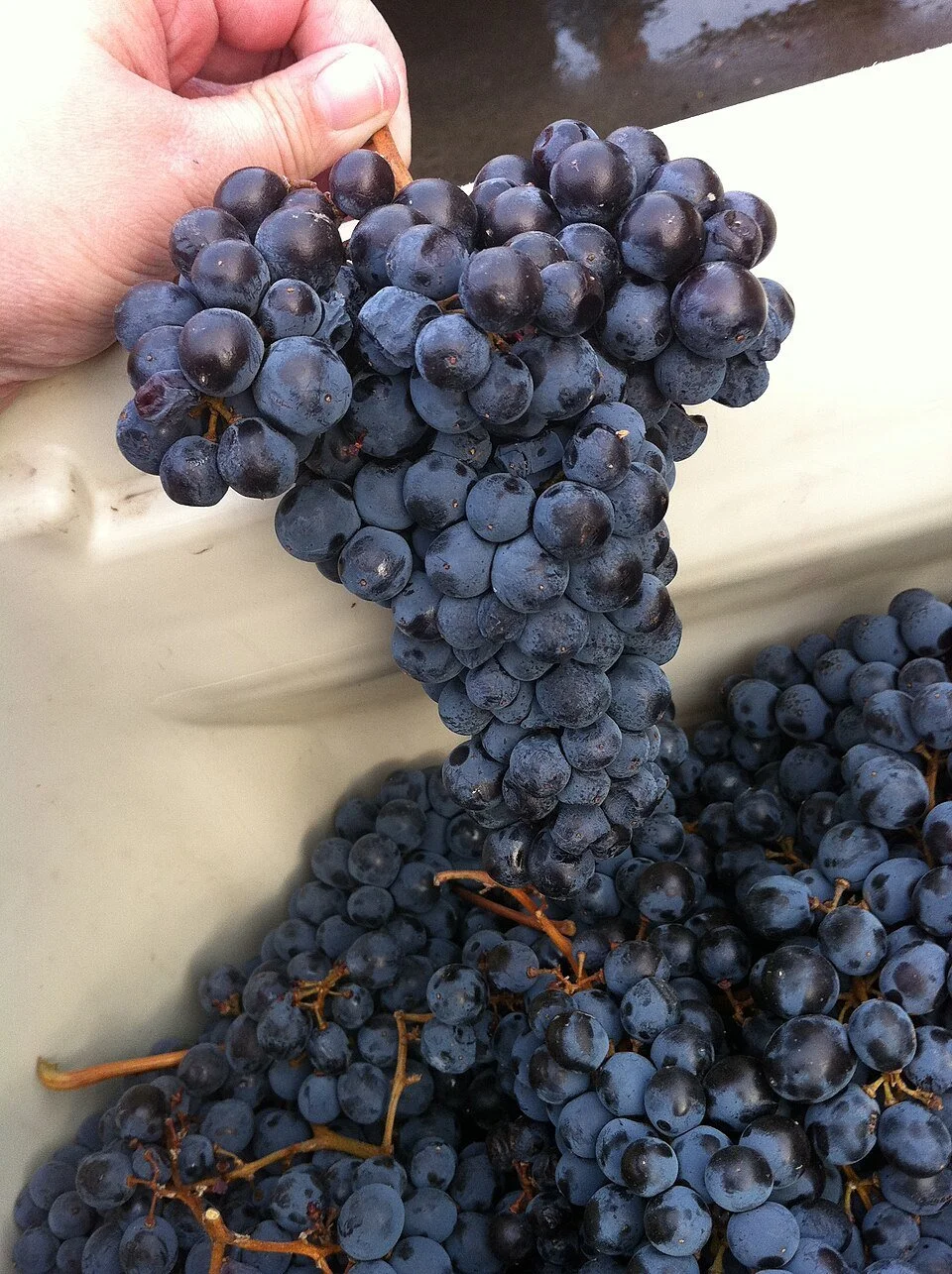
Unfortunately, the grape was largely discarded in France because its tight clusters were prone to rot in wet weather.

The grape was imported to Northern California in 1884. Today, more than 80% of the world’s planting of Petite Sirah are in California.

Petite Sirah is not the same as Syrah and is distinct from petit syrah which French growers use to describe small-berried clones of true Syrah.

Because the Petite Sirah berry (i.e., grape) is so small, it has a very high skin-to-juice ratio. This results in wines that are opaque with inky black-purple color.

Aromas include blueberry, violets, dark chocolate and black tea.

Flavors tend toward to black fruit such as blackberry and sugarplum along with cracked black pepper.

Because of the thick skin, Petite Sirah wines are considered a full-bodied and have very high tannin. The acidity tends to be medium to high.

It is commonly said that there is nothing petite about Petite Sirah.

Petite Sirah is very good for aging because of its very high tannin. High quality bottles can easily age for decades.

Serve Petite Sirah in a red wine glass at 60-68 F after decanting for at least an hour.