A Tour of Wine Grapes: Alicante Bouschet

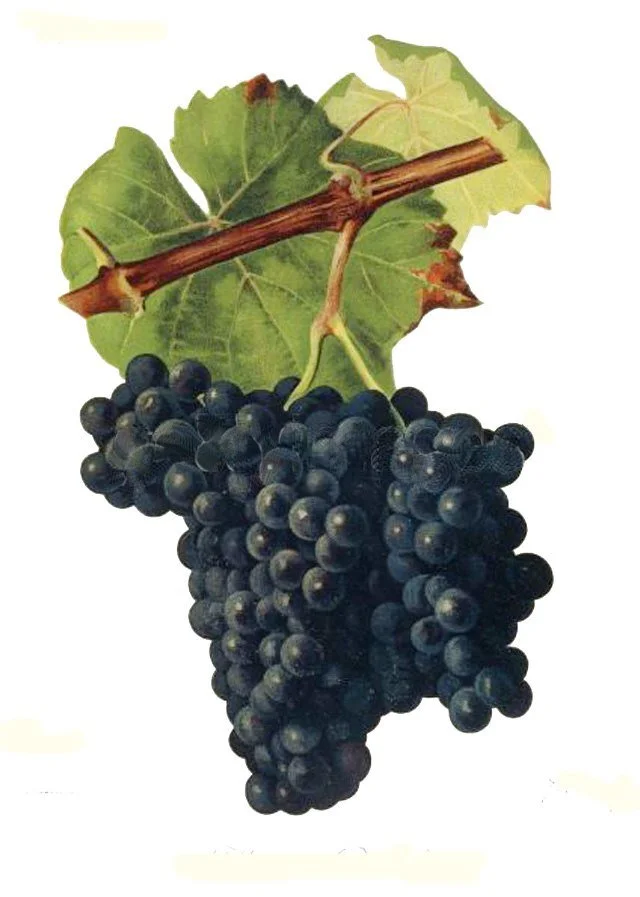
Image from Wikimedia Commons

Alicante Bouschet 🍷

Alicante Bouschet (ally-can-tay boo-shey) was created in 1866 by botanist Henri Bouschet when he crossed Granacha with Petit Bouschet in Southern France.

This grape is unique in that both the skins and the flesh are red, yielding red juice (most red grapes produce clear juice).

Nearly half of all Alicante Bouschet is grown in Spain while France, Chile, Portugal and several other European countries and the U.S. grow small percentages.

Wines made from Alicante Bouschet can have smokey, sweet aromas including sweet tobacco. On the palate, the flavors include black cherry, blackberry, black plum, and black pepper.

The wines are typically full-bodied, are medium-high in tannin, with medium to high acidity, and very low sweetness levels.

Alicante Bouschet can be aged in the bottle for 5 to 7 years.

Decant young Alicante Bouschet wines for 1-2 hours while an older wine (5+ years) should be decanted at least 30 minutes before serving in a large red wine glass at 60-65 °F.

A Tour of Wine Grapes: A to Z

As we begin a new year, EverWonderWine will take you on a tour of the more common grapes, A to Z, used around the world to produce wine.

We’ll look at where the grapes originated, where they’re grown, the various aroma and flavor profiles as well as things like the best serving temperature for the wines made from the grape, along with decanting recommendations and the aging potential of the wine.

While turning the grapes into wine can be done in many ways by wine makers, we’ll also look at common wine characteristics such as acidity and tannin associated with the wines made from each grape.

So, follow along the tour.

Next time we’ll being with Albariño. Cheers!

Some Thoughts About Gewurztraminer

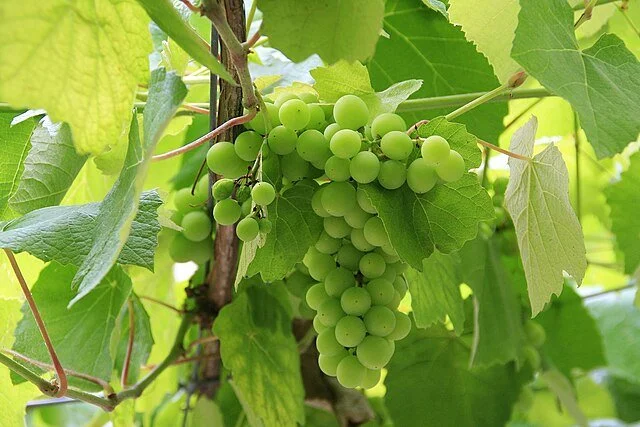
Gewürztraminer is the name of the grape used to make Gewürztraminer wine. It originated in Germany and has spread to other wine-growing areas, especially Alsace in France, as well as parts of Italy, Austria, and even the U.S.

The grape itself is a mutation of the older Traminer variety, which dates back centuries. It’s known for its distinctive pinkish skin and aromatic qualities.

The name comes from the German words Gewürz, meaning "spice," and Traminer, referring to a variety of grape. So, it's essentially a "spicy Traminer" grape.

Gewürztraminer is best known for its aromatic, spicy, and floral notes.

Aromatics: Gewürztraminer is very aromatic. It often has intense scents of rose petals, lychee fruit, and spicy notes of ginger, cinnamon, and even hints of honey or sweet baking spices.

Flavor: The taste is slightly sweet with flavors that can range from tropical fruits (like lychee, pineapple, and passionfruit) to more floral and spiced elements (such as ginger, clove, and orange zest). It is typically a medium-body wine with a smooth, almost oily mouthfeel.

Acidity: Gewürztraminer typically has lower acidity than other white wines, making it a bit softer on the palate. The lower acidity balances the wine’s richness and fruitiness.

Regions:

  • Alsace, France: Alsace is perhaps the most famous region for Gewürztraminer, where it’s known for being a rich, aromatic, and slightly off-dry style. The cool climate in this area helps preserve the wine’s fresh flavors while allowing the grapes to ripen fully.

  • Germany: The wine produced here can be similar in style to that of France but it may a bit dryer (less residual sugar) and exhibit more minerality.

  • U.S.: In the United States, parts of California, Oregon, and Washington produce Gewürztraminer with a more fruit-forward profile, often with more tropical notes and a less pronounced spice character than those from Europe.

Gewürztraminer's bold aromatics and slight sweetness make it a fantastic match for a wide range of foods, especially dishes with some spice. So, if you're a fan of aromatic wines and enjoy something with a bit of personality and boldness, Gewürztraminer is a great choice. Cheers!

Tannat -- Uruguay's Flagship Grape for Wine Production

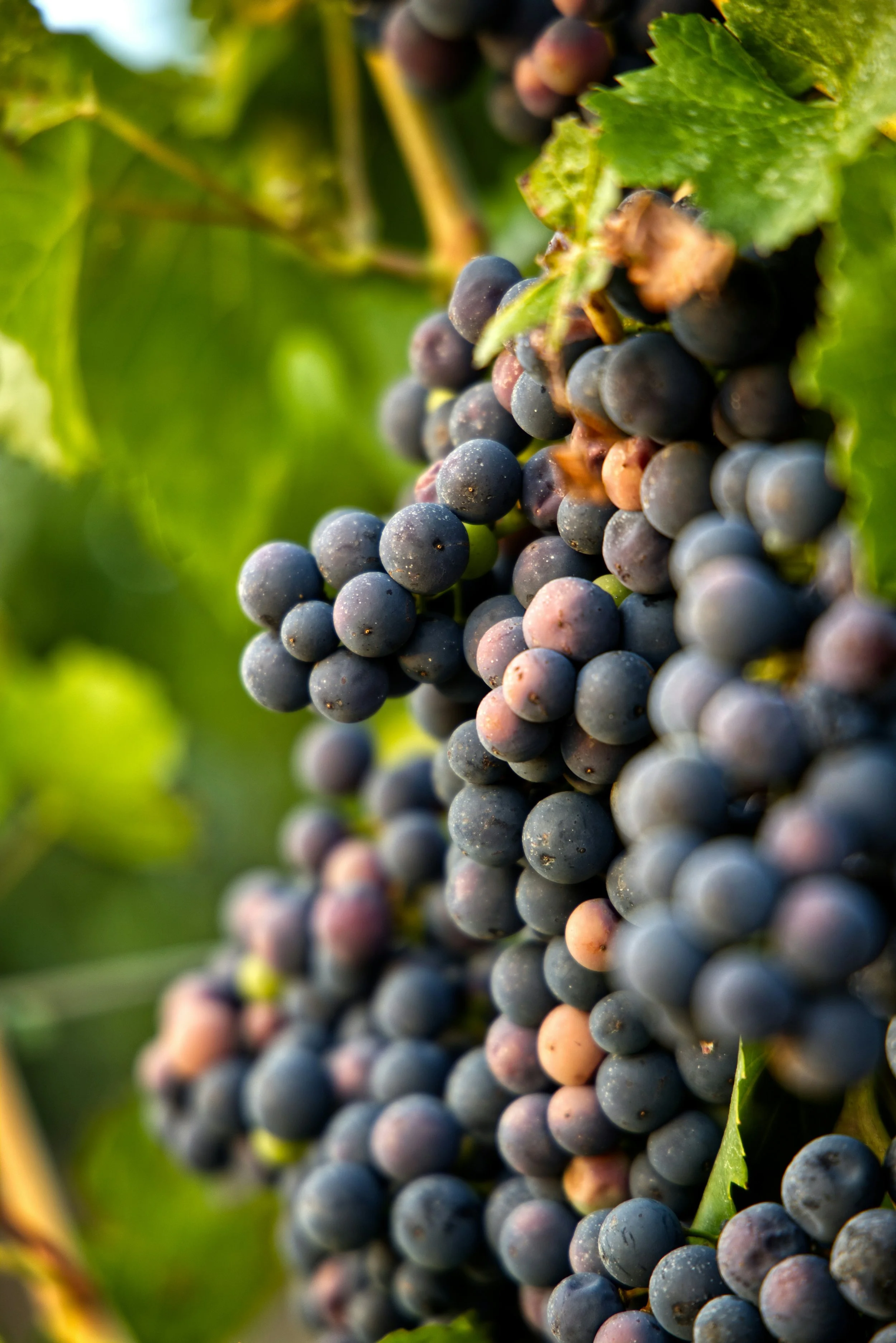
Photo by Jassy Onyae on Unsplash

Tannat is a red-wine grape that originally came from the Basque country, on the border between France and Spain. It is known for producing full-bodied wines with strong tannin and acidity. Today, it is Uruguay’s flagship grape amounting for 27% of its total wine grape production.

The Tannat vines growing in Uruguay, and throughout the Americas, are slightly different from those found in today’s French vineyards. This is because they are some of the oldest Tannat vines that are direct descendants of the pre-phylloxera cuttings shipped across the Atlantic in the 19th Century. The result is that Uruguayan Tannat is actually slightly lower in tannin than those still being grown in France.

Here are a few facts about Tannat in Uruguay:

  • Tannat was first planted in Uruguay in the 1870

  • Tannat is well-adapted to the soil type in Uruguay and its climate

  • Tannat is a relatively thick-skinned grape. This is beneficial in Uruguay due to the high humidity conditions during growing season

  • Tannat is thought to have been introduced to Uruguay by Don Pascual Harriague (1819-1984) who was a winegrower from the French Basque country. Tannat was originally referred to as Harriague (ar-rē-a-gāy) in Uruguay. He has since been honored on a postage stamp in Uruguay celebrating 200 years since his birth

  • Tannat and Cabernet Sauvignon were cross-breed to create Arinarnoa which is being grown in Uruguay

  • Tannat can be blended with other grapes such as Viognier (stay tuned for this in an up-coming Behind the Cork Wine of the Week feature!)

  • Tannat grapes are also being used to produce a wonderful rosé Vermouth (stay tuned for this in an up-coming Behind the Cork Wine of the Week feature!)

As noted, some really super Tannat-based wines are being produced in Uruguay and will be featured as Behind the Cork Wines of the Week in upcoming blogs. Until then, Cheers!