
Behind the Cork™ - Three Excellent Examples of Albarino from Uruguay

Wine has been made in Uruguay for a long time. Like other Latin American countries whose growth was fueled by European immigration in the mid-19th century, wine was made to satisfy the thirst of those nostalgic for their homeland. Bordered by the Uruguay River, the Río de la Plata, and the Atlantic Ocean, Uruguay today boasts 168 wineries, most of them family-owned, that between them produce 10 million cases to meet a current annual demand of around 20 liters (5.28 gallons) per capita.

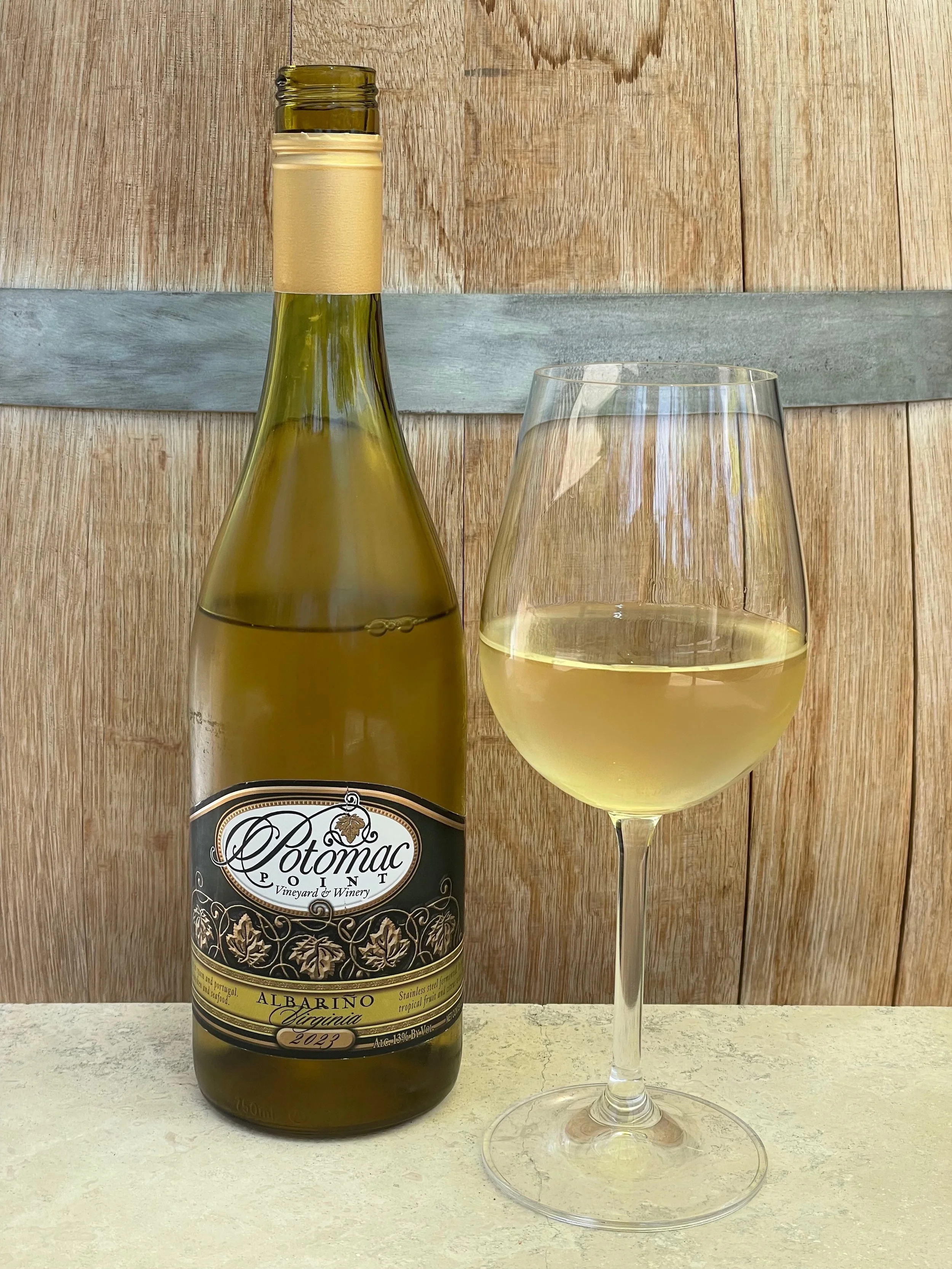
Here are three excellent examples of Albariño from Uruguay:

2024 Bouza Albariño ($28)

Hailing from Galicia, the Bouza family were the first to plant Albariño in Uruguay, a variety that has now eclipsed Chardonnay to become the third most widely planted white grape.

This wine is produced from 100% Albariño that is undergoes pre-fermentation maceration for four hours. 90% of the wine is fermented in stainless steel tanks while 10% is fermented in French oak barrels. It is then aged on-lees for four months. (ABV: 12.5%, Total Acidity: 3.9 g/L, pH:3.05, RS: 1.9 g/L).

This wine is pale gold in color with a delicate aromas. On the palate, this medium-light bodied wine has subtle flavors of nectarine and grapefruit and medium acidity. It finishes soft and smooth with hints of minerality and saline.

2024 Familia Deicas Atlantico Sur Albariño ($20)

Santiago Deicas grows Albariño at his estate vineyards in Canelones and Maldonado, and finds that he prefers the “explosive flavor” of the grape in the clay and calcareous soils of Juanicó, in Canelones.

Produced from 100% Albariño that is fermented and stored in a tank with lees stirring for several months. It is aged in chilled tanks for four to six months. (ABV: 12.3%, Total Acidity: 4.2 g/L, pH: 3.13)

This wine is medium gold in color with a light aroma. On the palate, this Albariño has flavors of nectarine and grapefruit and finishes with a slight hint of tartness.

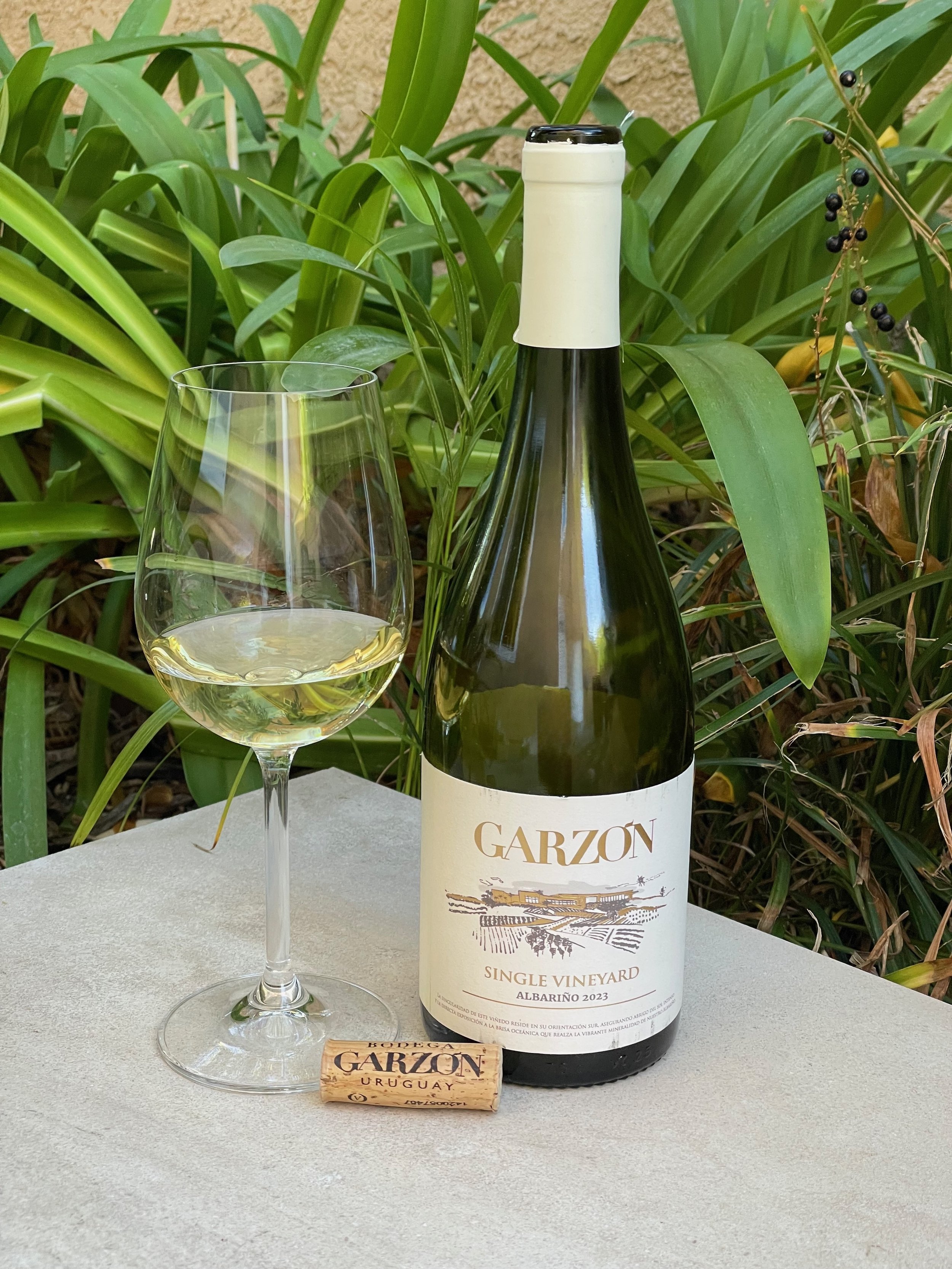
2023 Bodega Garzón Single Vineyard Albariño ($35)

Antonio Antonini considered the granitic soils of Garzón and the rainy Atlantic climate when he suggested the team at Bodega Garzón plant Albariño—and they now produce three in each vintage. Their single vineyard used for this wine lies in its southern orientation that shelters the vines from the intense sunlight and direct exposure to the ocean breeze.

This wine is produced from 100% Albariño that is fermented in cement tanks before being aged on-lees for 8 months also in cement tanks. (ABV: 14%, TA: 7.6 g/L, pH: 3.21, RS: 2.7 g/L)

Medium gold in color with an aroma of honeydew. On the palate, this medium-bodied wine has flavors of apricot and citrus along with medium-high acidity. The finish is balanced and smooth.

These three Albariño wines are excellent examples of the wines being produced in Uruguay. And, at these prices, are great fits as this week’s Behind the Cork™ Wines of the Week. Cheers!


Disclosure of Wine Sample Submission: I received these samples at no cost for review. The opinions expressed are entirely my own.

Media Sample Provided by Bodega Bouza, Bodega Familia Deicas and Bodega Garzón

Behind the Cork™ - Pazo de Lusco Albariño

2023 Pazo de Lusco Albariño ($24.99)

The Pazos de Lusco winery, within the Rias Baixas DO, is located in the municipality of Salvaterra do Miño, in the province of Pontevedra. The Rias Baixas DO in Galicia in north-west Spain is a small wine-growing region.

The name of the winery, Pazo de Lusco, is typically Galician. A pazo is a traditional Galician ancestral home usually in the country side. Lusco is an idiomatic Galician word that defines the magical moment between dusk and nightfall when the sun is going down.

This Pazo de Lusco Albariño is produced from 100% Albariño grapes that are fermented with their own yeasts from their most historic vineyards. It is aged on lees.

This wine is pale straw in color with aromas of citrus and apple. On the palate, this Albariño is medium-light bodied with good fruit flavors of citrus (lemon, lime and nectarine). It has bright acidity and a creamy mouthfeel from the aging on lees. This results in a smooth finish. [ABV: 12.5%, TA: 5.2 g/L, ph: 3.6, RS: 1.5 g/L]

This is a delightful Albariño from Pazo de Lusco that sips easy at any time and goes with a large variety of foods. And, at this price, makes it a great fit as this week’s Behind the Cork™ Wine of the Week. Cheers!


Disclosure of Wine Sample Submission: I received this sample at no cost for review. The opinions expressed are entirely my own.

Media Sample Provided by Gonzalez Byass

Behind the Cork™ - White Wines from Spain

2021 Pazo de Lusco Albariño ($24.99)

This Albariño is from Adega Pazos de Lusco, one of the most renowned wineries of the Rías Baixas wine growing region along the northwestern coast of Spain. The winery boasts a historic 16th century complex that was in used until 2009 featuring a chapel, barn and stables typical of rural life in the Galician history. The winery is now located in new modern facilities that are just steps away from its origin.

This wine is produced from 100% Albariño grapes with native yeasts and aged on lees.

The Pazo del Lusco Albariño is pale gold in color with aromas of lemon, grapefruit and honeydew melon. On the palate it shows bright fruit flavors, some peach, refreshing acidity and finishes with just a hint of saline.

2020 La Miranda Secastilla Garnacha Blanca (14.99)

This La Miranda Garnacha Blanc is from the Secastilla Valley in Spain. The vineyards are located in the north-eastern corner of Spain and have a “Mediterranean microclimate” suitable for growing olives, grape vines and almond trees. The vineyards are set on stony slopes 2300 feet above sea level. There, La Miranda has recovered very old vineyards of Garnacha Tinta and Garnacha Blanca, the traditional varieties of the Secastilla Valley.

This wine is produced from 100% Granacha Blanca (a white grape that is a relative of the red Grenache Noir grape). After fermentation, it was transferred to oak barrels where it remained for four months with frequent batonnage.

The La Miranda Garnacha Blanca is pale gold in color with delicate fruit aromas, along with some earthiness and straw. This one is softer on the palate, with flavors of green apple and herbs, a bit of pepper and good acidity.

Both of these Spanish white wines are from the Gonzalez Byass family of wines and great fits as Behind the Cork™ Wines of the Week. Cheers!


Samples Imported and Provided by Gonzalez Byass (via Donna White Communications)