
The Role of Acidity in a Wine

When it comes to a wine's ability to be aged, both tannin and acidity play a role. Tannins were described last time as having compounds that act as natural preservatives in wine.  The natural acids in the juice of the grape also help to preserve a wine for better aging.

Acids are common in fruits and give them their refreshing qualities. Fruits like apples, lemons, limes, and grapefruit are acidic and have that crisp, fresh, mouth-watering quality. Grapes too have acids that are highest before they ripen and are reduced as they ripen.

Acids can give wines a crisp, tart, refreshing and zesty flavor such as you might experience when drinking a glass of lemonade. And, the acids produce additional saliva which leave you with a mouth-watering affect immediately after consuming. This is common in white wines such as Sauvignon Blanc, Pinot Grigio and Riesling.

Along with preserving a wine and giving it a fresh crisp flavor, acids also help to 'balance' wines.  The balance is typically between acids, sugars, tannin and alcohol. If any one of these traits is too high or too low the wine will be un-balanced and just taste wrong. Too much sugar results in a syrupy sweet wine. Too much alcohol gives a hot burning sensation in your mouth and throat. And too high of a tannin level results in a harsh mouth drying and puckering sensation.  If a wine has too much acid it will seem sharp and if it lacks acids it can seem dull, boring, flat or 'flabby' as the wine world calls it. So balance is important.

The balance of acids is especially evident in red wines where you don't get the crisp and zesty flavors. Red wines are typically less acidic than white wines and the higher tannin and alcohol act to significantly reduce the acidic sensation and produce the 'smooth' mouth-feel sensations most often associated with Cabernet Sauvignon, Merlot and Zinfandels.

To put the levels of acids in perspective, we must briefly revisit chemistry and pH levels. Water is neutral from an acidity perspective and has a pH of 7 on a scale of 1 to 14, with the most acidic items having a pH of 1 (a seemingly backwards scale). Typically coffee is thought to be highly acidic but it comes in around a pH of 5-6. Lemonade on the other hand has a pH typically around 3. Wines will range in between with a pH of 4 for some red wines and go to a pH around 3 for some types of white wines.

As just another way of describing balance in beverages, the balance of acids and sugars is strongly evident in lemonade and cola drinks.  They are both higher in acidity than all wines but have a tremendous amount of sugar that acts to balance out the acid and create enjoyable drinks.

So all of these traits need to be in balance. And acids play an important role in this balancing act. So whether it be a crisp and zesty Riesling or a smooth Cabernet Sauvignon, know that acids are important to the overall flavor and the ability of a wine to age.  Cheers!


Behind the Cork™ Wine of the Week - Justin Sauvignon Blanc ($13)
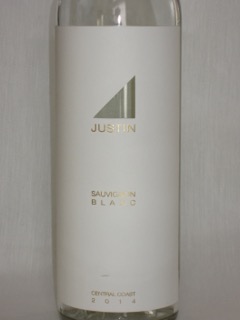
This Sauvignon Blanc from Paso Robles is a great example of a crisp, zesty and refreshing wine. The winery describes this wine as having fruit elements of guava and pineapple with subtle orange peel, and fresh herbal notes including chamomile flower.

It is dry, crisp and refreshing with lemon, green apple, white peach and guava. The finish is bright and clean, with a slight mineral texture.  This is an excellent value and worth searching out.

How to Know If Your Wine Has Gone Bad

Have you ever opened a bottle of wine, poured a glass, taken a sip, and then asked yourself "Has this wine gone bad?"  Sometimes a defective wine is hard to establish, but other times there is no question that the bottle has gone bad.

Last week I went to one of those 'big box' wine stores to pick up a few bottles of wine. Among them was a rosé for the Valentine's Day weekend. The rosé was produced by a reputable California winery that I've purchased from previously. I brought it home and chilled it. When I took it out to serve, I noticed that as I poured it, there were definite orange and brown hues to the ordinarily pink rosé. This was my first clue. Then, upon taking my first sip I noticed it had a nutty flavor and other odd flavors that I would not associate with a fresh, fruity rosé. I immediately wondered if the bottle's seal was bad. But it looked fine. I then looked at the label.  This was my final clue.  And, shame on me for not noticing in the store, but the rosés vintage date was 2012. This was a three-plus year old bottle of rosé. That was the primary issue. It was too old. And, who knows how it had been stored over those three-plus years.  But nonetheless, the wine had gone bad.

So, shame on me. I should have paid more attention to the date on the bottle in the store. With rosé's and white wines, they are best consumed young, within a couple of years of their vintage date, if stored properly. But, also shame on the wine seller. They should have better control on their inventory and know when something on their shelf is too old.

In this case, the thing to do is to take your receipt and the bottle back to the store where you purchased it. Any reputable wine seller (even a grocery store) should refund your money on a bad bottle.

In future postings I'll address how long you should keep a wine and why some wines age better than others.  And, you may be surprised at the aging recommendations for most wines.  For now, hoping all your wines are good ones! Cheers!


Behind the Cork™ Wine of the Week - Bear Boat Russian River Pinot Noir ($18)

A really nice Pinot Noir. It has flavors of cherries, raspberries and cola. This is a delicate Pinot Noir that can be enjoyed with most foods, but pairs really well with salmon.

Have You Tried Rosé?

Yes, it's still winter. And rich, savory red wines are great with a hardy, warm meal. But with Valentine's Day near and spring being just around the corner, I thought I might touch on rosé wines.

Rosé wines have gotten a bad rap, and some of it is deserved. The White Zinfandel that became so popular in years' past has had a lot to do with rosé wines being greatly overlooked. And many times a rosé can be rather tasteless and weak, nothing there.

But rosés should not be rejected outright. There are many examples of rosés with great character. Light rosés can have flavors of grapefruit, strawberry and sweet cherry, while darker, bolder rosés can have flavors of black currant and blackberry. These flavors come from the many varieties of grapes used to produce rosé.  Fruity rosé can come from the Grenache, Sangiovese and Zinfandel grapes while savory rosé is made from Tempranillo, Syrah and even Cabernet Sauvignon.  Other rosés are made from Mourvèdre, Pinot Noir, Cinsault and Clairette grapes.  Check the label. Nicer rosés will tell you the type of grape used in making the wine.

A couple of keys to finding dry versus sweet rosé are alcohol content and where they are made.  Sweeter wines, in general, have lower alcohol levels (not all the sugar was converted to alcohol during fermentation). All wines labels are required to show the percent alcohol of the wine. If it's down around 8 or 9 percent, it's going to be sweet.  In the 11 to 12 percent range, it will be mid-range between sweet and dry. And, above 12 percent it's going to be dry.  And, typically, rosés from Old World countries are going to be drier. French rosés from Provence are made of Grenache, Cinsault, Syrah and Mouvèdre, Spanish rosé (rosado) is typically made from the Grenache grape while Italian rosato is made with various grapes depending on where they are from. These are all excellent, dry rosés that are typically quite affordable. You should be able to find a nice rosé under $20.

Rosé wines go great with a large variety of foods and are typically served cool to cold. In future posts, I'll touch on the various methods for producing a rosé wine and discuss acidity since many rosés have bright acidity that works well with many food pairing.

If you haven't taken rosé seriously up to now, I suggest you give it a try. You are likely to be surprised! Cheers!


Behind the Cork™ Wine of the Week - Francis Coppola Sofia Rosé ($13)

This is a nice, light rosé that's dry (the 12.5% alcohol listed on the label should tip you off that it's dry).  This is a blend of Syrah and Pinot Noir with flavors of cherry, raspberry and citrus zest.  Chill it and enjoy!

A little trivia - Francis Ford Coppola named this rosé for his daughter, Sofia, who is an Academy Award winning screenwriter, director, producer and actress.


Beyond the 5 S's of Wine Tasting

Drinking wine is a pleasurable experience that is quite simple. And, as winemaker Charles Smith puts it "It's just wine. Drink it." But for many people, wine tasting can be a very intimidating experience. But it shouldn't be.

In the past, I've written about how to visit wineries and how to have a great experience tasting wines. And whether it be at a winery, a restaurant, wine bar, or at home, there are simple things that you can do to enhance the simple enjoyment of a glass of wine.

The Five S's of wine have been written about many times by others but here's a quick review:

  1. See - Look at the wine in your glass and note the color and clarity. White wines can range from nearly clear to pale yellow, straw color, or golden. Red wines can be maroon, purple, ruby, garnet, or deep red. Both white and red wines can take on a brown hue with age.  All wines should be free of sediment.

  2. Swirl - By swirling the wine within the glass you give it an opportunity to gain further contact with air and release its aromas.  A wine right out of a bottle may need a little exposure to air. This exposure will quickly take away any sharp odors and can help soften or mellow the wine.

  3. Sniff - Stick your nose into the wine glass and take a sniff. You can get a very quick idea of what the wine will taste like and you may even detect some of the fruit aromas. Try sniffing with each individual nostril. You may find a real difference. And, by the way, there is no need to sniff the cork from the bottle. A wine server may present it to you, but you only need to take a brief look at it to ensure it doesn't show any obvious signs of leakage.

  4. Sip - Take a small sip, drawing in some air as you sip, and let it stay in your mouth for a while. You can even swish it around a bit in your mouth. This will give you an opportunity to really get all the flavors that the wine has to offer.

  5. Swallow - By allowing the wine to go through the back of your mouth and down your throat you will finally get the complete wine experience from your mouth and nasal passages.

But, in addition to these classic five S's, there are a few other things that can enhance your enjoyment of wine.  The glass itself is important. It should be clean and clear with a bowl large enough to hold a nice pour of wine (around 5 ounces) and still have plenty of room left. A wine glass should only be filled about one-third of the way. The remaining 'empty' space in the glass is left to capture the wine's aromas.

The wine also needs to be at the right temperature. Reds should not be served room temperature and whites should not come straight out of the kitchen refrigerator. A red should be served at cellar temperature, 58-62 degree F, and a white should be 45-50 degrees F.  These optimal temperatures allow you to best enjoy the wine's full flavors. I recently had a friend tell me he didn't like Chardonnay until a recent visit to a winery. What he learned was that his only experience with Chardonnay was drinking it at refrigerator temperature. When the winery served their Chardonnay at 48-50 F, it was an entirely different and better experience, allowing him to actually taste all the flavors in the wine.

Decanting a red wine can also make a big difference. It doesn't need to be a fancy decanter, just one that can hold an entire bottle of wine and give the wine lots of surface area exposed to air.  Filling a decanter up to the neck does little for the wine so find a vessel that has a broad bottom such that you are only filling it about halfway. Once you've poured the wine into the decanter, pour yourself a sip right away and note the wine's character.  Give it thirty minutes in the decanter and try it again. It should smooth out and soften. You can continue decanting for an hour our two, but beyond that the wine can become over oxidized and start to become a bit stale.

Once again you may be asking yourself "Why bother?"  Well, if you follow these simple steps you'll find that you will quickly start to understand the differences in wines and better determine your real wine preferences.

But, above all else, keep it simple, take wine tasting slowly, and enjoy! Cheers!


Oak and Its Effect on Wine's Flavor

Last time we discussed how all the fruit flavors get into wine. We discussed that wines don't actually contain fruit other than grapes, but the grapes, the soil they are grown in, the fermentation process, and the aging process can impart other fruit flavors.

Another way that flavors can be added to wine is through oak aging.  Oak barrels add additional quality, character and smoothness to wines and can create flavors of vanilla, butterscotch, coconut, toffee, caramel, butter, mocha, coffee and smokiness. 

The vanilla flavor in wines come directly from compounds in the oak itself. But often the interiors of wine barrels are 'toasted' over an open flame. This process affects the degree of flavor added to the wine. Barrels may be toasted light, medium or heavy. Light toasting of the barrels results in wines having flavors of butterscotch, toffee, caramel, coconut, and butter. Wine flavors of mocha, coffee and smokiness are brought out of the oak by heavier toasting of the barrels. 

Oak barrel aging is used for most red and white wines of the world. But, it comes with a cost.  French oak, which is considered the 'gold standard' of oak barrels, can cost $800 to $4000 dollars each.  And an oak barrel is only able to add flavors to wines through two to three uses. After that, oak barrels become 'neutral' and are simply used as vessels for storing wines with little or no flavor being added. Oak barrels from the U.S. cost $350 - $500 each and, like French oak, only impart flavor during their first two to three uses.

One oak tree can only produce enough wood for approximately two barrels, or 50 cases of wine. And, when aging wine in a barrel, the wine only comes in contact with the oak on the inside of the barrel. So, winemakers seek alternative ways of getting oak flavors in their wines. Options include adding oak chips, oak cubes or oak staves directly into the wine as it ages in stainless steel tanks. This allows the entire surface area of the oak to be in contact the wine and is much less costly than barrels.

So start paying attention to these wonderful flavors in your wines. And remember, all the flavors are coming from grapes, yeast and sometimes oak.  Cheers!