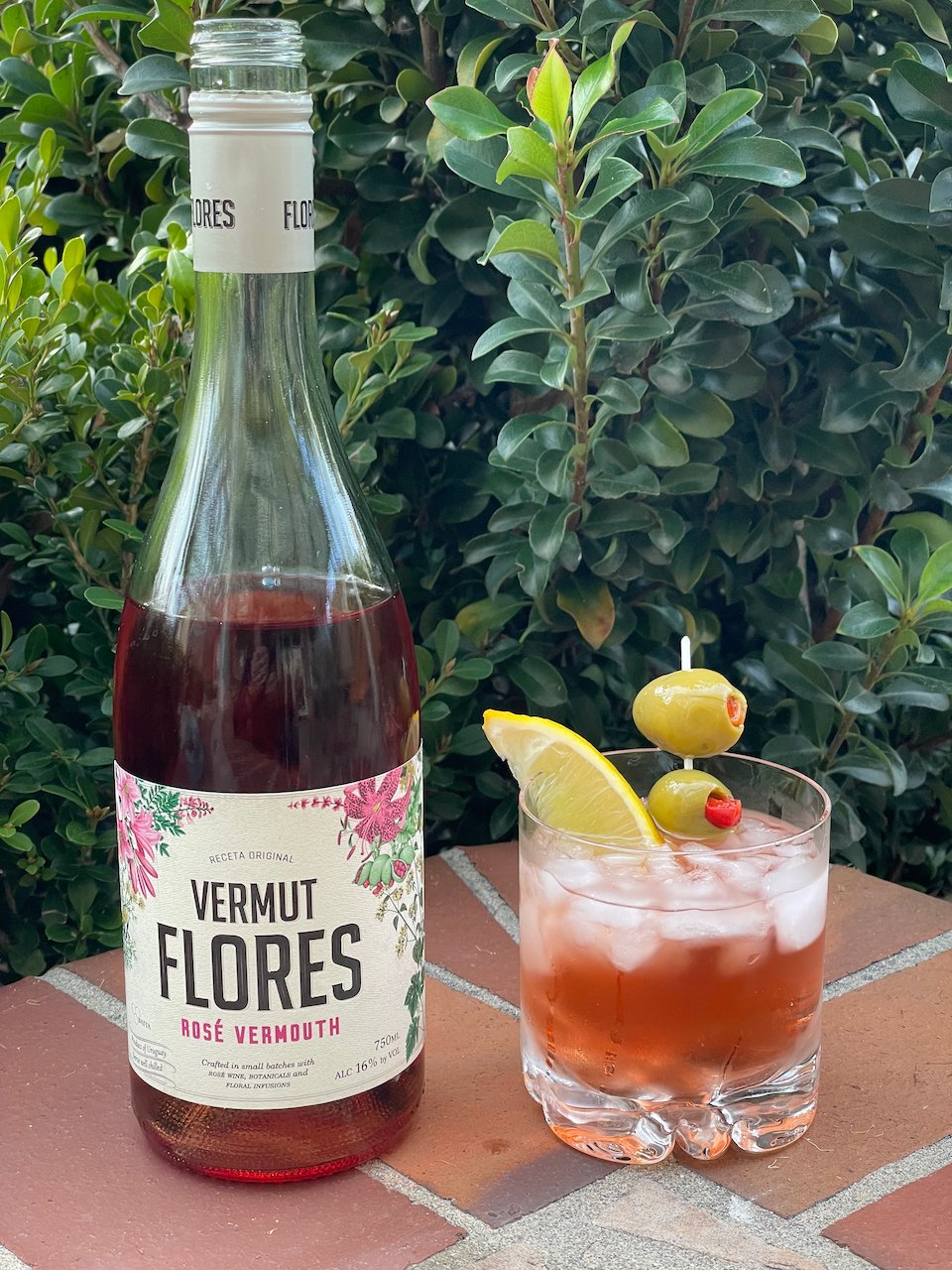
Behind the Cork™ - Basta Spirit Vermut Flores Rosé

Basta Spirit Vermut Flores Rosé ($16)

In a little bit of a ‘twist’ this week’s Behind the Cork™ Wine of the Week is a vermouth, from Uruguay.

As was noted in a previous blog, vermouth is actually a wine - a fortified wine. And, it’s infused with a mixture of botanical products including fruits, herbs, spices and roots. After the wine is aromatized and fortified, the Vermouth may be bottled dry, or sweeteners such as sugar may be added to create the sweet style of Vermouth, like this one.

This Basta Spirit Flores Rosé vermouth is from Uruguay and is made from Tannat grapes that are pressed and left in brief contact with the skins to create a rosé. It’s 27 different botanicals include roots, barks, herbs, fruit and flowers such as rose, hops, chamomile and elder-flower.

It is sweet to the taste and makes for a refreshing cocktail when served over ice with tonic water, a slice of lemon and olives (as shown) or as a spritz with sparkling wine and a slice of orange. One way or another, this Basta Spirit Flores Rosé makes for a delightfully refreshing drink. Cheers!


Disclosure of Wine Sample Submission: I received this sample at no cost for review. The opinions expressed are entirely my own.

Sample Provided by Basta Spirit via Creative Palate Communications

Behind the Cork™ - A Couple of Delicious White Wines from Uruguay

Bordered by the Uruguay River, the Río de la Plata, and the Atlantic Ocean, Uruguay today boasts 180 wineries, most of them family-owned, that between them produce 10 million cases of wine annually.

Uruguayan’s tend to prefer reds and over the last 30 years Uruguayan wine has become synonymous with Tannat. But, given the country’s oceanic climate, white wines influenced by the sea are now also beginning to attract attention as producers new and old look to venture into new territory. Uruguay is beginning to produce a growing range of flavors to tempt curious drinkers.

Here are two fine examples of delicious white wines from Uruguay:

2022 BraccoBosca Ombú Moscatel ($16)

The Ombú is a native tree of South America. On their winery, there is one Ombú tree where the previous landowners used to hide golden coins. So, the family that owns the winery has always thought there is treasure buried there. But, actually, they believe the real treasure is the vineyard where they produce this exclusive wine. This Wine is made from 100% dry Moscatel. It is pale straw in color with green highlights. On the nose it has medium-intensity notes of citrus, pear and sweet notes of honey. On the palate it is light bodied, with flavors of apricot, mandarin Orange and honey, Although it is not really sweet, it does have slight sweet flavor on the finish. (13% ABV)

2022 Marichal Sauvignon Blanc ($14)

This wine is made from 100% Sauvignon Blanc from Etchevarrîa, Canelones which is located just 25 km from the Rio de la Plata. The vineyards are divided into two parcels, one that is 8 years old and the other that is 22 years old. The wine was manually harvested and fermented for 15 days without malolactic fermentation or oak aging. It is medium straw in color with aromas of grass, melon and herbs. On the palate it is medium-bodied with fresh citrus flavor and a hint of tartness to go along with the refreshing acidity. (12.7% ABV)

Both of these white wines from Uruguay are nice examples of the quality and affordability of wines coming from their country. These are great examples of wines that fit right in as Behind the Cork™ Wines of the Week. Cheers!


Disclosure of Wine Sample Submission: I received these samples at no cost for review. The opinions expressed are entirely my own.

Samples Provided by the noted wineries via Creative Palate Communications

Behind the Cork™ - Three Tannat Wines from Uruguay

Uruguay is home to a proud winemaking tradition in an unusual location, and a far cry from the desert-and Andes-dominated landscapes associated with most vineyard regions in the South America continent. In Uruguay, the dominant factor is the Atlantic Ocean, whose winds, storms, and tides ensure a cool climate.

Uruguay is about the same size as the U.S. state of Wisconsin and its population of 3.5 million is roughly that of Connecticut. In terms of planted vineyards (14,804 acres), it’s a little smaller than Alexander Valley in California’s Sonoma Valley.

In terms of worldwide production of Tannat, Uruguay is second only to France. And, in Uruguay, Tannat accounts for 27% of vineyard plantings.

Here are three fine examples of Tannat from Uruguay:

2018 Pisano RPF Tannat Family Personal Reserve ($24): Made from 100% Tannat, this RPF (Reserva Personal de la Familia) was originally created with the aim of preserving very limited quantities of their best wines for the personal consumption of the Family. Today it represents their most exclusive and prestigious wines. It is medium purple in color with aromas of red and black fruits. On the palate it has rich black cherry, plum and raspberry notes. It is full-bodied with firm tannin and medium acidity. It was decanted more than an hour before serving.

2020 Giménez Méndez Alta Reserva Tannat ($18): This 100% Tannat that was planted in 1995. The grapes are hand harvest and hand selected, destemming and crushing. It underwent pre-fermentation maceration for six days before fermentation for 12 to 15 days. Post maceration during 8 days to optimize the color, flavor and tannin. It was then aged for nine months in American and French oak. Finally, a blend is produced with wines of the same variety obtained from different plots. It is deep purple in color with aromas of dark stone fruit and black cherry. On the palate it is full-bodied with rich plum and prune flavors along with smoky tobacco flavors from the nine months of aging in French and American oak. It has medium tannin and medium-high acidity. It was decanted more than an hour before serving.

2019 Montes Toscanini Gran Tannat Premium ($59): The harvest of these Tannat grapes is 100% by hand. Once they are in the tank, the maceration lasts more than 22 days while undergoing intense pumping over on skins and seeds. This Gran Tannat undergoes malolactic fermentation and is then left to rest in concrete vats to undergo natural clarification and stabilization. It was then aged in the best oak barrels in the winery for 18 months before going through a period of aging in the bottle. It is deep purple in color with aromas of red and black fruits with a floral hint. On the palate it is rich and complex with a great depth of character with delicious dark fruit flavors and vanilla. It was decanted more than an hour before serving.

If you are not familiar with the wines of Uruguay you should consider trying a few. They are making very nice wines of good quality at very affordable prices. That make these three Tannats a great fit as the Behind the Cork™ Wines of the Week. Look for more great wines from Uruguay in upcoming features. Cheers!


Disclosure of Wine Sample Submission: I received these samples at no cost for review. The opinions expressed are entirely my own.

Samples Provided by the noted wineries via Creative Palate Communications

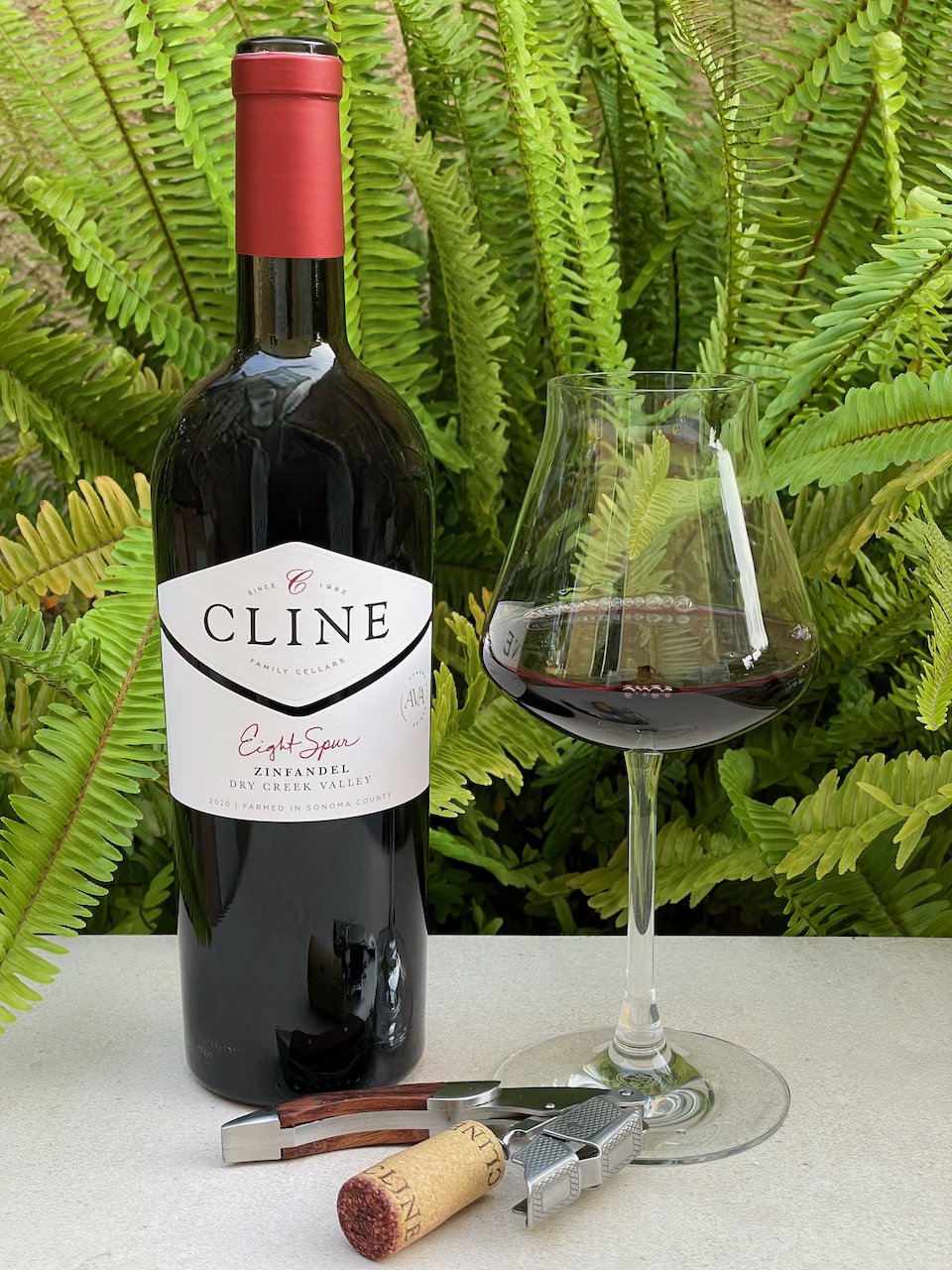
Behind the Cork™ - Cline Eight Spur Zinfandel

2020 Cline Eight Spur Dry Creek Zinfandel ($25)

Cline Family Cellars, a certified sustainable family-owned and operated winery and vineyard holder based in the Carneros wine appellation of Sonoma County, California, has recently announced the introduction of Cline Family Cellars Sonoma AVA Series, a collection of four varietal wines sourced from the best growing regions in Sonoma County.

These traditionally planted Zinfandel blocks are distinctive. Short stout vines stand on their own with no trellis, their gnarled arms reaching in all directions. Original farmers called this vine pruning technique “Eight Spur.” It was back-breaking work, going vine-to-vine to create a canopy that exposed grapes to the right mix of sun, breeze and shade – but history shows that’s what it takes to make the very best Zinfandel.

This Cline Eight Spur Zinfandel is made from 100% Zinfandel grapes harvested from 100-year-old vines at the northern most end of Dry Creek Valley. Grapes are hand-harvested at night, gently de-stemmed and transferred to stainless steel closed-top tanks. The wine ferments naturally warm as wild yeast begins fermentation. Temperatures peak at 90F and the wine is left on skins for 18 days to ensure complete fermentation while being pumped over twice a day. At peak fermentation the wine is pumped-over 3 times a day before dropping to once a day for the final 8 days. It is gently drained and pressed off into separate fractions for malolactic fermentation in barrel. It is aged in 40% new French oak for 15 months before being blended and bottled.

This wine is deep ruby in color with bright aromas of black cherry and blackberry. On the palate it has nice deep flavors of dark fruit, medium tannin and a soft finish. It is gluten free and vegan friendly. This is a very nice Zinfandel from Dry Creek and, at the price, is a perfect fit as the Behind the Cork™ Wine of the Week. Cheers!


Disclosure of Wine Sample Submission: I received this sample at no cost for review. The opinions expressed are entirely my own.

Sample Provided by Cline Cellars via Donna White Communications

Behind the Cork™ - Cline Hat Strap Chardonnay

2021 Cline Hat Strap Chardonnay ($25)

Cline Family Cellars, a certified sustainable family-owned and operated winery and vineyard holder based in the Carneros wine appellation of Sonoma County, California, has recently announced the introduction of Cline Family Cellars Sonoma AVA Series, a collection of four varietal wines sourced from the best growing regions in Sonoma County.

In 1991, Fred and Nancy Cline moved Cline Family Cellars from Oakley to a 350-acre horse ranch in Sonoma-Carneros. They began planting Chardonnay, Pinot Noir and other noble Rhône-style varietals that best suited the growing conditions of the area. Now, as the next generation assumes leadership positions within the winery, they are fulfilling their heartfelt commitment to promote Sonoma County with the introduction of this new tier of wines to showcase local Viticultural areas that produce the best expression of a signature varietal.

Hat Strap Chardonnay is sourced from the Cline family’s J. Poppe vineyard, the oldest Sonoma vineyard on the winery’s estate. “Afternoon winds are felt throughout the Carneros region and especially on the Eastern facing slopes of Wildcat Mountain where we farm our stellar Hat Strap Chardonnay,” said Fred Cline. “Winds come up from the San Pablo Bay directly pulling in cooler coastal air. The wind is so strong that I need to hang on to my hat when inspecting the vineyard,” remarked Fred. Hence, the name ‘Hat Strap’ for this wine.

This 2021 Cline Hat Strap Chardonnay is produced from 100% Chardonnay that is hand harvested. The grapes are immediately pressed and settled for 24 hours to remove some solid, while retaining enough to create a full textured wine. After inoculation, a cool fermentation begins in a mixture of stainless steel tanks and French oak barrels. It then undergoes 100% malolactic fermentation. It then spends extended time on lees with periodic stirring. The wine is aged for 10 months in 35% new French Oak barrels, 35% in neutral barrels and the balance in stainless steel tanks.

This Cline Chardonnay is medium-gold in color with aromas of baked apple and pear. On the palate it is creamy smooth with hints of apple, pear and citrus. It finishes really nice. Cheers!


Disclosure of Wine Sample Submission: I received this sample at no cost for review. The opinions expressed are entirely my own.

Sample Provided by Cline Cellars via Donna White Communications