
Petit Verdot 🍷
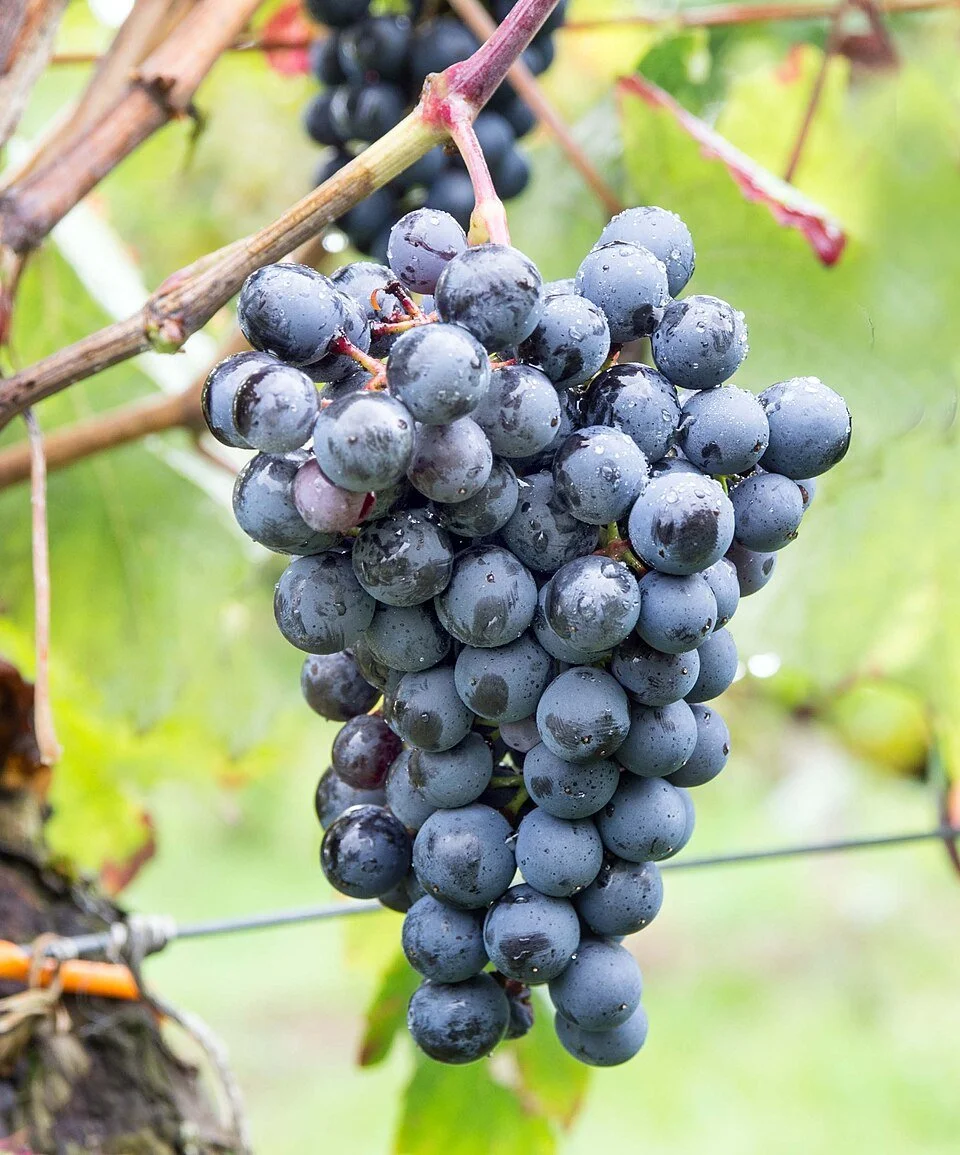
If you’ve ever had a Bordeaux blend, you’ve probably tasted Petit Verdot—even if you didn’t realize it. This bold, dark grape, long known as a blending agent in Bordeaux red wines, is now also a great varietal.
Petit Verdot, pronounced “pah-tee vur-doe,” is an old grape. In fact, it’s believed to be older than Cabernet Sauvignon in its native region of Bordeaux, France.
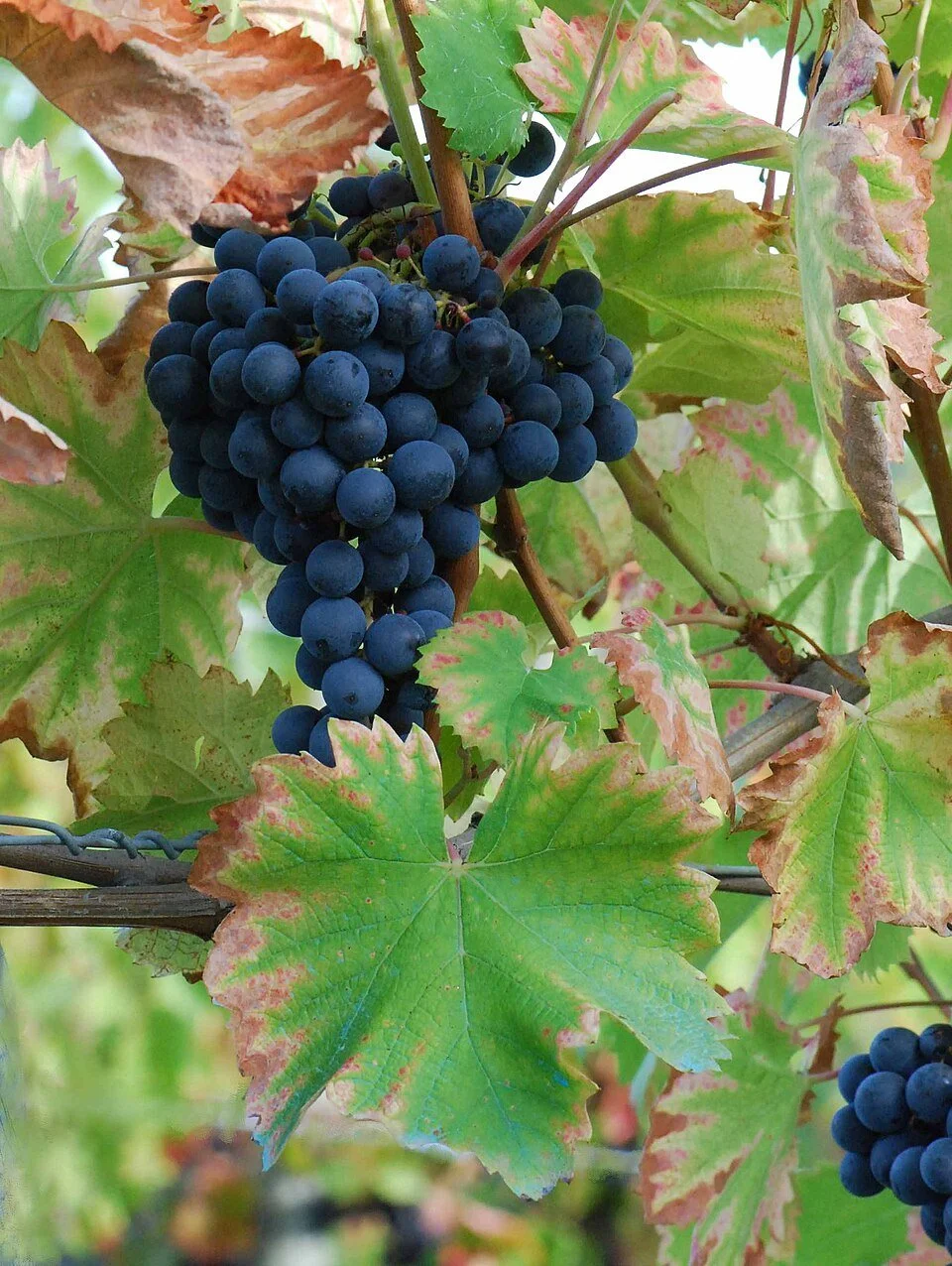
Its name translates to “little green,” because it ripens much later than other varieties. It often remained green and unripened on the vine during the cool French autumns. For centuries, winemakers only grew a small amount of it, using just 1% to 2% of the grape to add color, structure, and tannin to their blends.
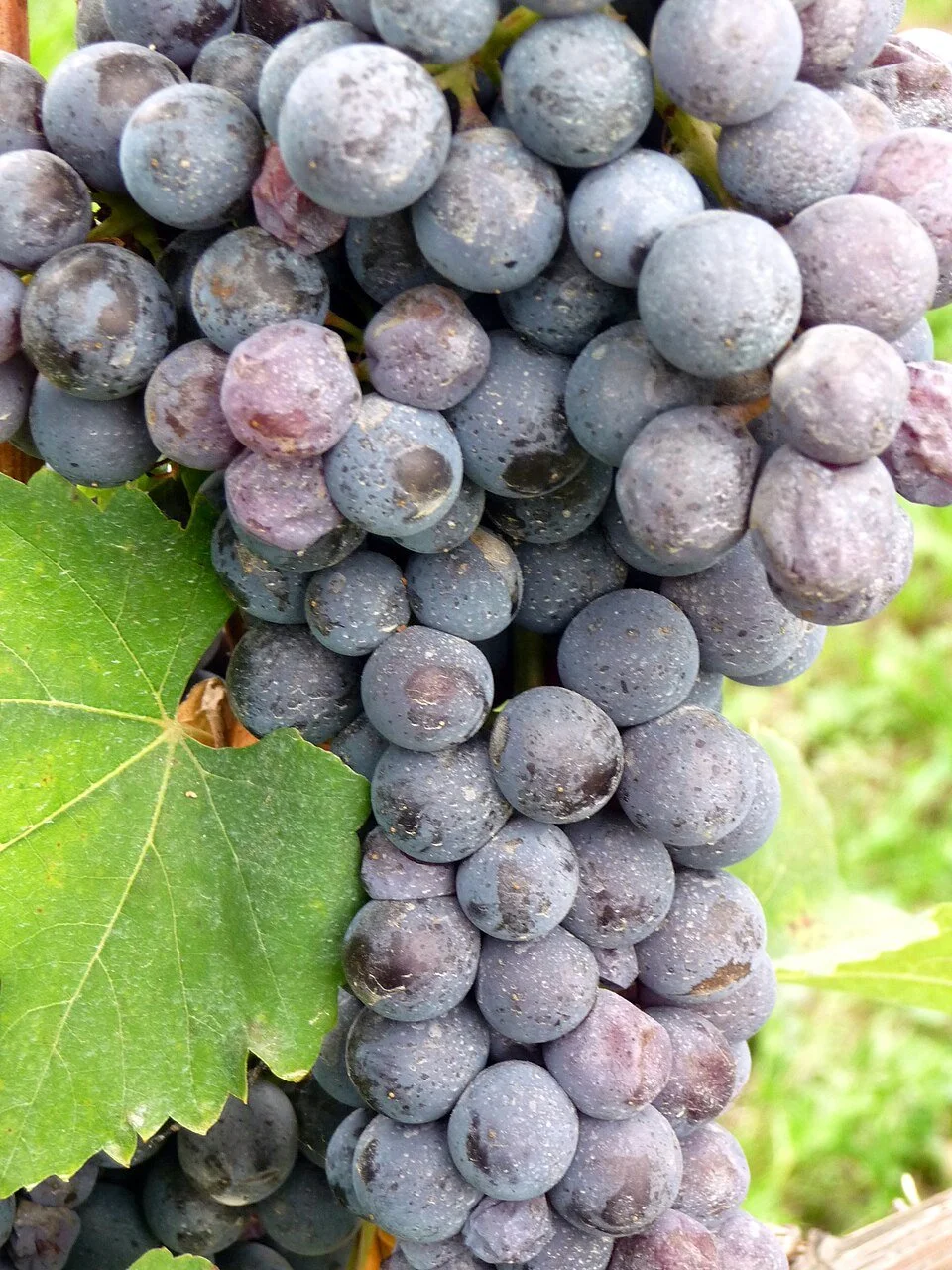
Petit Verdot boasts some of the thickest skins in the wine world, resulting in wines that are deep in color.
Aromas associated with Petit Verdot include blackberry, plum, along with floral notes and dried herbs.
The flavors of Petit Verdot include blackberry, blueberry, and black cherry. Oak aging imparts rich molasses and mocha notes, as well as vanilla and allspice.
It’s renowned for its massive tannins, crisp acidity, and a bold, mouth-coating finish.
Petit Verdot should be served in a over-side red wine glass at 60-68 F after decanting for a minimum of one hour.
Because of its bold tannins, Petit Verdot pairs well with rich, fatty foods such as beef brisket, grilled ribeye, or roasted lamb.