

Nebbiolo 🍷
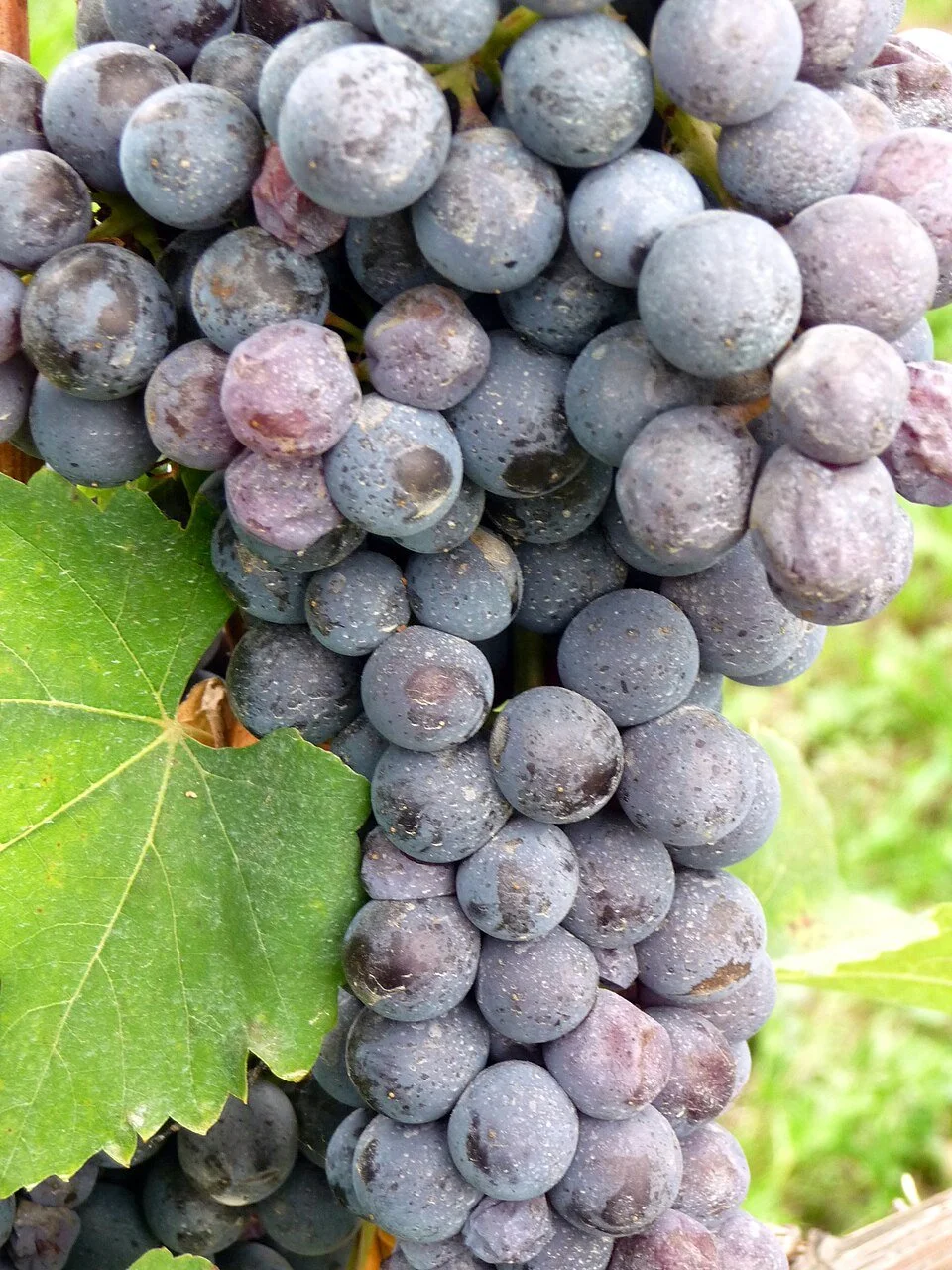
Nebbiolo (neb-ee-oh-low) is one of Italy’s top red wine grapes, most famous for its role in the Piedmont (pyeh-MON-teh) region.
Nebbiolo is ancient royalty. The first written record of the grape dates all the way back to 1268 in a document from the Rivoli region of Piedmont. It has been beloved by Italian nobility, popes, and kings for over 700 years.
The name Nebbiolo comes from "nebbia," the Italian word for fog. This may come from the late October harvest, when it is typical for a thick fog to roll through the valleys and blanket the Piedmont hillsides. Or, just as likely, it refers to the fact that the grapes develop a milky, fog-like white powder (called bloom) over their dark skins as they mature.
While Nebbiolo is the grape, you’ll also see wines produced from this grape labeled as “Barolo” and “Barbaresco.” These are specific Italian regions that are legally required to use 100% Nebbiolo grapes.
In the glass, wines made from Nebbiolo look incredibly pale. It has a translucent, brick-orange or ruby tint that might make you think it will taste light and soft, like a Pinot Noir. But the moment you take a sip, you’ll experience its massive, mouth-drying tannins and sharp acidity.
Nebbiolo is famously described as having aromas of "tar and roses." It is a bit of a paradox, mixing scents of cherry, cranberry, and raspberry along with rose petals, licorice, and anise.
Flavors include sour cherry, cranberry, raspberry, and red currant. As it ages, it can develop notes of blood orange, black licorice, and black pepper, along with some tobacco leaf.
Nebbiolo is considered to be one of the greatest aging grapes in the world because of its high tannins and acidity. While young, its flavors are bright and intensely fruit-forward. But with age (10 to 20+ years), the wine develops savory, earthy, and complex notes (the classic “tar and roses” profile). Age also causes it to lose its color quickly; a 10-year-old bottle often takes on a orange, brick-like, or amber hue.
Nebbiolo should be served in a large, wide-bowled glass to capture its aromas. The ideal serving temperature is 60°F to 64°F, after decanting for 1 to 2 hours.
Because it is highly acidic and has strong, mouth-drying tannins, it pairs best with rich, fatty foods such as meats and cheeses.