
A Tour of Wine Grapes: Nebbiolo

Nebbiolo 🍷

Nebbiolo (neb-ee-oh-low) is one of Italy’s top red wine grapes, most famous for its role in the Piedmont (pyeh-MON-teh) region.

Nebbiolo is ancient royalty. The first written record of the grape dates all the way back to 1268 in a document from the Rivoli region of Piedmont. It has been beloved by Italian nobility, popes, and kings for over 700 years.

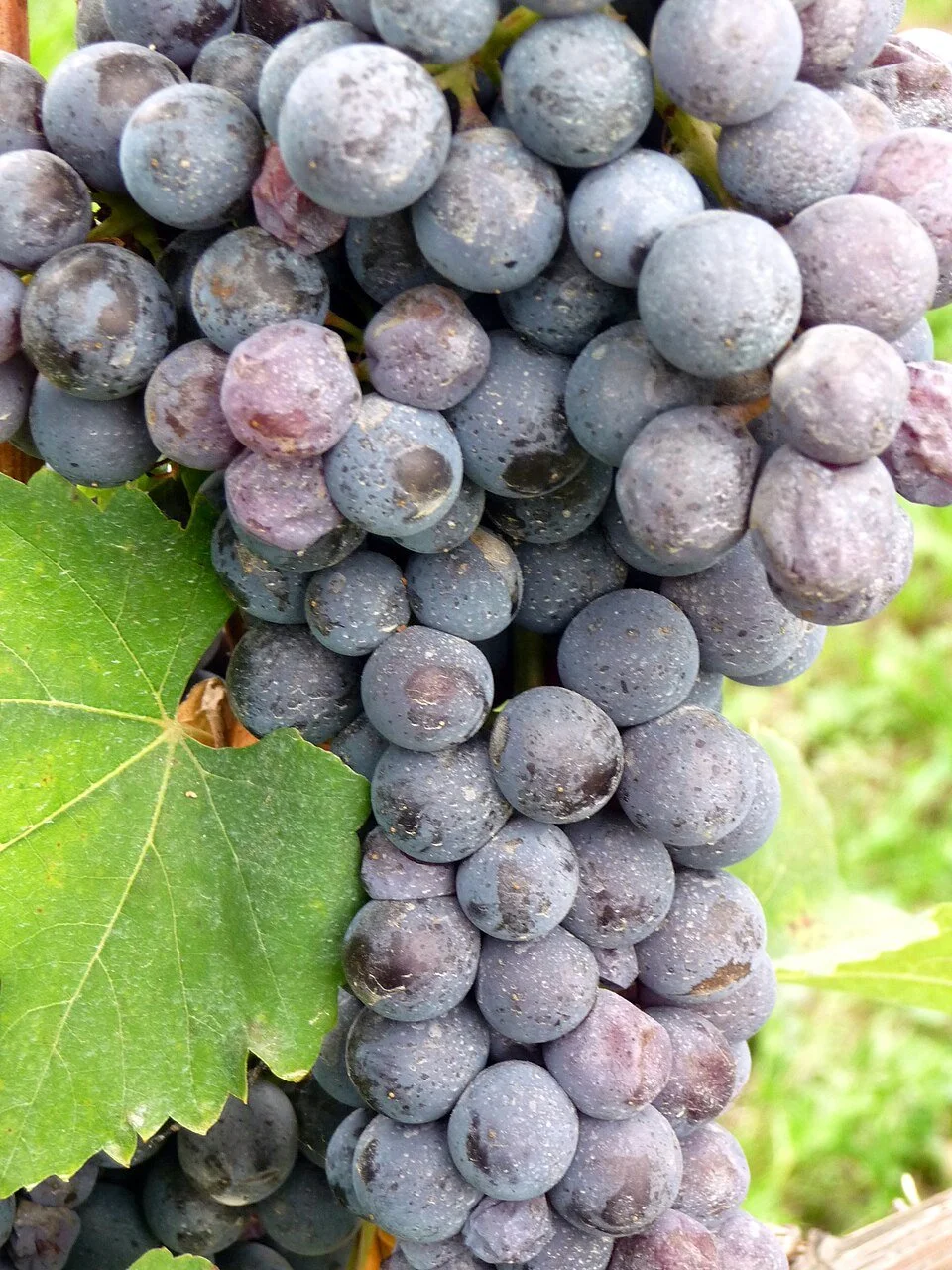
The name Nebbiolo comes from "nebbia," the Italian word for fog. This may come from the late October harvest, when it is typical for a thick fog to roll through the valleys and blanket the Piedmont hillsides. Or, just as likely, it refers to the fact that the grapes develop a milky, fog-like white powder (called bloom) over their dark skins as they mature.

While Nebbiolo is the grape, you’ll also see wines produced from this grape labeled as “Barolo” and “Barbaresco.” These are specific Italian regions that are legally required to use 100% Nebbiolo grapes.

In the glass, wines made from Nebbiolo look incredibly pale. It has a translucent, brick-orange or ruby tint that might make you think it will taste light and soft, like a Pinot Noir. But the moment you take a sip, you’ll experience its massive, mouth-drying tannins and sharp acidity.

Nebbiolo is famously described as having aromas of "tar and roses." It is a bit of a paradox, mixing scents of cherry, cranberry, and raspberry along with rose petals, licorice, and anise.

Flavors include sour cherry, cranberry, raspberry, and red currant. As it ages, it can develop notes of blood orange, black licorice, and black pepper, along with some tobacco leaf.

Nebbiolo is considered to be one of the greatest aging grapes in the world because of its high tannins and acidity. While young, its flavors are bright and intensely fruit-forward. But with age (10 to 20+ years), the wine develops savory, earthy, and complex notes (the classic “tar and roses” profile). Age also causes it to lose its color quickly; a 10-year-old bottle often takes on a orange, brick-like, or amber hue.

Nebbiolo should be served in a large, wide-bowled glass to capture its aromas. The ideal serving temperature is 60°F to 64°F, after decanting for 1 to 2 hours.

Because it is highly acidic and has strong, mouth-drying tannins, it pairs best with rich, fatty foods such as meats and cheeses.
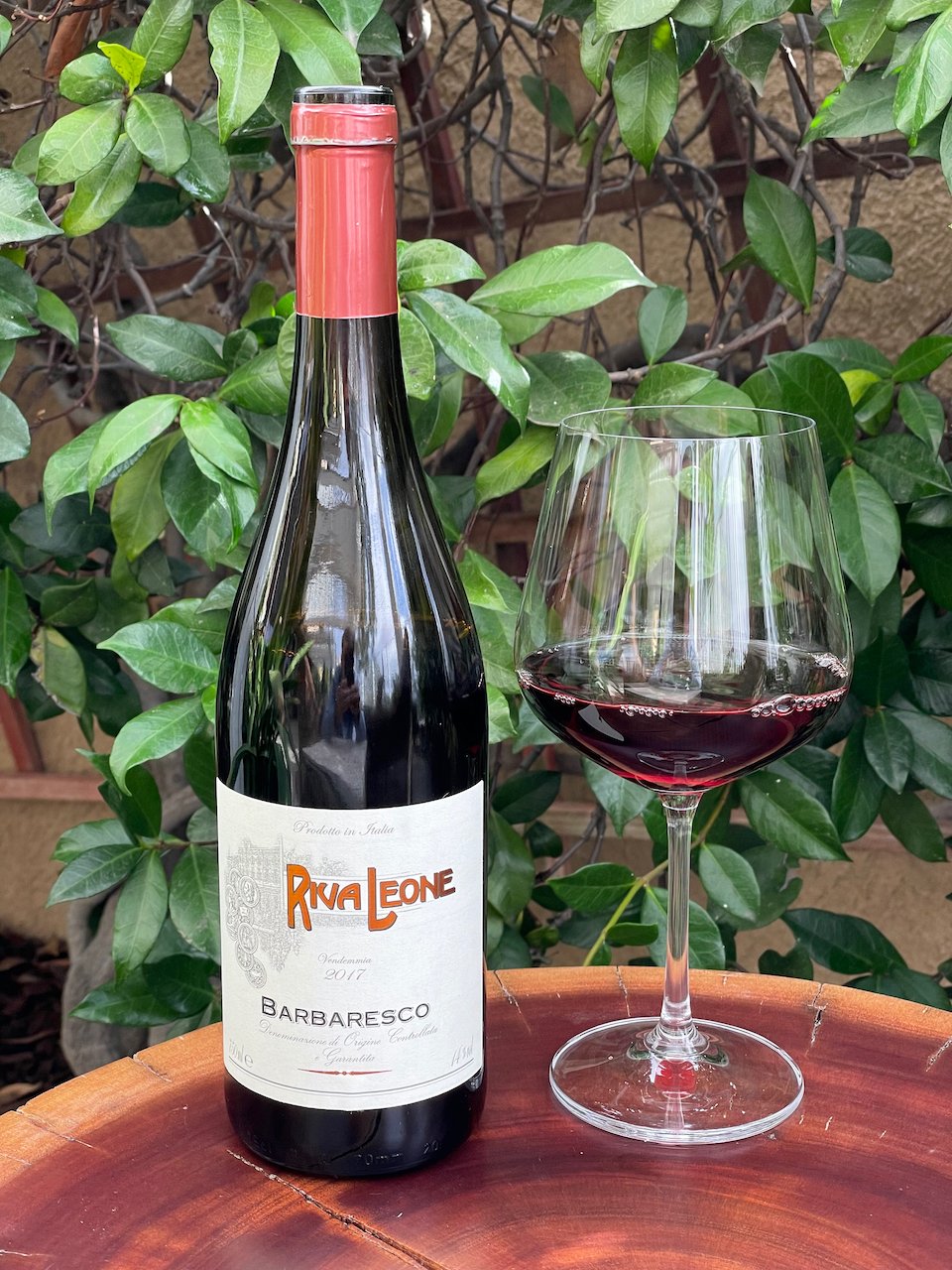
Behind the Cork™ - Riva Leone Barbaresco

2017 Riva Leone Barbaresco ($24.99)

Riva Leone was a man of unique character and personality who was an ambassador for the special wines of the Langhe all throughout Europe in the early 20th Century. His legacy lives on in the Riva Leone wines which uphold the winemaking traditions of Piedmont for a new generation of wine lovers across the world.

Barbaresco wines come from the Piedmont region of Italy and are produced from the Nebbiolo (Nebby-oh-low) grape.

This Barbaresco is aged at least two years including one year in American and French oak barrels.

This wine is medium garnet in color with delicate cherry aromas. On the palate it is medium-bodied with flavors of black cherry, firm tannin and balanced acidity that leads to a nice finish. A classic Barbaresco!

The Riva Leone wines are imported by Mack & Schühle and distributed throughout the U.S.


Disclosure of Wine Sample Submission: I received this sample at no cost for review. The opinions expressed are entirely my own.

Sample Provided by Donna White Communications

Ever Wonder About Nebbiolo Wine?

Nebbiolo is a grape that is grown almost exclusively in Italy. In the Piedmont region. And, most famously in Barolo and Barbaresco.

The Nebbiolo grape is named for the Italian word for fog which is “nebbia.” This grape thrives in the cool and foggy climates of Piemonte where altitudes can reach up to 1500 feet. Whether the grape is named for the foggy climate or the thick white bloom of yeast that forms on the grapes when ripe is the subject of debate.

The Nebbiolo grape was first documented in the fourteenth century but is believed to have been grown in the area long before that time.

Nebbiolo wines are known for their lighter color that is often described as brick red-orange or pale garnet, their delicate aromas, and their powerful tannins and pronounced acidity.

The classic Barolos are famous for their "tar and roses" aromas, their bright ruby color (which becomes garnet over time), their bold tannins, elevated acidity, and relatively high alcohol (a minimum of 13% but often above 15% ABV). Barolos must be aged at least 38 months with a minimum of 18 months in the barrel. Riserva Barolos must be aged for at least 5 years.

Barbaresco has a slightly warmer, drier and milder climate than Barolo. This means its Nebbiolo grapes tend to ripen earlier than those in Barolo. Thus, the wines tend to be lower in tannin and a bit more drinkable at an earlier age. But there is still plenty of acidity and tannins to make Barbaresco wines age-worthy. Barbaresco is characterized by its rich, spicy flavors and perfumed sweetness and is often considered a bit more elegant and refined than the more robust wines from Barolo. The wines of Barbaresco must have a minimum alcohol content of 12.5 percent and undergo two years of aging, one of which must be spent in wooden barrels. Barbaresco Riserva must be aged for four years, with one of those years in wood.

While the Nebbiolo wines of Barolo and Barbaresco are best known, they can be expensive. It is said that the neighboring region of Roero within Piemonte produces wines of equal intensity and structure at a fraction of the price. While the wines of Barolo and Barbaresco must be 100% Nebbiolo, the wines of Roero must include a minimum 95 percent Nebbiolo. They must also be aged for 20 months, of which at least six must be in oak barrels. A further 12 months is added to this minimum if the winemaker is seeking Riserva status.

If you love the delicacy of Pinot Noir and the robustness of a Cabernet Sauvignon or Syrah, try a Barolo or a Barbaresco. But, you might want to give the younger ones a good hour or more in a decanter before serving. Cheers!