Behind the Cork™ - Alta Vista Brut Rose

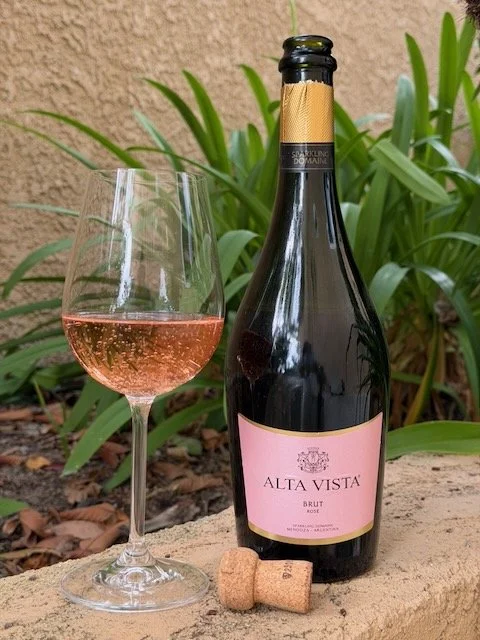
Alta Vista Brut Rosé ($18.99)

Alta Vista was founded by Count Patrick d’Aulan, heir of more than 250 years of winemaking tradition. With an enterprising spirit, he arrived in Argentina in the 1990s looking for the best regions of Los Andes.

The winery is located in Chacras de Coria, Mendoza. Having been built in 1890, it is a local heritage site of Mendoza.

Count Patrick d’Aulan and his family, former owners of Piper Heidsieck, one of the oldest Champagne Houses, developed the project and started the restoration.

This Alta Vista Brut Rosé is produced from Malbec (50%) & Pinot Noir (50%) that was sourced from the Albaneve estate vineyard. Using the Charmat method, the second fermentation took place in a pressurized tank.

This Brut Rosé is pale salmon in color with aromas of cherry, strawberry and floral notes. On the palate, this light-bodied wine has citrus notes, bright refreshing acidity and medium bubbles. While being on the sweeter end of the “Brut” range, the citrus and acidity combine to create agrapefruit-like finish with a combination of tartness and sweetness. [ABV: 12.8, TA: 7.6 g/L, pH:3.0, RS: 11 g/L]

This Alta Vista Brut Rosé is light and refreshing - a great sparkling wine that combines Alta Vista's French heritage with Argentina's unique terroir. That makes it a perfect fit as this week's Behind the Cork™ Wine of the Week. Cheers!


Disclosure of Wine Sample Submission: I received this sample at no cost for review. The opinions expressed are entirely my own.

Media Sample Provided by Alta Vista Wines via Kobrand Wine and Spirits
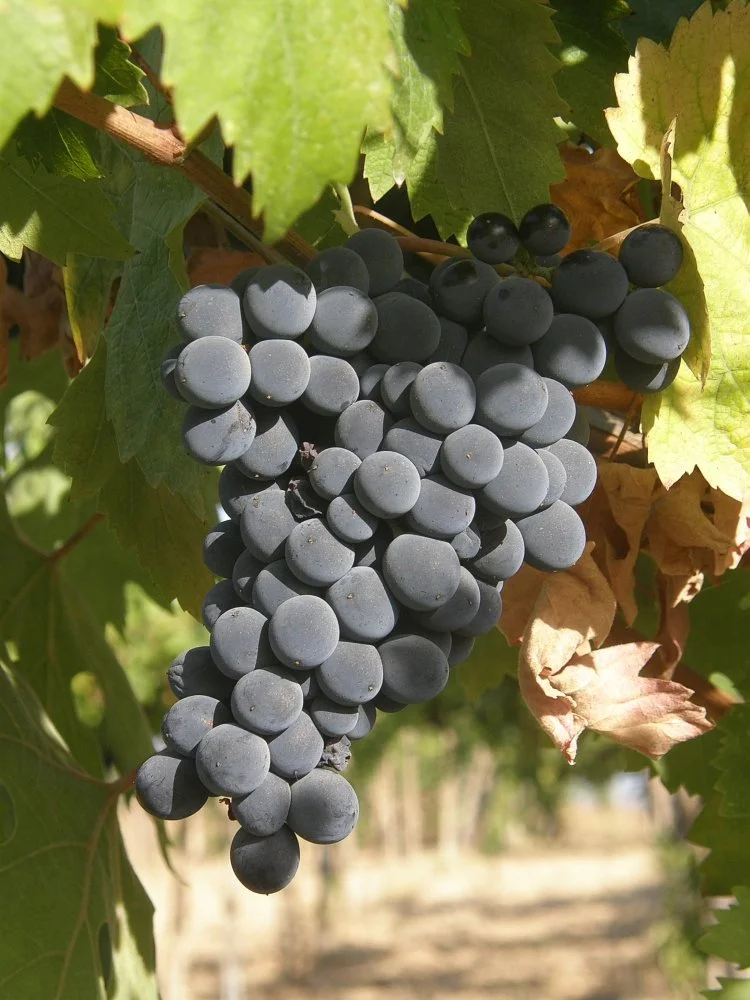
A Tour of Wine Grapes: Montepulciano

Montepulciano 🍷

Montepulciano (mon-tay-pull-chee-anno") is an Italian grape, mostly found in the Abruzzo region of Italy.

Although the Montepulciano grape shares its name with the Montepulciano region in Italy, the grape is from the Abruzzo region while the Montepulciano region is known for the Sangiovese grape. Are you still with me?

The modern era for the grape truly began in 1968 with the official creation of the Montepulciano d'Abruzzo DOC.

Montepulciano d’Abruzzo is a very dark skinned grape. In fact, its skin is so rich in color pigments, the juice is instantly an opaque purple upon crushing whereas most red wines get their color from long soaking periods with the juice in contact with the skins (i.e., maceration).

Wines produced from the Montepulciano grape can have two styles. The medium-bodied wine is the standard. Everyday versions are aged in stainless steel. The full-bodied style is achieved through longer maceration periods and aging in oak barrels.

Montepulciano d’Abruzzo has aromas of blackberry, black cherry, boysenberry and red plum. Herbal aromas can include sweet tobacco leaf, dried oregano and dried thyme. Flavors follow similarly with blackberry, plum, oregano and tobacco leaf. Oak aging yields flavors of vanilla and caramel as well as smoky and toasted flavors.

Montepulciano d’Abruzzo can be aged 5-15 years.

It should be served in an oversized, bowl-shaped wine glass at 60-68 F, after being decanted for at least an hour.

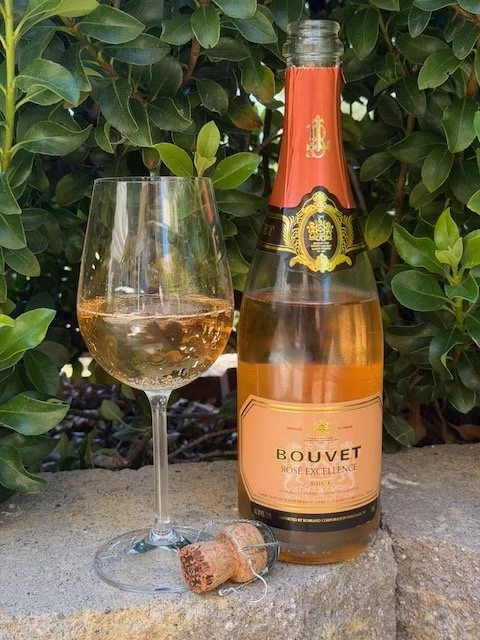
Behind the Cork™ - Bouvet Rose Excellence Brut Sparkling Wine

Bouvet Excellence Brut Rosé NV ($19.99)

Since 1851, Bouvet Ladubay, in the Loire Valley, has been one of France’s greatest producers of méthode traditionnelle (naturally fermented in the bottle) sparkling wine.

Founded in 1851 by Etienne Bouvet and his wife Célestine Ladubay, Bouvet Ladubay is the second oldest sparkling wine-producing house in Saumur. By 1890, it had become France’s largest producer of Méthode Traditionnelle wines.

Today, they are run by the fourth generation of the Monmousseau family, producing close to 7 million bottles of wine.

This Bouvet Excellence Brut Rosé is produced from 100% Cabernet Franc, sourced from about 80 growers around Saumur and the Loire Valley area, a classic grape of the region. The grapes undergo a quick maceration on the skins followed by production in the méthode traditionnelle, this sparkling rosé is aged in the bottle on lees for 9 to 24 months.

Bouvet Excellence Brut Rosé is a beautiful light salmon color with very delicate aromas. On the palate, this sparkling rosé is light-bodied with strawberry, raspberry and peach flavors. It’s soft and easy to drink, not sweet, with vey light bubbles that lead to a creamy finish.

This Bouvet Excellence Brut Rosé is a wonderful addition to a warm summer day and goes with most any foods. And, at this price, is a great fit as the Behind the Cork™ Wine of the Week. Cheers!


Disclosure of Wine Sample Submission: I received this sample at no cost for review. The opinions expressed are entirely my own.

Media Sample Provided by Bouvet Ladubay via Kobrand Wine and Spirits

A Tour of Wine Grapes: Merlot

Merlot 🍷

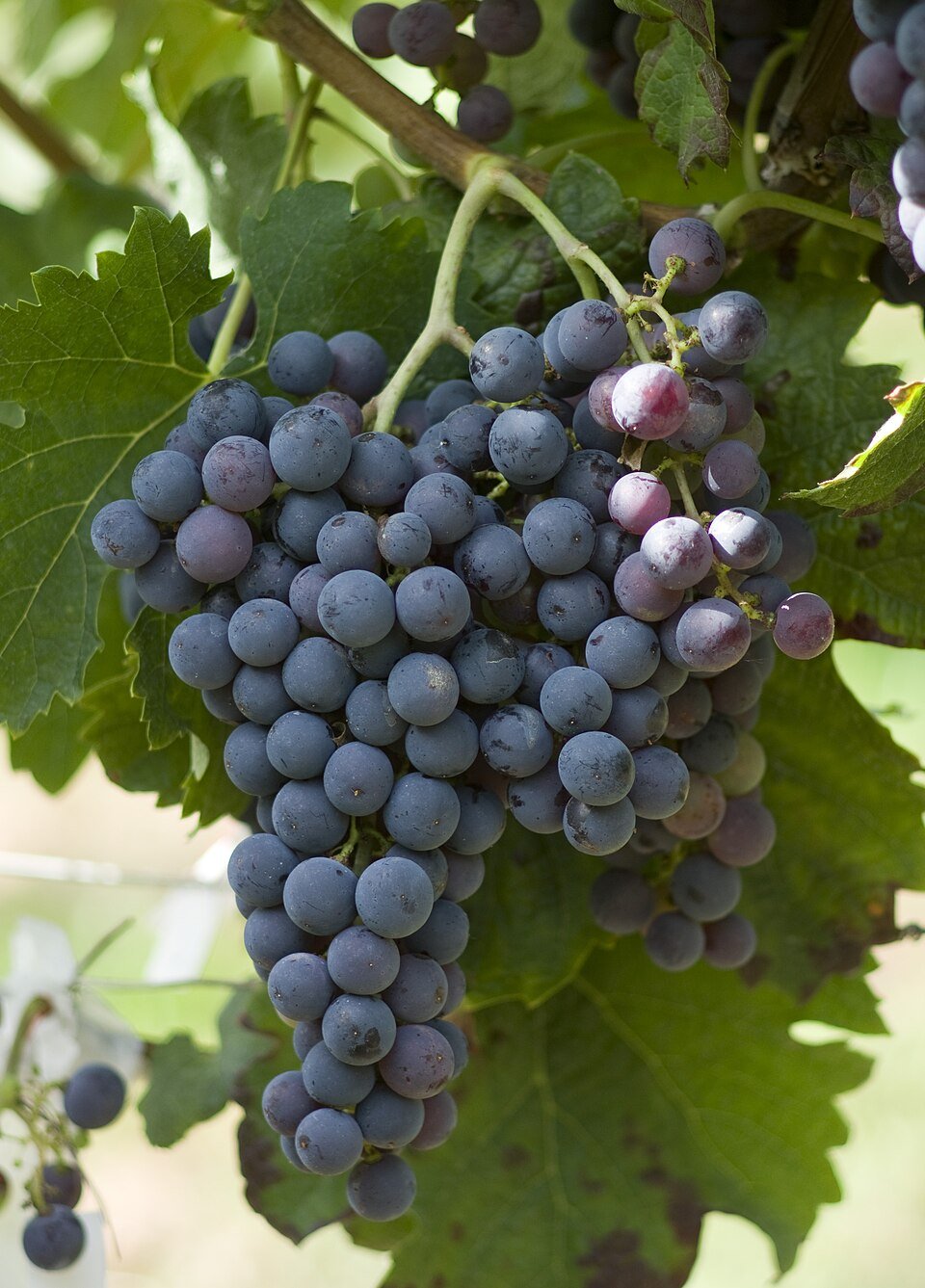
Merlot (murr-low) originated from the Bordeaux region of France. Its name is derived from merle, the French word for blackbird, likely due to the grape's deep color.

Modern DNA profiling proves Merlot is a natural cross between Cabernet Franc and the rare, ancient Magdeleine Noire des Charentes. It was first officially recorded in Bordeaux in 1784 under the local name Merlau.

Although Merlot is grown across the world, it remains the most widely planted wine grape in all of France.

Originally considered a secondary grape, it gained massive importance on Bordeaux's Left Bank where it is blended with Cabernet Sauvignon, Cabernet Franc, Petit Verdot and Malbec.

On the Right Bank it is the dominate grape with Cabernet Franc and/or Cabernet Sauvignon being a more minor blending partner (5-30%).

Wines produced from the Merlot grape are medium to full-bodied red wines that tend to have lower acidity and softer tannins than Cabernet Sauvignon. Flavors include plum, black cherry, and raspberry. Oak aging imparts flavors of chocolate, vanilla.

Merlot wines typically age well for 3 to 7 years, with premium bottles aging up to 20 years when properly stored.

After decanting for 30 minutes, serve Merlot slightly chilled (around 62°F / 17°C) in a big bowl glass.

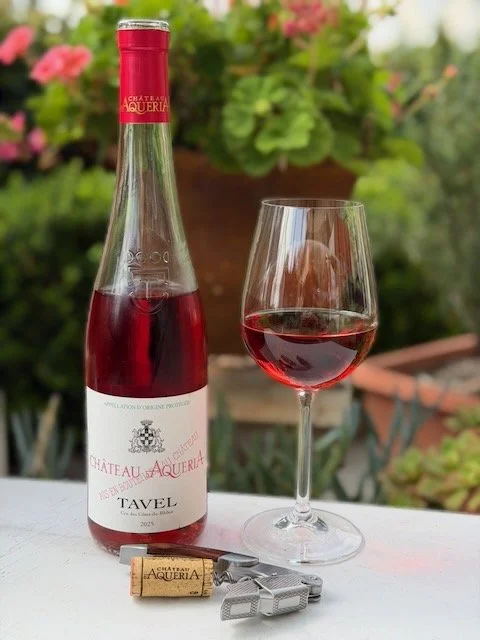
Behind the Cork™ - Chateau dAqueria Tavel Rose

2025 Château d’Aqueria Tavel Rosé ($25)

Château d’Aqueria is the largest estate of Tavel. It has been making wines in Tavel since the end of the 16th century.

While Tavel is a specific wine region in France, the region only makes one highly distinct style of wine. So, the name "Tavel" is also used to refer to the type of wine itself.

Tavel was the first appellation created in France (1936).

Unlike the ultra-pale, light rosés, Tavel wines undergo a longer grape-skin maceration (often 12 to 72 hours). This gives them a dark pink or ruby hue, higher tannins, and rich, spicy, berry flavors. It is often referred to as a "rosé for red wine drinkers.”

This Château d’Aqueria Tavel is made from grapes that are handpicked from Château d’Aqueria’s own vineyards. They are then destemmed, followed by a maceration to extract color. The varieties, Grenache (50%), Syrah (20%), Clairette (10%), Mourvèdre (10%), Cinsault (5%), and Bourboulenc (5%) are blended two by two to enhance aromatic complexity. The grapes are then pressed before the fermentation undergoing temperature-controlled maceration and fermentation in stainless steel vats for 15 days. This wine sees no malolactic fermentation and no oak contact. A second blend took place in December before bottling.

Château d’Aqueria Tavel is a beautiful deep pink color that is nearly red. It has delicate aromas of strawberry and candied cherry. On the palate, it medium-light bodied rosé is bone dry (little or no residual sugar) at 14% ABV, has medium acidity and finishes with great red fruit flavor.

If Tavel rosé is something you’ve never tried, now is the time. It’s perfect intersection of red and wine wines, therefore pairing well with most foods. It’s a great wine at a very affordable price. That’s the criteria for being a Behind the Cork™ Wine of the Week. Cheers!


Disclosure of Wine Sample Submission: I received this sample at no cost for review. The opinions expressed are entirely my own.

Media Sample Provided by Château d’Aqueria via Kobrand Wine and Spirits