Behind the Cork™ - Chateau La Nerthe Les Cassagnes Rose

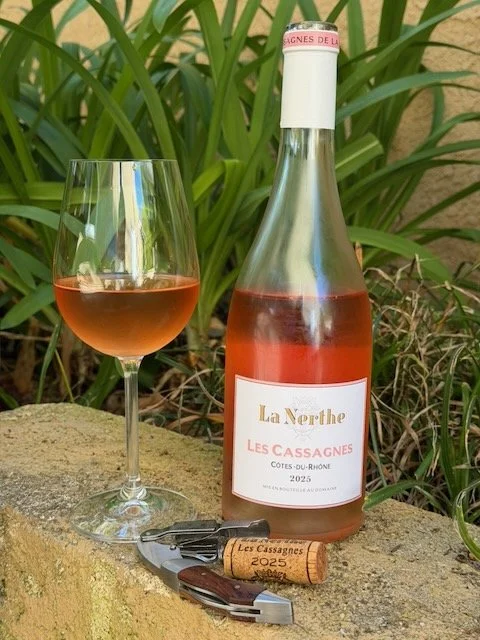
2025 Chateau La Nerthe Les Cassagnes Rosé ($22.99)

The first deed attesting to the existence of Château La Nerthe was signed on November 25, 1590, with its acquisition by the Tulle de Villefranche family. It was then a country house known as the Grange de Beauvenir.

Marquis Jean-Dominique Tulle de Villefranche (1711-1760) completed making it one of the flagship estates of the Rhône Valley in France by launching the castle's construction on the foundations of the medieval cellar. They innovated in the vineyard and the wine cellar, for example, shipping bottled wines starting in 1776.

Produced in Tavel, the heart of the Rhône Valley’s rosé production, this Côtes du Rhône rosé is crafted from 30+ year old vines of Grenache Noir/Blanc/Gris (60%), Cinsault (30%), and Syrah (10%). The grapes are handpicked and directly sorted when arriving in the cellar. Direct pressing took place in a pneumatic press over a 3 hour period. It was then fermented in temperature controlled tanks at low temperature to preserve freshness of the fruit.

This Chateau La Nerthe Les Cassagnes Rosé is a medium salmon in color with delicate aromas of sweet fruit, strawberries and candied cherry. On the palate, this rosé is light-bodied with the delicate flavor of strawberry. The acidity is balanced yet yields a refreshing rosé that has finishes clean and crisp.

Springtime means rosé season is officially in bloom! So, give this Chateau La Nerthe Les Cassagnes Rosé a try. It’s a great wine at a very affordable price. That make it the Behind the Cork™ Wine of the Week. Cheers!


Disclosure of Wine Sample Submission: I received this sample at no cost for review. The opinions expressed are entirely my own.

Media Sample Provided by Chateau La Nerthe via Kobrand Wine and Spirits
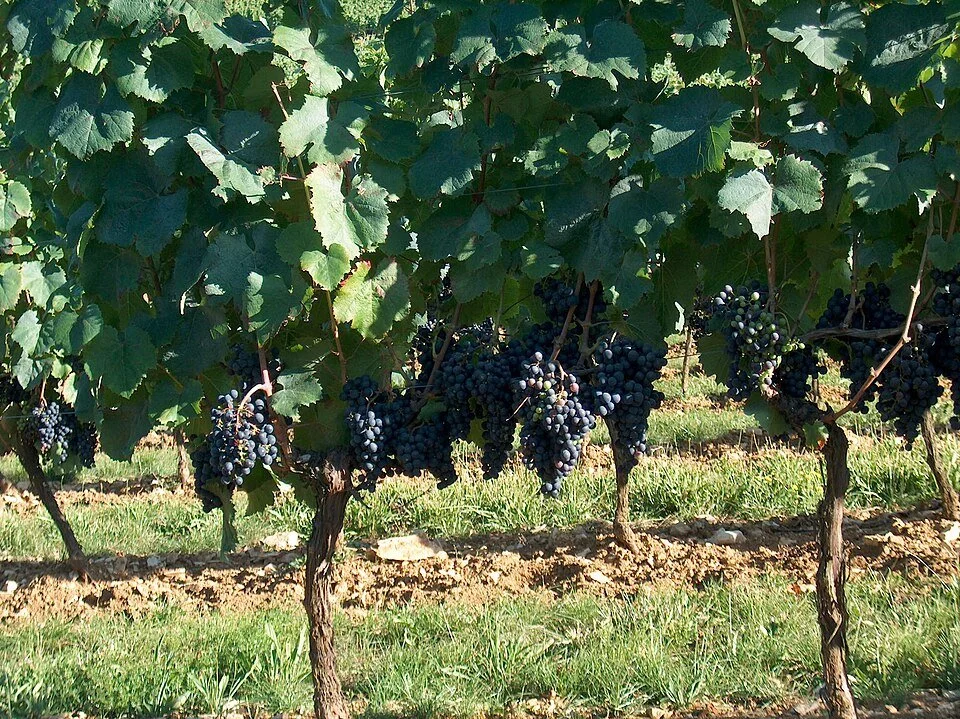
A Tour of Wine Grapes: Malbec

Malbec 🍷

Malbec's roots trace back to southwestern France, where it has been cultivated for over a thousand years. In the rugged Cahors region, it goes by many names — Côt, Auxerrois, or Pressac — and produces famously dark, tannic wines that the locals call "black wine." Malbec's thick skin is so loaded with anthocyanins (color pigments) that it was historically used as a natural ink and fabric dye in France.

It remains one of the six permitted grapes in Bordeaux blends, adding color and structure to the mix.

While Cahors championed Malbec, the grape remained a minor player in Bordeaux and never gained broader recognition across France. The brutal frost of 1956 wiped out much of the Cahors vineyards due to the grape's vulnerability to the cold, damp European climate. It was fading into obscurity — until Argentina changed everything.

In 1853, a French agricultural engineer named Michel Pouget took Malbec cuttings to Mendoza, Argentina. It was there, that Malbec found its footing. The intense sun, cool nights, low humidity, and mineral-rich soils transformed the grape entirely. What had been a workhorse blending variety in France became a world-class, full-bodied varietal wine in South America.

Today, Argentina is the major producer of Malbec accounting for nearly 75% of the world’s supply. France is the other major producer. The U.S. produces only a small amount.

Malbec’s aromas include dark fruits such as plum, blackberry and black cherry along with floral scents. Oak aging imparts aromas of dark chocolate, vanilla, tobacco leaf, mocha and leather. On the palate, Malbec is a full-bodied wine with, you guessed it, black fruit flavors of blackberry along with plum and blueberry. Flavors derived from oak aging include cocoa and coffee. The finish of a Malbec is medium in length.

Malbec wines can be aged for 5-10 years, typically.

Malbec should be decanted for 30 minutes before serving in a red wine glass at 60 - 68 F.

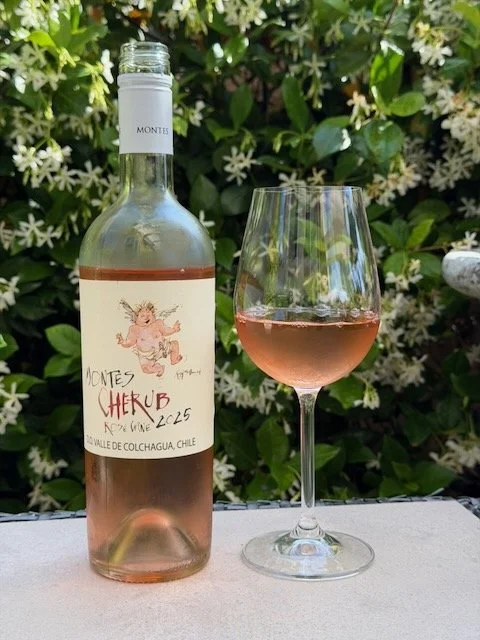
Behind the Cork™ - Montes Cherub Rose Wine

2025 Montes Cherub Rosé ($16.99)

The sun is finally shining, and there’s a hint of spring in the air. The season brings a fresh, vibrant energy that makes the world feel alive again. With warmer breezes, longer days thanks to daylight saving time, and the first flowers beginning to bloom, it’s the perfect moment to welcome a bright new season.

Springtime means rosé season is officially in bloom. Who doesn’t want a fresh, fruity, and crisp glass of rosé while soaking in the sun on a patio? Pink wine is truly springtime in a glass. It is also a perfect complement to leisurely brunch celebrations and holidays like Mother’s Day.

Pacific-cooled Syrah (85%) and Grenache (15%) from Montes’ coastal Marchigüe estate in the Colchagua Valley (Chile) come together in this refreshing rosé.

Montes Cherub is a beautiful medium salmon color with delicate aromas of strawberry and candied cherry. On the palate, this light-bodied rosé has really nice red fruit flavors of raspberry and cherry. The acidity is just right, resulting in a light, refreshing and easy to drink wine. Perfect for Springtime.

Yet another great wine that’s affordably priced. A perfect fit as this week’s Behind the Cork™ Wine of the Week. Cheers!


Disclosure of Wine Sample Submission: I received this sample at no cost for review. The opinions expressed are entirely my own.

Media Sample Provided by Montes Winery via Kobrand Wine and Spirits

A Tour of Wine Grapes: Gruner Veltliner

Gruner Veltliner

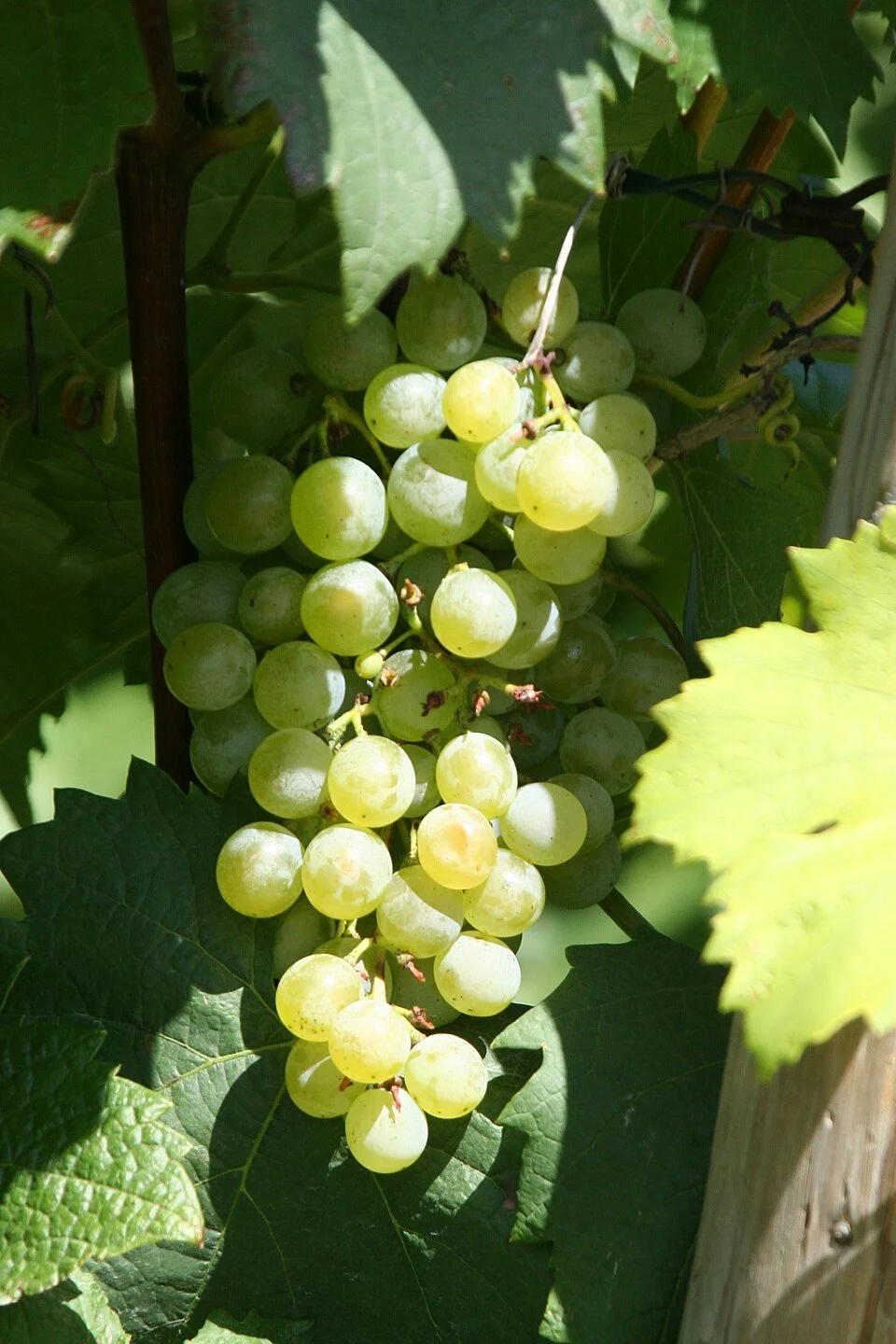
Grüner Veltliner (grew-ner felt-lee-ner) is a white wine grape that is prodomanatly grown in Austria, accounting for more than a third of the country’s total vineyard area with Slovakia, Hungary and the Czech Republic being the other significant growers.

Often just referred to as “Grüner,” this wine is typically low in body, tannin and sweetness but high in acidity. But, being a very versatile grape, it can also produce wines that are rich and full-bodied.

Key flavors of wines produced from Grüner Veltliner grapes includes lime, lemon and grapefruit. But, most famously, it has spicy, herbal notes of white pepper, radish and lentils. Bet you haven’t had a wine with notes of lentil before!

Grüner Veltliner is one of the few white wines that can be incredibly age-worthy, though its longevity depends heavily on the style. Everyday versions are meant for early consumption while high-quality productions can age for 10 to 30 years or more!

Grüner Veltliner wines should be served cold (45 to 55 F) in a white wine glass. No decanting required.

Behind the Cork™ - Easton Zinfandel

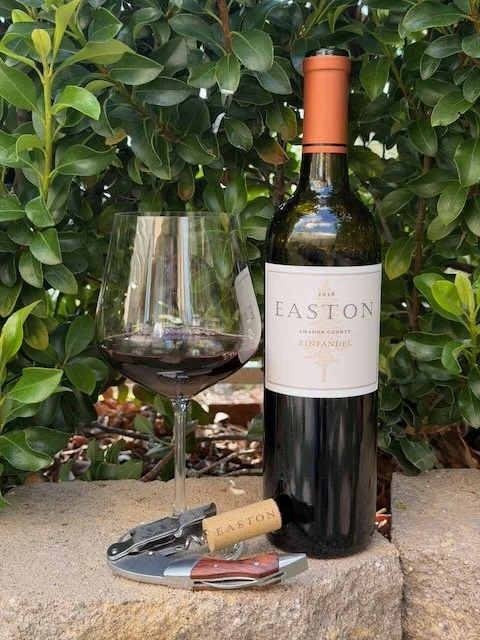
2016 Easton Zinfandel ($18)

Easton Wines was founded in the late 80s by husband and wife team Bill Easton and Jane O’Riordan.

Bill puts his family name, EASTON, on their non-Rhône varietal wines. The wines are crafted from varietals that have traditionally worked the best in Amador County and the Sierra Foothills.

This wine was produced from 100% Zinfandel vines grown in Amador County that are from 20-80 years old. The wine is fermented in stainless steel and was aged for 11 months in 10% new French oak barrels.

Easton’s Zinfandel style typically emphasizes acidity and spice over "jamminess." This wine has been described as having aromas of blackberry, raspberry and black pepper. Unfortunately, although this 2016 vintage bottle has been stored in a wine refrigerator in a darkened room, it showed some definite garnet color and muted fruit flavors - signs of premature oxidation. It seems that this bottle moved past its "secondary" stage of aging and went straight into "tertiary" phase (dried leaf, leather, earth) much faster than I expected. It should hold up for 10 to 15 years.

So, while this bottle didn’t hold up well, I still believe that Amador County produces great wines, Zinfandel and Barbera especially. So, I’ll be giving Easton Wines another try real soon. Cheers.