

Malbec 🍷
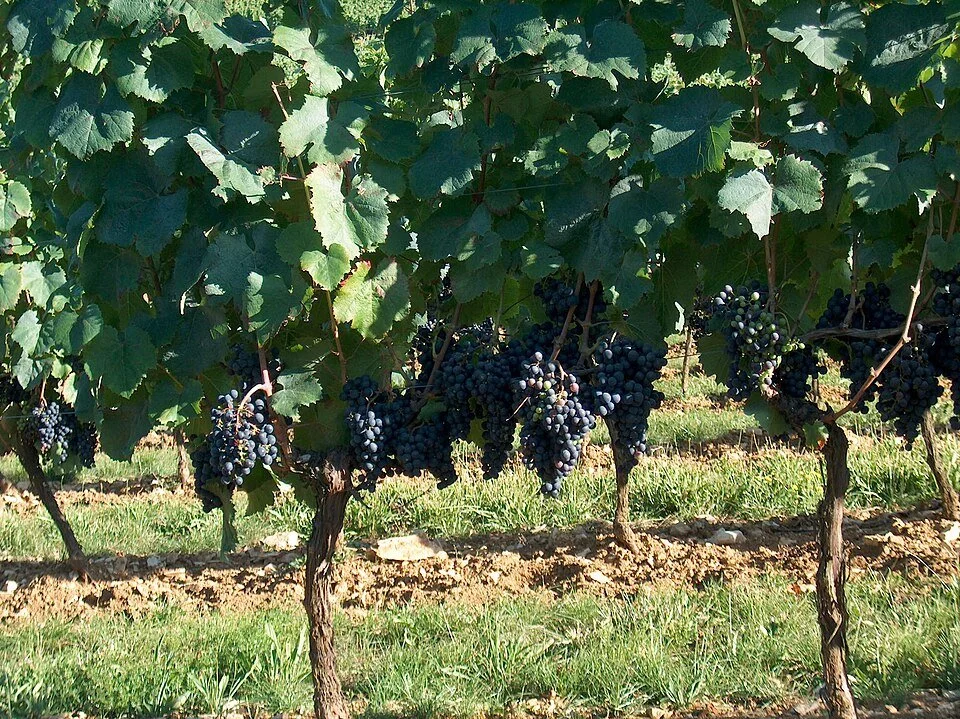
Malbec's roots trace back to southwestern France, where it has been cultivated for over a thousand years. In the rugged Cahors region, it goes by many names — Côt, Auxerrois, or Pressac — and produces famously dark, tannic wines that the locals call "black wine." Malbec's thick skin is so loaded with anthocyanins (color pigments) that it was historically used as a natural ink and fabric dye in France.
It remains one of the six permitted grapes in Bordeaux blends, adding color and structure to the mix.
While Cahors championed Malbec, the grape remained a minor player in Bordeaux and never gained broader recognition across France. The brutal frost of 1956 wiped out much of the Cahors vineyards due to the grape's vulnerability to the cold, damp European climate. It was fading into obscurity — until Argentina changed everything.
In 1853, a French agricultural engineer named Michel Pouget took Malbec cuttings to Mendoza, Argentina. It was there, that Malbec found its footing. The intense sun, cool nights, low humidity, and mineral-rich soils transformed the grape entirely. What had been a workhorse blending variety in France became a world-class, full-bodied varietal wine in South America.
Today, Argentina is the major producer of Malbec accounting for nearly 75% of the world’s supply. France is the other major producer. The U.S. produces only a small amount.
Malbec’s aromas include dark fruits such as plum, blackberry and black cherry along with floral scents. Oak aging imparts aromas of dark chocolate, vanilla, tobacco leaf, mocha and leather. On the palate, Malbec is a full-bodied wine with, you guessed it, black fruit flavors of blackberry along with plum and blueberry. Flavors derived from oak aging include cocoa and coffee. The finish of a Malbec is medium in length.
Malbec wines can be aged for 5-10 years, typically.
Malbec should be decanted for 30 minutes before serving in a red wine glass at 60 - 68 F.