Behind the Cork™ - Easton Zinfandel

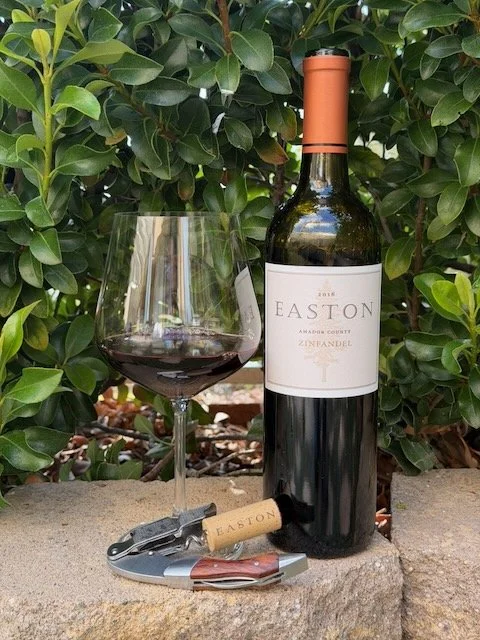
2016 Easton Zinfandel ($18)

Easton Wines was founded in the late 80s by husband and wife team Bill Easton and Jane O’Riordan.

Bill puts his family name, EASTON, on their non-Rhône varietal wines. The wines are crafted from varietals that have traditionally worked the best in Amador County and the Sierra Foothills.

This wine was produced from 100% Zinfandel vines grown in Amador County that are from 20-80 years old. The wine is fermented in stainless steel and was aged for 11 months in 10% new French oak barrels.

Easton’s Zinfandel style typically emphasizes acidity and spice over "jamminess." This wine has been described as having aromas of blackberry, raspberry and black pepper. Unfortunately, although this 2016 vintage bottle has been stored in a wine refrigerator in a darkened room, it showed some definite garnet color and muted fruit flavors - signs of premature oxidation. It seems that this bottle moved past its "secondary" stage of aging and went straight into "tertiary" phase (dried leaf, leather, earth) much faster than I expected. It should hold up for 10 to 15 years.

So, while this bottle didn’t hold up well, I still believe that Amador County produces great wines, Zinfandel and Barbera especially. So, I’ll be giving Easton Wines another try real soon. Cheers.
A Tour of Wine Grapes: Grenache

Grenache 🍷

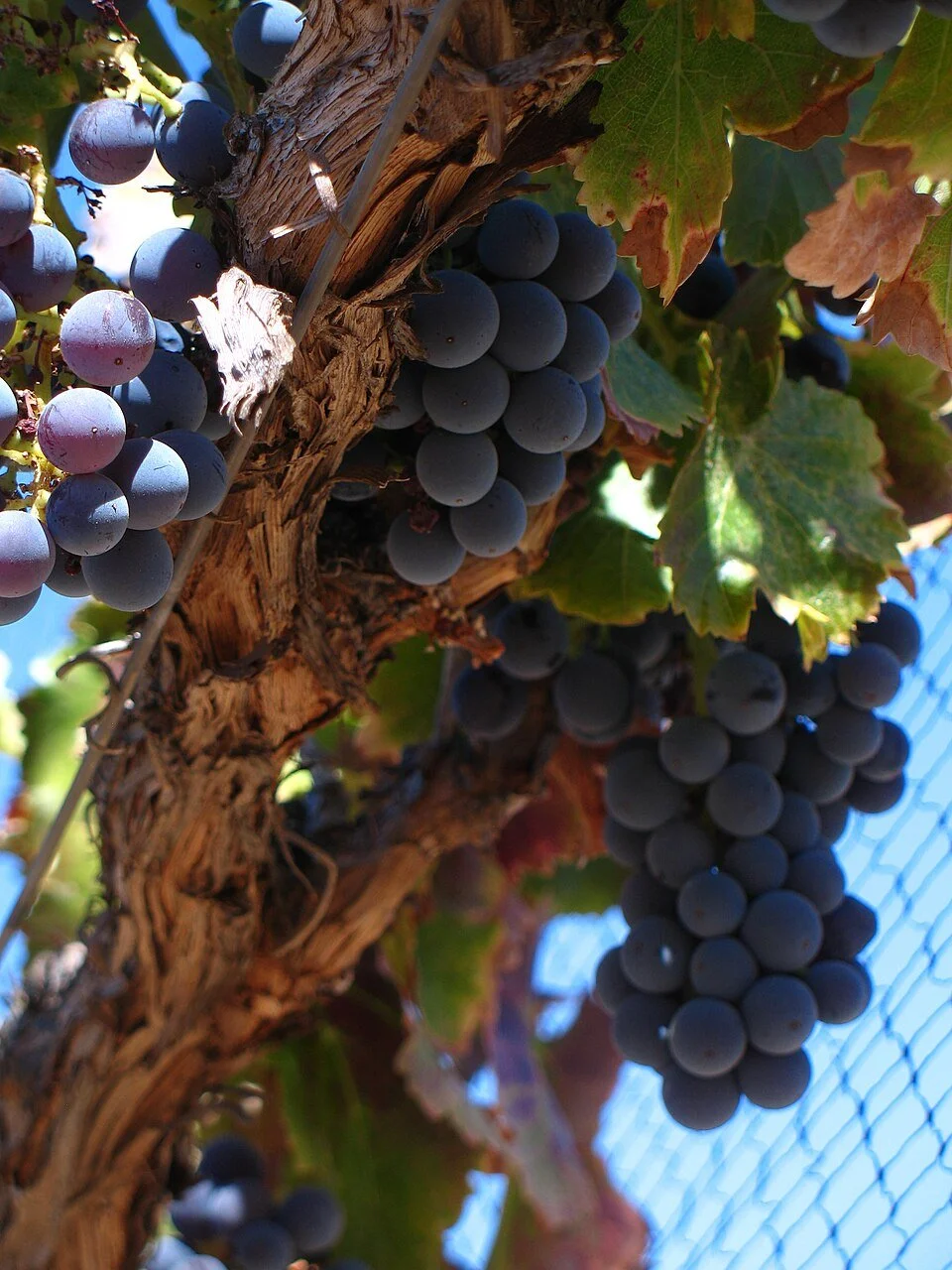
Grenache (grenn-nosh) is also known as Garnacha in Spain.

More than 90% of Grenache is grown in either France or Spain, with Italy and the U.S. making up much smaller fractions.

Grenache is used in the French Rhone GSM blends (Grenache, Syrah & Mouvedre) and in Châteauneuf-du-Pape.

It is said that in the 17th and 18th centuries, before strict French wine laws (AOC) existed, Burgundian merchants often illegally blended high-alcohol Grenache from the Rhône into their Pinot Noir to give it more "body" and color.

Wines made from the Grenache grape are medium to medium-high in body with medium-low tannin and acidity.

Typical notes include red fruits such as strawberry, raspberry and cherry with some spice notes such as white pepper, cinnamon and anise. Oak aging can impart leather, tar and tabacco leaf flavors.

Despite its low acidity, Grenache wines can age 3-5 years with the premium Châteauneuf-du-Pape wines being age worthy from 10 to 20 years.

Grenache should be served in a red wine glass at 60-68 F. Decant 30 minutes before serving.

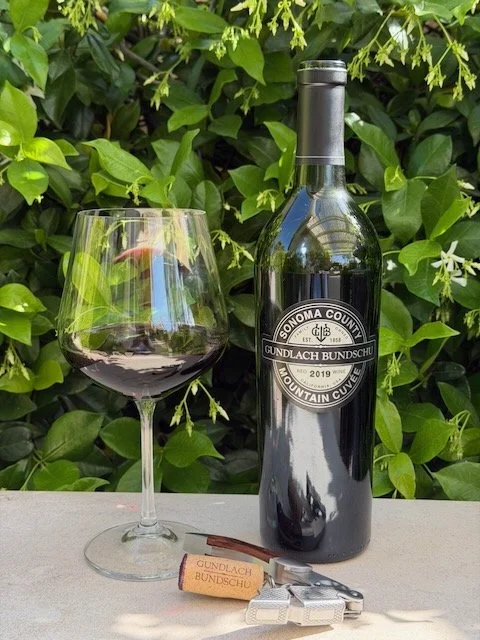
Behind the Cork™ - Gundlach Bundschu Sonoma Mountain Cuvee

2019 Gundlach Bundschu Sonoma Mountain Cuvée ($18)

For six generations and over 160 years, the Bundschu family has farmed the Rhinefarm estate vineyard at the crossroads of the Sonoma Valley, Carneros and Napa Valley appellations.

Mountain Cuvée honors the Bordeaux blends of Merlot and Cabernet Sauvignon.

Gundlach Bundschu sources it grapes from vineyards up against the Mayacamas Mountain range.

For the Merlot, they seek grapes that ripen well and have an expressive personality and consistency. Then they look for the Cabernet Sauvignon to provide a darkness to the wine. They source the fruit from only two growers within 2 miles of their estate to create the Cuvée, or blend.

During the winemaking process, they blend vineyard blocks together, evaluate and then create an appropriate oak-aging program, averaging 14 months in duration, primarily in French oak.

This Gundlach Bundschu Mountain Cuvée is deep purple in color with soft aromas of deep black fruit, herbal hints and a touch of caramel from the oak aging. On the palate, this full-bodied wine is rich with black fruit flavors, including plum, with coco and coffee notes from the oak. It finishes balanced, soft and smooth.

This is yet again a wine that I wish I’d picked up more than one! It’s a delicious blend that’s affordable and attainable. That make’s it a perfect fit as the Behind the Cork™ Wine of the Week. Cheers!


The opinions expressed are entirely my own.

A Tour of Wine Grapes: Gewurztraminer

Gewürztraminer

Gewürztraminer (guh-VURZT-tra-mee-ner) has been around for centuries in Europe and prized for its wines with intense floral aromas.

Its name is derived from the German word "Gewürz," meaning "spice" or "perfumed," reflecting its bold fragrance. And, the grape is a mutation of the ancient Traminer (Savagnin Blanc) variety.

Today, Gewürztraminer is grown throughout the world with Argentina and Moldova being the largest producers followed by Italy, U.S., Ukraine and Australia.

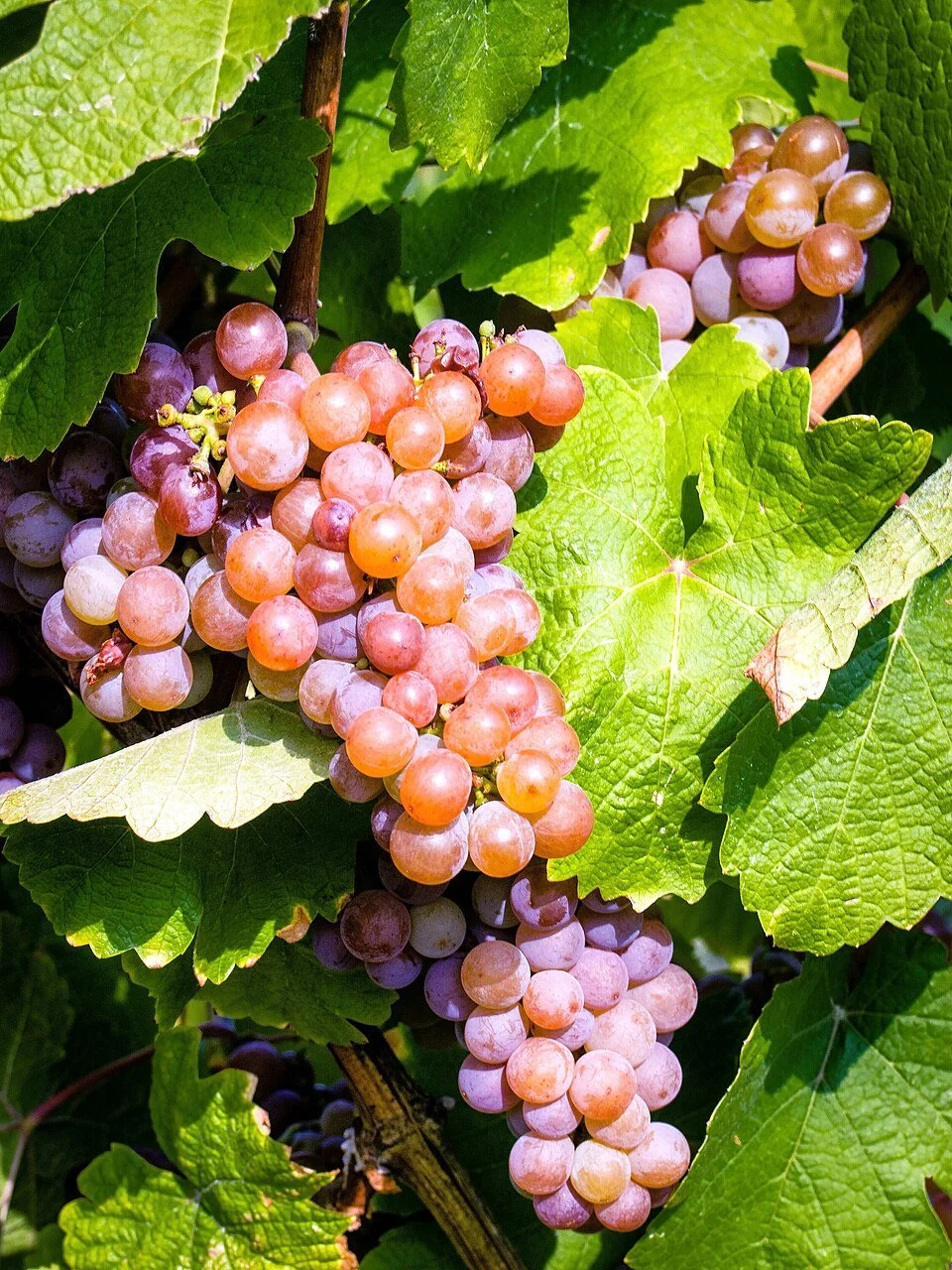
While Gewürztraminer grapes produce white wine, the grapes have distinctive pink to reddish skins. This often gives the wine a golden-copper color compared to other whites.

Gewürztraminer wines tend to be medium to low in body, low in acidity, but have a higher level of perceived sweetness even when all the sugar has been converted to alcohol through fermentation.

Aromas sometimes attributed to Gewürztraminer include soap, potpourri, or cheap perfume because of its bold floral aromas. But, most agree the aromas are most like lychee and rose petals.

Gewürztraminer is associated with flavors of grapefruit, apricot and tangerine and often has a oily or viscous mouthfeel.

Because of Gewürztraminer’s low acidity, it should be consumed young and typically only keeps for 2-5 years.

Serve Gewürztraminer ice cold (38-45 F) in a white wine glass. No decanting required.

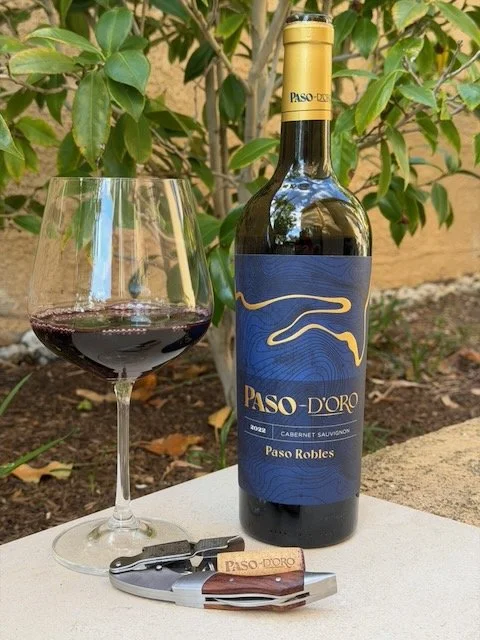
Behind the Cork™ - Paso D'Oro Cabernet Sauvignon

Paso D’Oro Cabernet Sauvignon ($22)

Paso D'Oro is a winery venture by the Terlato Wine Group that focuses on producing high-quality Cabernet Sauvignon from the Paso Robles region in California. The name translates to "Way of Gold," paying tribute to the golden California sunshine and the "golden path" taken by the winemaker's family.

The wines are crafted by Laura Orozco, who was appointed as the winemaker for this venture in 2022 after her successful tenure at Napa's Chimney Rock.

The grapes for this wine are from four different American Viticultural Areas (AVAs) in Paso Robles including the Estrella District, San Juan Creek District, Geneseo District and the Highlands District. Each block has a different elevation, soil type, row direction, clone and rootstock.

Paso D’Oro Cabernet Sauvignon is produced from 92% Cabernet Sauvignon, 4% Petite Sirah and 4% Alicante Bouschet. Each individual vineyard block was fermented individually using several different yeast strains. It was aged 8 months in 25% new barrels.

This wine is deep ruby in color with wonderful aromas of black fruit. On the palate, this Paso D’Oro Cabernet Sauvignon has rich dark fruit flavors as well as vanilla and caramel from the oak aging. The tannins are medium-high (decant for 30-60 minutes) and the acidity is medium. It finishes with rich dark-fruit flavors.

Paso D’Oro Cabernet Sauvignon is a terrific wine that’s attainable at a really great price. That makes it a perfect fit as this week’s Behind the Cork™ Wine of the Week. Cheers!