
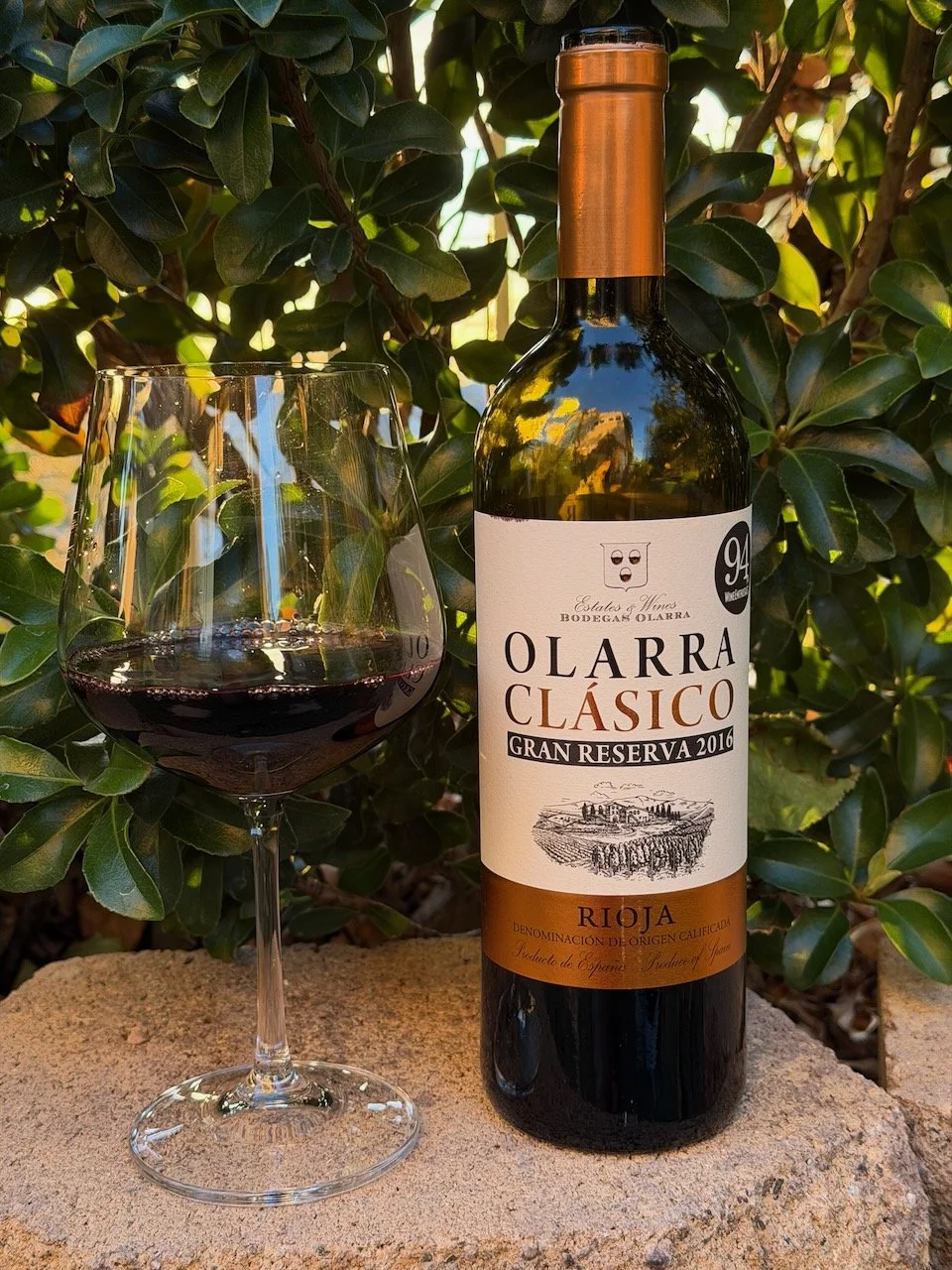
Behind the Cork™ - Olarra Classico Gran Reserva Rioja

2016 Olarra Classico Gran Reserva Rioja ($30)

Olarra Clásico Gran Reserva 2016 is a well-regarded Spanish red wine from the Rioja region of Spain.

With a history dating back 50 years, Bodegas Olarra base their wines on the ideal selection of the raw material, on the traditional winemaking methods which have been adapted to modern times and the evolution of their wines to the tastes of the consumer.

The third generation of the Bodegas Olarra family is made up of three committed young winemakers who are totally wrapped up in the production of great Rioja wines — Pedro Limousin Ucín, Marcial Zapke Ucín and Luis Limousin Ucín.

This Gran Reserva (meaning it spent a minimum of 2 years in oak and minimum of 3 years in the bottle) is produced from 80% Tempranillo, 10% Mazuelo, 5% Granacha and 5% Graciano. At it’s 9-year mark, it’s definitely showing its age with its tawny color. On the nose, there is black fruit and sweet tobacco. On the palate, it has flavors of black cherry and fig. It finishes spicy and nutty (from aging oxidation).

This 2016 Olarra Clásico Gran Reserva Rioja may be at its peak after nine-plus years. So, if you get an opportunity to try it, it’s well worth the experience. It’s this week’s Behind the Cork™ Wine of the Week. Cheers!
Behind the Cork™ - Rivallana Gran Reserva Rioja

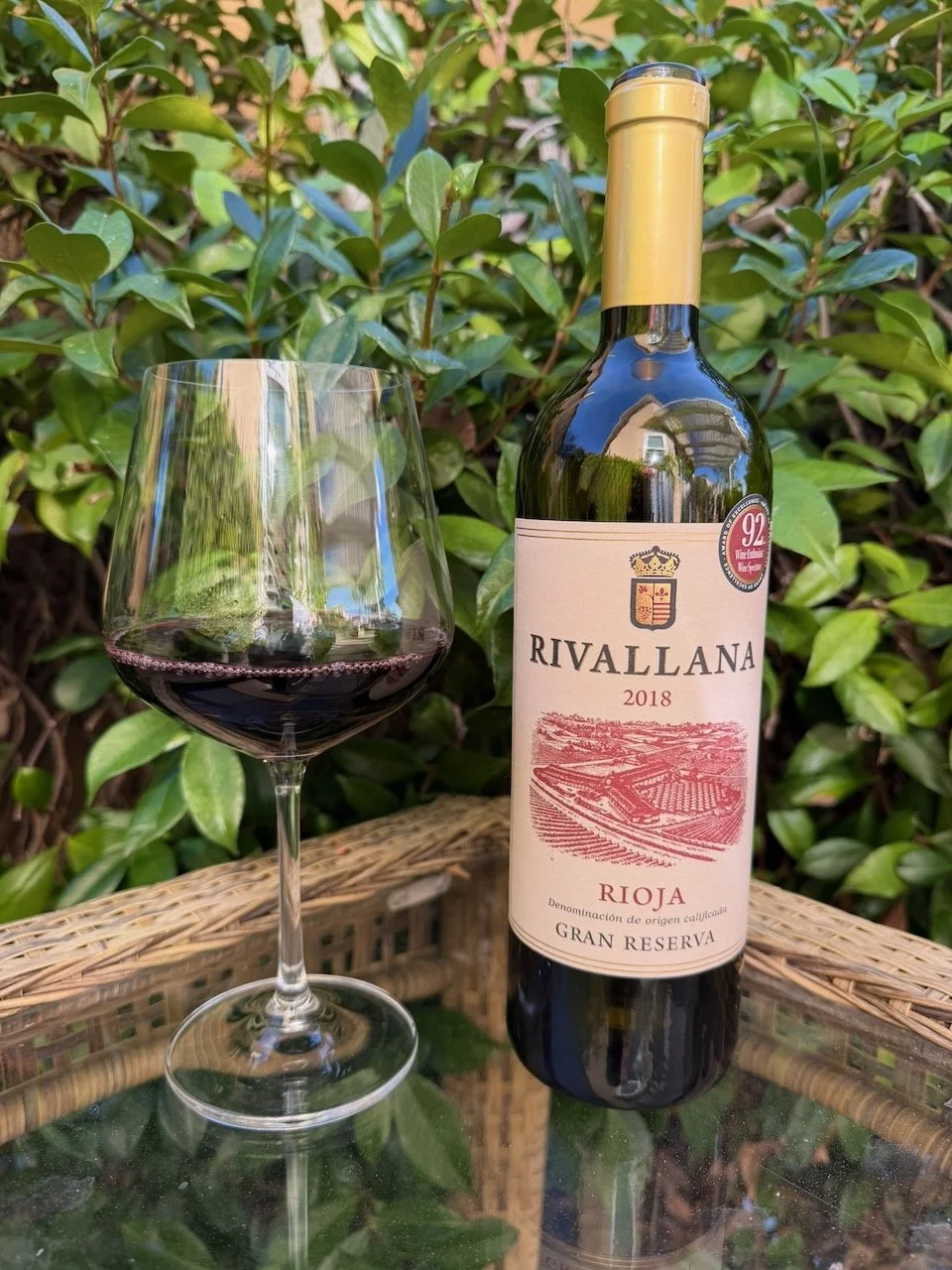
2018 Rivallana Gran Reserva Rioja ($12)

This wine was bottled for Bodegas Ondarre, located in the Rioja region of Spain. It is a “Gran Reserva” wine which means that it was aged for a minimum of five years in oak and bottle with a minimum of 2 years in oak and a minimum of 3 years in the bottle before being released by the winery.

Tempranillo is the grape of Rioja and this wine is 85% Tempranillo, 10% Graciano and 2% Garnacha.

This 2018 Rivallana Gran Reserva Rioja is a medium garnet in color with nice aromas of dark fruit and oak. On the palate, this medium-full bodied wine has nice flavors of black cherry, fig, a touch of blueberry, sweet tobacco leaf and notable cedar from the oak aging.

This is a 2018 wine that’s a Gran Reserva. And, it sells for under $20! This is a great value for a really good wine. Look for it! Cheers!

Behind the Cork™ - Finca Los Principes Rioja Gran Reserva

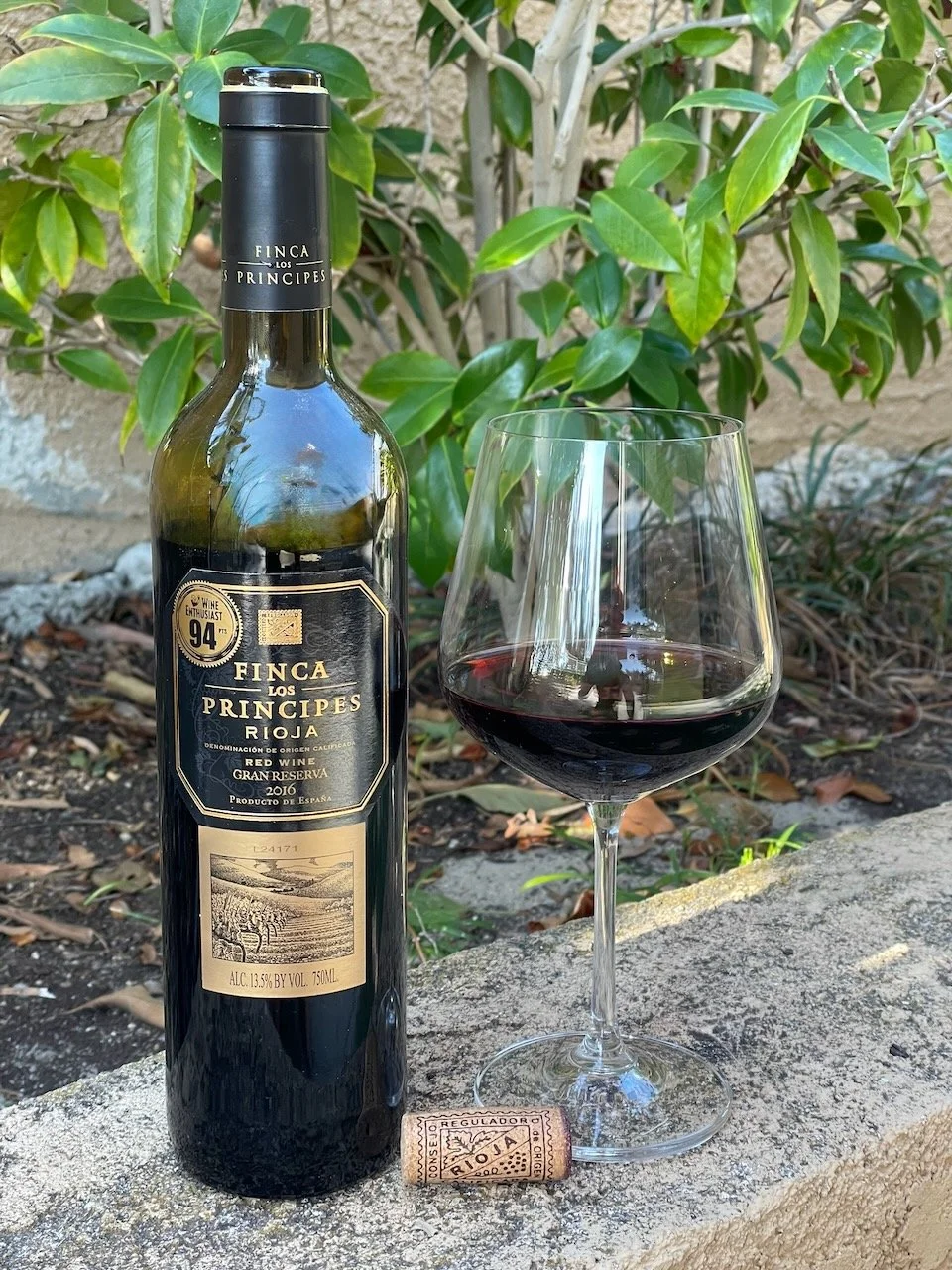
2016 Finca Los Principes Rioja Gran Reserva ($19.99)

FincaLos Principes” (The Princes) is a wine from the Spanish wine region of Rioja.

This wine is made from grapes grown in a historic vineyard in the foothills of the Cantabria Mountains that stretch across northern Spain. The winery has six generations of winemaking experience.

This Rioja wine is produced from 100% Tempranillo grapes. Per the standards for a “Gran Reserva,” it was required to undergo a minimum of five years of aging, with at least two of those years in oak barrels.

This Finca Los Principes Rioja Gran Reserva is a medium ruby red in color with big aromas of red fruit, oak and herbal notes including tobacco. On the palate, this is a medium-full bodied wine with nice flavors of red cherry, black cherry and fig. The oak aging leads to some subtle flavor of cocoa. This wine is medium-high in tannin and acidity and finishes a bit spicy with an every so slight tartness.

Gran Reserva wines from Rioja can be extraordinary. And, this Finca Los Principes is indeed. And, at this price, is a terrific fit as the Behind the Cork™ Wine of the Week. Cheers!

Reserva is Actually a Meaningful Term When It Appears on a Spanish Wine Label

In the U.S., the term “Reserve” on a wine label is not legally regulated. It can just be a marketing term to get consumer to believe the wine is somehow better than others. Or, it can actually mean that the winery has indeed gone above and beyond with higher quality grapes, longer aging or limited production. So, it’s buyer beware.

But, in Spain, the term "Reserva" is a legally regulated classification that indicates both minimum aging requirements and often a higher quality level compared to standard wines.

The term “Reserva” is regulated under Spanish wine laws (Denominación de Origen - DO, or Denominación de Origen Calificada - DOCa). A “Reserva” wine usually implies better grape selection and greater aging potential than a standard wine.

It should also be noted that “Reserva” is considered a step above "Crianza" and a step below "Gran Reserva" in aging hierarchy:

For Red (“Tinta”) wines:

  • Crianza = 2 years minimum aging with 1 year in oak

  • Reserva = 3 years minimum aging with 1 year in oak

  • Gran Reserva = 5 years total aging with 2 years in oak and 3 years in the bottle

So, next time you’re shopping for a Spanish wine, be sure to pay attention to the label. There are real differences. Cheers!

Getting to Know the Various Styles of Rioja

November 14th is International Tempranillo Day. Let’s get to know this Spanish wine a bit better.

Rioja is maybe the best known Spanish wine, but did you know there are various styles of Rioja?

First, let’s review a bit about Rioja. It is a region in North-Central Spain that’s known for its wine. And, like most Old-World wines, the wine label identifies the wine region, not the grape varietal.

Rioja wine is made from Tempranillo grapes but is often a blend of Tempranillo, Garnacha and Mazuelo (a.k.a. Carignan).

But, have you’ve ever noticed that a Rioja wine is made in various styles?

The most basic Rioja wine is usually labeled simply as “Rioja.” Makes sense, right? It is aged for a matter of months, bottled and sold. It’s bright and fruity with big cherry flavors.

Then there is “Crianza.” You may not have noticed this word on the label since it doesn’t immediately mean anything to an English speaker. But, one of its translations means ‘aging.’ And, indeed, this style of Rioja is required to be aged for one year in oak and spend one year in the bottle before being sold. The controlling board in Rioja, the Consejo Regulador DOCa Rioja, ensures that these quality requirements are met.

Next is “Reserva.” Now this is a term that appears on a lot of wines, but in Rioja it actually means something. A Rioja Reserva is required to be aged for one year in oak and then spend two years in the bottle before being sold.

Finally, there is “Gran Reserva.” This wine must spend a minimum of two years in oak and three years in the bottle before being sold. But, often these wines are closer to ten years old when sold. This wine is produced from the best grapes and ends up with the best tannin structure.

So, when buying a Rioja, pay attention to the label and turn the bottle around to the backside to look for one of the identifying stickers. Then, you’ll know exactly what you are getting.

Cheers!