
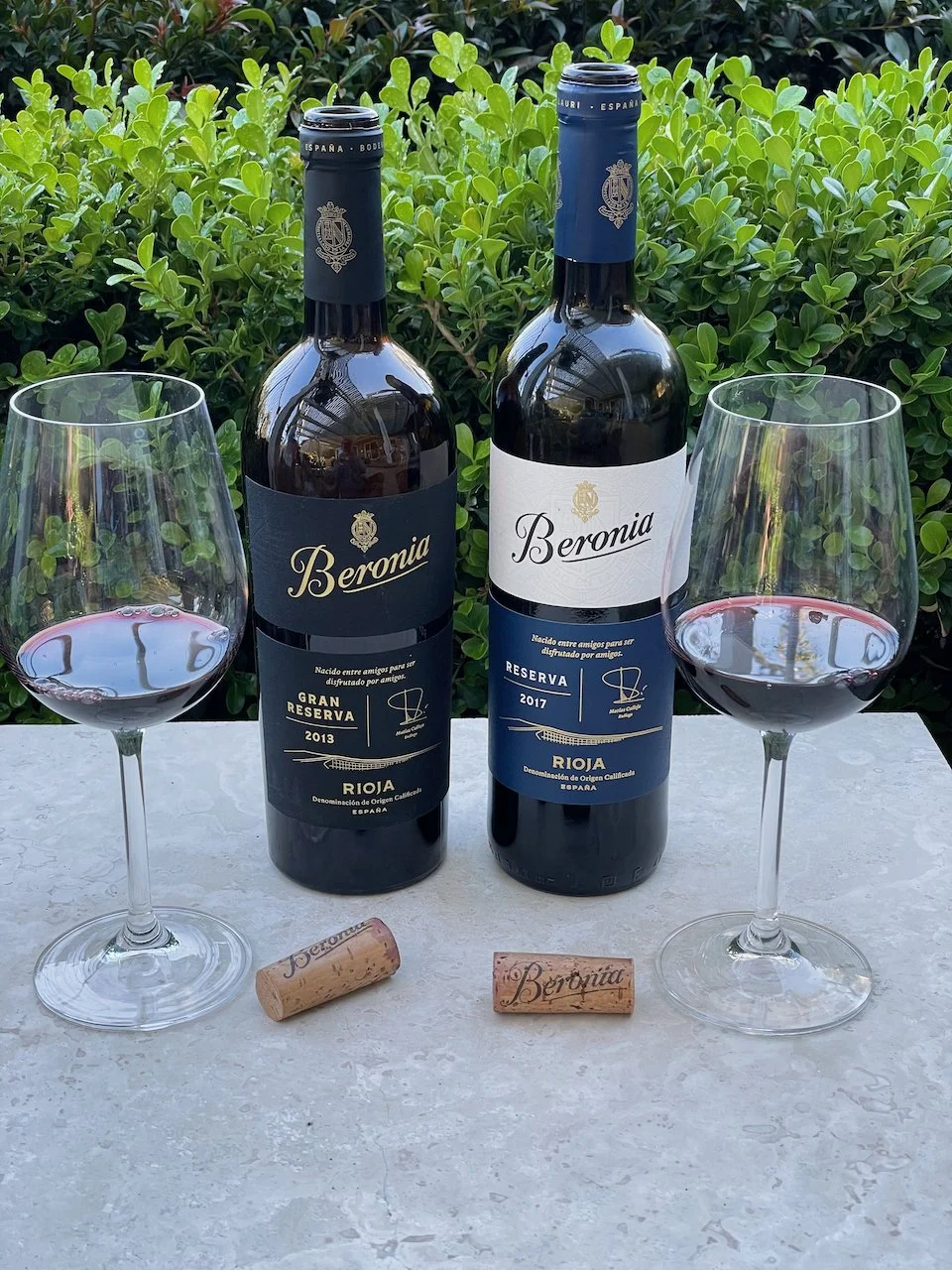
Behind the Cork™ - Beronia Rioja Wines

With almost five decades of wine making, Bodegas Beronia is renowned for it Rioja. Their flagship winery is located in La Rioja, Spain. It is nestled seamlessly into the hillside, preserving the natural beauty of the landscape. The winery sits beneath a plant-covered roof, partially underground, allowing energy saving through the force of gravity and thermal inertia in the winemaking process. Their winery promotes sustainable architecture and agriculture that minimizes their environmental impact.

Rioja is located in Northern Spain, and is undeniably the most famous Spanish wine region, with a global reputation of trust and quality built over 2000 years of winemaking.

The Beronia winery took its name from the ancient Celts known as the ‘Berones’, the former guardians of today’s La Rioja region.

2017 Beronia Reserva Rioja ($24.99)

In Spain, a “Reserva” wine must have a minimum of three years of aging, with at least one year in barrel and the remainder in bottle. This Rioja Reserva is produced from 93% Tempranillo, 1% Mazuelo and 6% Graciano. This wine spent 18 months in mixed French and American oak barrels and then was left to rest in the bottle for 18 months before being released to the market.

This Beronia Reserva Rioja is medium ruby in color with aromas of black cherry and peppery notes. On the palate it has good black fruit flavors, medium tannin, nice acidity, hints of licorice and a nice finish.

2013 Beronia Gran Reserva Rioja ($29.99)

In Spain, a “Gran Reserva” wines are aged in barrel for two years followed by three years in the bottle prior to release. This Rioja Gran Reserva is also produced from 95% Tempranillo, 1% Mazuelo and 4% Graciano. It spent 27 months in French oak barrels and completed its ageing with another 36 months in the bottle prior to release.

This Beronia Gran Reserva is deep garnet is color with aromas of black cherry and brown sugar. On the palate has flavors of sour cherry and spices while being smooth with its mellow tannin. It has a long and balanced finish.

These Rioja wines from Bodegas Beronia are both excellent. They are attainable and affordable and this a great fit as the Behind the Cork™ Wines of the Week. Cheers!


Disclosure of Wine Sample Submission: I received these samples at no cost for review. The opinions expressed are entirely my own.

Samples Provided by Gonzalez Byass (via Donna White Communications)

Ever Wonder? Why Do the Colors of Red Wines Differ?

I was recently asked about the color of wine. Specifically, why does the color of a red wine vary, especially within the same variety. So, let’s take a look at the factors that affect a red wine’s color.

As the grapes are harvested, they are piled into containers. And, under their own weight, some of the grapes get squeezed to the point of releasing their juice. This is referred to as ‘free-run’ juice. The color of this juice is generally pretty light and transparent, as shown in the photo.

But, the colors of finished and bottled red wines can range from pale pink (rosé wines), to purple (Syrah), to ruby (Cabernet Sauvignon) and to deep garnet (Borolo).

This range of color in red wines comes from the pigment from the skins of grapes. By soaking the grape skins in the juice, the pigment ends up “staining” the juice and producing the various colors. Rosé wine spend very little, if any, time in contact with the grape skins while other wines will spend as much as two weeks in contact with the skins. And, different red varieties (i.e., Gamay vs Cabernet Sauvignon) just naturally produce different levels of pigment.

Thus, deeply opaque red wines simply have more pigment in them. And, it should be noted that wines generally lose pigment as they age. So an older wine will actually have less intensity of color (and likely a bunch of sediment in the bottom of the bottle!).

So, there’s a quick overview of how the colors of red wines differ. Cheers!

Behind the Cork™ - Veramonte Organic Wines from Chile

Veramonte Organic Wines

Earth Day is Friday April 22nd and here’s a great way to celebrate. Veramonte takes seriously how they produce their 100% organic wine.

Veramonte employs organic farming practices, which are essential for helping the planet and the people. Their wines are naturally free of pesticides, herbicides and synthetic fertilizer. Veramonte is committed to doing what it can to create delicious wine while ensuring optimal conditions for growth and sustainability over time.

Veramonte organic wines are from the Casablanca Valley which is part of the Aconcagua Viticultural region in Chile - a region known for its cool climate due to the coastal influence.


2021 Veramonte Organic Sauvignon Blanc ($13.99)

This wine is produced from 100% Sauvignon Blanc grapes. The grapes go straight from the vineyard to the press where the juice is held for 24 hours. It is then racked and fermented in stainless steel tanks to retain the vibrant, fresh crisp flavor. It has bright aromas of lime and tangerine along with subtle floral notes. Its bright acidity leads to a long and refreshing finish.

2020 Veramonte Organic Chardonnay ($13.99)

This wine is produced from 100% Chardonnay grapes that are whole-cluster pressed to obtain the structure provided by the stems. The juice sits for 24 hours before being racked off. Part of the wine is barrel fermented in neutral oak with wild yeast and the rest is fermented in stainless steel tanks. Thirty percent of the wine undergoes spontaneous malolactic fermentation, enhancing the Chardonnay’s softness and creaminess without losing the freshness. It has aromas of pear, quince and lemon along with notes of toasted oak. It is bright and smooth with a long finish.

2020 Veramonte Organic Carménère ($13.99)

Made from 100% Carménère, these grapes are destemmed and cold macerated for five days in stainless steel tanks before being fermented with native yeast. Following fermentation, the wine is macerated with its skins for another ten days to intensity the flavors. It is then aged for eight months in neutral oak barrels. There are flavors of blackberry and plum with hints of pepper that result in a nice light finish.

Veramonte organic wines are a nice accompaniment for spring and summer foods. With these very affordable prices and availability, the Veramonte wines are a great fit as this week’s Behind the Cork™ Wines of the Week. Cheers to Earth Day on Friday April 22nd!


Disclosure of Wine Sample Submission: I received these samples at no cost for review. The opinions expressed are entirely my own.

Samples Provided by Gonzalez Byass (via Donna White Communications)
Wine Fun Fact: What is Élevage?

There are a lot of fancy terms used when describing wine and many of them get thrown around like everyone should know what they mean.

The other day I was reading through some material and came across the term “élevage” and had to stop. What does this mean?

It turns out it is a French word that literally means rearing or raising. It is the process of nurturing wine from its fermentation, to the barrel, to final bottling. And, proper élevage makes all the difference between making superb, rather than merely ordinary wines. Cheers!

A high-level summary of the winemaking steps and factors included in élevage:

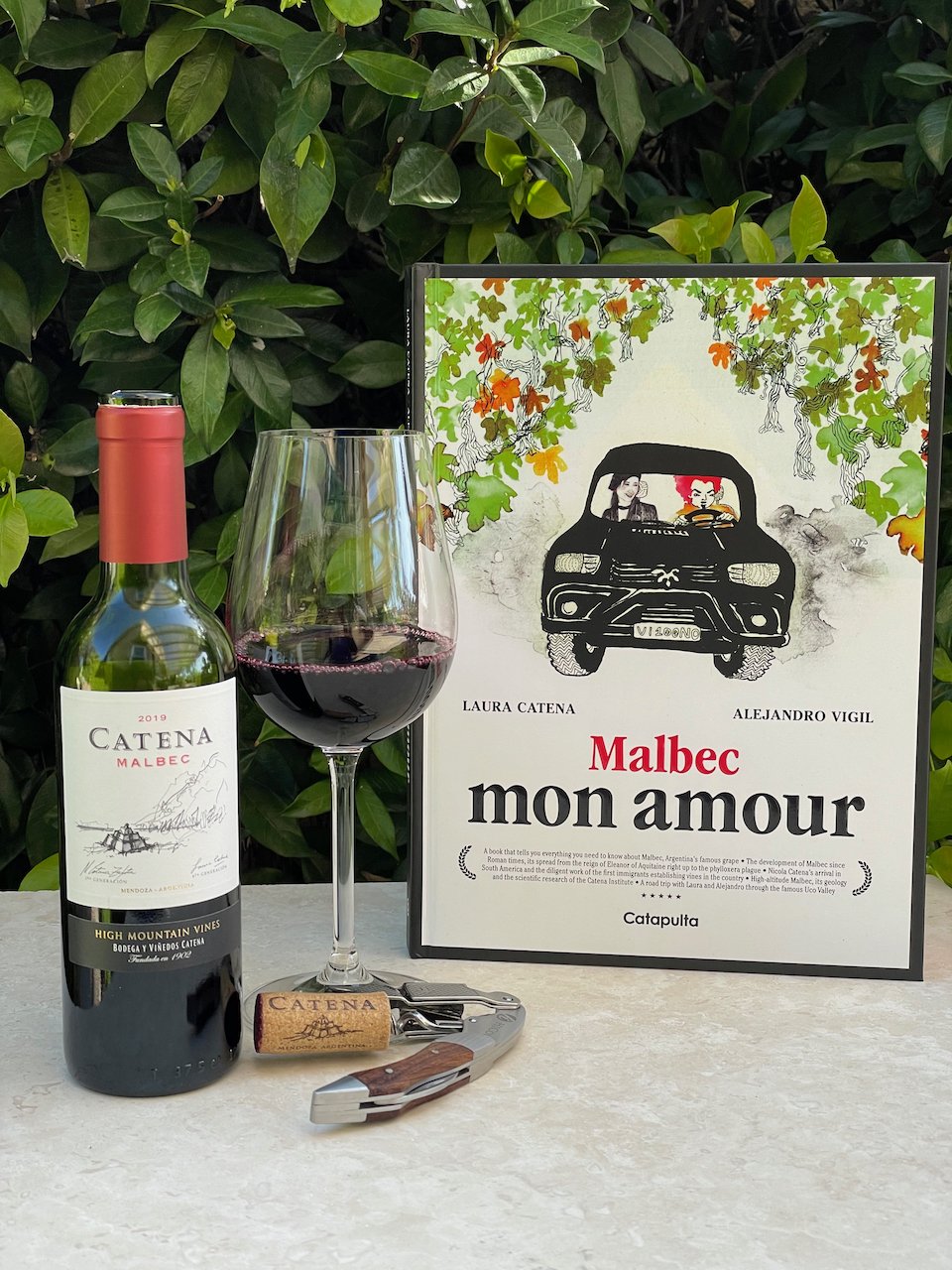
Behind the Cork™ - Catena Malbec

2019 Catena Malbec ($15)

World Malbec Day is coming up on Sunday, April 17th, an annual holiday that commemorates the founding of the first agricultural school in Argentina in 1853, which was instrumental in the early cultivation of Malbec in the South American nation. And, here’s a great way to celebrate!

This celebration features the 2019 Catena Malbec and a great book all about Malbec.

The wine is from high-altitude vineyard in Mendoza, Argentina in the foothills of the Andes Mountains.

The book ($24.49 on Amazon) is fun and informative. It is written by Laura Catena and Bodega Catena's oenologist Alejandro Vigil. It tells the story of Malbec, its near extinction, rebirth and in a joyful end, the story of how a plant has elevated the lives of millions of people for over 2,000 years.

This Catena Malbec is produced from 100% Malbec that goes through cold maceration for five days to and then is fermented with wild yeast for 12 days with a post-fermentation maceration of 19-22 days. It then spends 12 months in barrels that are of first, second and third use.

This wine is medium purple in color with aroma of black berry, black cherry, spice and cocoa. On the palate it has nice fruit flavors, medium tannin and medium acidity along with the characteristic easy finish of a Malbec.

At $15 this is a wonderful wine that is fully deserving of being a Behind the Cork™ Wine of the Week. Look for this one and raise a glass for World Malbec Day on April 17th. Cheers!


Disclosure of Wine Sample Submission: I received these samples at no cost for review. The opinions expressed are entirely my own.

Samples Provided by Catena winery (via Nonni Strategic Marketing)