What "Cellared and Bottled by..." Means on a Wine Label

I recently visited a “Winery” on a weekday in the downtown part of a city to check out their wines. When I entered, I was greeted by a hostess that grabbed a lunch menu and wanted to seat me in their large outdoor patio. I told her that I just wanted to look around and check out the “winery.”

Aside from the large restaurant, I did find a small bar serving mixed drinks, beer and glasses of wine. Then I found the “Tasting Room” that was closed and learned that it is only open on the weekend.

I then wandered over to their wall of bottled wines and pulled down a few. On the back label of each wine was the phrase “Cellared and Bottled by” followed by the name of their winery.

So, let breakdown the facts about this “winery”:

Growing the Grapes: The “winery” did not grow the grapes

Crushing the Grapes: The “winery” did not crush the grapes

Fermentation: The “winery” did not ferment the juice (the must) to produce the wine

Cellared: This means that the “winery” took possession of the wine after it was produced and was somehow responsible for storing (i.e., cellaring) it. This might involve aging the wine further or simply keeping it in tanks

Bottled: The “winery” was responsible for transferring the wine into the bottles, sealing them, and putting their label on them

So, technically this establishment is a “winery” but they don’t grow the grapes or produce the wine. This doesn’t say anything about the quality of the wine in the bottles. But, it does tell you exactly what kind of a “winery” they are.

Ever Wonder? What Do these Terms Mean on a Wine Label?

  • "Estate Bottled" or "Grown, Produced and Bottled by": These terms mean:

    (1) 100% of the grapes were grown on a winery's own vineyards

    (2) The grapes all come from within a single AVA

    (3) The wine was made by the winery on its own estate within the given AVA.

    Basically, every aspect of producing the wine happened at the named winery. Estate Bottled wines generally are of higher quality and therefore a bit more pricey.

  • "Produced and Bottled by": The phrase “Produced and Bottled by” means that only 75% of the grapes were fermented by the winery itself. The other 25% is uncertain. So, basically, this means that the winery has purchased grapes and then makes the wine themselves.

  • "Vinted and Bottled by": This means the wine was produced by someone else, but the winery selling it did do something such as blend the wine or age it.

  • "Cellared and Bottled by": This means the wine was made by someone else.

  • Single vineyard wine: A wine in which 95% of the grapes must be from the named vineyard.

A lot of information on a wine label is actually just marketing. But, at least you can trust these terms. Cheers!

Are Sulfites in Wine Something to Worry About?

Photo by Alev Takil on Unsplash

U.S. wine label regulations require wines that have a level of 10 parts per million (PPM) or greater of sulfur dioxide to be labeled with the declaration “Contains Sulfites.”  And if you pay close attention to wine labels, nearly all U.S. wines include this warning.

Let's start by putting things in perspective. If you are concerned about wine because it contains sulfites, then you also need to be concerned about many other foods and drinks. Wines can have 10-350 PPM of sulfites, while canned soups, packaged meats, bottled lemon juice and frozen juices can have 500 - 700 PPM of sulfites. Dried potatoes, as well as french fries, hash browns and other potato dishes made from dried potatoes, can have up to 1,900 PPM of sulfites. And dried fruits can have more than 3,500 PPM of sulfites; that's 100 times the levels in wines!  So, sulfites are everywhere.

Why then are sulfites so pervasive?  Simple. Sulfur is a very good preservative. It has been used to keep food and drink from spoiling for thousands of years.  And today, winemakers depend on sulfur (as sulfur dioxide gas or in powdered form) to keep their grapes and wines from rapidly going bad.  Sulfites can be added anywhere in the process. They may be sprayed on the vines to act as a fungicide, added to the grapes as they are crushed or added just before the wine is bottled.  Winemakers consider sulfites essential to producing wine.

The FDA estimates that 1% of the general population has sensitivity to sulfites.  But, for the rest of the general population, sulfites should not be of great concern.

There are some wine producers specifically making organic sulfite-free wines. But they must take special care while making and storing the wine to ensure that it does not go bad.

So, yes, if you have allergies or are asthmatic, you need to be concerned about sulfites in wines. If you are sensitive to sulfites and love wines, then you'll need to seek out producers of organic wines and confirm that the wine label does not have the sulfite warning. And be careful when buying foreign wines.  Australia is the only other country required to identify sulfites in wine.  All other country's wines will generally contain sulfites, but the label will not necessarily warn you.

So, grab a bottle, pour yourself a glass and raise it to all the wine producers that are working hard to ensure that you get great wines that have not spoiled by the time you pull the cork. Cheers!

It’s Veraison Time in the Vineyards!

Image by Photo by Kelsey Caroline on Pexels.com

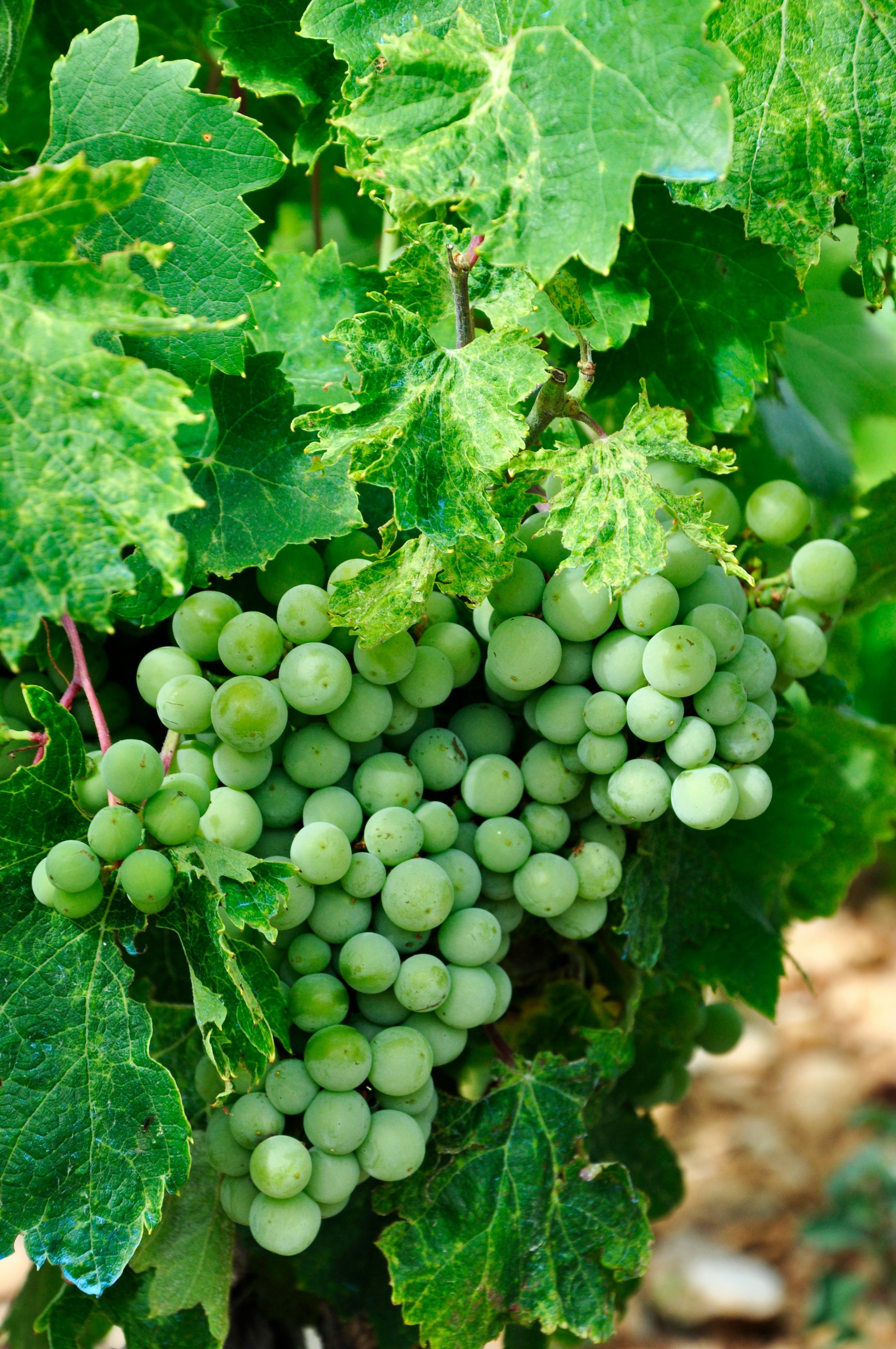
The grape growing cycle is currently at the point where berries (the actual term for individual grapes) begin to turn color. This marks the point at which the grape vines move from berry growth to berry ripening.

The term for this stage is called Veraison (vuh-rey-zhun). And this means that there is now approximately 45 days until the beginning of harvest.

While veraison is most obvious on red wine grapes, white grapes also go through veraison. While their color change isn't as dramatic as the reds, they do change from green to a more yellow or golden green. 

Veraison marks the point where the grapes stop growing in size. But, it's also when the sugar content of the grapes increases significantly. And, the acid begins to decline.

So, winemakers are now very closely watching and testing the grapes to find the point where the sugar content and acidity are just right for the particular wine they are trying to produce.

It's an exciting time in the vineyard and harvest is just around the corner! Cheers!

Ever Wonder About Organic Grapes or Organic Wines?

Photo by Alex Block on Unsplash

When it comes to wines, there are two major categories of organics: ‘Wines made with Organic Grapes’ and ‘Organic Wine.’

Here’s a quick overview of each.

Wines Made with Organic Grapes

Wines made from organically grown grapes are much more common. This means there were no synthetic pesticides or herbicides used in the vineyard. Yeast and any other agricultural ingredients used in winemaking aren’t required to be organic, but have to be produced without excluded methods (like genetic engineering). Organic grape production prohibits the use of genetically modified organisms. This means that organic grapevines are not genetically engineered or modified in any way.

So, wines made from organic grapes are produced with a focus on environmental sustainability, soil health, and biodiversity, while avoiding synthetic chemicals and genetically modified organisms. This is not only better for the environment but also contributes to the production of wines that reflect the unique characteristics of their winery’s terroir.

Organic Wines

For a wine to be labeled as ‘Organic’ it must only use organically grown grapes and avoid synthetic additives. Both the growing of the grapes and the winemaking process must be certified. This includes making sure the grapes are grown without synthetic fertilizers. Other agricultural ingredients that go into the wine, such as yeast, also have to be certified organic. And then, any non-agricultural ingredients must be specifically allowed and can’t exceed 5% of the total product.

In addition to organic farming practices, many organic vineyards also adhere to broader sustainable agriculture principles. This may include practices such as water conservation, energy efficiency, biodiversity preservation, and waste reduction.

Finally, while the winemaking process naturally yields some sulfur dioxide (sulfites), the winemaker cannot add sulfites to an organic wine. (Note: Sulfites are commonly added to wines to stop the fermentation process and/or as a preservative in the bottle).

Although this is a brief overview, please note that the specific regulations and certification standards for organic wines can vary depending on the country or region. Cheers!