The Art of Wine Making: Choosing the Right Vessel for Wine Fermentation

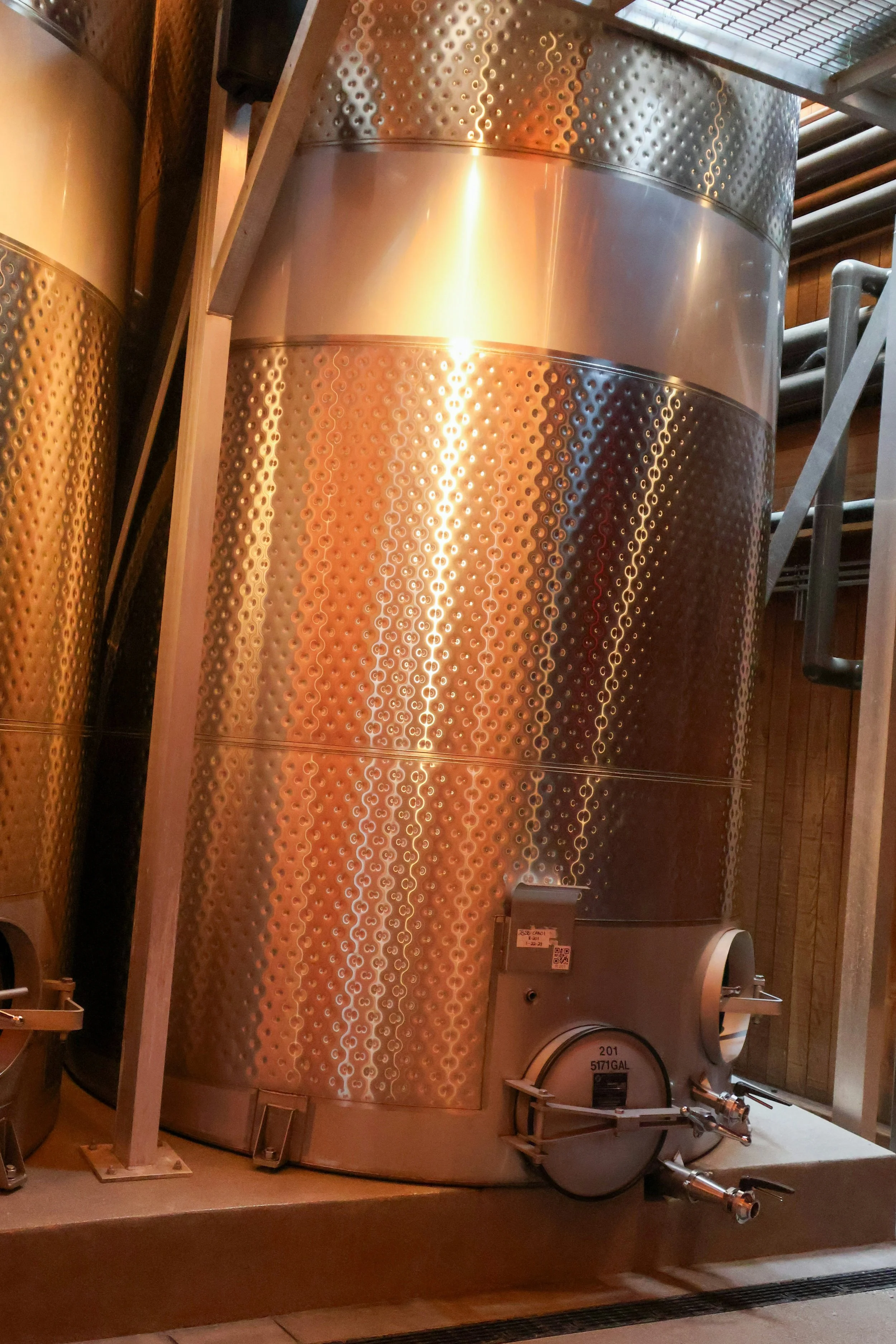
A large stainless steel tank used for fermentation

Photo by Meg von Haartman on Unsplash

Another aspect of the art of wine making involves choosing the type of vessel used for fermentation. Fermentation vessels are available in several materials with each one allowing the wine maker to influence their wine's flavor, texture, and overall style.

Here's an quick overview of the main types for fermentation vessels and their pros and cons:

1. Stainless Steel Tanks

Stainless steel tanks are widely used in winemaking

  • Pros:

    • They are made of an inert material — it doesn't impart any flavor to the wine

    • These tanks are easy to clean and sanitize

    • It allows wine makers to conduct fermentation at highly controlled temperatures

  • Cons:

    • While being a “pro,” the fact that it does not impart flavor can also be a negative

    • Doesn’t allow for oxygen to interact with the fermenting wine, resulting in wines that can be sharper with harsher tannin

    • Very costly

  • Uses: Crisp whites like Sauvignon Blanc, rosés, and some lighter-bodied reds

2. Oak Barrels or Vats

Used for traditional or premium red wines and some white wines

  • Pros:

    • New oak can add significant flavors (vanilla, spice, toast)

    • The porous nature of oak allows “micro-oxygenation” that can soften tannin softening and add to a wine’s complexity

  • Cons:

    • Harder to clean

    • Oak barrels are expensive, especially new barrels

  • Used for: Chardonnay and Fumé Blanc as well as for most red wines

3. Concrete Tanks or “Eggs”

Often used for artisan and natural winemaking

  • Pros:

    • Provides good temperature control during fermentation

    • Allows for micro-oxygenation without imparting significant flavor

    • Egg-shaped vessels promote convection currents — helps keep the lees in suspension

    • Can enhance a wine’s texture and minerality

  • Used for: Both reds and whites

4. Clay Amphorae (or Terracotta Jars)

This type of vessel has been used in wine making for thousands of years

  • Pros:

    • Allows for light oxygen exchange

    • Can retain the grape’s flavors and/or impart subtle earthy characteristics

  • Cons:

    • These vessels are fragile and porous (some are lined with beeswax)

  • Used for: Natural wines, often whites and light reds

So, the choice of fermentation vessel is indeed a factor in a wine maker’s artistic expression of their final product. Cheers!

The Art of Wine Making: Picking the Right Yeast for Fermentation

Natural Yeast on the Surface of Grapes

[Photo by Wayne Christensen on Unsplash]

Wine makers have used yeast for centuries to ferment the juice of grapes into wine. And, part of the art of winemaking is choosing the right yeast to use.

Wine makers have several choices in deciding which yeast to use to ferment their wine:

Wild or Native Yeasts - Grapes naturally have yeast on their skins (see photo). There are also natural yeast in the vineyard environment and yeasts that live within the winery. So, a wine maker can simply leave the crushed grapes and their juice to “spontaneously” being fermentation.

Advantages:

  • Because wild yeasts are unique to each vineyard and winery, the add to the ‘terroir’ expression of the wine, making it even more unique

  • Wild yeasts can produce unique chemical interactions that don’t occur with commercial yeasts

  • Wild yeast is often viewed as more natural or pure

Disadvantages:

  • It takes longer for fermentation to begin since the wine maker is relying on the yeasts in the air versus adding quantities of yeast directly

  • Some natural yeast are not able to survive the rising levels of alcohol and die before fermentation is complete

  • While also listed as an advantage, the unique flavors associated with natural yeast may result in undesirable results

Commercial Yeasts - This is the most common approach.

Advantages:

  • Commercial yeasts are easy to purchase, transport and store.

  • The fermentation process becomes more predictable and easier to control

  • Some yeast will help reduce the volatile acids in the final product

  • These yeasts will help to promote malolactic conversion

Disadvantages:

  • Reduces a wine makers unique expression associated with native yeast

So, once again, choosing the ‘right’ yeast is just another part of a wine maker’s artistic expression. Cheers!

The Art of Wine Making: Deciding When and How to Macerate the Grapes

Maceration is part of the winemaking process, especially for red wines, and it is considered part of the art of wine making. Maceration extracts color, flavor, tannins, and aroma compounds from the grape skins, seeds, and sometimes stems into the juice (i.e., the must).

What is Maceration?

Maceration is the soaking of crushed grape skins in their own juice. This allows compounds like tannins and the pigments that give red wine its color to be extracted from the solid parts of the grape.

  • In red winemaking: The juice is fermented with the skins.

  • In white winemaking: Usually, the juice is separated from the skins.

When Does Maceration Happen?

  1. Cold Soak (Pre-Fermentation Maceration)
    Grapes are chilled and soaked before fermentation begins. This helps extract color and fruit aromas without pulling out too many tannins (which are more soluble in alcohol.

  2. Maceration During Fermentation
    This is where color and tannin extraction intensify as the alcohol content rises. Winemakers will “punch down” the floating grape skins or “pump over” the juice maximize skin contact.

  3. Extended Maceration (Post-Fermentation)
    Some winemakers leave the wine on the skins after fermentation ends, which can soften tannins and add complexity.

The Art of Maceration

Winemakers tailor maceration depending on:

  • Grape Variety: Thick-skinned grapes like Cabernet Sauvignon can handle longer maceration; delicate ones like Pinot Noir need much less.

  • Wine Style Desired: Full-bodied red wines have longer maceration periods and tend to be done at warmer tempeatures. A fruity, medium-bodied red will have a shorter and cooler maceration.

  • Vintage Variation: In cooler years, maceration may extract more compounds to boost the wine’s intensity. In warm years, less extraction avoids overly tannic wines.

While there’s a lot of science going on, the artistry of wine making lies in the timing, temperature, and tasting decisions that a wine maker makes. Cheers!

The Art of Wine Making: Deciding How to Press the Wine Grapes

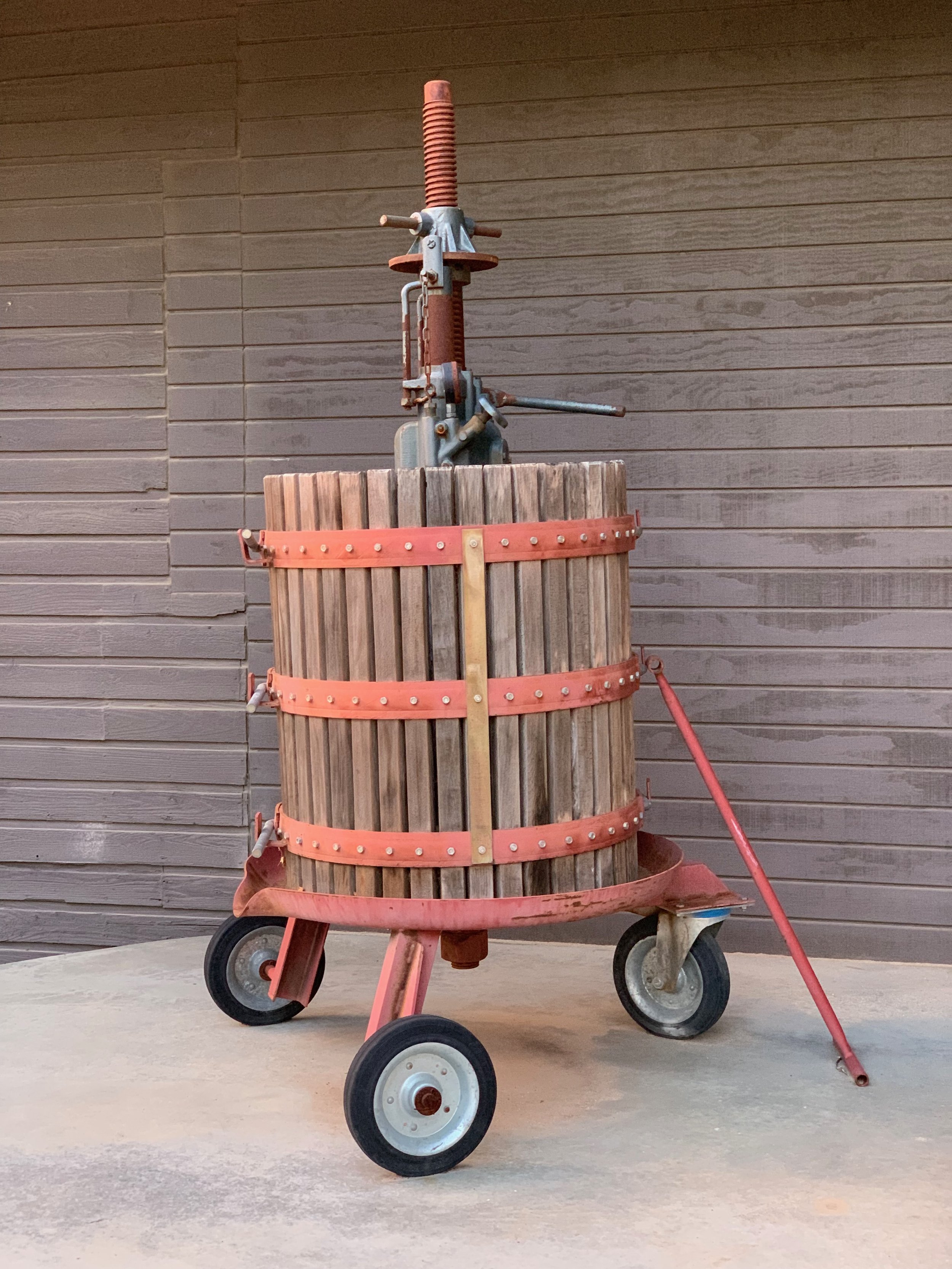
A Small Basket Press

As previously mentioned, wine making is a blend of art and science. Another aspect that is often regarded as an art form is choosing the method to use to press the grapes to extract the juice.

The wine press is thousands of years old. The first wine presses were found in what is now Armenia, where grapes were pressed with the feet. In ancient Egypt, Greece and Rome, presses became more technical and precise. Then, in the Middle Ages, the basket press was developed and its use became widespread.

Today there are three main types of wine presses: screw presses, bladder presses and basket presses.

Screw Press: A horizontal screw press consists of a horizontally enclosed cylinder, in which grapes are added. Inside the drum, there’s a rotating screw, which is applying pressure to the grape skins by plates from both ends. Because of the pressure of grapes against the sides, juices start to drain through the slated cylinder.

Bladder Press: A bladder press consist of a large horizontal cylinder closed at both ends. The grapes are fed from the top, through a pusher or from the side. Inside the rotating drum is a bladder that inflates with air and exerts pressure on the grapes. The juice then flows out through small openings on the sides of the cylinder.

Basket Press: The basket press (see photo above) works by pressing the grapes from the top and bottom. Grapes are placed inside a basket or a cage, then usually two half-moon blocks are placed on the top of the fruit. With the help of an iron ratcheting assembly, pressure is put on the blocks that squeeze the grapes, with juices flowing out from the sides.

The “art” of deciding which method to use comes from multiple factors:

  • Controlling the Style and Flavor: A gentle press extract can extract mostly juice while an aggressive pressing can extract more tannin, phenolics and bitter flavors from the skins and seeds (and stems if pressing whole clusters

    • A screw press can be the harshest

    • The bladder or pneumatic press and be more precisely controlled

    • The basket press can be slow, gentle and is often used for artisanal wines

Pressing the grapes isn’t just a pre-defined step in wine making. The wine maker carefully selects the method that best suits their style of wine making and the desired product. This is yet another aspect of the “art” of wine making. Cheers!

The Art of Wine Making: De-Stemming the Grapes versus Using the Whole-Clusters

As previously mentioned, wine making is a blend of art and science. Another aspect that is often regarded as an art form is choosing whether to de-stem the grapes for fermentation of leave them as whole clusters.

The choice between using whole clusters and de-stemming grapes can significantly affect the style, flavor and texture of the wine being produced. Winemakers often choose one method over the other based on their specific artistic preferences.

Whole cluster fermentation is a technique that involves fermenting the entire grape cluster, including the stems, skins and seeds. This process can offer several enhancements to the wine’s flavor, aroma, tannin structure, and complexity.

  • Flavor and Aromatics: Fermenting with whole clusters can impart subtle herbal, spicy, and earthy notes to the wine. These flavors can give the wine a slightly “greener” character, including hints of clove, mint, or even green peppercorn.

  • Tannin: Stems and seeds contain tannins, which are phenolic compounds that add structure and mouthfeel to the wine. By fermenting with whole clusters, the wine can develop greater tannin structure.

  • Complexity: Whole cluster fermentation promotes a greater flavor profile. The stems and seeds create greater interactions during fermentation, resulting in wines that can have depth and layers, often with more natural acidity.

Removing the grapes from the stems, while more work, can provide several advantages:

  • It allows for the fruit to control the flavors without the herbal or green notes that stems can impart. The resulting wine will typically be more fruit-forward. 

  • De-stemming also helps to control the extraction of tannins or other compounds. This results in a wine that can be more balanced with less astringency associated with using the whole stem. Hence, softer tannins.

So, whole cluster fermentation adds complexity, structure, and a broader range of flavors, while de-stemming a wine maker to focus on fruit purity and achieve smoother tannins. Both methods work, but the winemaker, using their creative and artistic talents, ultimately decide which method to use. Cheers!