Is Ordering the House Wine a Good Option?

Often in the past, ordering a glass of wine was as easy as saying "I'll have a glass of the house red" or "I'll have a glass of the house white."  House wines were very common at restaurants and met the needs and expectations of many diners.

Today, ordering a glass of wine can often be downright difficult or intimidating. Restaurants are offering today's wine drinkers a wide array of options, sometimes contained in a multi-page wine list made into a book.

During a recent dinner at a mid-range restaurant, a guest at the table asked the server for "a glass of your house red wine."  The server asked, "What type of wine are you interested in?"  Again, the guest simply stated they wanted "just a glass of red wine." The problem was that the restaurant didn't have a house wine. So the server suggested "Would like something like a Zinfandel or a Petite Sirah?"  The guest, becoming a bit frustrated with the situation, simply repeated, "I'd just like a glass of red wine." It made for a bit of an uncomfortable situation for the guest. Whether it was for lacking of caring, lack of knowledge of wines, or from pure intimidation, it didn't need to happen.

If you fall into a situation where you just want a glass of wine and you really don't care about the grape it's made from or where it's grown, you should first ask if there is a house wine available.  And while "House Wine" may sound very generic, they are wines that are produced and bottled for sale by a winery and ones that the establishment chooses to feature. They should reflect on the quality of the establishment. These wines are usually very drinkable, very affordable, and can be enjoyed before or with a meal.

But, there is another option. If you are just looking for a glass of wine, and a specific house wine is not available, simply ask your server what they'd recommend. Once they understand that you are looking for a house wine, they'll know you are looking for an affordable, easy to drink wine. The server should always be able to tell you about a popular wine that a lot of people are ordering or something they really like that is in your price range. Then, go with their recommendation. Worst-case, if you really don't like what they bring you, tell them and they'll bring something else.

Ordering a house wine can be a great option. Or, your server should be more than happy to help you by selecting a wine that you will enjoy and that will go well with the occasion or with your meal. Cheers!

What's a Good Wine to Buy?

It's a question that constantly comes up. "What's a good wine to buy?"  Or there are the related questions of "What wine should I drink?" or "What wine do you recommend?"  These are all great questions that are well intended whether from someone who knows little about wine or someone with significant experience with wines. And while my fundamental philosophy is that you should drink what you like, there are some guidelines when trying to identify wines that you may like.

One of the many keys to understanding wines and to determining what you might like is the characteristic of 'body.'  In general, wines get categorized into three groups: Light bodied, medium bodied and full bodied. While these categories may seem obvious to some, the subject of a wine's body is a bit difficult to explain. It takes time and wine tasting experience to gain a full appreciation. But let's give it a quick try.

The body of a wine is based on multiple things, but mostly how it feels in your mouth. Full bodied wines are typically described as big, bold and powerful, having more tannin and dark fruit flavors. On the other end of the spectrum, light bodied wines are usually considered delicate, with subtle flavors, and bright acidity.

The alcohol content of a wine also strongly influences a wines body. In general, a wine with an alcohol content below 12.5% is considered a light bodied wine. If the alcohol content is 12.5% to 13.5% it is considered medium bodied. And any wine with alcohol greater than 13.5% is considered full bodied (remember that by law a wine label must list it's percent alcohol, though it's usually in fine print). 

So next time we'll get into exploring more about light, medium and full bodied wines. Once you get an understanding and appreciation for these categories, it starts to help answer those questions regarding which wines to drink. And once we narrow things down to the best category for your palette, we'll then begin exploring specific wines in those categories and others with similar characteristics. Until then, Cheers!

Rosé Has Changed!

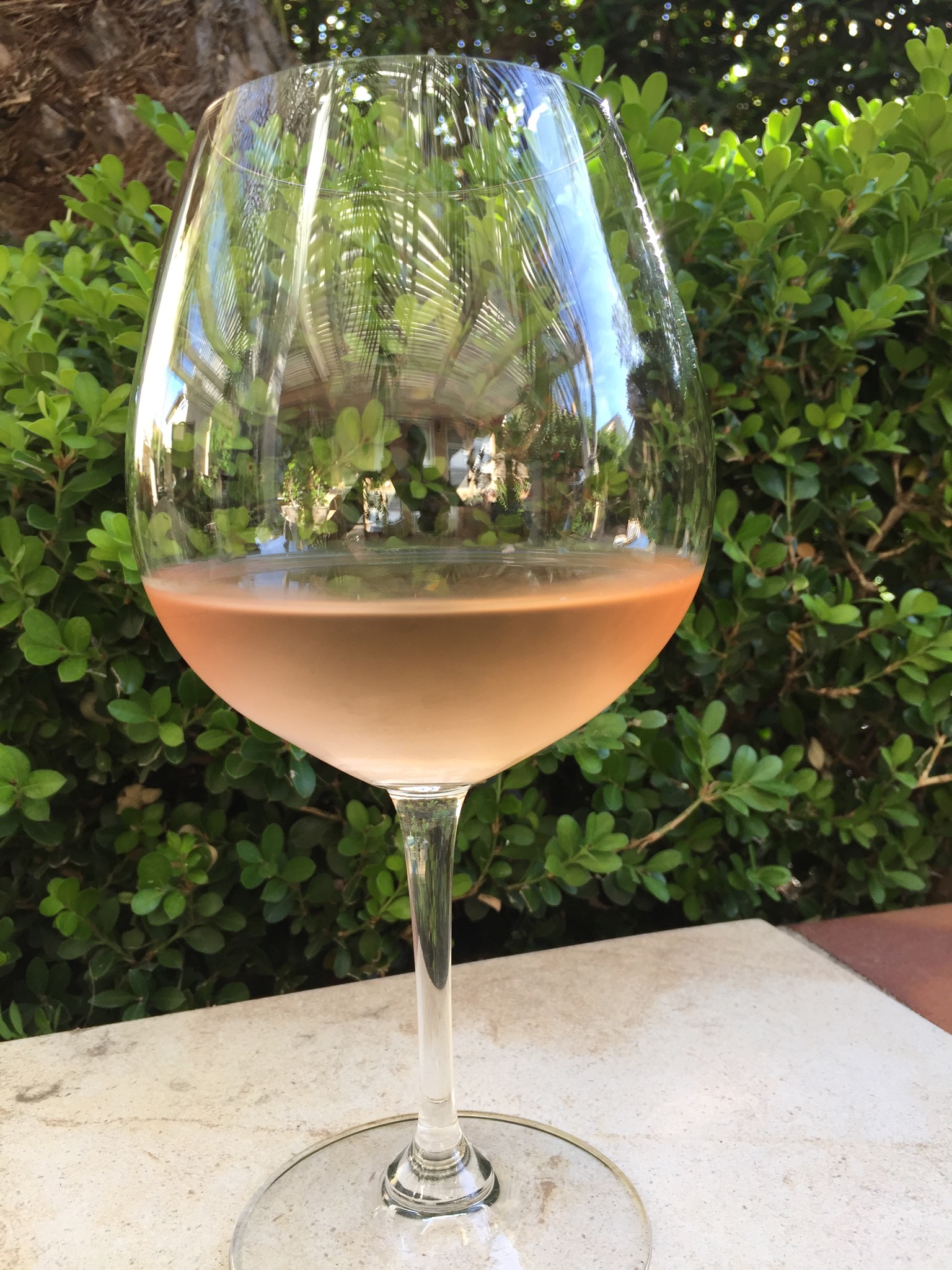
If you know of Mateus, Lancers and White Zinfandel, you probably know that these rosé wines are sweet. That's how I stereotyped all rosé until a few years ago. I was in the Russian River Valley in search of great Pinot Noir (and it's not hard to find one there!).  I visited a winery that included a rosé of Pinot Noir on the tasting menu.  Often I'll just skip to tasting the wines I'm interested in. But it was novel to see a rosé on a reputable winery's tasting menu, and the server highly praised it. So I tried it.  It was a game-changer.

White Zinfandel was probably what ruined my image of rosé wines.  It became widely popular 10-15 years ago. At that time, it was more like strawberry soda pop (hence its popularity). Not that there is anything wrong with strawberry soda or that style of white Zinfandel, it just wasn't anything like the dry wines that I typically enjoyed.  But that tasting of the Pinot Noir rosé at the winery was completely different. It was dry (i.e., not sweet) and had delicate flavors and a wonderful finish. For a dry wine drinker, like me, it was an amazing rosé!

Today you can find a lot of very nicely produced, dry rosés. Once an afterthought of wine making, rosé has now become the focus of wine makers.

And rosés are being well made around the world. Provence France is a region where rosé has always been a focus and produces excellent ones. But great rosés are also being produced in Spain from the Garnacha and Tempranillo grapes.  And Italy makes great rosé from Sangiovese, Barbera and Nebbiolo. And, yes, there are a lot of outstanding rosés being produced in California, Oregon and Washington from a number of grapes.

Another great thing about rosé is that it is very affordable, typically half the price of other wines. So get out there and try a dry rosé. It's changed. And it will change your opinion of rosé! Cheers!


What About Twist-Off Caps?

Now that we've explored the natural cork, the technical cork and the synthetic cork, it's time to address the twist-off cap. And don't you think 'twist-off' sounds so much better than 'screw cap?'  The twist-off wine seal has been around for at least 20 years, but it still struggles to gain acceptance.  OK, yes, it got its start on cheap bottles of wines, but does that make it a bad thing?  I think not, and here's why you shouldn't either.

Have you ever been somewhere away from home with a bottle of wine only to realize you don't have a cork screw?  Or, have you ever opened an older bottle of wine and experienced a crumbling cork that either came out in pieces or had to be pushed through into the bottle? These are the situations when I'm sure you'd gladly accept a twist-off cap.  But more than just these occasions, the twist-off wine bottle sealer is one that should be more widely embraced in general.  And leading the way on this front, the twist-off cap has been broadly embraced by greater than 90% of New Zealanders and more than 70% of Australians.  

Twist-offs have gained varying levels of acceptance with the wine-buying public, and actually provide a reasonable alternative to natural cork.

Wine is 'alive' in the bottle and minute levels of oxygen are necessary for it to 'live.' It's just a matter of how much oxygen. Natural cork can and does usually lead to a slow evolution in wines by allowing tiny amounts of oxygen into the bottle.  But a cork can sometimes allow too much oxygen into the bottle leading to oxidization of the wine resulting in an undesirable nutty flavor.  Inside the metal twist-off cap there's an inner plastic liner that provides the seal with the bottle.  This seal can actually be produced to allow a controlled level of 'breathe-ability' for wine makers.  This control would seem superior to the unknowns associated with natural cork.

Others may argue that pulling a natural cork is part of enjoying a bottle of wine or that cork produces richness in texture in a bottle of wine.  Maybe. But statistics show that wine frequently becomes tainted to some degree by chemical compounds found in cork.  Formally known as 2,4,6-Trichloroanisole (or TCA for short), this compound can result in a wine that smells like wet cardboard, or a wet dog. Not a pleasant bouquet when trying to enjoy a glass of wine.

Today, twist-offs are especially gaining acceptance for wines that are typically opened soon after production (whites wines such as Sauvignon Blanc, Riesling and Rosés).  And statistics show that most all wines are consumed very soon after purchase. So embrace the twist-off. It's a good thing. Cheers!


Behind the Cork™ Wine of the Week

Looking for an attainable, affordable wine?  You've come to the right place. Each week I feature just such a wine on the Behind the Cork™ Wine of the Week page of EverWonderWine.com. 

Please Note: This feature is being moved to a separate offering that will be posted on Wednesday each week.


Alternatives to Natural Corks

In recent posts we learned that cork comes from the bark of the Cork Oak and that the foil capsule covering the cork was originally put into place to protect the cork from insects and rodents.  So you might wonder is all this necessary today?  Aren't there viable alternatives to using natural cork as a means of sealing a bottle of wine?

The advantages of natural cork include its ability to compress and expand (it's malleability), its proven long-term ability keep a bottle sealed, its renew-ability (because, after all, corks do grow on trees!), and a cork does allow the bottle to 'breathe' and improve (sometimes) with age. 

On the downside, natural cork may be a renewable resource, but it is a limited resource as forests of Cork Oak continue to shrink around the world.  Additionally, cork is relatively expensive since the bark must be manually shaved off the trees and processed to make corks. Another downside to cork is that it is formed in nature and, therefore, its quality is variable. This variability leads to natural corks having different degrees of 'breathe-ability."  And finally, with a natural cork, there is a chance that a bottle of wine will become tainted by the cork (subject of a future blog).

So, what additional ways are there of sealing a wine bottle that do not involve natural cork?  Well the first alternative actually involves nature cork. To deal with cost and variability, 'technical corks' are produced by grinding up the scraps of cork bark that remain after corks are punched out of the bark, and this cork 'dust' is glued together, somewhat like particle board is produced. These technical or composite corks are less expensive to produce and more consistent in quality.

Another alternative to natural cork is synthetic cork. These 'corks' are made with polyethylene (plastic). These are cheaper to produce, do not use a limited natural resource, and do not lead to possible cork taint. Due to the fact that they don’t dry out, plastic corks are easier to take out the bottle and they won’t crumble into the wine. At the same time however, they are often harder to put back into the bottle because they are not as malleable as natural cork. And, because they are plastic, they are recyclable! Finally, synthetic corks are not for serious wine collectors who purchase wines for aging. This is because they do not allow the wine to 'breathe' while in the bottle.

The other alternative to natural cork is the hotly debated twist-off cap.  We'll get into this cork alternative next time. Cheers!


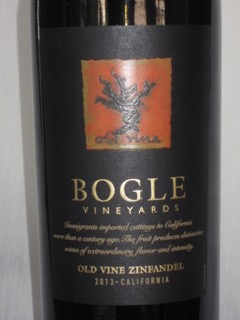
Behind the Cork™ Wine of the Week - Bogle Old Vine Zinfandel ($8)

Looking for an attainable, affordable wine?  You've come to the right place. Each week I feature just such a wine on the Behind the Cork™ Wine of the Week page of EverWonderWine.com. 

This week's wine is Bogle's Old Vine Zinfandel. This is a really nice wine and a great value. It's got intense fruit flavors without being a big 'jammy' Zinfandel. It is nicely oaked and smooth.  It pairs well with anything from the meat aisle, along with any other food with bold flavors.