Behind the Cork™ - The Seeker Riesling

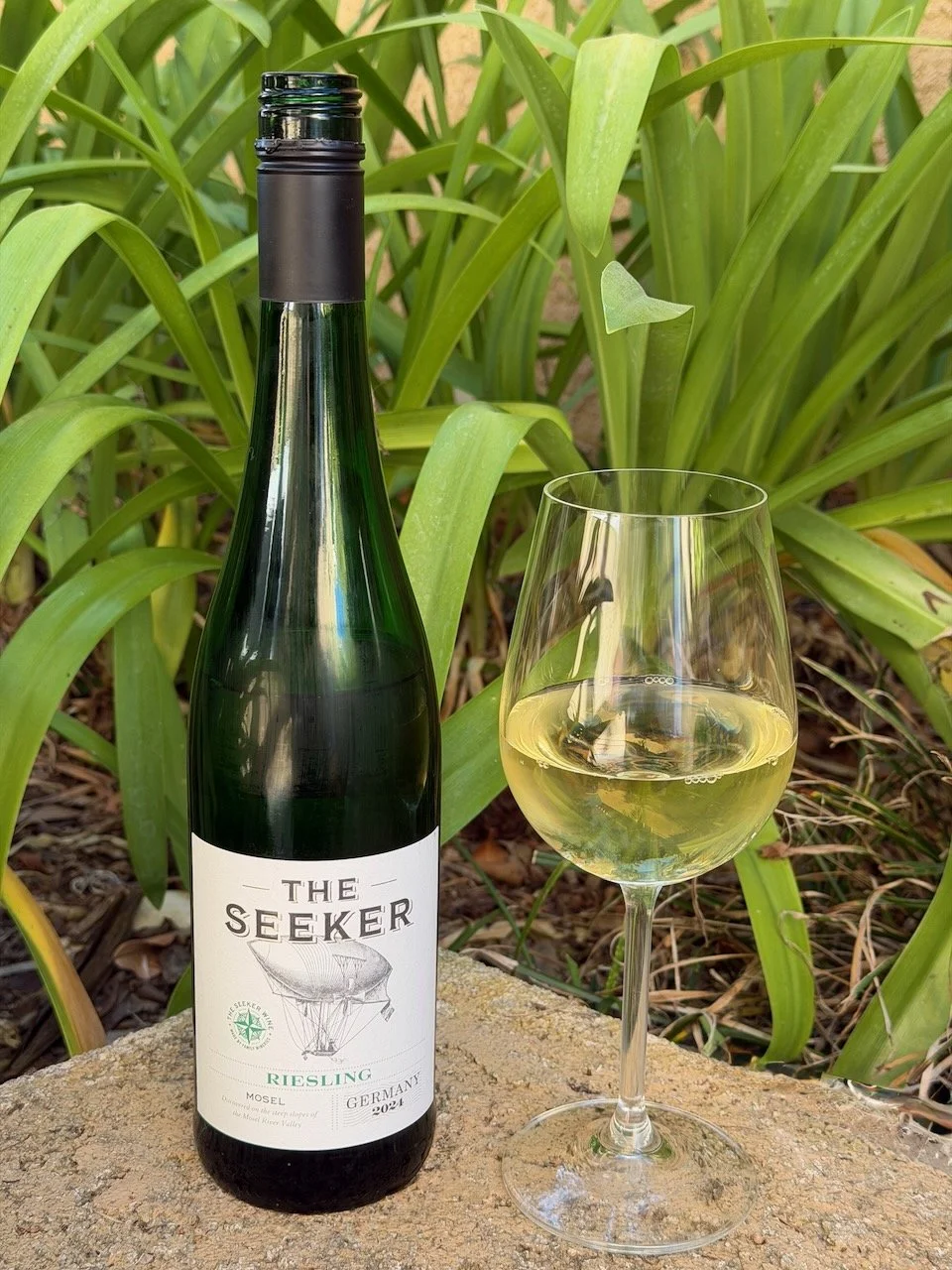
The Seeker Riesling ($14.99)
The Riesling grapes for this “The Seeker” wine were discovered by a husband and wife team in the famed Mosel Valley in Germany. This region features steep vineyard sites with fine, mineral-rich slate soil and perfect exposure to sun and wind.

The vineyards were 100% hand-harvested to ensure top-quality grape selection. Traditional wine-making methods were observed, with individual wine-pressing techniques passed down through generations. Vinification took place in stainless steel and oak casks over 4-6 weeks, followed by aging in tanks and oak casks for 3-8 months.

This 2024 The Seeker Riesling is pale gold in color with aromas that include citrus, green apple and floral notes. On the palate, this medium-light bodied wine is off-dry (some sweetness) with bright refreshing acidity and flavors of grapefruit and tropical fruits. It finishes with mouth-watering flavors that are great in warm weather or with spicy foods. [ABV: 11.69%, TA: 7.2 g/L, RS: 28 g/L]

The Seeker German Riesling is a real refresher that’s offered at a great price and widely available. That makes it a perfect fit as the Behind the Cork™ Wine of the Week. Cheers!


Disclosure of Wine Sample Submission: I received this sample at no cost for review. The opinions expressed are entirely my own.

Media Sample Provided by The Seeker Winery via Kobrand Wine and Spirits
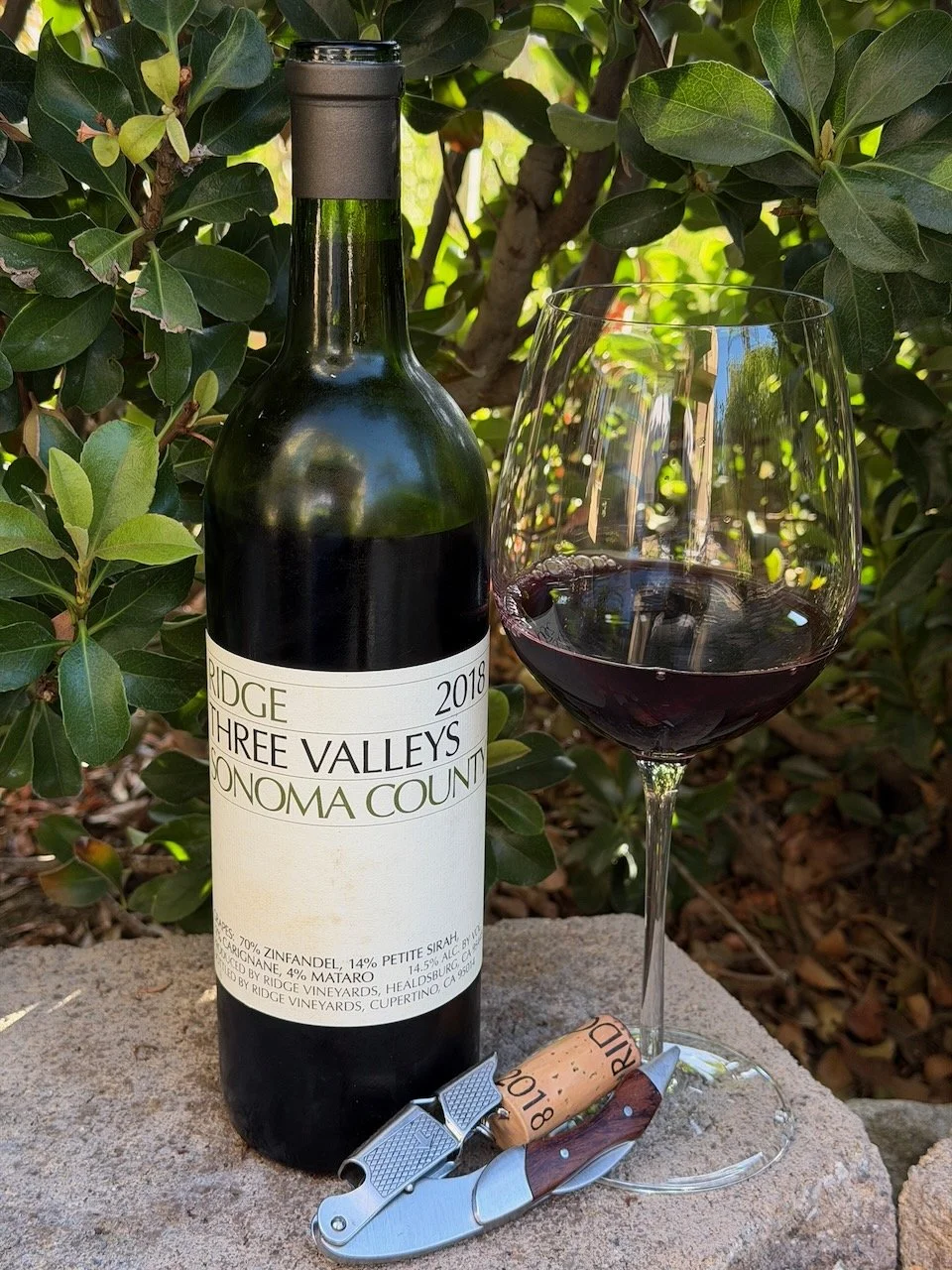
Behind the Cork™ - Ridge Three Valleys Red Blend

2018 Ridge Three Valleys Sonoma County ($30)

Ridge Vineyards was founded in 1959 when four Stanford Research Institute engineers—David Bennion, Charles Rosen, Hewitt Crane, and Howard Zeidler—purchased a mountainside property on the Monte Bello Ridge in the Santa Cruz Mountains. 

While winemaking on the site dated back to 1885, the partners produced their first small vintage of "Estate" Cabernet in 1959 and officially re-bonded the winery for the 1962 vintage.

Ridge Three Valleys red blend is produced from 70% Zinfandel, 14% Petite Sirah, 12% Carignane and 4% Mataro (a.k.a. Mourvedre).

The “Three Valleys” name comes from the fact that the grapes came from vineyards in Alexander Valley, Dry Creek Valley and Sonoma Valley.

Each lot of grapes was fermented for nine days on their skins followed by aging for 10 months in oak.

This 2018 Ridge Three Valleys red blend is medium ruby in color with aromas of dark fruit and dried herbs. On the palate, this medium-full bodied wine has rich black and red fruit flavors including black berry, black plum, raspberry and a hint of strawberry and red cherry. Although a 2018, it still had good tannin and medium acidity. It was a bit jammy with soft, smooth sweet-fruit flavor (not sweet, but invoking sweet fruit flavors).

Ridge is a dependably great winery and this 2018 Ridge Three Valleys red blend lives up to the Ridge reputation. A wonderful fit as this week’s Behind the Cork™ Wine of the Week. Cheers!


The opinions expressed are entirely my own.

Behind the Cork™ - Carmen Gran Reserva Cabernet Sauvignon

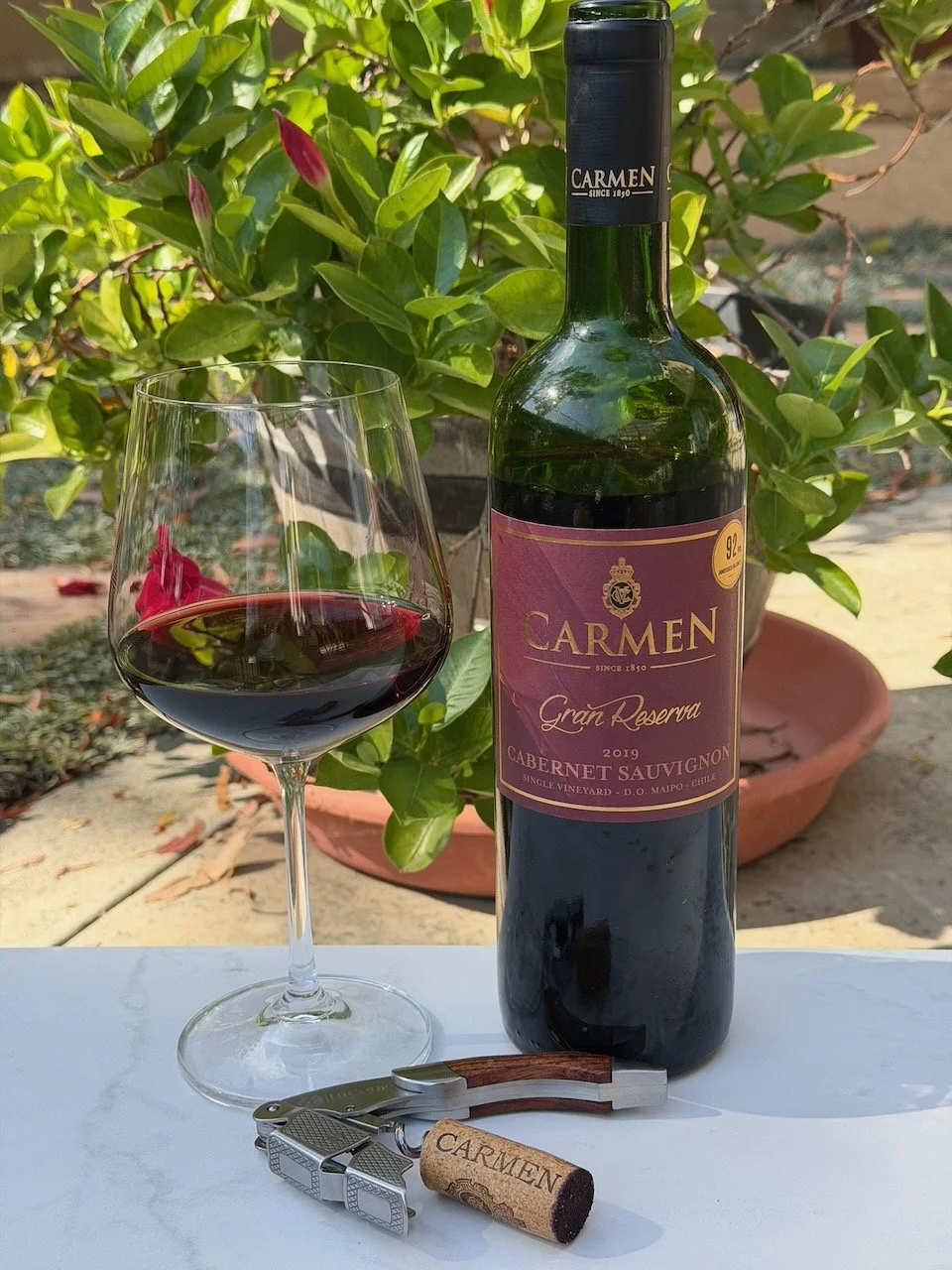
2019 Carmen Gran Reserva Cabernet Sauvignon ($14.99)

Viña Carmen was founded by Christian Lanz in 1850 and named in honor of his wife. The winery, located in Chile, now has more than 160 years of history having been the first and now oldest winery. In 1987, Viña Carmen became part of Grupo Claro. In 1994, the wine grape Carmenere was re-discovered in one of the Carmen vineyards in the Alto Maipo Valley. The Carmenere grape was long thought to be extinct after having been infected with phylloxera in the mid-19th century. But, this find returned Carmenere to the world.

Carmen wines come from Maipo Valley, Apalta Valley, Leyda Valley, Casablanca Valley and the Colchagua Valley.

This Cabernet Sauvignon is from a single vineyard in Alto Maipo Valley containing 20 year-old vines. It was produced from 100% Cabernet Sauvignon that underwent a cold soak for 10 days before fermentation to draw out color and aromatics. Fermentation occurred in stainless steel tanks, to retain the fruit flavors, for 14 to 22 days. The wine underwent malolactic conversion, to soften the sharp acids, before being aged for 12 month (making it a “Gran Reserva”) in French oak barrels.

Carmen Gran Reserva Cabernet Sauvignon is deep purple in color with aromas of red fruit, plum and black currant. On the palate, this full-bodied wine has bold flavors of dark fruit, good acidity, big “dusty” tannins (i.e., fine, dry, and powdery) and finishes with a bit of tartness.

This 2019 Carmen Gran Reserva Cabernet Sauvignon is a really nice wine from the Maipo Valley in Chile. And, it is very affordable. That’s a fit as this week’s Behind the Cork™ Wine of the Week. Cheers!


The opinions expressed are entirely my own.

Behind the Cork™ - Zaca Mesa Z Cuvee

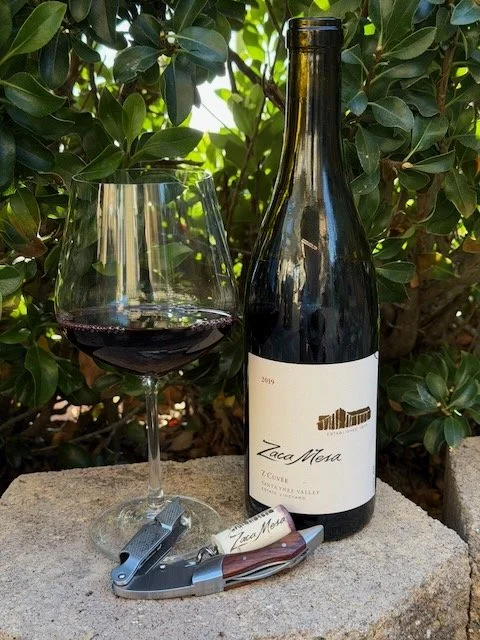
2019 Zaca Mesa Z Cuvée ($15)

Zaca Mesa Winery & Vineyards was founded in 1973 by John Cushman and five friends, who purchased the property the year prior.

As the third winery established in Santa Barbara County, experimentation was an integral part of Zaca Mesa’s early days. Several different varieties were planted to see which grapes would be the best suited to the estate’s unique terroir. After many trials, Zaca Mesa’s first winemaker, Ken Brown, planted Syrah in 1978, establishing Zaca Mesa as the first to plant Syrah in Santa Barbara County. This block of Syrah remains the oldest Syrah block on the Central Coast and is now known as the Black Bear Block.

These grapes were purely estate-grown across unique blocks. Syrah comes from the high, flat tabletop of the Mesa Block (1,400 feet elevation). Grenache is harvested from the sloped, shale-loam soils of the Cushman Block. Old-vine Mourvèdre and Cinsault are selected from the Chapel and Mariposa blocks respectively.

Each of the four varieties was harvested, de-stemmed, and fermented separately. After primary fermentation, the separate lots were transferred into neutral French oak barrels. The wine rests in these barrels for 15 months. After the aging period, the winemaker blended the components together to create the exact 57% Mourvèdre, 29% Grenache, 11% Syrah, and 3% Cinsault ratio.

Zaca Mesa Z Cuvée (which means “blend”) is medium ruby in color with nice aromas of cherry and red currant. On the palate, this medium-full bodied wine has flavors of black cherry and boysenberry. The tannin is medium-low resulting in a wine that’s drinkable right out of the bottle and leads to a smooth, balanced and somewhat spicy finish. [ABV: 14%, TA: 0.59 gm/100 mL, pH:3.55]

This Zaca Mesa Z Cuvée is a really nice wine (I went back for more!) that’s a great value, too. That makes it a perfect fit as this week’s Behind the Cork™ Wine of the Week. Cheers!

Behind the Cork™ - Faustino Rivero Ulecia Reserva

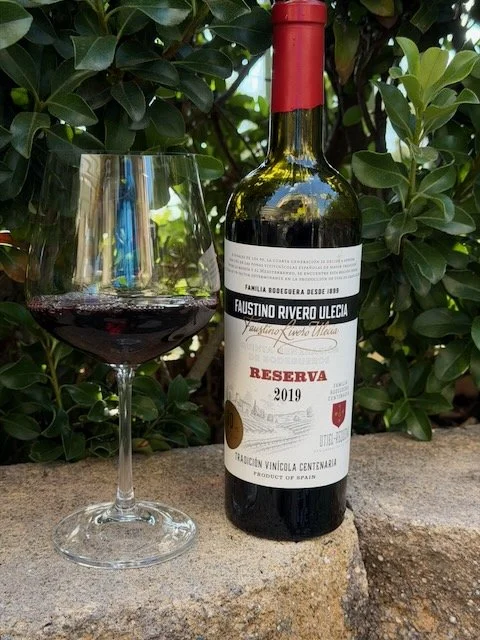
2019 Faustino Rivero Ulecia Reserva ($10.99)

Bodegas Faustino Rivero Ulecia is part of a five-generation winemaking family that started back in 1899.

The winery was founded in 1899 by Olegario Rivero. It operated locally for decades selling bulk wine. Then, in the 1940s, the winery, known as Bodega Rivero, was passed to the third generation: brothers Amador and Faustino Rivero. Faustino and his brother had the intuition that bottled, branded wine was the future. When the family finally purchased their first bottling machine and officially launched their signature label in the late 1960s, they named the winery in honor of Faustino. The name follows the traditional Iberian naming structure, combining paternal and maternal surnames to preserve family lineage: Faustino - The given first name of the pivotal third-generation winemaker. Rivero - The paternal family surname, and Ulecia - The maternal surname introduced into the family line.

To produce this wine, the estate relies on their "soul winemaker," Rodrigo Espinosa. Espinosa used a unique regional blend of 75% Bobal and 25% Tempranillo for this red blend. To achieve the "Reserva" status, he aged the wine for 24 months in medium-toasted French and American oak barrels, followed by bottle aging for a total of 36 months before shipping.

This Faustino Rivero Ulecia Reserva is medium ruby in color with aromas of red fruit. On the palate, this medium-bodied wine has flavors of cherry, black cherry and plum. Its tannins and acidity are medium-high, but the oak aging does not add heavy flavors. While good right from the bottle, it could use 30 to 60 minutes in a decanter.

This 2019 Faustino Rivero Ulecia Reserva from Spain is a tremendous value that makes it a great fit as this week’s Behind the Cork™ Wine of the Week. Cheers!