Behind the Cork™ - Domaine Bousquet Sparkling Wines

Domaine Bousquet is located in the Gualtallary Valley, a scenic, remote, arid terrain high in the Tupungato district of the Uco Valley in Argentina’s Mendoza region, close to the border with Chile. With altitudes ranging up to 5,249 feet, Gualtallary occupies the highest extremes of Mendoza’s viticultural limits. Having purchased the bare land in 1997, today, Domaine Bousquet has a striking modern winery, complete with a hospitality area and restaurant, and the property accounts for 667 acres planted under vine.

Domaine Bousquet is Argentina’s largest exporter of wines made from certified organic grapes. All wines are made from 100% certified organic fruit. They are known for producing a wide range of premium red, white and rosé wines, in addition to these two wonderful sparkling wines.

Méthode Traditionnelle Brut Rosé ($18)

This Brut Rosé sparkling wine is produced from 75% Pinot Noir and 25% Chardonnay (two of the traditional grapes used in Champagne). The grapes are manually harvested and undergo cold maceration for 24 hours before being fermented for 15 days. After six months of aging on lees, the second fermentation takes place in the bottle in the traditional method.

This sparkling rosé is pale copper in color with dusty aromas of tropical fruits and citrus. On the palate it is subtle grapefruit flavor, good acidity and so of a sweet/tart finish.

ABV = 12%, Total Acidity = 8.75 g/L, pH = 3.05, Residual Sugar = 8.1 g/L

Méthode Traditionnelle Brut ($18)

This Brut sparkling wine is produced from 75% Chardonnay and 25% Pinot Noir, just the reverse proportions of the sparkling rosé. The grapes are manually harvested and undergo cold maceration for 24 hours before being fermented for 15 days. After six months of aging on lees, the second fermentation takes place in the bottle in the traditional method.

This sparkling brut is pale gold in color with faint aromas of yellow apple and almond. On the palate it has delicate flavors of tropical fruit, good acidity and a pleasant aftertaste.

ABV = 12%, Total Acidity = 8.92 g/L, pH = 3.05, Residual Sugar = 8.1 g/L


These two sparkling wines from Domaine Bousquet are perfect for celebrating the holidays and affordably priced, making them this week’s Behind the Cork™ Wines of the Week. Cheers!


Disclosure of Wine Sample Submission: I received these samples at no cost for review. The opinions expressed are entirely my own.

Media Samples Provided by Domaine Bousquet and Origins Organic Imports

Behind the Cork™ - C'EST LA VIE Pinot Noir-Syrah

2021 C’EST LA VIE Pinot Noir + Syrah Blend ($13)

C’EST LA VIE wines “invites you to simply take life as it comes.”

C’EST LA VIE wines are imported from the Pays d’Oc IGP in Southern France. This region covers all the wines that are not made under the strict laws that govern the AOC-level appellations in France.

C’EST LA VIE “lends a touch of impertinence and daring as it brings its flavor to those spontaneous moments shared over a good glass of wine. It exemplifies a laid-back, informal way of life that the South of France celebrates.”

This Pinot Noir/Syrah wine is made from 60% Pinot Noir and 40% Syrah - an unusual blend. But they state that “C’EST LA VIE’s strength lies in the originality of its blends. Who other than C’EST LA VIE would dare to blend varietals as seeming different as Pinot Noir and Syrah?” But it works. And it really works quite well!

This wine is medium ruby in color with the expected delicate red-fruit aromas of Pinot Noir but also with some additional notes of dark fruit from the Syrah. On the palate it also has the expected flavors of cherry and cranberry from the Pinot Noir but the Syrah adds some deeper, richer fruit flavors. It has medium tannin and acidity and finishes with light tartness of cranberry.

This is a very versatile wine that is great by itself and will work with most foods. And, at this price, it’s a perfect fit as this week’s Behind the Cork™ Wine of the Week. Cheers!


Disclosure of Wine Sample Submission: I received this sample at no cost for review. The opinions expressed are entirely my own.

Media Sample Provided by Albert Bichot Wines

Behind the Cork™ - Carmenere Wine of Chile (Part 3 of 3)

Carménère (kar-men-nair) is a wine grape whose name is derived from the French carmin (meaning crimson). It was a grape that was thought to be nearly extinct. In 1994, fewer than 25 acres of Carménère remained in France’s Médoc, Bordeaux. But that all changed when it was discovered that an estimated one-third of what had been thought in Chile to be Merlot was actually Carménère. Carménère rose from near worldwide oblivion following the phylloxera crisis that had swept through the Médoc to now representing a country on the global stage: Carménère became synonymous with Chile.

Here are the final two in this series of Carménère wines from Chile…

2020 TerraNoble CA2 Costa Carménère ($36)

The Carménère grapes for this wine were grown in the Lolol vineyard that is located in the Colchagua Valley in Chile. The Lolol vineyard is located 25 miles from the ocean in the Chilean Coastal Mountain Range.

This 100% Carménère was cold macerated for 10 days. Fermentation took place for 8 to 12 days, then a post fermentative maceration of about two weeks. The wine was racked directly into French oak barrels and untoasted foudres where it underwent malolactic conversion and 16 months of aging.

This wine is deep ruby in color with medium-high aromas of black fruit and green pepper. On the palate, this medium-full bodied wine has spicy and rich dark fruit flavor with subtle notes from the oak. It finishes smooth and easy.

2020 Montes Wings Carménère ($55)

The grapes for this wine were grown in the Colchagua Valley, at on the winery’s Finca de Apalta estate. The vineyard is located on steep slopes, 650 feet above the valley floor. Some areas show the pronounced influence of the nearby Tinguiririca River, while others are more alluvial, featuring eroded material from the mountain tops that ring the valley.

This wine is produced from 85% Carménère and 15% Cabernet Franc that were cool macerated for 5-7 days followed by 12-15 days of fermentation before aging for 16 months in new French oak barrels (80%) and second- and third-use barrels (20%).

This wine is deep ruby in color with rich and complex aromas of black fruit, subtle herbs and hints of oak. On the palate, this medium-full bodied wine has deliciously rich dark fruit flavors, great complexity, easy tannin and a smooth and lingering fruit finish.

These two wines are excellent examples of Carménère wines that are being produced in Chile and are this week’s Behind the Cork™ Wines of the Week. Cheers!


Disclosure of Wine Sample Submission: I received these samples at no cost for review. The opinions expressed are entirely my own.

Media Samples Provided by TerraNoble and Montes Wines

Behind the Cork™ - Carmenere Wines of Chile (Part 1 of 3)

Carménère (kar-men-nair) is a wine grape whose name is derived from the French carmin (meaning crimson). It was a grape that was thought to be nearly extinct. In 1994, fewer than 25 acres of Carménère remained in France’s Médoc, Bordeaux. But that all changed when it was discovered that an estimated one-third of what had been thought in Chile to be Merlot was actually Carménère. Carménère rose from near worldwide oblivion following the phylloxera crisis that had swept through the Médoc to now representing a country on the global stage: Carménère became synonymous with Chile.

Here are two very nice Carménère wines from Chile…


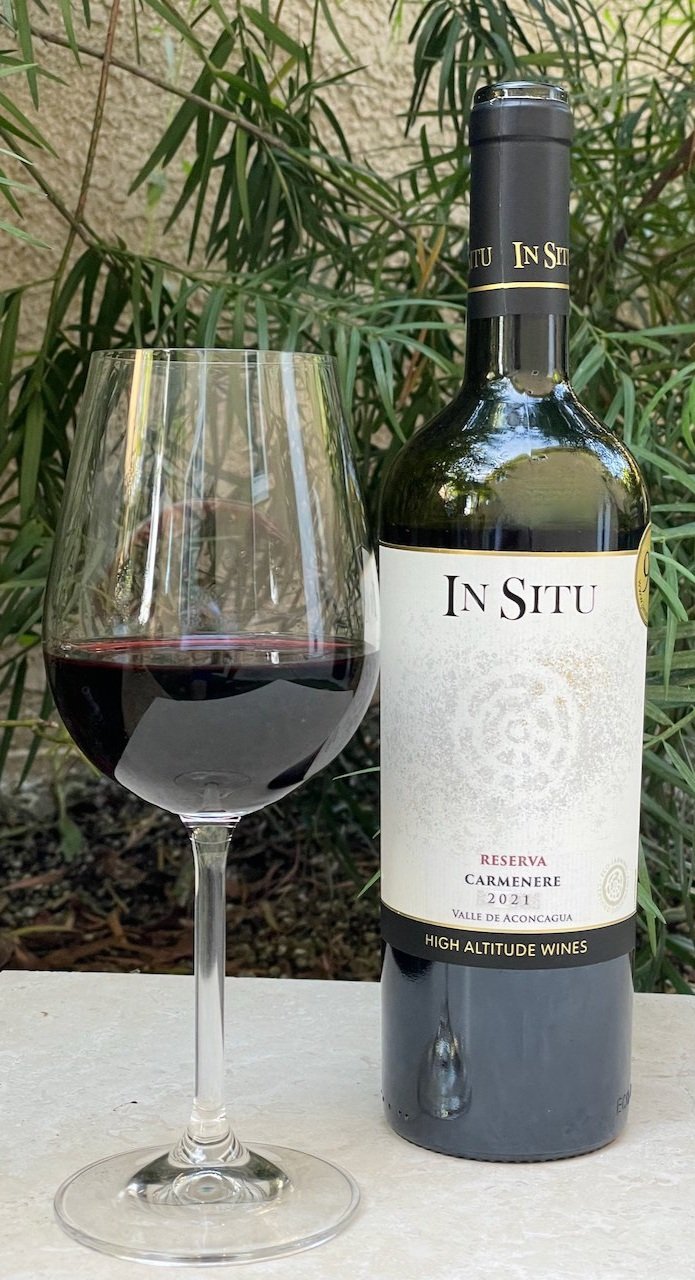
Viña San Esteban In Situ Carménère Reserva ($13)

This In Situ Carménère comes from the slopes of Paidahuen hill (3000 ft above sea level) and from the riverbanks of the Aconcagua River, just north of Santiago in Chile. It is produced from 95% Carménère and 5% Cabernet Sauvignon. It was macerated for 18 days and then aged in 50% French and 50% American oak barrels for 12 months (well beyond the 6-month requirement for a Reserva wine). After the bottling, it was aged for at least 3 additional months before release.

This In Situ Carménère is deep ruby in color with aromas of deep red and black fruit with some herbal notes. On the palate this medium-bodied wine has rich black cherry and black plum flavors, and subtle oak nuances. The fruit of this wine is prominent on the front and easy on the finish. (ABV=13%, Total Acidity=5.42 g/L, pH=3.55, Residual Sugar=3.4 g/L).


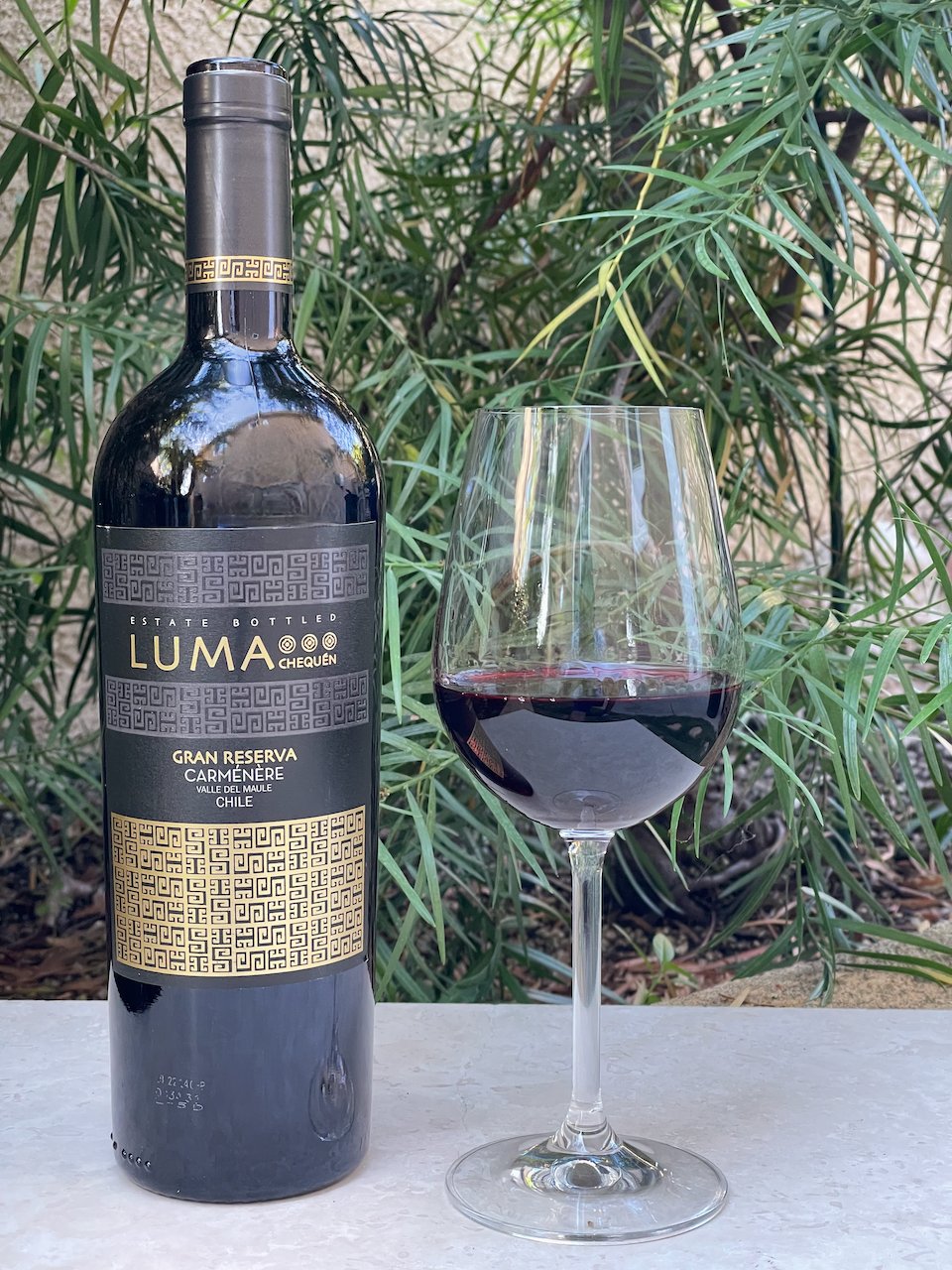
Luma Chequen Gran Reserva Carménère ($17)

This Luma Carménère is from the dry Mediterranean climate of the Valle del Maule, which is 155 miles south of Santiago, Chile. The temperatures there are moderated by the proximity to the cool Pacific Ocean. It is produced from 100% Carménère that is cold macerated for 5 days, then fermented in stainless steel tanks for 10 days. It was then aged for barrel for 12 months.

This Luma Carménère is deep ruby in color with subtle fruit aromas and herbal notes of bell pepper and spices. On the palate, this medium-bodied wine has rich flavors of black berry and black plum, it has soft tannin and is well balanced. It has a nice lingering finish. (ABV=13.9%).

These are two nice examples of the Carménère being produced in Chile. And, at these prices, they are a great value! Hence, these two Carménère wines from Chile are this week’s Behind the Cork™ Wines of the Week. Cheers!


Disclosure of Wine Sample Submission: I received these samples at no cost for review. The opinions expressed are entirely my own.

Wines Provided by InVina Wines and InSitu Family Vineyards

Behind the Cork™ - Art of Earth Cabernet Sauvignon by Mack & Schuhle

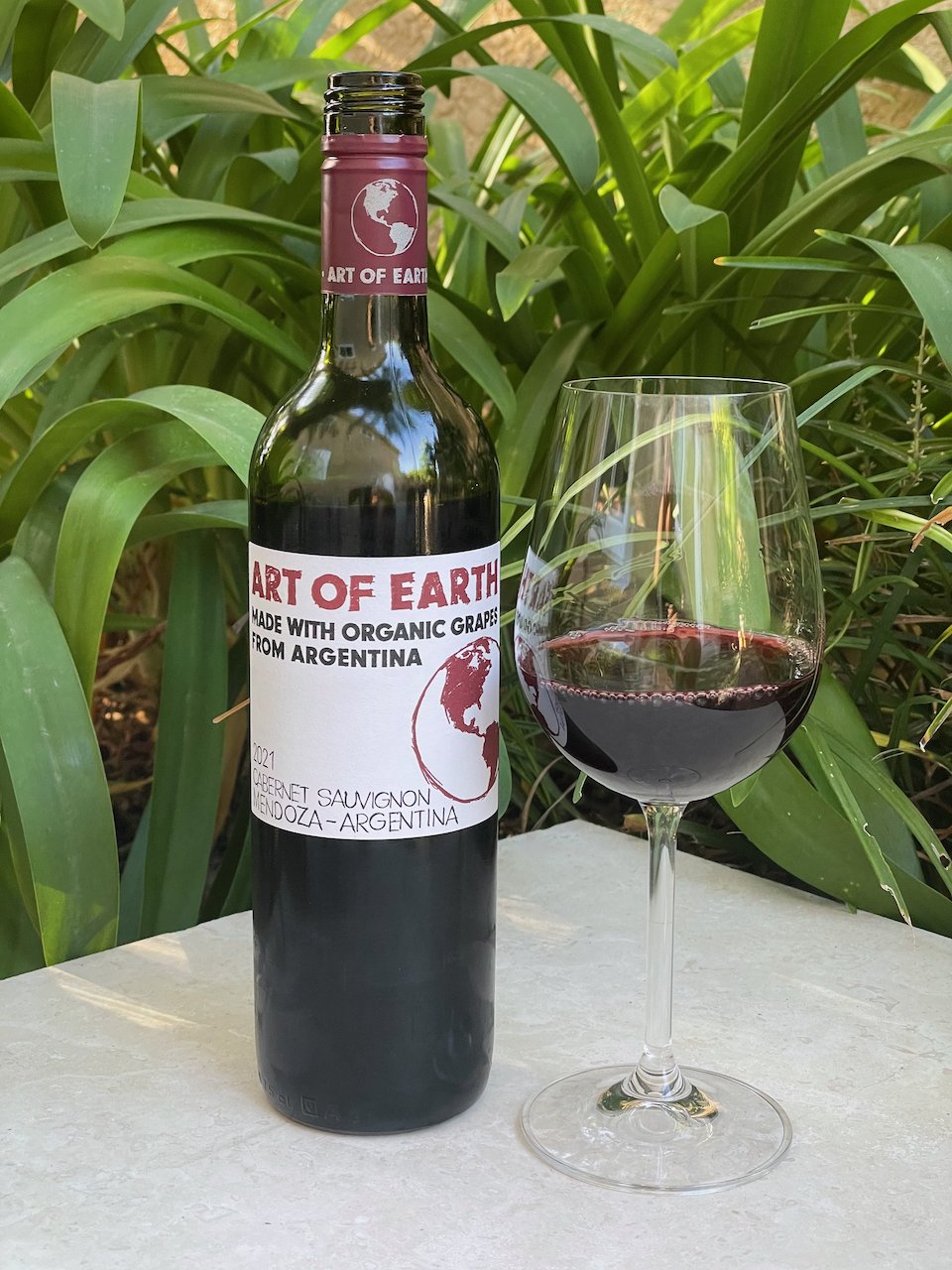
2021 Art of Earth Cabernet Sauvignon by Mack & Schühle ($11.99)

One of the largest and most important viticultural groups in the world, the Mack & Schühle organization includes 29 cooperatives and around 5,000 winegrowers, managing more than 60,000 acres of vineyard plantings located throughout the top growing regions of Mendoza and San Juan in Argentina.

Art of Earth organic wines are true to their origins and winemaking traditions without the use of pesticides or herbicides. This Art of Earth Cabernet Sauvignon comes from Mendoza Argentina. The organic vineyards are located at 2300 to 2600 feet in elevation. The presence of the Andes Mountains, which act as a barrier to the humid winds of the Pacific, along with the distance to the Atlantic Ocean, generating ideal conditions for the cultivation of vines.

This Art of Earth Cabernet Sauvignon is produced with 100% Cabernet Sauvignon grapes that are both fermented and undergo malolactic conversion in stainless steel tanks - it sees no oak aging. It is medium ruby in color with black fruit aromas. On the palate, this full-bodied Cabernet has big red and black fruit flavors, firm tannin and balanced acidity. This young Cabernet Sauvignon should be decanted for a least an hour for best enjoyment.

This Mack & Schühle Art of Earth Organic Cabernet Sauvignon is available throughout most of the U.S. and, at $11.99, is a great value as this week’s Behind the Cork™ Wine of the Week. Cheers!


Disclosure of Wine Sample Submission: I received this sample at no cost for review. The opinions expressed are entirely my own.

Imported by Mack & Schühle