
A Tour of Wine Grapes: Chenin Blanc

Chenin Blanc

Chenin Blanc is a white wine grape variety that has been cultivated in France for nearly 1300 years. It is most commonly associated with France's Loire Valley.

French documents first mention Chenin Blanc as early as the year 845, and the variety has appeared in various parts of the Loire Valley under a multitude of synonyms since.

Today, just over half of the world’s production of the Chenin Blanc grape is from South Africa with approximately a third being grown in France.
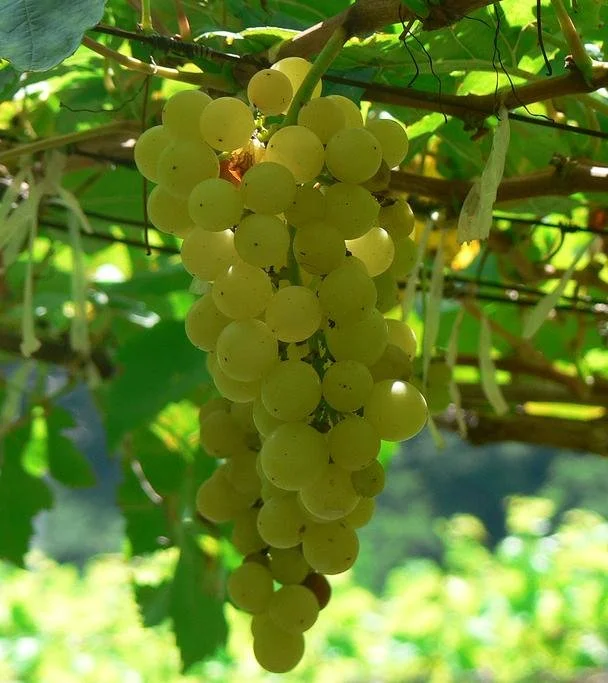
Its high acidity levels mean it can be produced in a number of different styles: As (1) a sweet, botrytis-affected dessert wines, (2) light, honeyed sparkling wines and (3) as full-bodied, still white wines.

(1) The sweet, botrytis dessert wines are most famously from Sauternes, France. (2) Light honeyed sparkling wines are often from France including Vouvray Pétillant and Crémant de Loire. (3) Full-bodied still wines are produced around the world including South Africa, France, the United States, Argentina, Australia, and New Zealand.

The grape fell out of fashion somewhat in the early 20th Century, but renewed interest in the 1980s reinvigorated Chenin Blanc's position as a classic and noble grape variety.

Wines produced from Chenin Blanc grapes exhibit aromas of quince and yellow apple. They can also have a waxy or oily scent along with lemon zest and in warm climates, aromas of guava, pineapple and pear.

Flavors of Chenin Blanc include green apple, quince, pear and lemon. Warm climate wines (e.g., South Africa) have tropical flavors of pineapple, guava, mango and peach. If aged in oak, Chenin Blanc can take on flavors of vanilla, caramel, butterscotch and nutmeg.

Because of Chenin Blanc’s high acidity, it is very age-worthy. Dry Chenin Blanc wines can be aged 10-20 years.

Chenin Blanc should be served in the range of 45 - 55 °F with un-oaked wines being served cooler than oaked wines. Use a standard tapered rim glass.

Young wines can be decanted for 30 minutes to help soften the “steely” acidity.

It's Summer! Time for Some Light and Refreshing Wines!

Summer is a great time to enjoy light, refreshing wines.

Light wines are versatile and can be enjoyed on their own as a refreshing drink or paired with a wide range of summer dishes, from salads and grilled vegetables to seafood and lighter meats and they won’t overpower the flavors of lighter summer foods.

Many light wines have lower alcohol content. This can be preferable in hot weather as they are more thirst-quenching and more likely to leave you refreshed.

The flavor profiles of light wines, such as citrus, green apple, and floral notes, just shout freshness which is especially appreciated during the warm summer months.

Summer foods tend to be lighter and fresher. So, light wines will complement these foods well and enhance their flavors.

When choosing a wine for summer, consider lighter styles, lower alcohol content, and wines that can be served chilled. These characteristics make them ideal for enjoying on a warm day or pairing with seasonal cuisine.

Here are just a few wines that are perfect for summer:

  • Rosé - Rosé wines come in various styles from dry to sweeter options. They can have flavors ranging from red berries to citrus, making them extremely versatile and a refreshing option.

  • Sparkling Wines - Sparkling wines go with almost any food. But, the chilled bubbles make them especially fit for summer. Prosecco, a sparkling wine from Italy, is light, fruity, and often slightly sweet. It's perfect for summer celebrations.

  • Sauvignon Blanc - This seems to be the go-to wine of summer with bright, refreshing acidity and fresh fruit flavors of citrus, green apple, and sometimes tropical fruits like passion fruit or pineapple.

  • Chenin Blanc - This is another light, refreshing wine that offers crisp acidity with flavors of apple, pear, and honey.

  • Pinot Grigio/Pinot Gris - Also a go-to summer light-bodied wine with refreshing acidity. Its flavors can range from crisp citrus to stone fruits like pear or peach.