

Colombard (or Colombar)
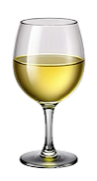
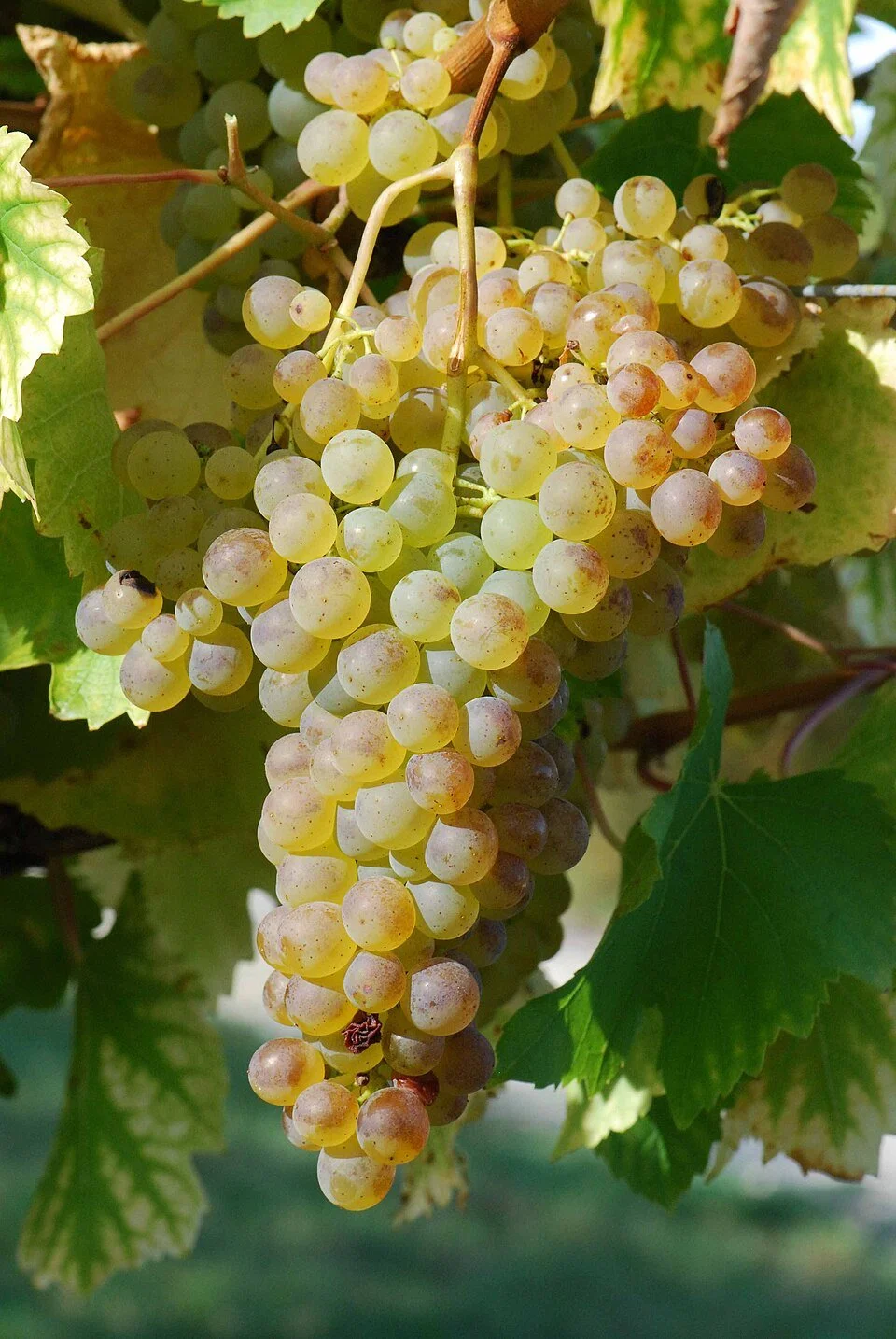
Photo from Pancrat on Wikimedia Commons
The name Colombard likely comes from the French word for dove, "colombe". Legend has it that the grape was so named because its white, dusty berries match the color of a dove's plumage.
It is a natural cross between Chenin Blanc and Gouais Blanc. This makes it a sibling to Chardonnay and Riesling.
Colombard was among the most-planted white grape varieties in France but is also found in California’s Central Valley, Texas as well as South Africa, Australia, Thailand and Israel.
Before Chardonnay took over in the 1990s, Colombard (often called "French Colombard" in the U.S.) was the most planted white grape in California.
Historically a "workhorse" grape in blending, it has played a major role in both distilled spirits (Brandy) and mass-market "jug wines.” For decades, it was the grape used in nearly every generic "Chablis" or "Hearty White" jug wine sold in the U.S.
But, in the recent past, French wine producers have began using Colombard to make white wine.
Typically light-bodied and crisp (acidic), it often features notes of green apple, lime, grapefruit, and white peach
Because of its neutral flavor and high acidity, it is frequently blended with more aromatic grapes like Sauvignon Blanc, Chardonnay, or Chenin Blanc.
Colombard should be enjoyed young and fresh but because of its high acidity, it can be aged 3 to 5 years with some premium versions being easily aged for 10 or more years.
Serve Colombard wines well chilled (45°F and 50°F) in a white wine glass with a U-shaped bowl.
No decanting necessary.