Behind the Cork™ - Finca Los Principes Rioja Gran Reserva

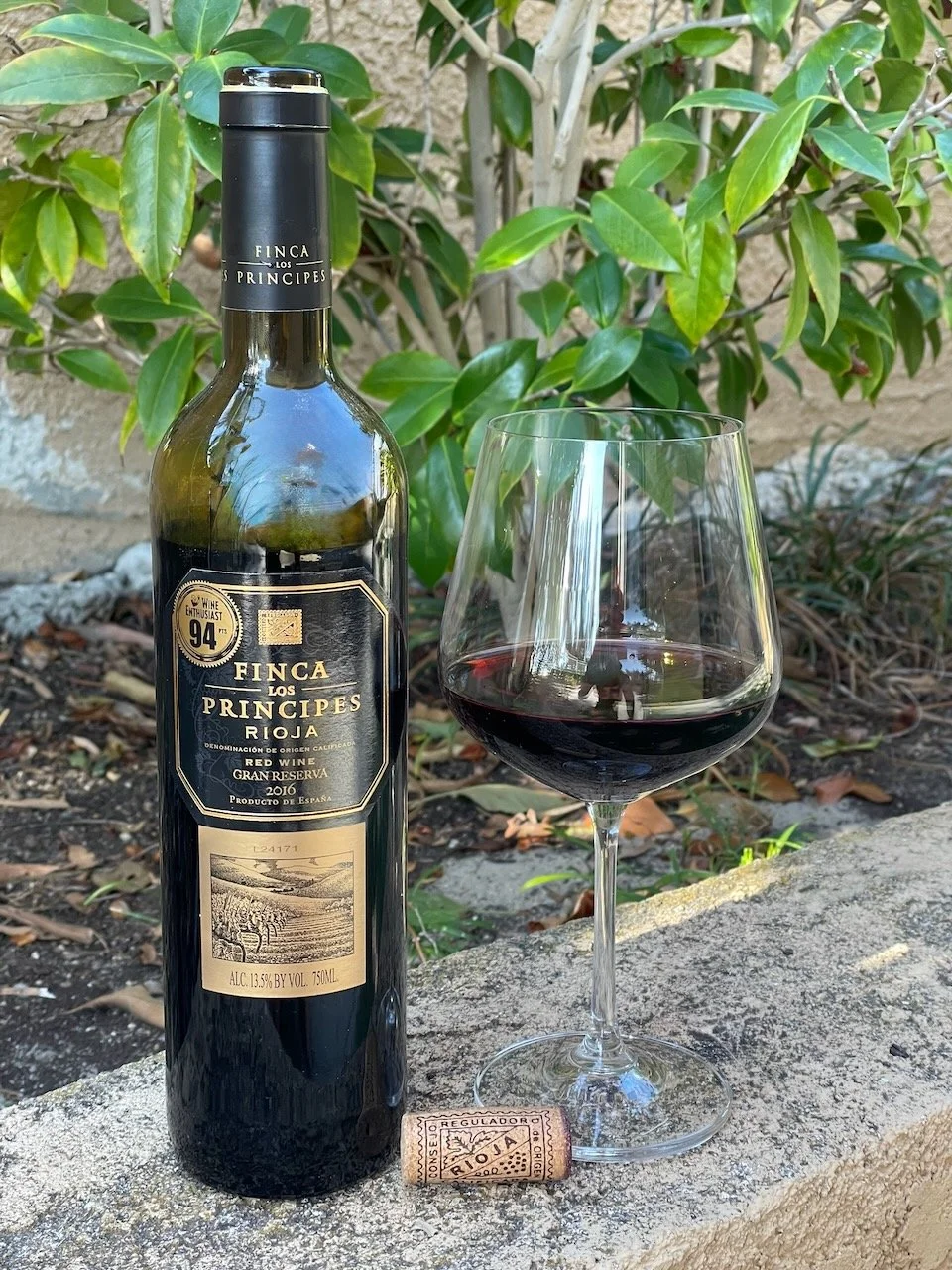
2016 Finca Los Principes Rioja Gran Reserva ($19.99)

FincaLos Principes” (The Princes) is a wine from the Spanish wine region of Rioja.

This wine is made from grapes grown in a historic vineyard in the foothills of the Cantabria Mountains that stretch across northern Spain. The winery has six generations of winemaking experience.

This Rioja wine is produced from 100% Tempranillo grapes. Per the standards for a “Gran Reserva,” it was required to undergo a minimum of five years of aging, with at least two of those years in oak barrels.

This Finca Los Principes Rioja Gran Reserva is a medium ruby red in color with big aromas of red fruit, oak and herbal notes including tobacco. On the palate, this is a medium-full bodied wine with nice flavors of red cherry, black cherry and fig. The oak aging leads to some subtle flavor of cocoa. This wine is medium-high in tannin and acidity and finishes a bit spicy with an every so slight tartness.

Gran Reserva wines from Rioja can be extraordinary. And, this Finca Los Principes is indeed. And, at this price, is a terrific fit as the Behind the Cork™ Wine of the Week. Cheers!

Ever Wonder? What Does it Mean for a Wine to be Described as Bright?

Photo by Noelia Vega on Unsplash

Have you ever heard or read about a wine being described as “Bright?” You may have wondered what this really means. So, let’s take a quick look at “bright” wines.

When someone describes a wine as "bright" they are referring to the fact that it has high acidity.

Wines with high acidity are also described as refreshing, crisp, and zesty on the palate — like biting into a green apple or a lemon. This acidity gives the wine a clean, sharp edge and makes it lively rather than what might be described as soft or heavy.

Bright Wines:

  • Usually light to medium body wines

  • They have fresh and vibrant flavors

  • They will often have tart fruit notes such as green apple, citrus, pineapple, cranberry or sour cheery

  • These wines leave your mouth feeling cool on their finish — it feels like it "cleans" your mouth after a sip

  • High-acidity wines will actually make your mouth salivate. That’s one of the key ways your body reacts to acidity in general, not just in wine.

    • Acidity in wine triggers your salivary glands, especially under your tongue and along your cheeks, to produce saliva

Here are just a few examples of wines that are high in acidity:

  • White Wines

    • Sauvignon Blanc

    • Pinot Grigio

    • Albariño

    • Vermentino

    • Pinot Grigio (a.k.a. Pinot Gris)

  • Red Wines

    • Barbera

    • Pinot Noir

    • Sangiovese (a key component in Chianti)

    • Gamay

“Bright” acidic wines are often enjoyed in warm weather but are also a great compliment to many rich and/or fatty foods. Cheers!

Behind the Cork™ - Puerta de Plata Red Blend

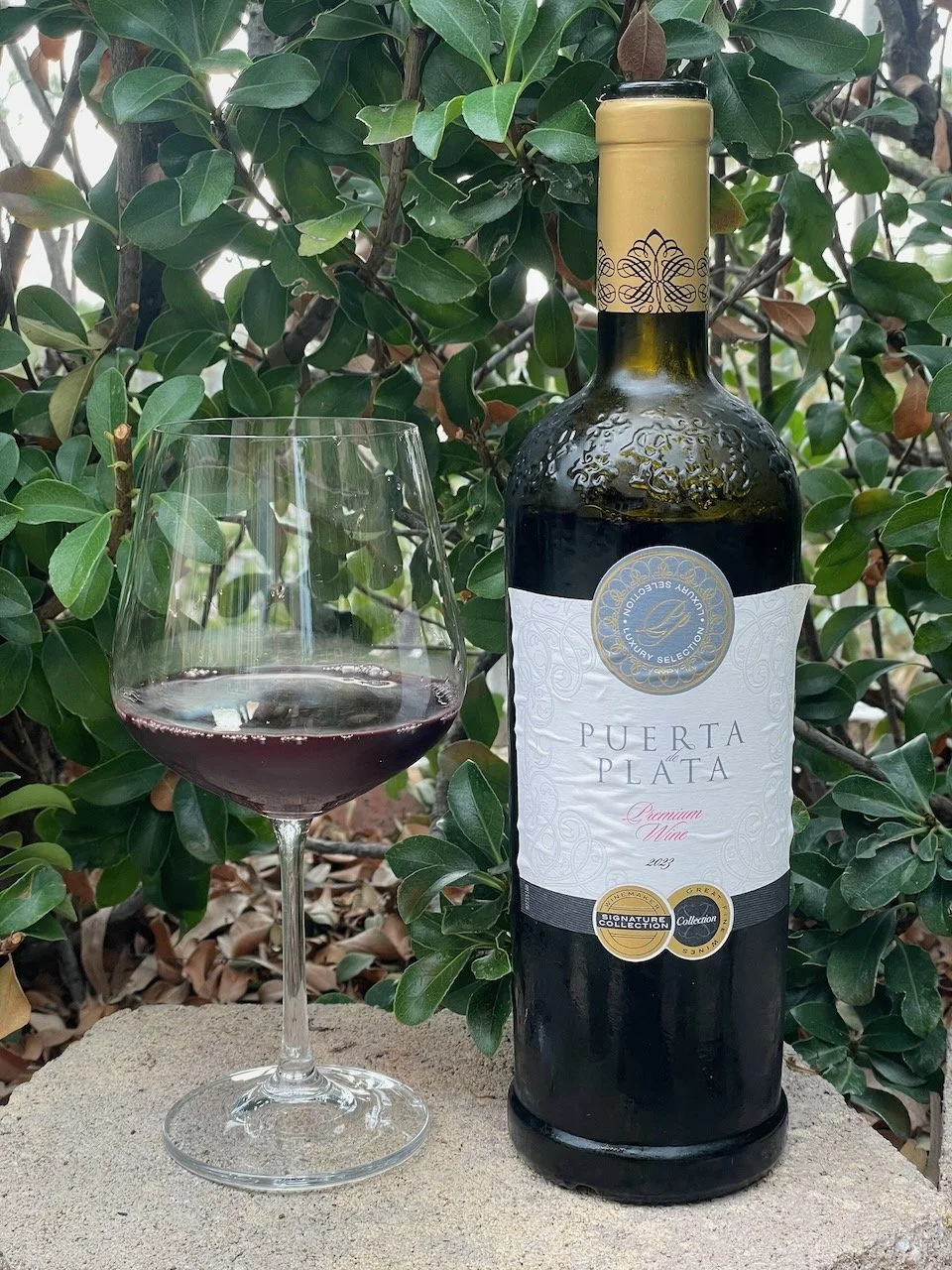
2023 Puerta de Plata ($7.99)

Puerta de Plata (i.e., Silver Door) wine is produced in Spain and bottled by Terra Cellars.

It is made from 60% Tempranillo and 40% Garnacha. A bit of on-line searching seems to indicate this wine was aged for 12 months in American and French oak.

This wine is medium ruby red in color with a nice aroma of cherry, along with herbal notes and some hints of its oak aging. On the palate, this medium-bodied wine has flavors of cherry (from the Tempranillo) and blackberry (from the Garacha). It has medium tannin and medium acidity that leads to a lightly spicy and slightly jammy finish.

It’s hard to beat this Puerta de Plata wine for its nice flavor and value. This makes it a great fit as the Behind the Cork™ Wine of the Week. Cheers!

Ever Wonder? What is a GSM Wine?

You may have come across a wine either on a wine list or on the store shelf that’s called a “GSM” and wondered what kind of wine it is. So, let’s take a look at this funny acronym wine.

A “GSM” wine refers to a blend of three specific grape varieties: Grenache, Syrah, and Mourvèdre. This blend was first developed in the Rhône Valley of France where it has been made for centuries. But today, it has also become popular in regions like Australia (especially in the Barossa Valley), California (especially Paso Robles), and other New World wine regions.

Here’s a quick breakdown of the three grape varieties that make up a GSM blend:

  • Grenache (Greh-NAHSH): Known for its red fruit flavors, such as strawberry and raspberry, and often has a spiciness or subtle peppery note. It provides body and fruitiness to the blend.

  • Syrah (Sir-AH): Known for adding dark fruit flavors (blackberry, plum), along with spicy, savory, and smoky characteristics. It can contribute structure and depth.

  • Mourvèdre (Moor-VEH-druh): Often adds tannins and acidity, along with earthy, gamey, and sometimes leathery flavors. It helps balance the fruitiness of Grenache and the intensity of Syrah.

The GSM blend is best known for being well-rounded, with good fruit flavors, structure, and spice. Grenache is the primary flavor contributor with red-fruit flavor of cherry, raspberry and strawberry. The Syrah provides dark fruit flavors such as plum, blackberry and blueberry. The Mourvèdre adds blackberry and fig notes while also adding herbal notes.

Depending on where it’s grown and how it’s made, a GSM can range from light and approachable to bold and complex, but typically falling in the medium-bodied class of wines.

So, next time you see a GSM blend give it a try. It’s a very versatile and affordable wine. Cheers!

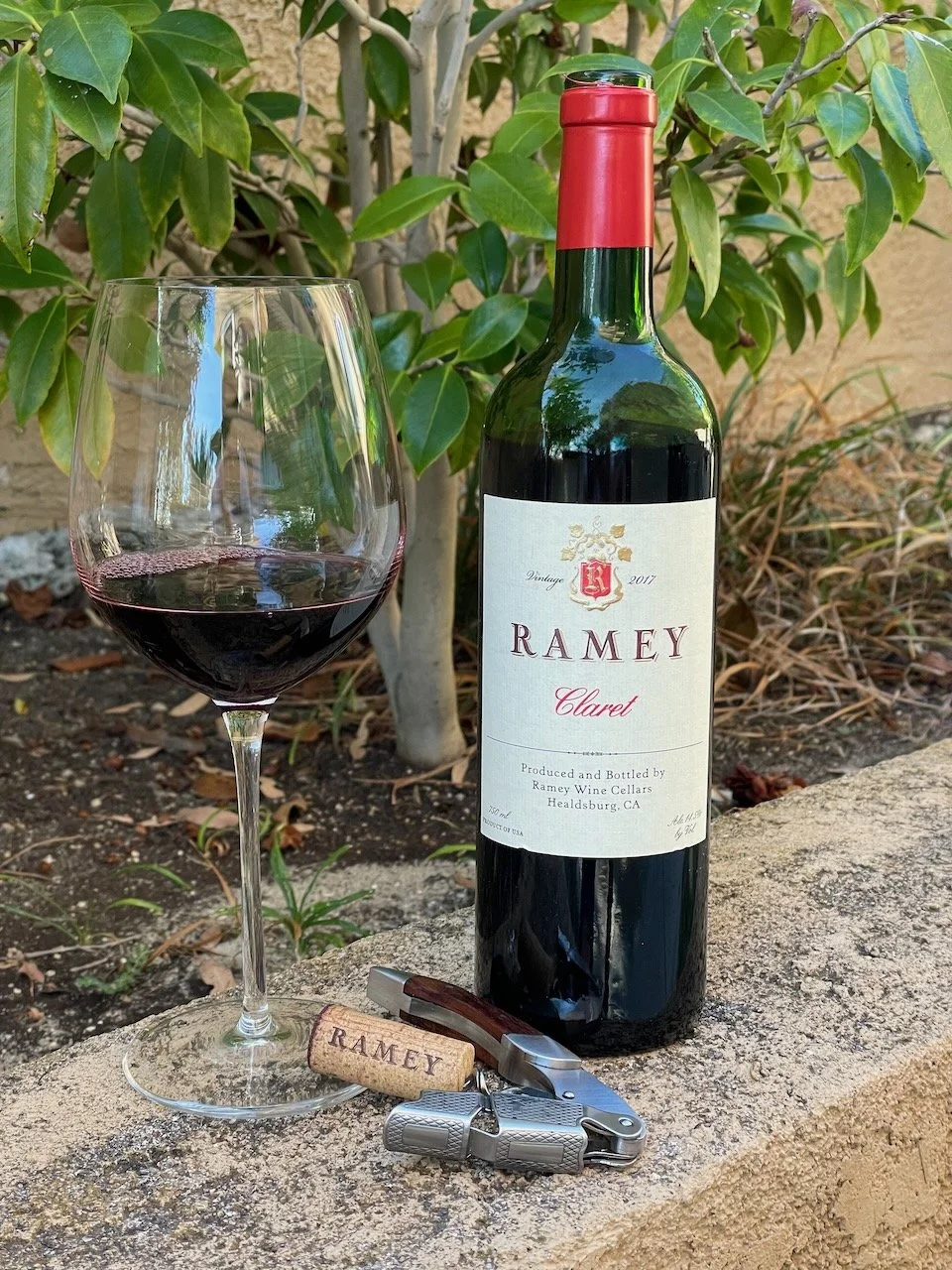
Behind the Cork™ - Ramey Claret

2017 Ramey Claret ($39.98)

David and Carla Ramey founded their winery in 1996 and forged a new California winemaking style that paired old-world techniques with the premier fruit of Sonoma and Napa.

The Ramey family has long excelled at collaborating with other multigenerational winegrowers to make single vineyard wines as well as blends that showcase the defining characteristics of their sites. The second generation, Claire and Alan Ramey, began working at the winery in 2013.

As described in the previous blog, a Claret wine is a red wine blend. And, this Claret is a blend of 44% Cabernet Sauvignon, 20% Merlot, 14% Malbec, 12% Petit Verdot, 8% Syrah and 2% Cabernet Franc - a classic Bordeaux blend. The grapes were sourced from Napa Valley, High Valley, Alexander Valley, the Russian River Valley and Sonoma County.

After fermentation, the wine underwent Malolactic conversion in the barrel, and the wines were blended. The blend rested on its lees for twelve months in French & American oak barrels (24% new), with monthly bâtonnage.

This Ramey Claret is deep purple in color with rich aromas of black cherries, cedar, bay leaves, tobacco and chocolate. On the palate, this medium-full bodied wine has wonderful deep dark fruit flavors, smooth tannins, balanced acidity and finishes long and smooth.

This 2017 Ramey Claret is a really terrific wine and an exceptional value. A perfect fit as this week’s Behind the Cork™ Wine of the Week. Cheers!