
Behind the Cork™ - Ciliegiolo Wines of Maremma Toscana

Ciliegiolo Wines of Maremma Toscana

The Ciliegiolo (cheeli-oh-JOL-oh) grape gets its name from an Italian word for cherry, a fruit that is prominent in this wine’s aroma and flavor.

Although traditionally used as a blending grape in Chianti, since around 2000 it has been used to make varietal wines.

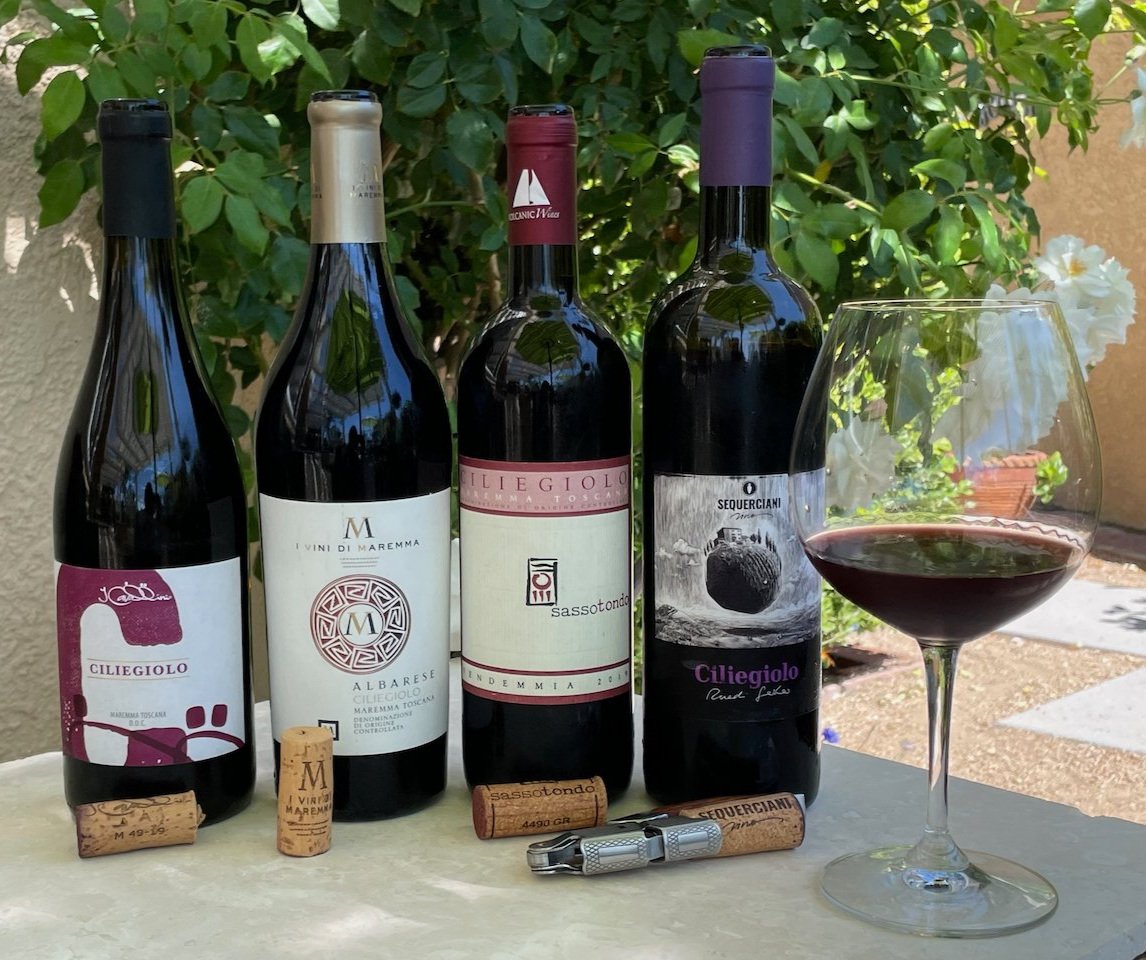
Here are four fine examples from Maremma Toscana in Italy (left to right in photo):

2018 I Cavallini Ciliegiolo ($14)

This wine is produced from 100% Ciliegiolo from Manciano. It is fermented with indigenous yeast in stainless steel tanks and aged in large oak barrels for 12 months. It is pale ruby in color with a delicate aroma of black cherries. On the palate it has good acidity, nice cherry flavor and just a bit of tartness.

2018 Cantina I Vini di Maremma Albarese Ciliegiolo ($19)

This 100% Ciliegiolo undergoes fermentation with delayed extraction of its delicate color by means of light punch-down of the cap followed by daily pump-over for the second fermentation. It spends six months wood and concrete vessels. It is medium ruby in color with a delicate aroma and some earthiness on the nose. On the palate it has the distinct cherry flavor, moderate tannin and oak nuances.

2019 Sassotondo Ciliegiolo ($26)

This wine is produced from 100% Ciliegiolo that come from two vineyard in Sovana and Pitigliano. Fermentation takes place without the addition of yeast and last 15 to 20 days before being aged for a few months in steel tanks. It is pale ruby in color with a cherry aroma and some dusty earthiness. On the palate has tart cherry flavor, medium tannin and moderate acidity.

2019 Sequerciani Ciliegiolo ($22)

This is made from 100% Ciliegiolo that is fermented by natural methods with no added yeast and aged in concrete and Terracotta Amphorae. It is pale ruby in color with aromas of black cherry and some herbal notes. On the palate you get cherry and black cherry flavors, moderate tannin, medium-high acidity and a bit of tartness on the finish.


Disclosure of Wine Sample Submission: I received these samples at no cost for review. The opinions expressed are entirely my own.

Samples Provided by Francesco Mazzei, President of the ‘Consortium for the protection of Maremma Toscana Wines’ (via ZEDCOMM)

The Ciliegiolo Grape

The Ciliegiolo (cheeli-oh-JOL-oh) grape gets its name from an Italian word for cherry, a fruit that the Ciliegiolo grape resembles in its wine’s aroma and flavor.

Although traditionally used as a blending grape in Chianti, since around 2000 it has been used to make varietal wines that range from light (somewhat like a Pinot Noir) to big and complex.

Wines made from the Ciliegiolo grape tend to be somewhat low-acid and low-alcohol. It does not need much bottle aging and is quite drinkable young.

In Tuscany, Ciliegiolo is now being used to make fuller, more structured varietal wines, especially in southern Maremma Toscana.

Recent DNA analysis has shown that Ciliegiolo and a grape called ‘Calabrese di Montenuovo’ are the parents of Sangiovese, but further testing seems to be needed to definitively determine the ancestry.

Watch for the next Behind the Cork™ Wine Blog that will feature four Ciliegiolo-based wines from Maremma Toscanna. Cheers!

Behind the Cork™ - Alberto Motta Ansonica

2019 Alberto Motta Ansonica ($23)

Ansonica (an-so-NIC-ah) may not be a grape variety that you are familiar with. I was not. And, the wine region of Maremma Toscana in Italy may not be a region you are familiar with. But, both are quite interesting.

When researching the Ansonica grape, I learned that it is also known as Inzolia. Again, probably not a grape you are familiar with. As I learned, Ansonica is a white-wine grape that most likely originated in Sicily that likely found its way there from Greece. And, while it is mainly grown in Sicily, it now also appears in some Tuscan whites. But, it is most famous as one of the grape varieties used in the production of Marsala fortified wines.

This Alberto Motta Ansonica is deep gold in color with an extremely delicate aroma. On the palate, it has a richness to it as well as a faint nutty flavor along with light citrus notes and good acidity on the finish. Maybe the best way to describe this wine is somewhat like an un-oaked Chardonnay. But, of course, different.

This was an interesting little journey into an unfamiliar grape. And, an unfamiliar region. So, check out the Maremma Toscana region of Italy (a sub-region of Tuscany) and stay tuned for a couple more Behind the Cork™ blogs on red wines from this up and coming region. Cheers!


Disclosure of Wine Sample Submission: I received this sample at no cost for review. The opinions expressed are entirely my own.

Sample Provided by Francesco Mazzei, President of the ‘Consortium for the protection of Maremma Toscana Wines’ (via ZEDCOMM)

Italy's Maremma Toscana DOC Wine Region

Tuscany is a world famous wine region of Italy that is best known for its Sangiovese-based red wines that include Chianti, Brunello di Montalcino and Vino Nobile di Montepulciano. And, within Tuscany, there are more than 40 sub-regions. Maremma Toscana is one such region.

The Maremma Tuscana DOC sub-region was created in 2011. It is located along the western coast of Italy and includes the province of Grossetto.

The wines of Maremma Toscana DOC are based on many grapes such as Trebbiano Toscano, Vermentino, Malvasia bianca, Sangiovese, Ciliegiolo, Ansonica, Chardonnay, Sauvignon, Alicante, Cabernet Sauvignon, Cabernet Franc, Black Canaiolo, Merlot, Syrah, and Viognier. When blended, these are considered “Super Tuscan” wines. Maremma Toscana also produces single varietal wines.

Over the course of the next few weeks well explore several wines from the Maremma Toscana region including a white wine, several Ciliegiolo-based wines and then some red blends and varietals. Look for these in up-coming Behind the Cork™ Wine of the Week features. Cheers!

Behind the Cork™ - Wines of Alentejo Portugal (Part 2)

Alentejo (ah-len-TAY-zhoo) is one of seven wine regions in Portugal and a real up-and-comer in today’s global wine world.

With its distinct and diverse growing areas, hundreds of unusual grape varieties and ancient wine traditions, Portugal’s Alentejo region is a wine explorer’s paradise.

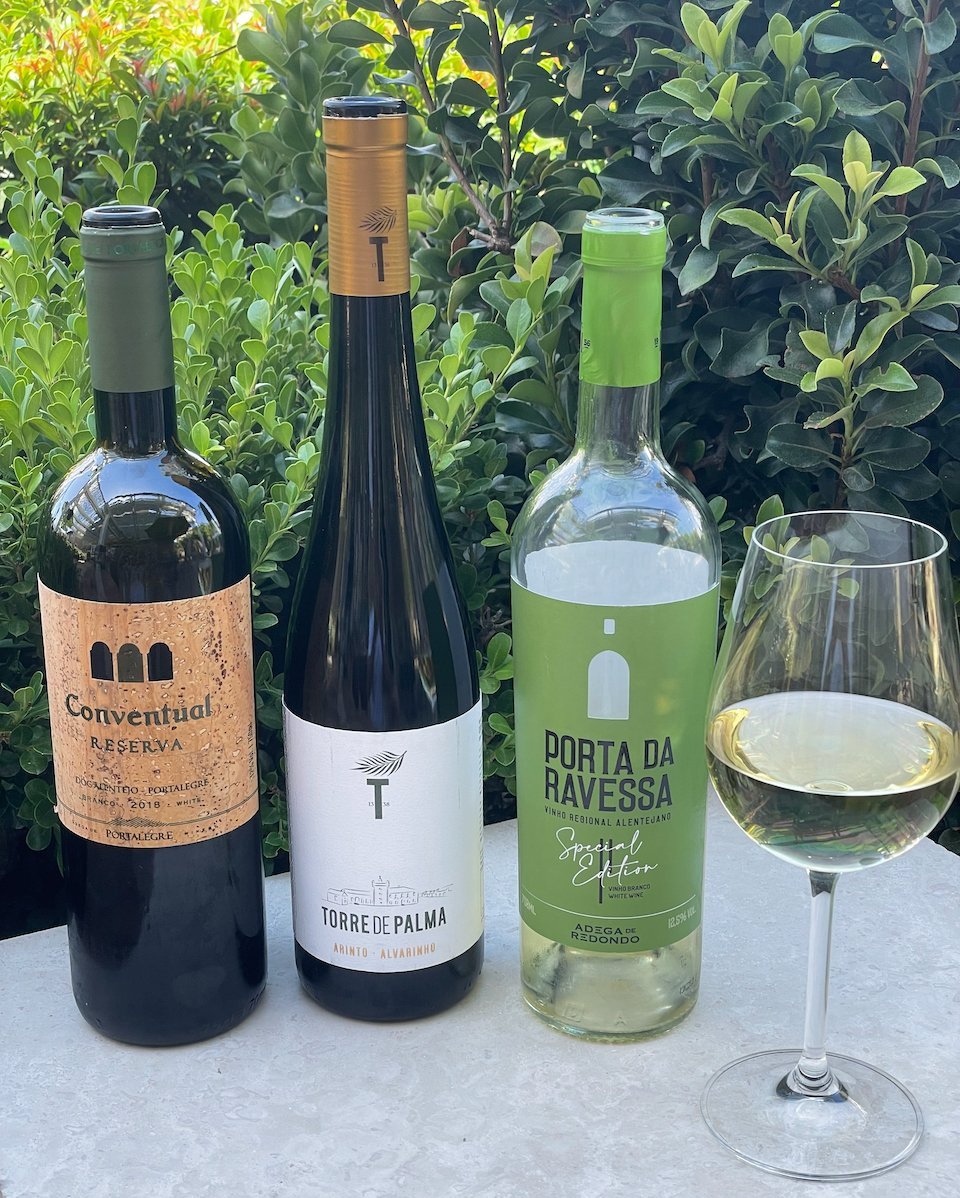
2018 Aldela de Portalegre Conventual Reserva ($25)

Founded in 1954, the Adega de Portalegre Winery has been distinguished by the quality and originality of their wines. The vineyards are located at an altitude around 2000 feet with the average age of the vineyards being 70 years old.

This wine is produced from 40% Arinto, 20% Fernão Pires, 20% Siria and 20% Bical. It was fermented in stainless steel vats and aged in French and American oak barrels. It is pale gold in color with aromas of citrus fruits, spices and beeswax. On the palate it has bold flavors of lemon and lime, minerality, moderate acidity and a bit of tartness. It is a “Reserva” which is the designation of superior quality for wines that must be certified by the certification body.

2021 Torre de Palma Arinto & Alvarinho ($40)

This wine is produced from 50% Arinto and 50% Alvarinho. It is fermented and aged for six months in used French oak barrels from Burgundy with bâttonage and sur lie. It is pale gold in color with delicate aromas of pear and honey. On the palate it has bold citrus flavors and excellent acidity and salinity with bit of tart pepper on the finish.

2020 Adega de Redondo Porta da Revessa Special Edition White ($15)

Porta da Revessa is inspired by the iconic door of the secular Castelo de Redondo, where the marks of the Vara (a long spiked lance used by a picador) and the Côvado (a unit of measure) are still visible today. This wine is produced from 40% Verdelho, 30% Arinto and 30% Antão Vaz. It is fermented in stainless steel tanks and followed by stirring on lees during the aging process. It is pale yellow in color with aromas of melon, pear, minerals and herbs. On the palate, the aging on lees contributes to a softer mouthfeel with good acidity on the finish.

If you are not familiar with Portugal’s native grapes and the flavors of their white wines, just think of Sauvignon Blanc or Pinot Grigio and you’ll begin to understand their flavors. They are bright and fruity with refreshing acidity that goes great with a wide variety of foods. And, again, perfect to be the Behind the Cork™ Wines of the Week. Cheers!


Disclosure of Wine Sample Submission: I received these samples at no cost for review. The opinions expressed are entirely my own.

Samples Provided by the Wines of Alentejo Sustainability Program and the Noted Wineries of Alentejo via Creative Palate Communications